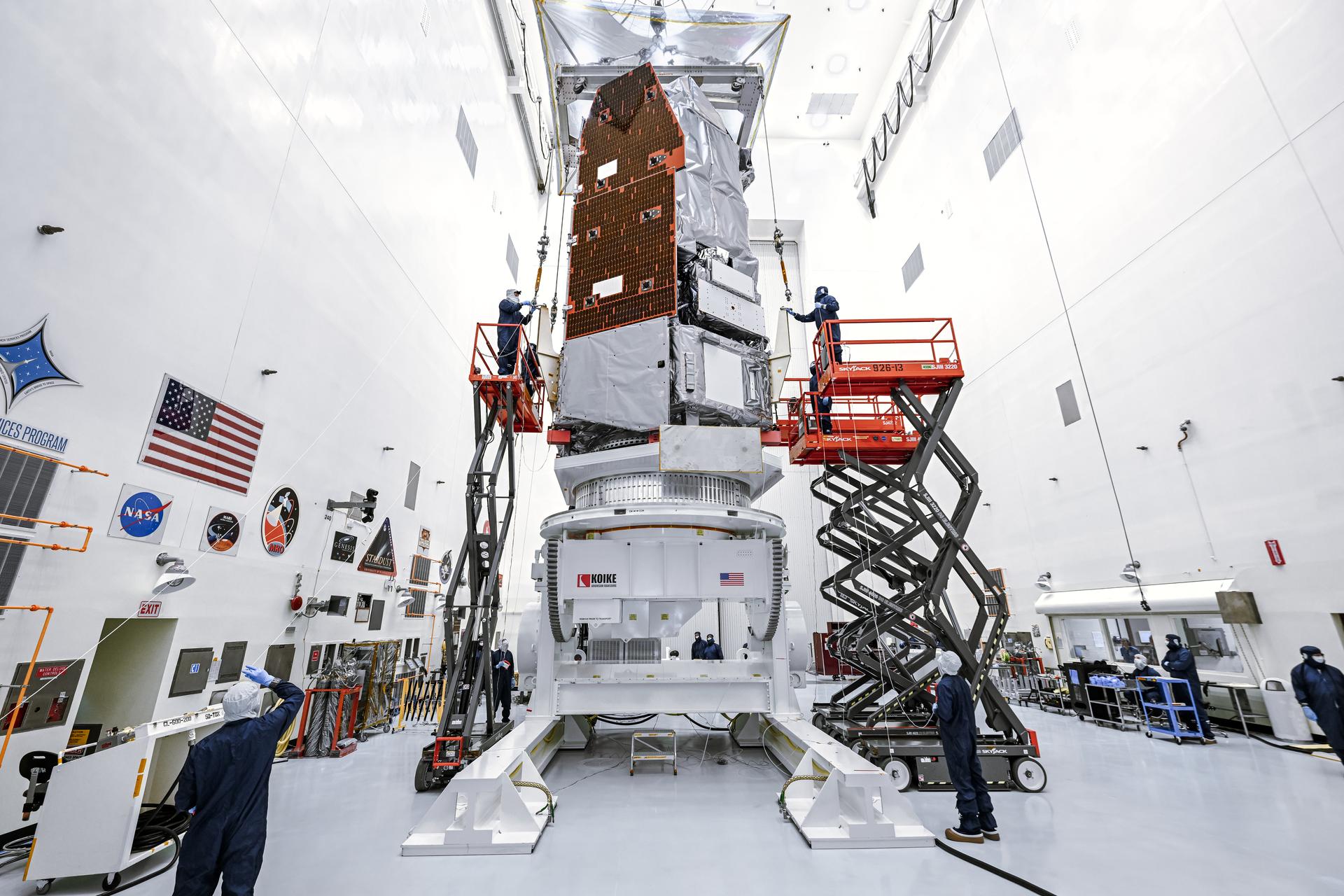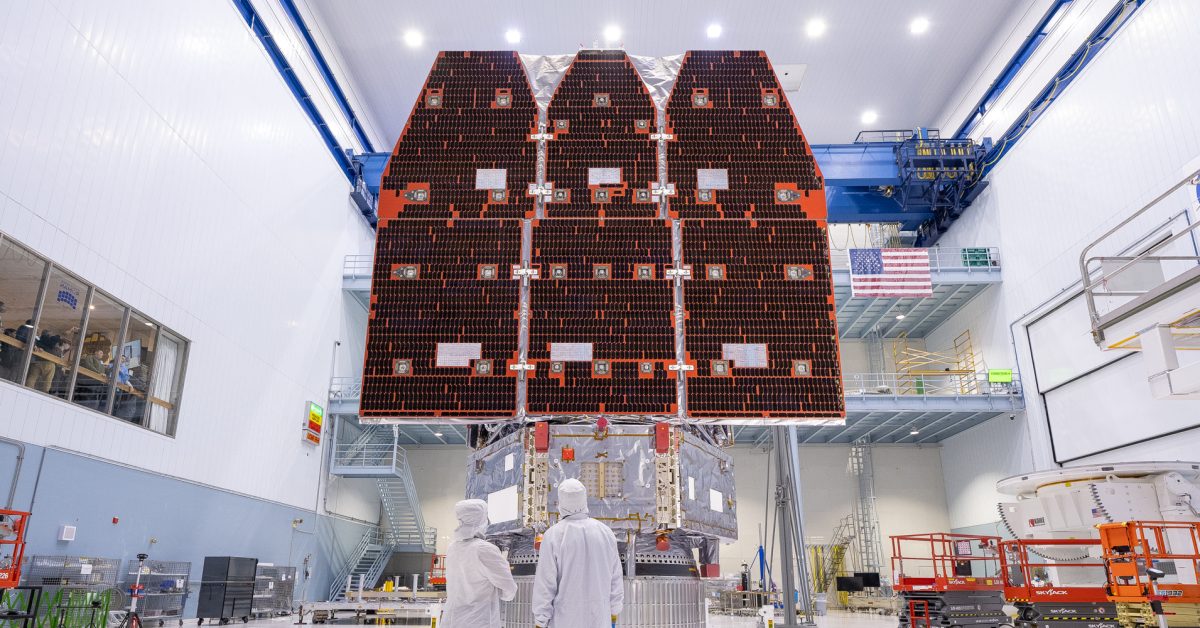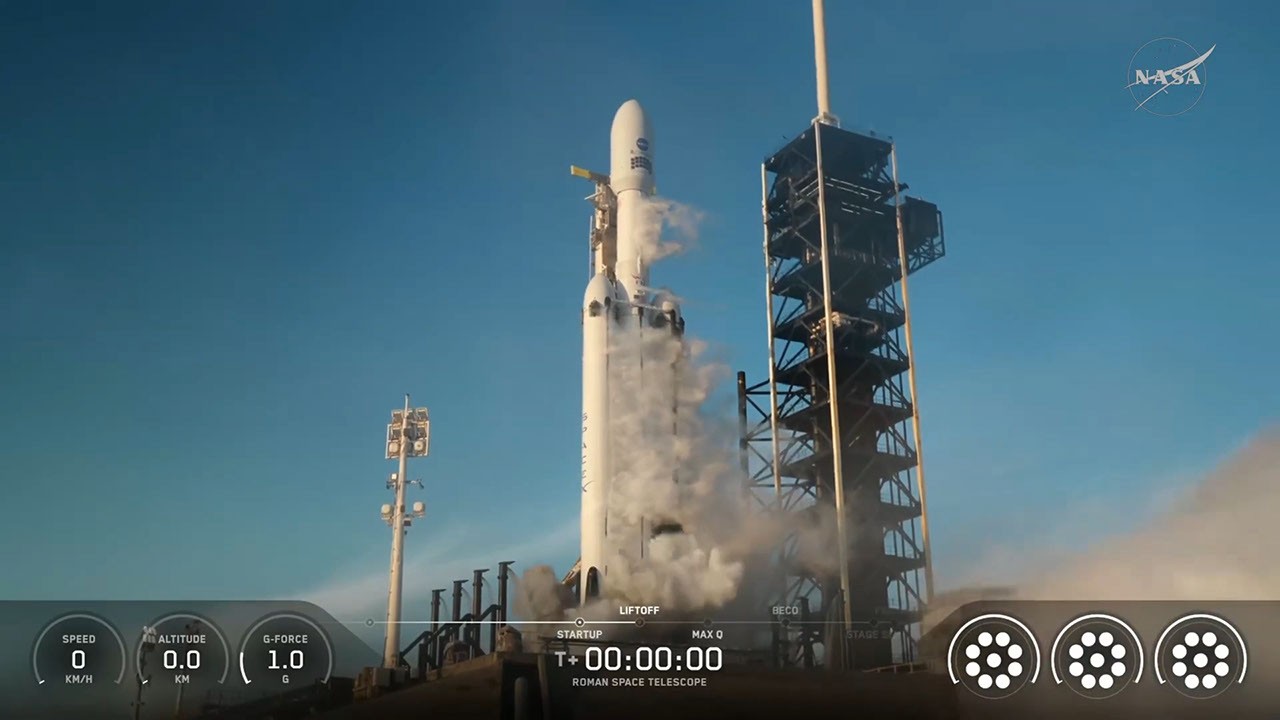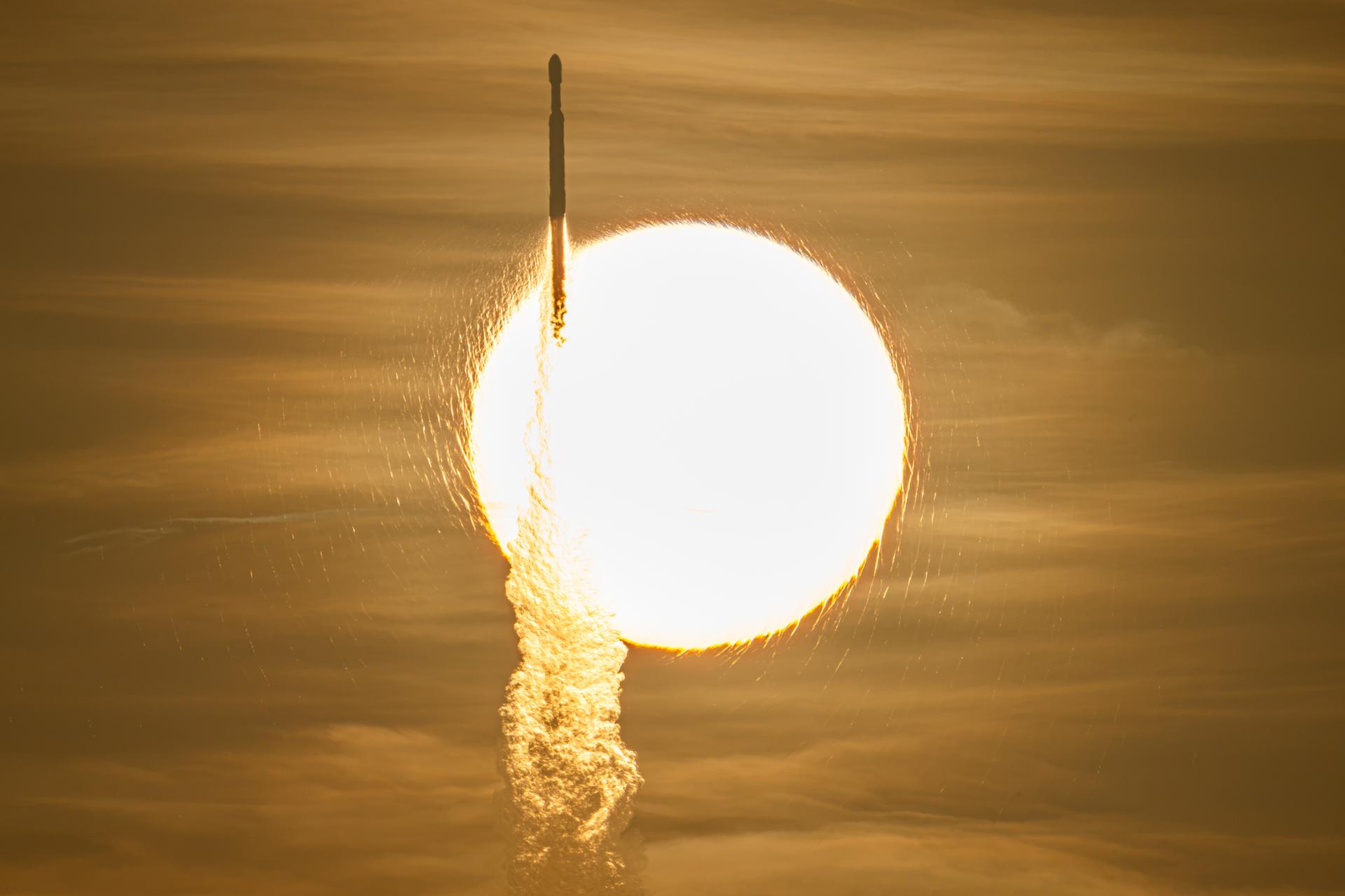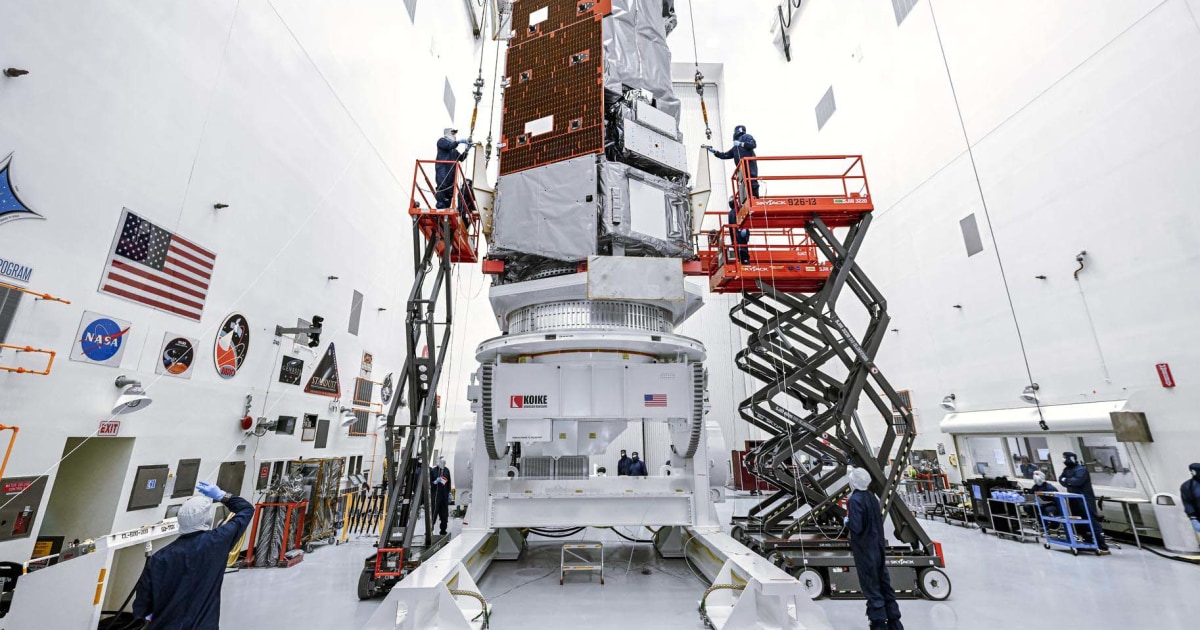
NASA is on the brink of a groundbreaking moment in space exploration as it prepares to launch the Nancy Grace Roman Space Telescope. Scheduled for liftoff on Sunday at 7:26 a.m. ET from the Kennedy Space Center in Florida, this mission represents a significant leap forward in our quest to understand the cosmos. The telescope will be launched aboard a SpaceX Falcon Heavy rocket, marking another collaboration between NASA and private aerospace companies.
The Nancy Grace Roman Space Telescope, often compared to the Hubble Space Telescope for its potential impact on astronomy, is designed to survey the universe on an unprecedented scale. Over its five-year mission, it will capture panoramic views of the cosmos, investigate lesser-known regions of the Milky Way, and potentially discover more than 100,000 planets orbiting other stars. This ambitious project, with a budget of $4.3 billion, has been in development for nearly two decades and is launching nine months ahead of schedule, a notable achievement given the challenges posed by the Covid-19 pandemic and recent government shutdowns in the United States.
One of the key scientific objectives of the Nancy Grace Roman Space Telescope is to deepen our understanding of dark matter and dark energy, two of the most perplexing components of the universe. Astrophysicist Neil deGrasse Tyson emphasized the importance of this mission, noting that, "Some of our longest-standing mysteries in modern astrophysics are: What is the nature of dark matter and the nature of dark energy? We have ideas, but we don’t know what they are. This telescope is going to try to give us the best data available to address those questions."
Dark matter and dark energy together constitute approximately 95% of the universe's total mass-energy content, yet their properties remain largely elusive. The Roman Telescope's advanced capabilities are expected to provide critical data that could lead to breakthroughs in our understanding of these enigmatic phenomena. By surveying hundreds of millions of stars and billions of galaxies, the telescope will offer a comprehensive view that could reshape existing astronomical models and theories.
The Roman Telescope is also designed to outperform its predecessors significantly. It is said to be 1,000 times faster than the Hubble Space Telescope in terms of data acquisition. This enhanced capability will allow scientists to conduct wide-field surveys and in-depth studies that were previously not feasible. The telescope will spend over three months traveling to its final destination, approximately 1 million miles from Earth, where it will begin its observations.
This mission not only represents a technological triumph but also a testament to international collaboration and scientific perseverance. The development of the Roman Telescope involved navigating complex global challenges, including the pandemic, showcasing NASA's resilience and dedication to advancing our understanding of the universe.
The launch of the Nancy Grace Roman Space Telescope marks the dawn of a new era in cosmic exploration. As it prepares to venture into the depths of space, the astronomical community and the public eagerly anticipate the discoveries that await. The data collected by the Roman Telescope could potentially rewrite the textbooks of astronomy, offering new insights into the fundamental nature of our universe and our place within it.