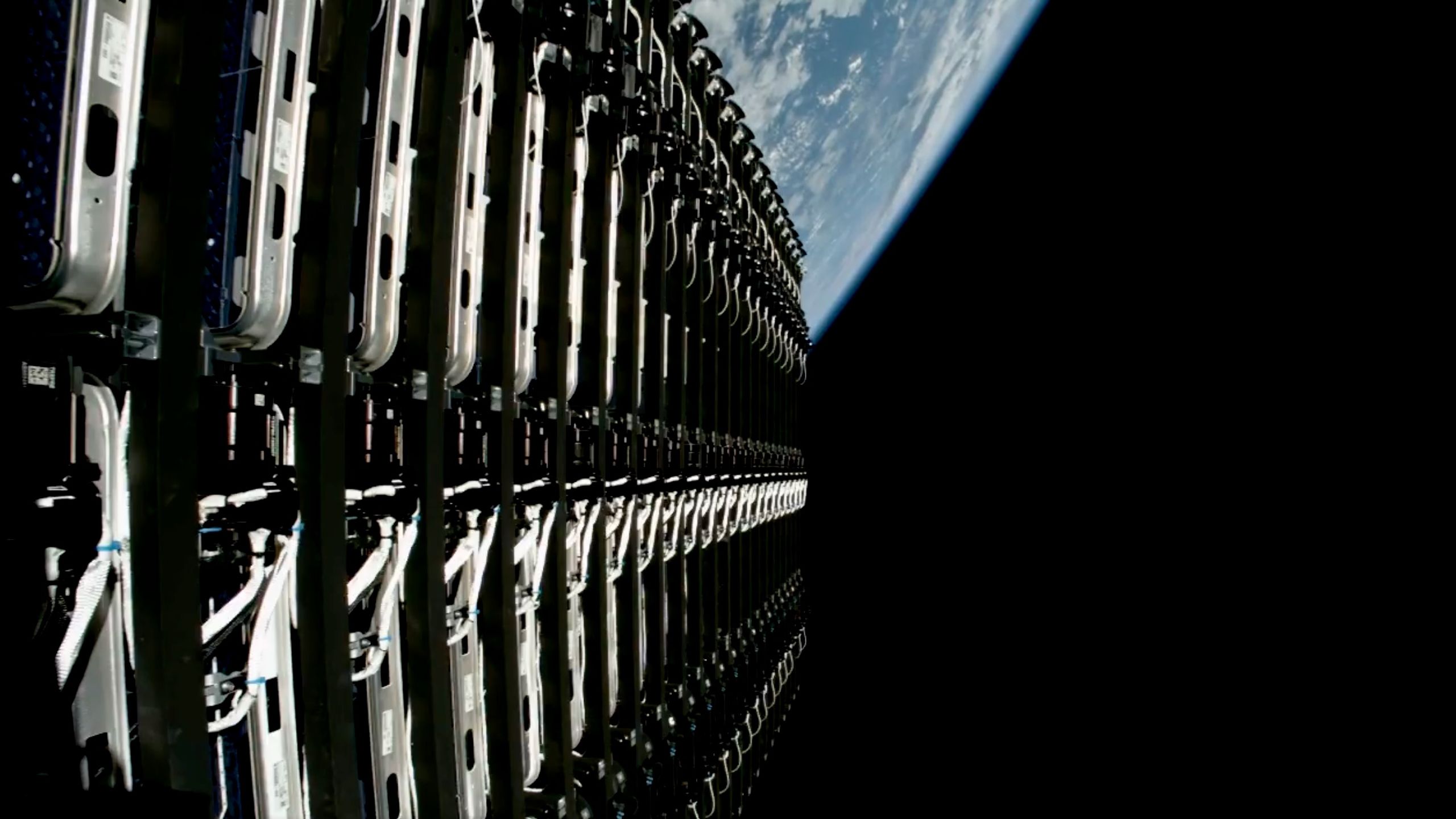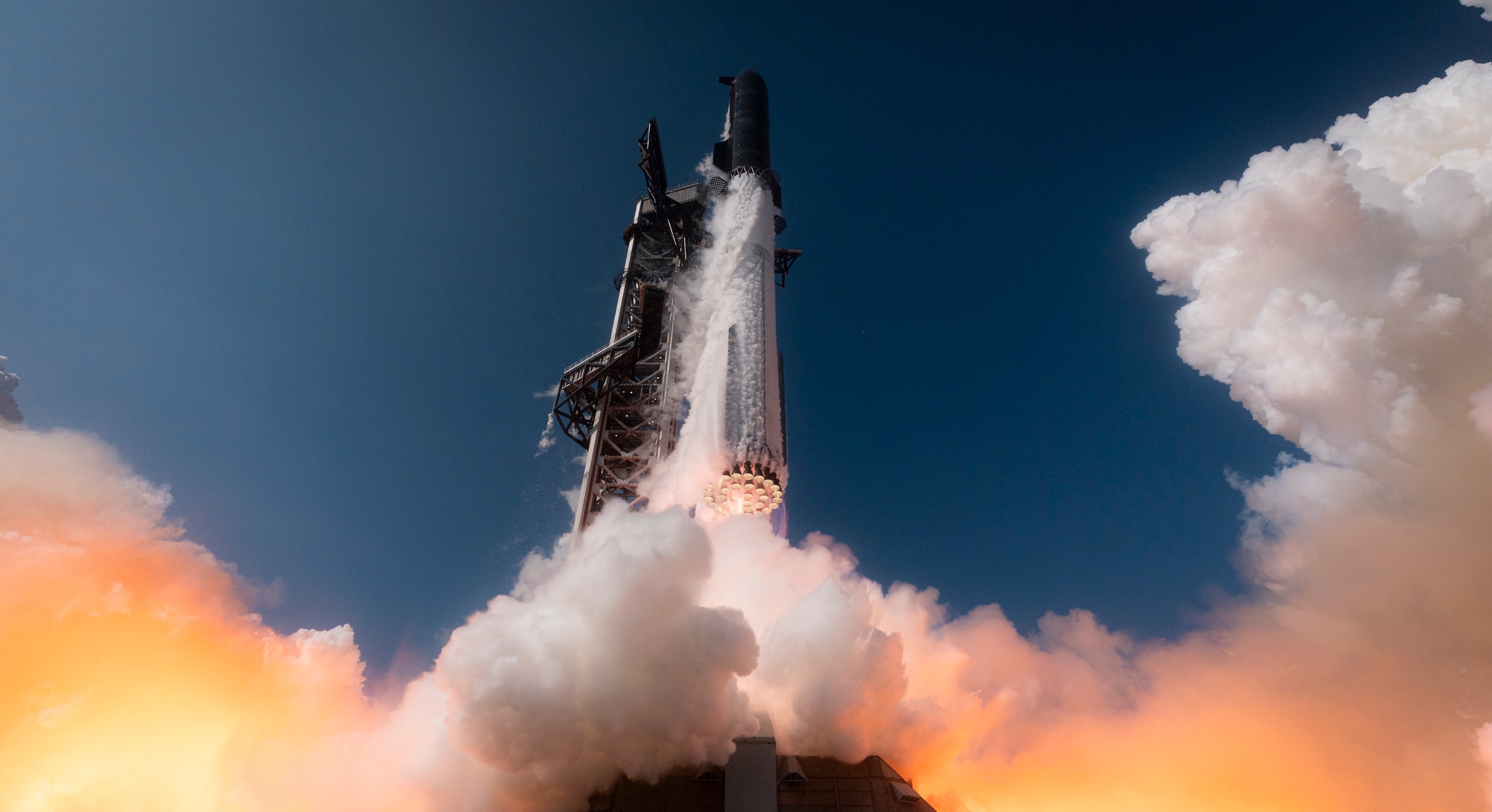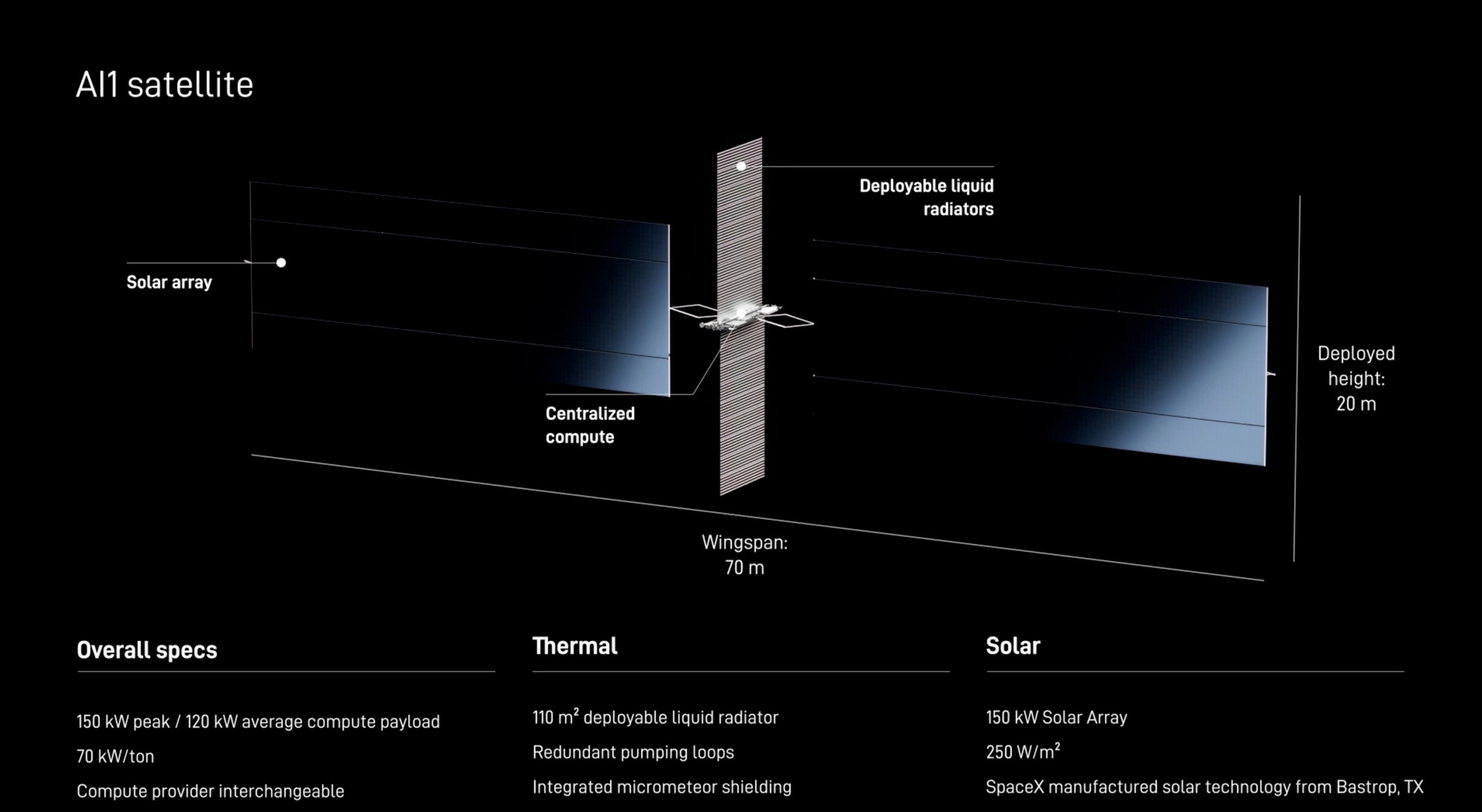
SpaceX, a leader in private aerospace ventures, is preparing to launch a new generation of orbital data center spacecraft as early as next year. While this initiative holds promise for revolutionizing data processing and storage, it has sparked significant concern among the astronomical community.
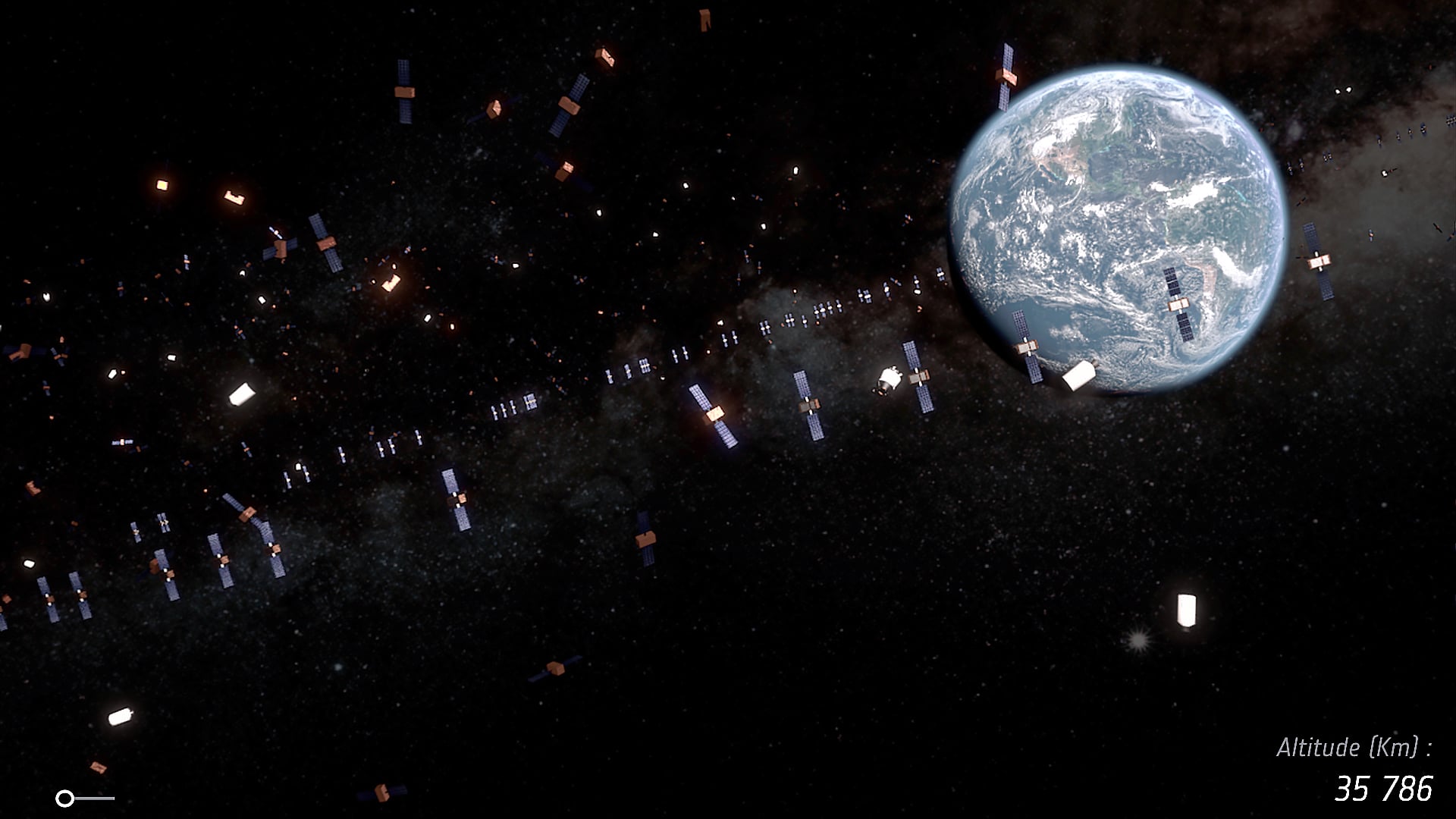
These orbital data centers are designed to operate in low Earth orbit, where they can provide improved data processing capabilities with reduced latency. However, astronomers warn that the presence of these satellites could greatly interfere with astronomical observations, which rely on clear, unobstructed views of the night sky.
The primary concern is that these satellites will contribute to light pollution and radio frequency interference, both of which can severely compromise the quality of astronomical data. As the number of satellites in orbit increases, the risk of interference grows, potentially obscuring faint celestial objects and distorting data critical for research.
Experts highlight the potential for these satellites to reflect sunlight, creating bright streaks across observations made by ground-based telescopes. This phenomenon, known as 'satellite trails,' can make it difficult for astronomers to distinguish between artificial and natural celestial signals. Radio telescopes, which are particularly sensitive to interference, could also face significant challenges if these data centers operate on frequencies close to those used for scientific observations.
While the potential benefits of orbital data centers are considerable, such as enhanced computational resources and global data accessibility, the implications for space science are profound. Astronomers are urging stakeholders, including companies like SpaceX, to collaborate with the scientific community to develop strategies that mitigate these impacts. Potential solutions include designing satellites with non-reflective surfaces and coordinating operational frequencies to avoid interfering with essential scientific research.
The push for balance between technological advancement and the preservation of astronomical observational integrity is not new. However, the scale of upcoming deployments necessitates proactive measures to ensure that scientific exploration does not become an unintended casualty of progress.