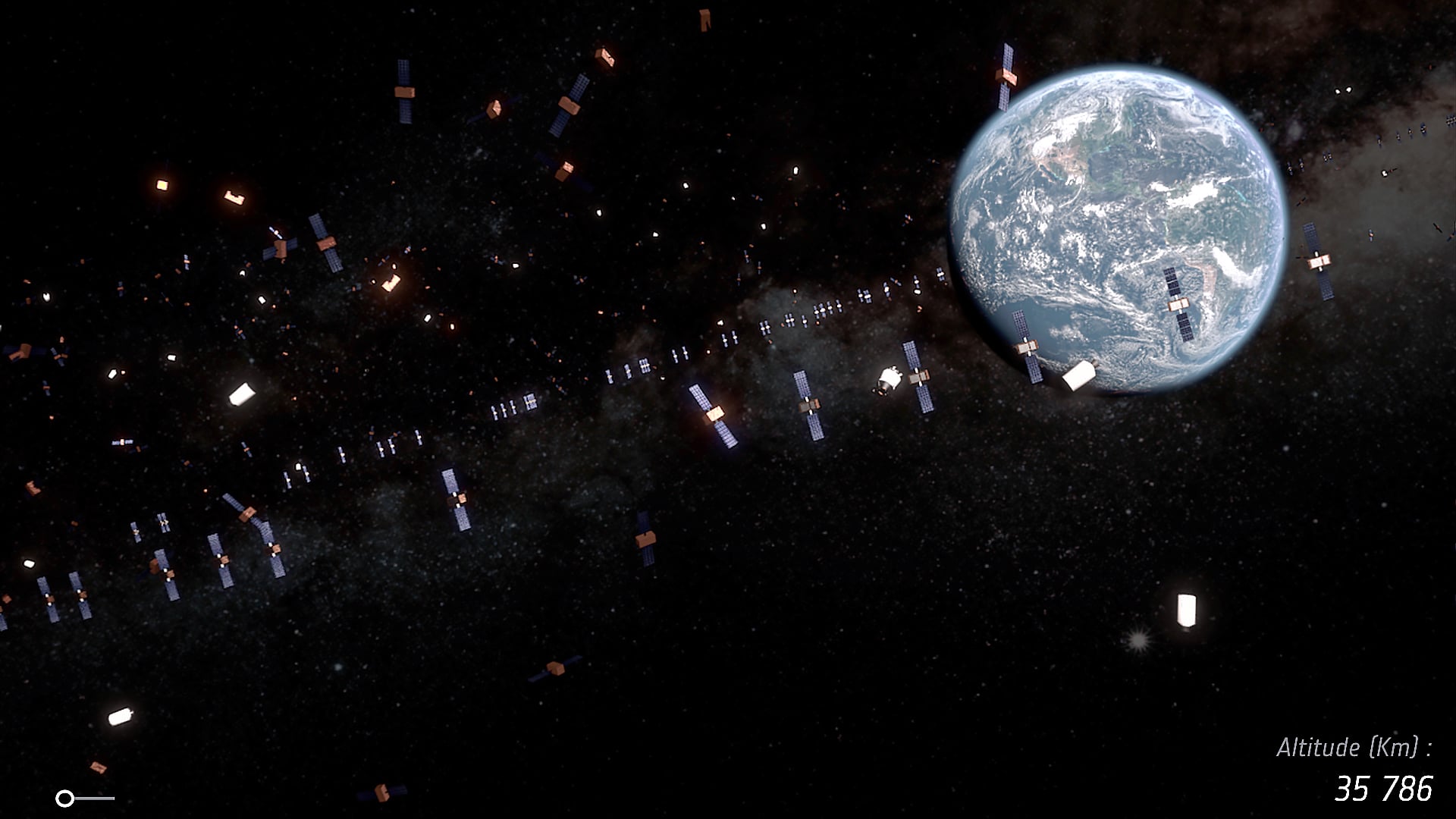
Geosynchronous orbit (GEO) remains one of the most critical regions in space for maintaining global communication, weather monitoring, and navigation services. This orbit, positioned approximately 35,786 kilometers above the Earth, allows satellites to match the planet's rotation. However, this vital orbital region faces an increasing threat from space debris, which can jeopardize the functionality of essential satellites.
Space debris, remnants of defunct satellites, and fragments from spacecraft collisions, pose significant challenges to maintaining a safe and operational space environment. The high altitude of geosynchronous orbit means there is virtually no atmospheric drag to gradually bring debris back to Earth, resulting in a persistent threat to satellites operating in this zone.
A recent breakthrough study published in the Journal of Astronautical Sciences by James Blake and an international team of researchers has highlighted the use of a novel 'blind stacking' algorithm to detect smaller pieces of debris that traditional methods fail to identify. This technique offers a promising solution to mitigating the growing threat of space junk.
Traditional observational methods have limitations in detecting small debris. These methods typically involve capturing short exposure images of the sky, which can miss faint streaks of smaller debris fragments. The 'blind stacking' algorithm addresses this limitation by overlaying multiple images to enhance the faint signals of moving debris. The process involves digitally shifting and stacking images along potential paths that a debris fragment might take, allowing for the amplification of these faint signals while reducing background noise.
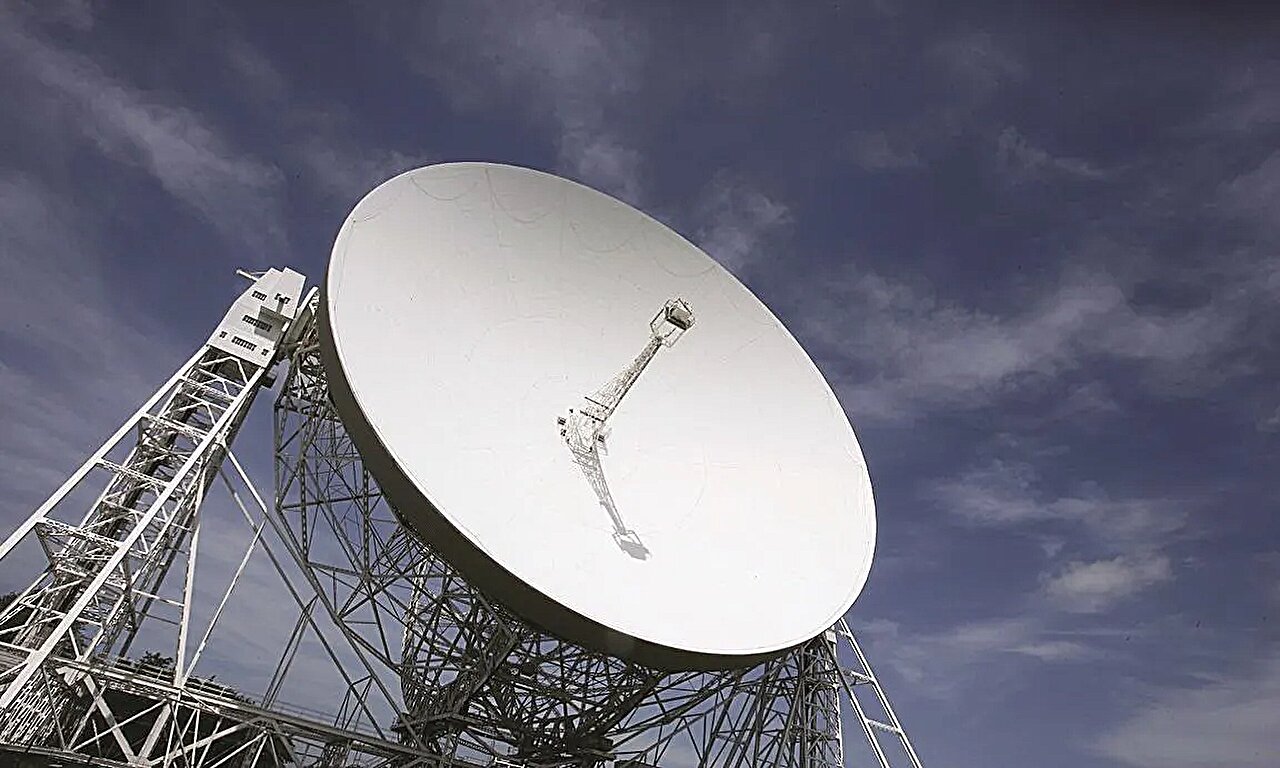
The research team utilized the 2.54m Isaac Newton Telescope (INT) located in La Palma, Canary Islands, to apply this sophisticated image processing technique. The application of mathematical functions, such as Gaussian and 'Tepui' functions, provided sub-arcsecond astrometric precision, crucial for accurately aligning multiple images. Through this process, the team successfully identified 25 new potential debris tracklets that had been missed by traditional surveys.
One significant event illustrating the challenge of space debris management is the breakup of Intelsat 33e in October 2024, which added 36 fragments to the public Space-Track catalog. Surveillance networks initially detected hundreds more fragments, highlighting the complexity of tracking and mitigating debris in GEO. Each breakup event has the potential to create thousands of smaller fragments, complicating the operational environment for satellites.
With the increasing number of satellites being launched, as noted by plans for over 1.7 million satellites in future constellations, the risk to space operations continues to rise. The European Southern Observatory (ESO) has raised concerns about the impact of such large satellite populations on astronomy, recommending a cap on the number of visible satellites to mitigate disruption.
Looking ahead, the integration of advanced algorithms like 'blind stacking' could play a pivotal role in space debris management. By enabling the detection of smaller debris, these techniques help ensure the safety and sustainability of satellite operations in geosynchronous orbit. As space becomes more congested, the development and implementation of innovative detection and mitigation strategies will be essential to preserving the integrity of space-based services that are integral to modern life.
In conclusion, the use of advanced algorithms in astronomy underscores the importance of continuous innovation in addressing the challenges posed by space debris. As we rely increasingly on satellite technologies, safeguarding geosynchronous orbit from debris threats is paramount to maintaining the reliability of global communication and navigation systems.