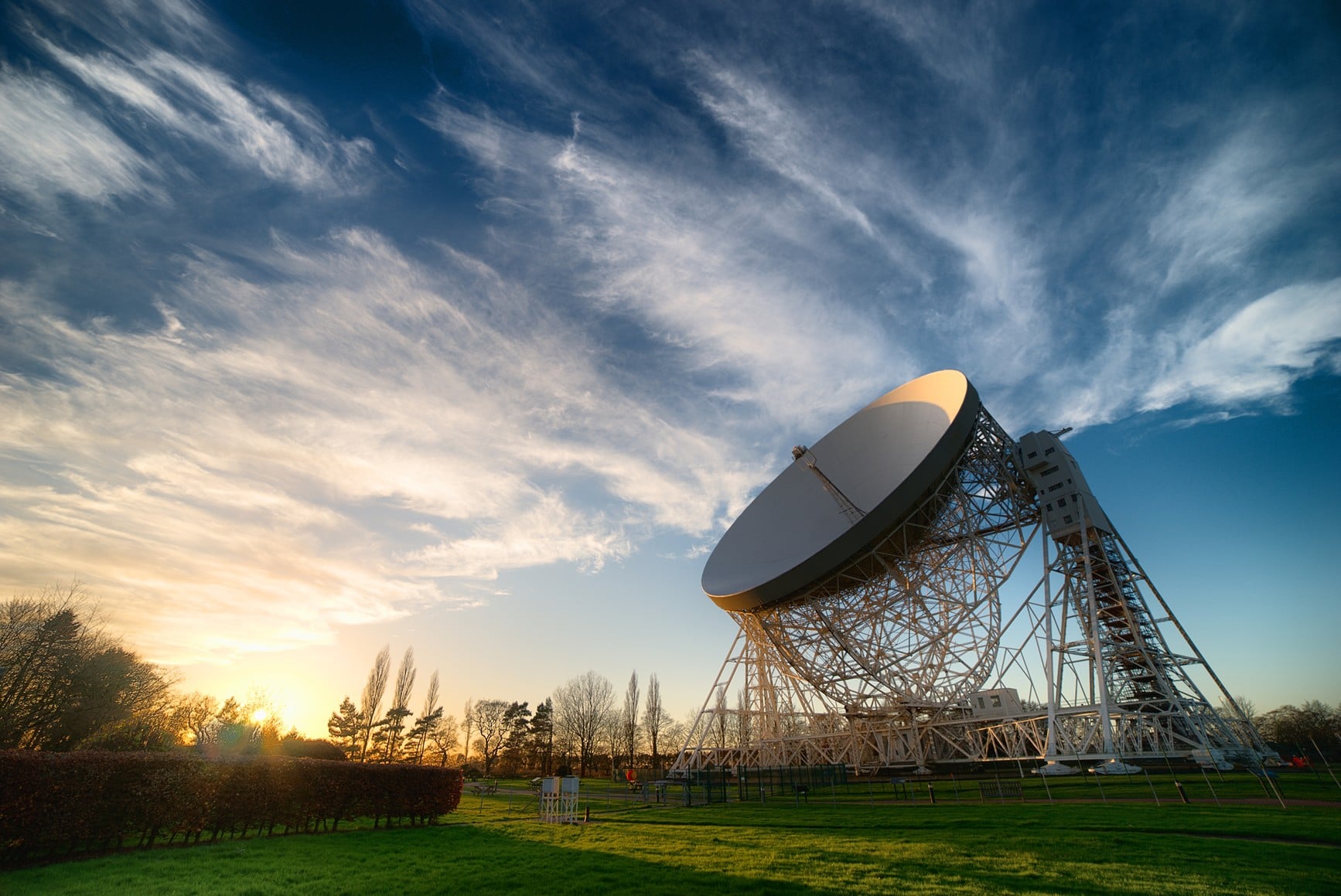
In a pioneering stride towards enhancing space surveillance, scientists have successfully transformed radio telescopes into potent space scanners. This development, spearheaded by an international research team from the University of Birmingham, marks a significant leap in monitoring the increasing congestion of Earth's orbital environment.
The project, known as the Long Baseline Multistatic Radar (LBMR), is funded by the UK Space Agency and aims to repurpose existing scientific and commercial infrastructure as independent radar receivers. This innovative approach has been demonstrated in a real-time setting, illustrating its potential to dramatically enhance current space surveillance systems.
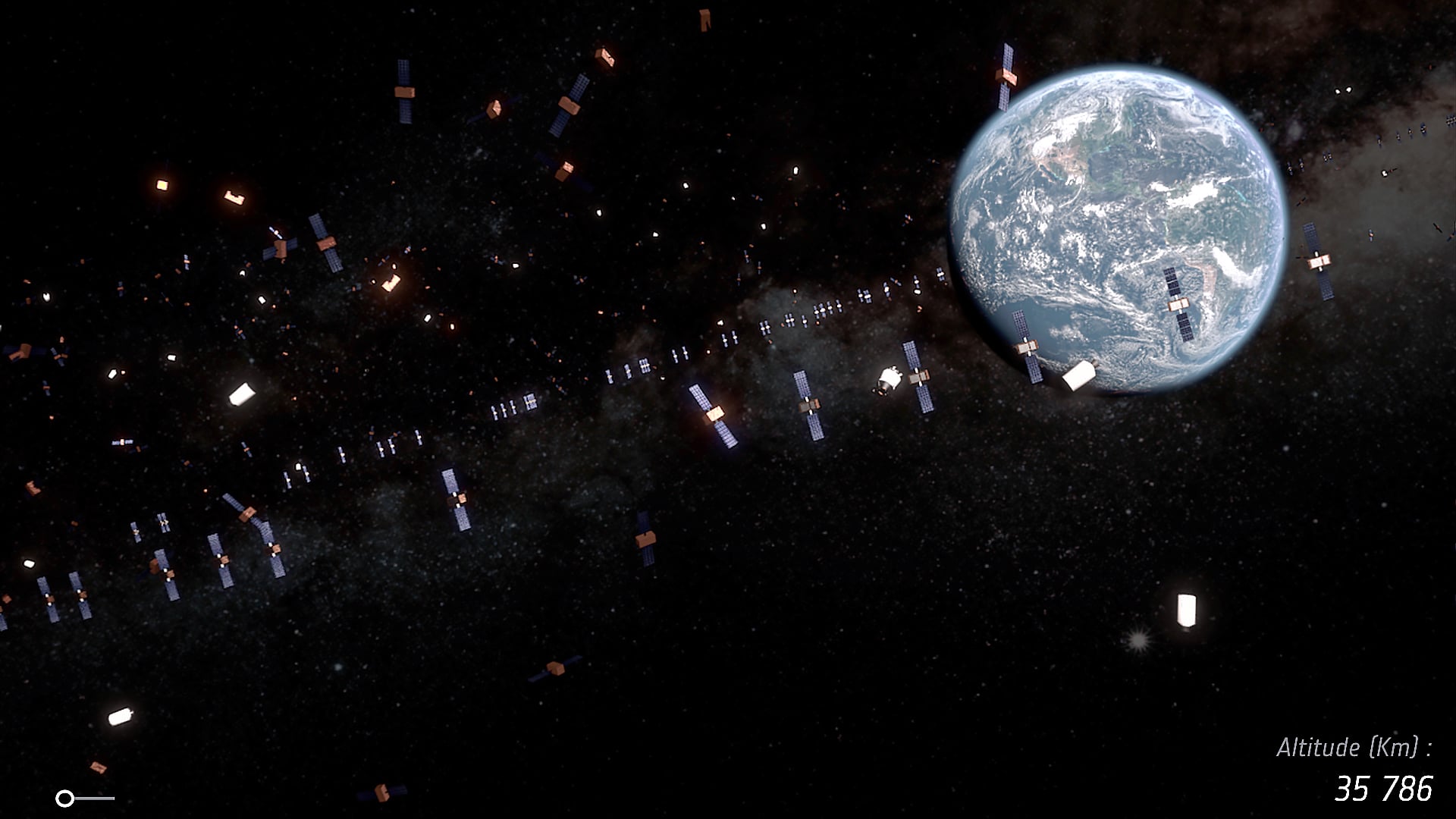
The core of this breakthrough lies in its ability to detect, track, and characterize satellites and space debris, particularly in geostationary orbit (GEO). At approximately 37,000 kilometers from Earth, GEO hosts a myriad of critical assets, including military, government, and commercial communications satellites. Protecting these high-value systems is paramount, as they underpin essential services like navigation and weather monitoring.
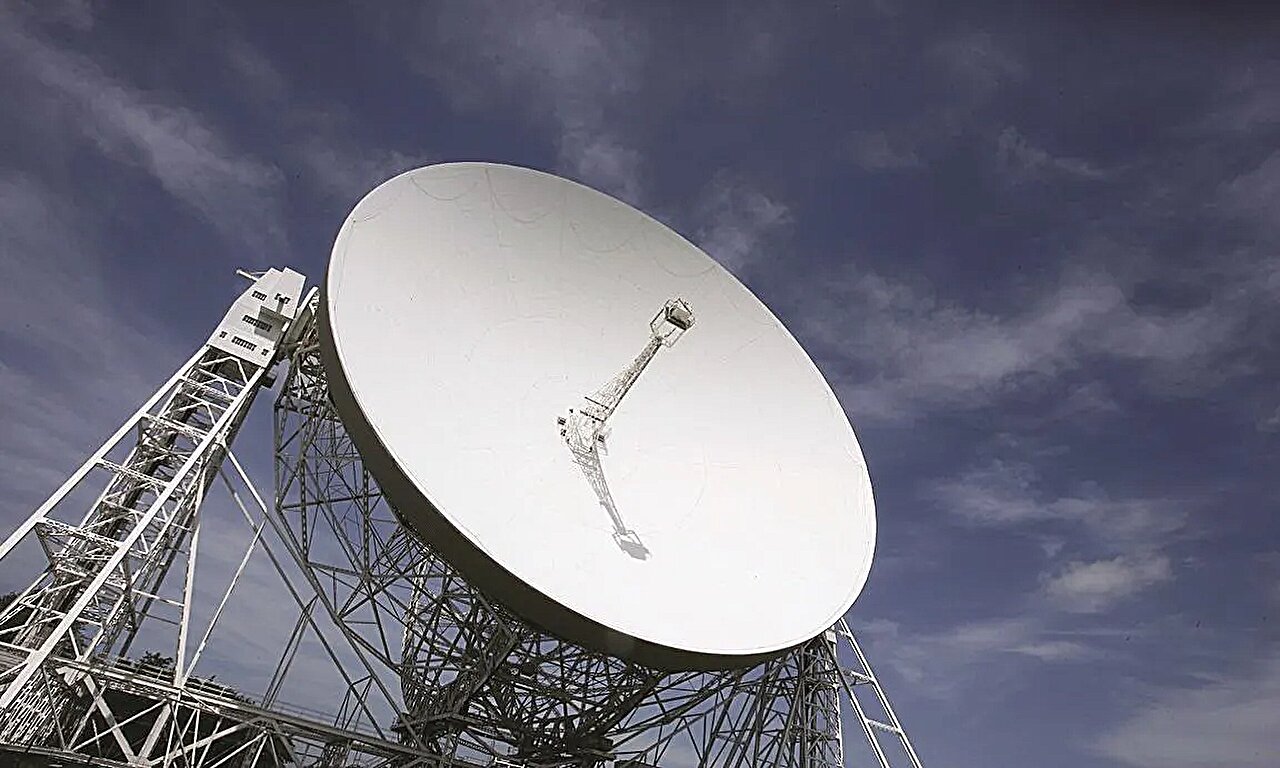
Traditional radar systems are adept at tracking objects in low Earth orbit (LEO). However, detecting and monitoring objects in GEO has always been a challenge due to the need for extremely powerful transmitters. The LBMR project overcomes this limitation by incorporating radio telescopes into the radar systems, significantly increasing their sensitivity. This enhancement allows for the detection of smaller objects at much greater distances, thereby providing a clearer and more continuous picture of what is happening in space.
Professor Marco Martorella from the University of Birmingham emphasizes the importance of this development. "The successful demonstration of LBMR marks an important step toward using this technology operationally to monitor satellites and debris around our planet," he stated. The project not only advances radar technologies but also provides a platform for validating new sensing concepts and training the next generation of RF and radar engineers.
This breakthrough comes at a crucial time. The number of satellites in orbit is rapidly increasing, with companies planning to launch up to 1.7 million satellites in the coming years. While this proliferation supports various technological advancements, it poses a severe threat to astronomical observations and increases the risk of collisions in space. Thus, enhanced surveillance capabilities are more critical than ever.
Moreover, this development aligns with ongoing efforts to monitor space debris, which poses a constant threat to operational satellites. Recent studies, such as those published in the Journal of the Astronautical Sciences, have highlighted the need to detect even the tiniest fragments of debris that could jeopardize space operations. The ability of the LBMR project to track smaller objects plays a vital role in mitigating these risks.
Looking ahead, the integration of radio telescopes into space surveillance systems could pave the way for further technological advancements. As new telescopes, like the Square Kilometre Array (SKA), come online, the potential to explore the universe more comprehensively grows. These technologies not only enhance our understanding of space but also ensure the safety and sustainability of our orbital environment.
In conclusion, the repurposing of radio telescopes as space scanners exemplifies the innovative spirit driving modern space science. By significantly enhancing our ability to monitor the crowded space around Earth, this project not only protects vital satellite infrastructure but also sets the stage for future advancements in both space exploration and safety.