The increasing congestion of Earth's orbital space presents a growing challenge for astronomers and space agencies worldwide. As more satellites are launched annually, the risk of collision and damage from space debris becomes ever more pressing. In response to this, an international team of radio astronomers and radar experts has developed a novel approach using radio telescopes to accurately track satellites and space debris, a method poised to enhance our ability to maintain Space Domain Awareness.
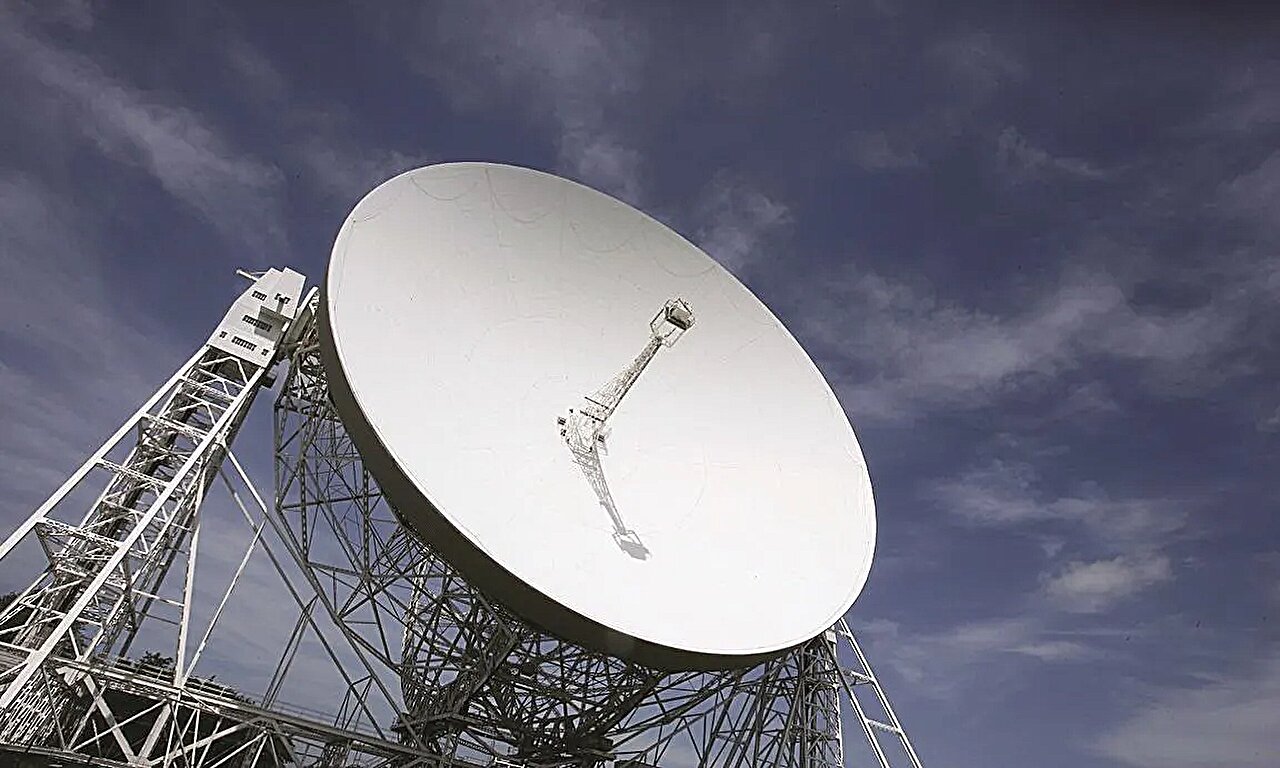
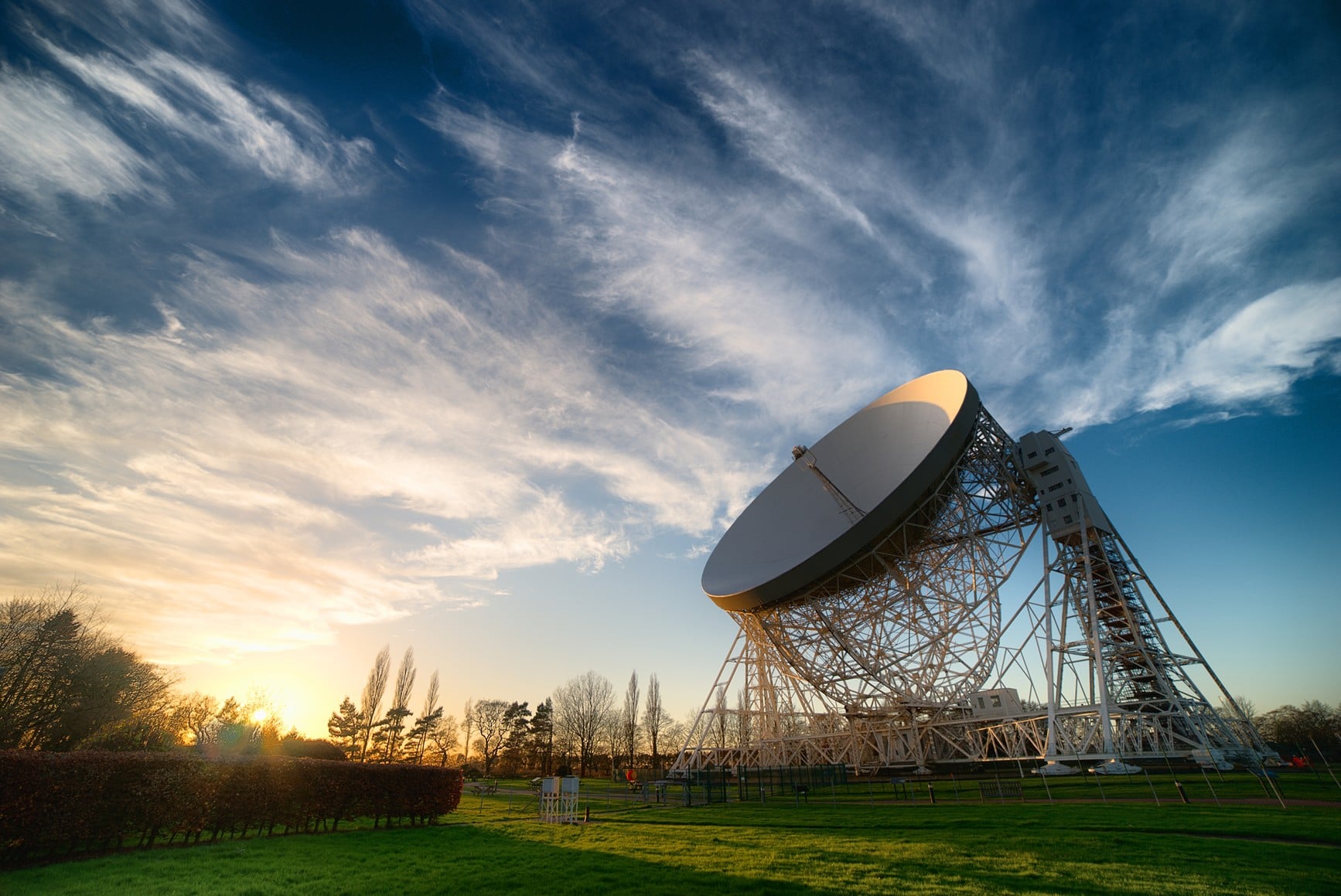
The innovative technique involves using a network of radio telescopes, including the 76-meter Lovell Telescope at Jodrell Bank in the United Kingdom, along with the e-MERLIN array. Together, these instruments form a part of the Long Baseline Multistatic Radar (LMBR) system, which has been utilized to monitor objects in space, providing critical data for both the safety of operational satellites and the protection of Earth-bound technologies.
During a test conducted in September 2025, the team successfully tracked 20 distinct rocket bodies using a combination of the NASA Deep Space Network antenna in Canberra, Australia, the Australian Compact Telescope Array, and other installations across Tasmania. This collaborative effort also involved partners from the United States and the United Kingdom, showcasing the global nature of the endeavor.
The method employed, known as micro-Doppler analysis, utilizes the Doppler effect to measure the axial rotation signatures of space objects. This allows scientists to determine the rotation periods, dimensions, surface characteristics, and mass distribution of these objects with remarkable precision. Additionally, advanced imaging reconstruction techniques were employed to generate detailed shapes of the tracked debris, achieving dimensional estimates within 10% accuracy.
The implications of this research are significant. As the number of satellites in orbit continues to rise, with projections reaching over 1.7 million in the coming years, the potential for catastrophic collisions grows. The European Southern Observatory (ESO) has previously warned that the proliferation of satellites could have devastating consequences for astronomical observations. The importance of maintaining a clear geostationary orbit (GEO), crucial for GPS, weather tracking, and communications satellites, cannot be overstated. Yet, small debris at these altitudes often eludes even the most sensitive sensors.
By integrating radio telescope networks across continents, the LMBR offers a promising solution to this challenge. This distributed network of antennas allows for bi-static radar observations, providing a comprehensive view of space debris that is otherwise difficult to detect. The success of the initial trials suggests that this approach could become a cornerstone in the ongoing effort to safeguard our orbital environment.
Looking ahead, the expansion of ground station networks, such as Telespazio's recent deployment of an S/X-band antenna in the Azores, further enhances global monitoring capabilities. These developments signify a concerted effort by the international community to address the mounting space debris problem, ensuring the sustainability of space operations and the protection of both terrestrial and extraterrestrial assets.
The work being done by radio astronomers and radar experts represents a critical advancement in space surveillance technology. As we continue to rely heavily on satellite technology for everyday life, from navigation to communication, the ability to monitor and manage the growing population of space debris becomes increasingly vital. By leveraging innovative methods and international collaboration, we are better equipped to meet the challenges posed by an ever-more crowded sky.