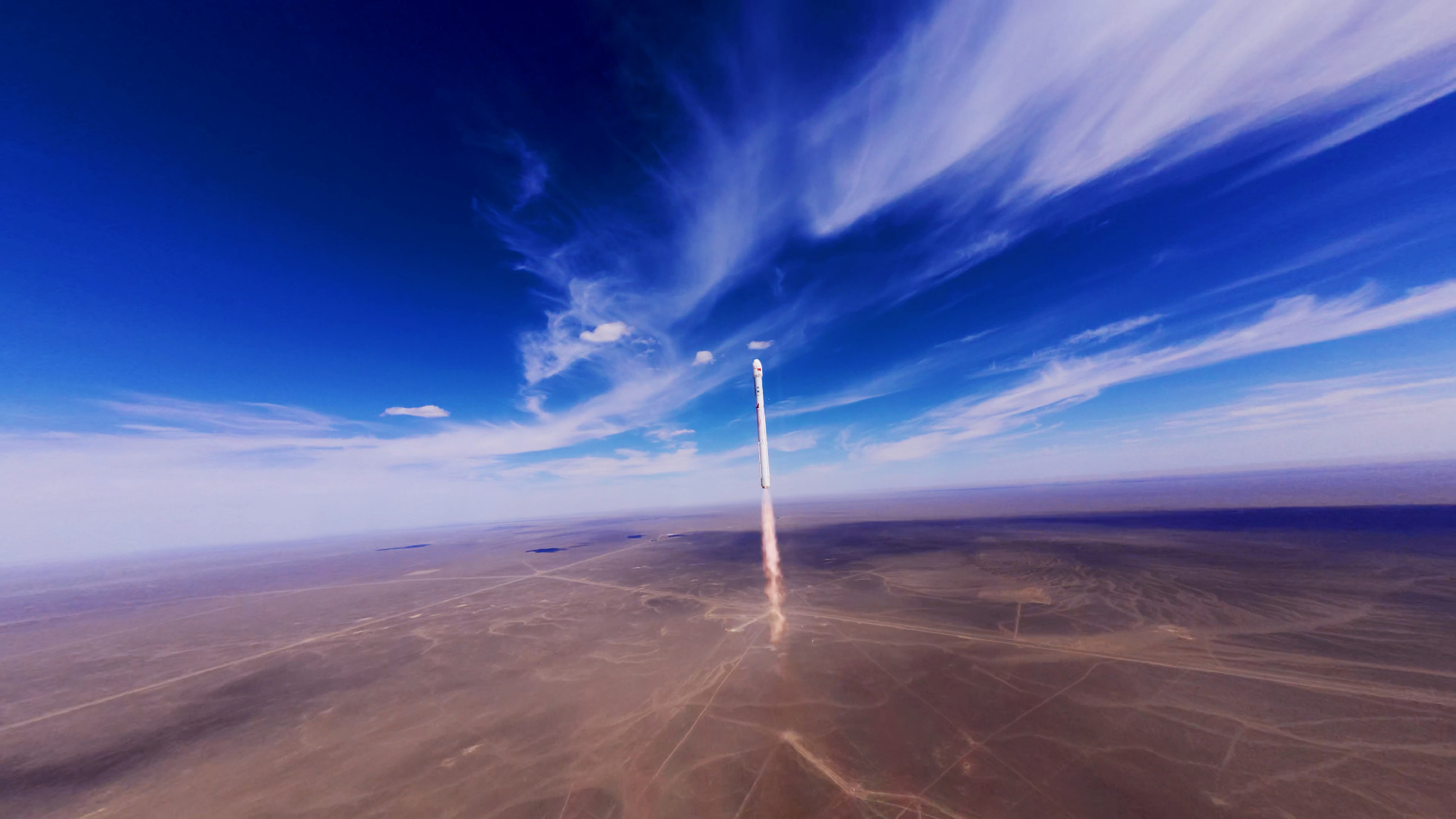
In a significant advancement for China's satellite communication capabilities, the nation recently executed two pivotal rocket launches. These launches, carried out by the Long March 5 and Zhuque-2E rockets, underscore China's strategic emphasis on enhancing its presence and capabilities in space.
Long March 5: A Classified Mission
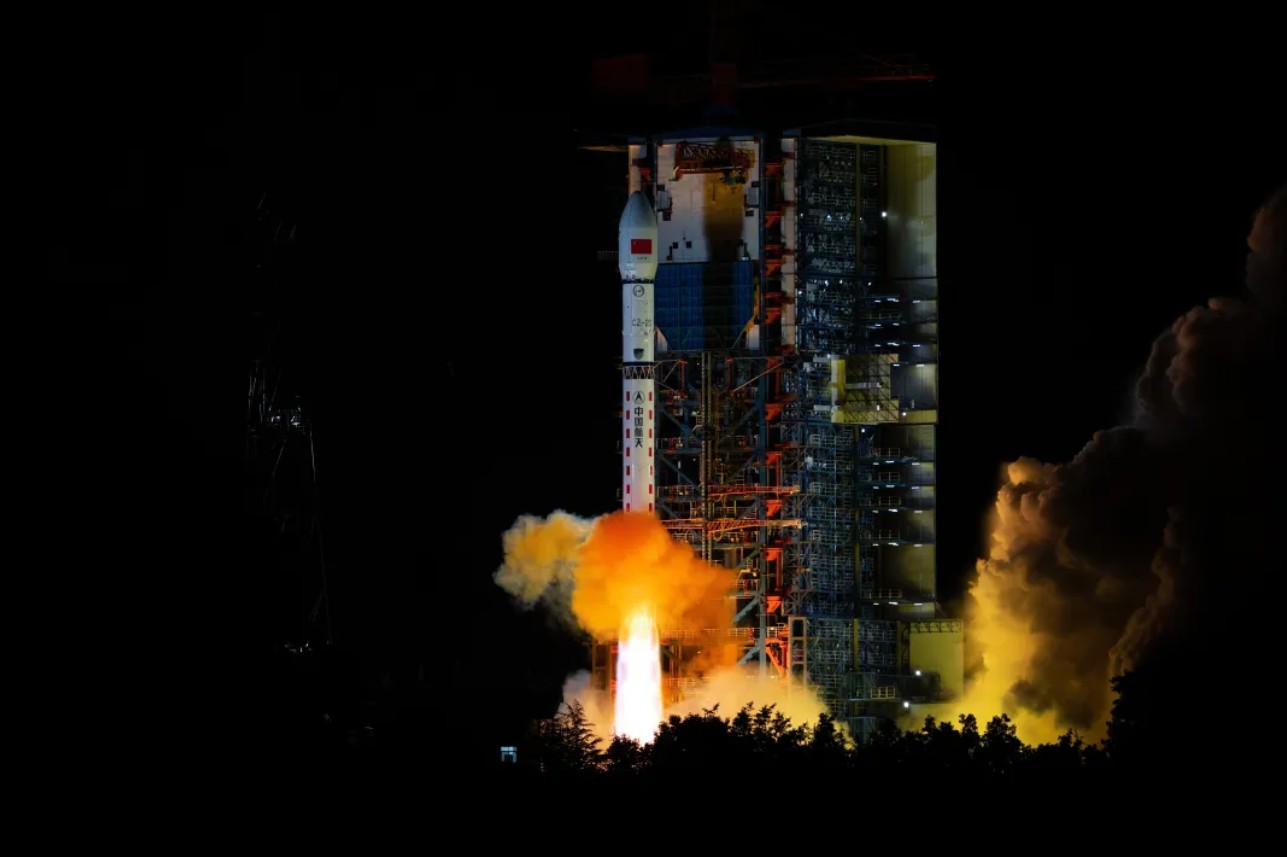
On June 11, 2026, China launched a classified satellite aboard its largest rocket, the Long March 5. The Long March 5, known for its heavy-lifting capabilities, is a cornerstone of China's space ambitions, frequently used for large payloads, including components for China's space station, Tiangong. Although specific details about the satellite remain classified, the launch underscores China's ongoing commitment to expanding its satellite infrastructure. Such infrastructure is vital not only for communication but also for intelligence and military applications.
The Long March 5's successful deployment of the satellite is a testament to the robustness of China's aerospace engineering and its ability to undertake complex missions. The launch adds to the myriad of satellites already in orbit, forming an integral part of China's growing network designed to enhance both civilian and military communications.
Zhuque-2E: Testing Direct-to-Device Capabilities
In tandem with the Long March 5 mission, the Zhuque-2E, a commercial launcher, executed a separate mission to deploy test satellites for direct-to-device communications. This launch marks a significant stride for Chinese commercial aerospace, showcasing the private sector's growing role in the nation's space endeavors.
The direct-to-device technology tested by these satellites could revolutionize how communications are handled, potentially allowing devices to connect directly to satellites without needing intermediary ground stations. This capability is particularly promising for remote areas lacking terrestrial communication infrastructure, potentially bridging digital divides.
The Zhuque-2E's mission reflects the increasing competitiveness and innovation within China's commercial space sector, which is supported by government policies favoring private enterprise participation in space activities. This aligns with global trends where commercial companies are playing a pivotal role in space exploration and satellite deployment.
Strategic Implications and Future Prospects
The dual launches are not isolated events but part of a broader strategy by China to fortify its position as a leading space-faring nation. The country's comprehensive space program aims to enhance its global communications capabilities, with implications for both civilian applications and national security.
These advancements come at a time when global competition in space is intensifying. Other countries, including the United States, Russia, and members of the European Space Agency, are also ramping up their space capabilities. This competitive environment spurs technological advancements and collaborative opportunities, potentially leading to new innovations in satellite technology and communication methods.
Looking forward, China's continued investment in space technology, coupled with its burgeoning commercial sector, suggests that we can expect further innovations and missions that will expand the boundaries of what is technologically possible. The impact of these developments will resonate beyond China's borders, influencing global communications infrastructure and international space policy.
For interested non-experts, these developments highlight the importance of satellite technology in modern life, influencing everything from weather forecasting to global internet access. As nations continue to push the boundaries of space exploration, the implications for global communication and information exchange are profound, potentially reshaping how we connect and interact in the decades to come.