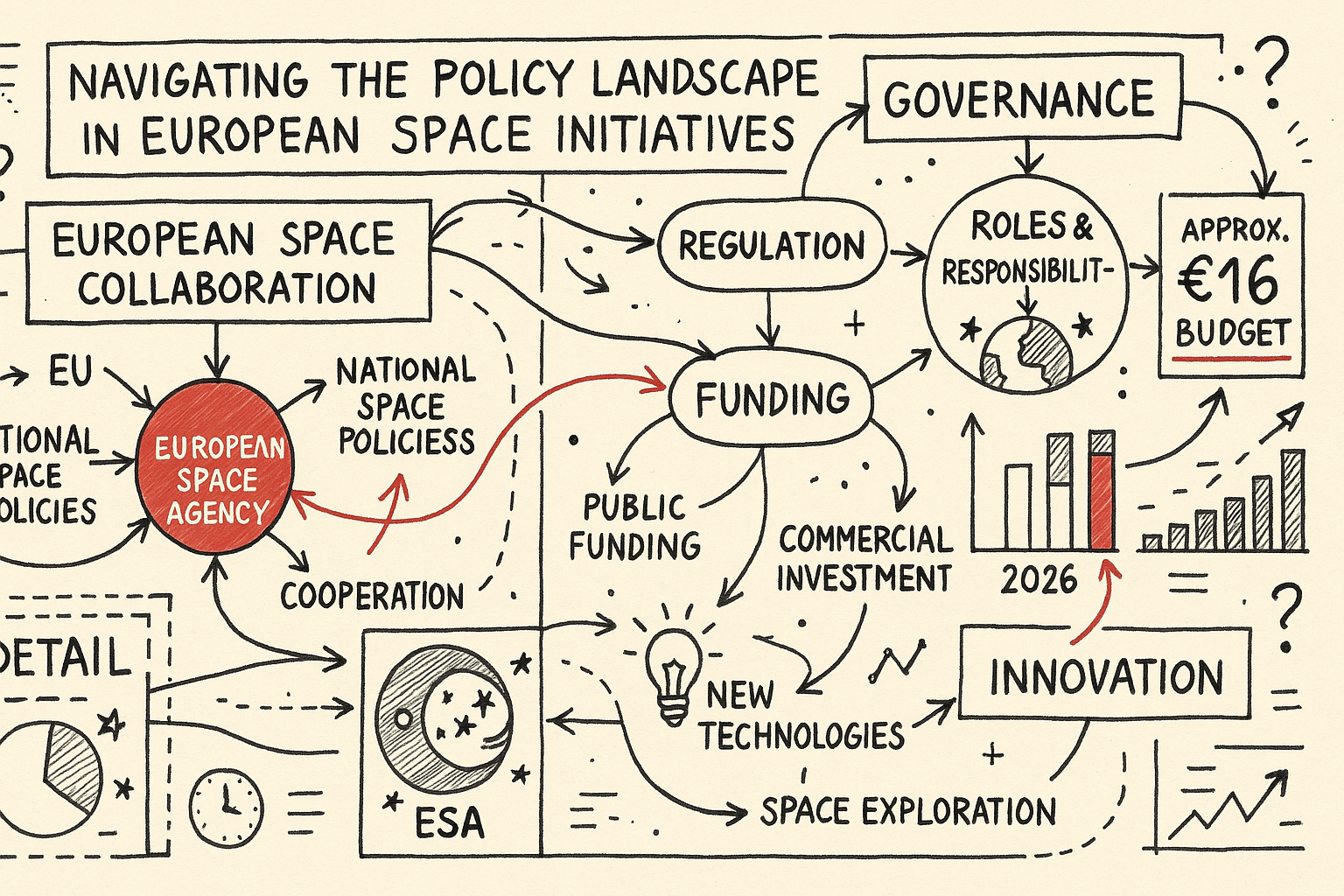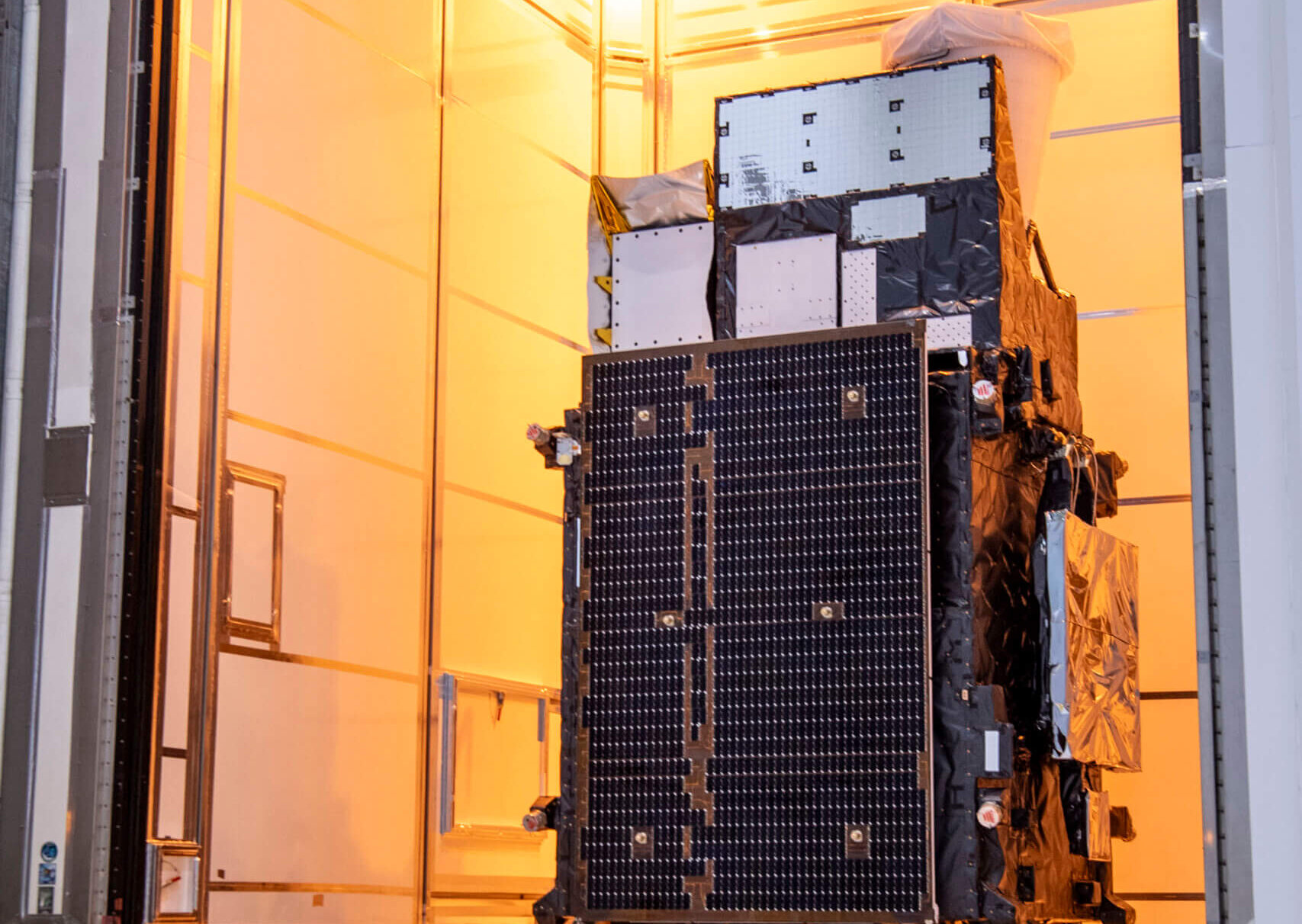
Space Forge, a pioneering company in the field of orbital manufacturing, has recently secured a significant financial investment to advance its innovative technologies. The £10 million ($13.4 million) funding comes from the European Space Agency’s (ESA) General Support Technology Programme, with contributions from the UK's own UK Space Agency (UKSA). This strategic investment aims to bolster Space Forge’s mission to revolutionize manufacturing processes by taking them to space.
The investment underscores the growing interest in utilizing the unique conditions of space—such as microgravity, vacuum, and extreme temperatures—to manufacture materials that cannot be easily produced on Earth. Space Forge plans to leverage these conditions to create higher-performance materials with potentially transformative applications in various industries, including medicine, electronics, and energy.
Space Forge has been at the forefront of this burgeoning field, focusing on developing technologies that enable the sustainable and cost-effective production of advanced materials in orbit. The company's approach involves returning these materials to Earth, where they can be integrated into existing supply chains, thereby enhancing the performance of products and reducing the environmental impact associated with traditional manufacturing methods.
This recent funding injection is a testament to the company’s innovative approach and the confidence that major space agencies place in its potential. The support from ESA and UKSA comes as part of broader efforts to position Europe and the UK as leaders in the next phase of space exploration and industrialization. By investing in cutting-edge technologies like those developed by Space Forge, these agencies aim to create new economic opportunities and foster technological advancements that extend beyond the space sector.
Historically, space exploration and technology development have been largely driven by government and military initiatives. However, the current era is characterized by a shift towards commercial space ventures, with private companies playing an increasingly significant role. Space Forge exemplifies this trend, as it seeks to capitalize on the commercial opportunities presented by the unique environment of space. This approach aligns with a broader trend of public-private partnerships in the space industry, which aim to combine the strengths of governmental support with the innovation and agility of the private sector.
The implications of successful orbital manufacturing extend far beyond the space industry itself. By producing materials that are difficult or impossible to manufacture on Earth, companies like Space Forge could unlock new possibilities in fields as diverse as healthcare, where novel materials could lead to improved medical devices and treatments, and electronics, where enhanced materials could result in more efficient and durable components.
Looking ahead, the investment from ESA and UKSA is expected to accelerate the development of Space Forge's technologies and bring them closer to operational deployment. As these technologies mature, they could significantly impact both the space economy and terrestrial industries, highlighting the interconnected nature of advancements in space and their potential to drive innovation across multiple sectors.
In conclusion, the £10 million investment in Space Forge is more than just a financial boost; it is a crucial step towards realizing the potential of space as a new frontier for manufacturing. As the company continues to develop and refine its technologies, the prospect of manufacturing in space becomes increasingly tangible, promising a new era of industrial capability that could reshape the future of manufacturing on Earth.