Open Cosmos, a British company specializing in small satellites, is at a pivotal juncture as it seeks an extension for deploying its planned sovereign broadband constellation for Europe. This initiative, which aims to enhance European digital sovereignty and connectivity, has encountered a significant hurdle due to launch-related issues. As the company navigates these challenges, the implications for European space ambitions and digital infrastructure are profound.
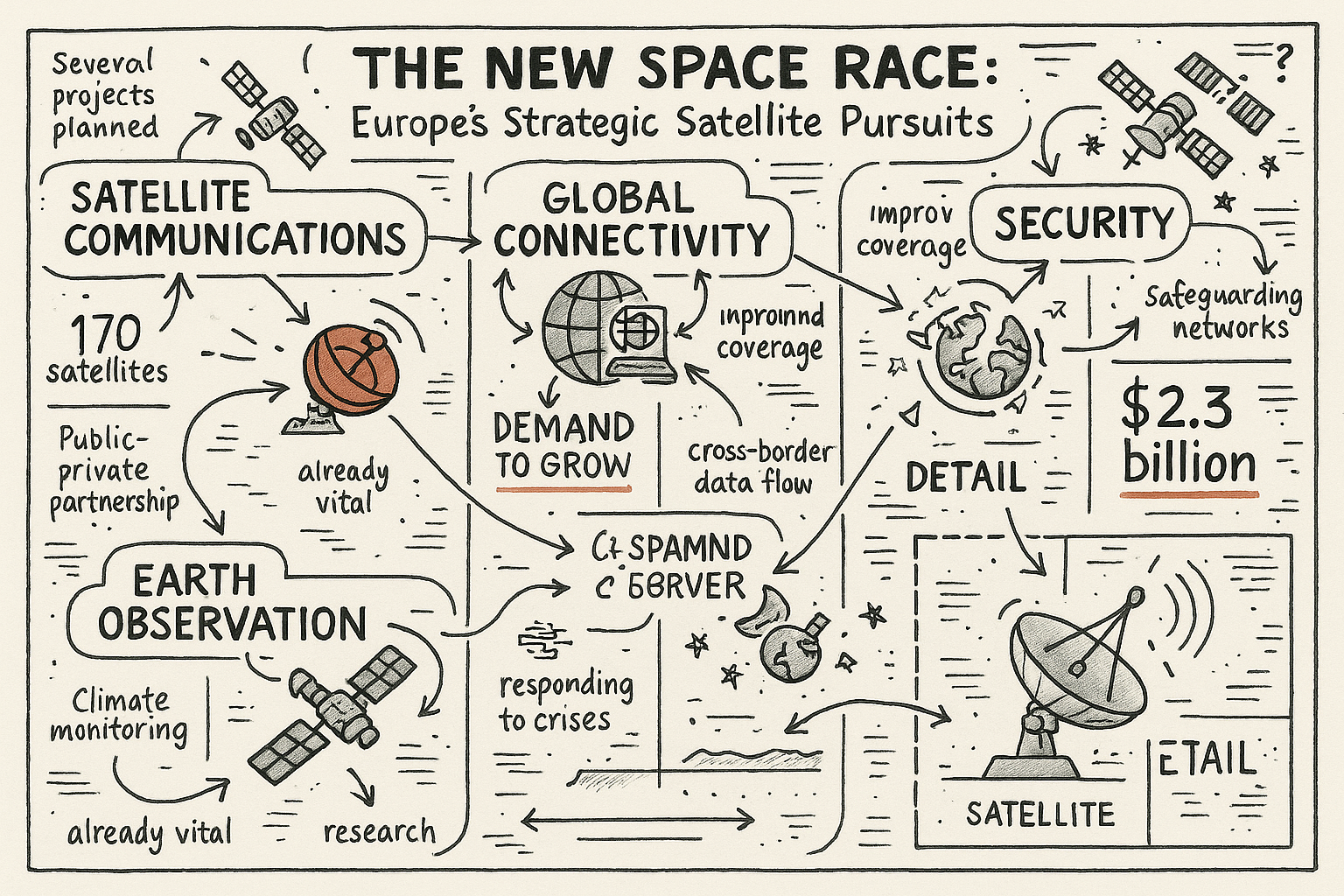
The proposal from Open Cosmos to establish a broadband constellation represents a critical step towards bolstering Europe's presence in the increasingly competitive satellite internet market. This sector has seen rapid growth and significant investments from global players, highlighting the strategic importance of maintaining a robust and independent technological infrastructure.
Open Cosmos's ambition to create a sovereign broadband network is rooted in ensuring that Europe can rely on its own resources for digital connectivity, reducing reliance on non-European entities. This goal aligns with broader European Union (EU) objectives to enhance digital resilience and autonomy in critical technology sectors.
However, the deployment of this constellation has been hampered by unforeseen complications in securing timely launches. The intricacies of satellite launches are well-documented, involving coordination with launch providers, regulatory compliance, and precise timing to ensure optimal satellite placement. Any delays can ripple through the entire project timeline, affecting cost and operational efficiency. Open Cosmos now seeks an extension to their original deadline, a move that underscores the unpredictable nature of space missions.
The delay in launch plans can have several consequences. For one, it may impact the financial outlook for Open Cosmos, as extended timelines often lead to increased costs. Furthermore, the delay could influence the competitive dynamics within the satellite broadband market, where timely deployment is crucial to capturing market share and securing partnerships.
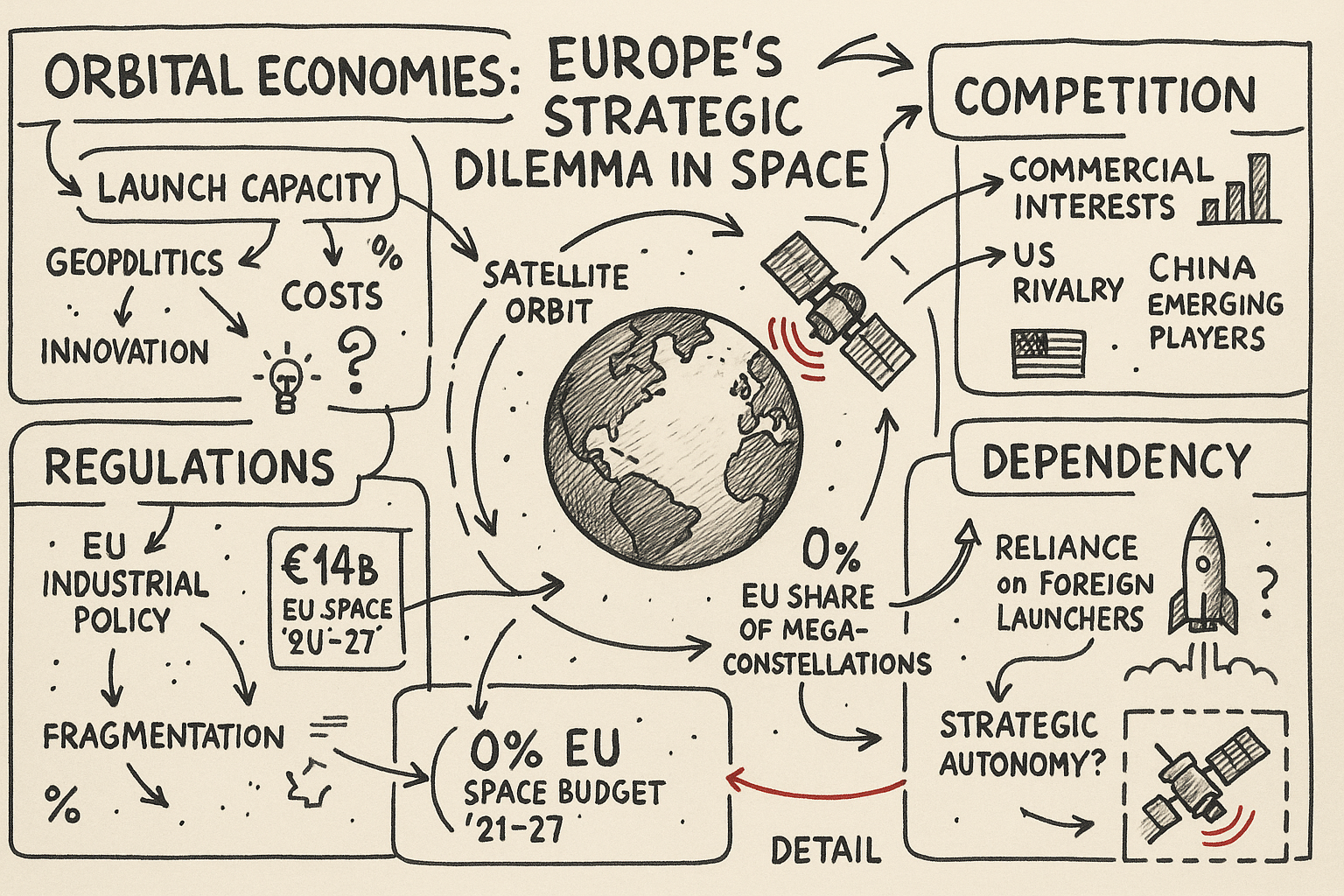
This situation also brings to light the broader challenges faced by the European space sector. While Europe has made significant strides in satellite technology and space exploration, the region continues to face logistical and regulatory hurdles that can impede swift progress. The push for independent European capabilities is a strategic imperative, particularly in the context of global technological competition.
Looking ahead, the outcome of Open Cosmos's request for an extension will be closely watched by stakeholders across the space industry. If granted, the additional time could provide the company with the necessary leeway to address the launch challenges and effectively roll out their constellation. This would not only bolster Europe's digital infrastructure but also reinforce its position in the global space economy.
In the context of future developments, the situation with Open Cosmos highlights the importance of resilience and adaptability in space endeavors. As the industry grows, the ability to navigate unexpected setbacks will be crucial for the success of ambitious projects. Moreover, this case underscores the need for continued investments in European space capabilities to ensure that the region can meet its strategic objectives in the coming years.
Ultimately, the story of Open Cosmos's broadband constellation is a testament to the complexities and challenges inherent in the space sector. As the company works to overcome these hurdles, the lessons learned will likely inform future projects, contributing to the ongoing evolution of the European space landscape.