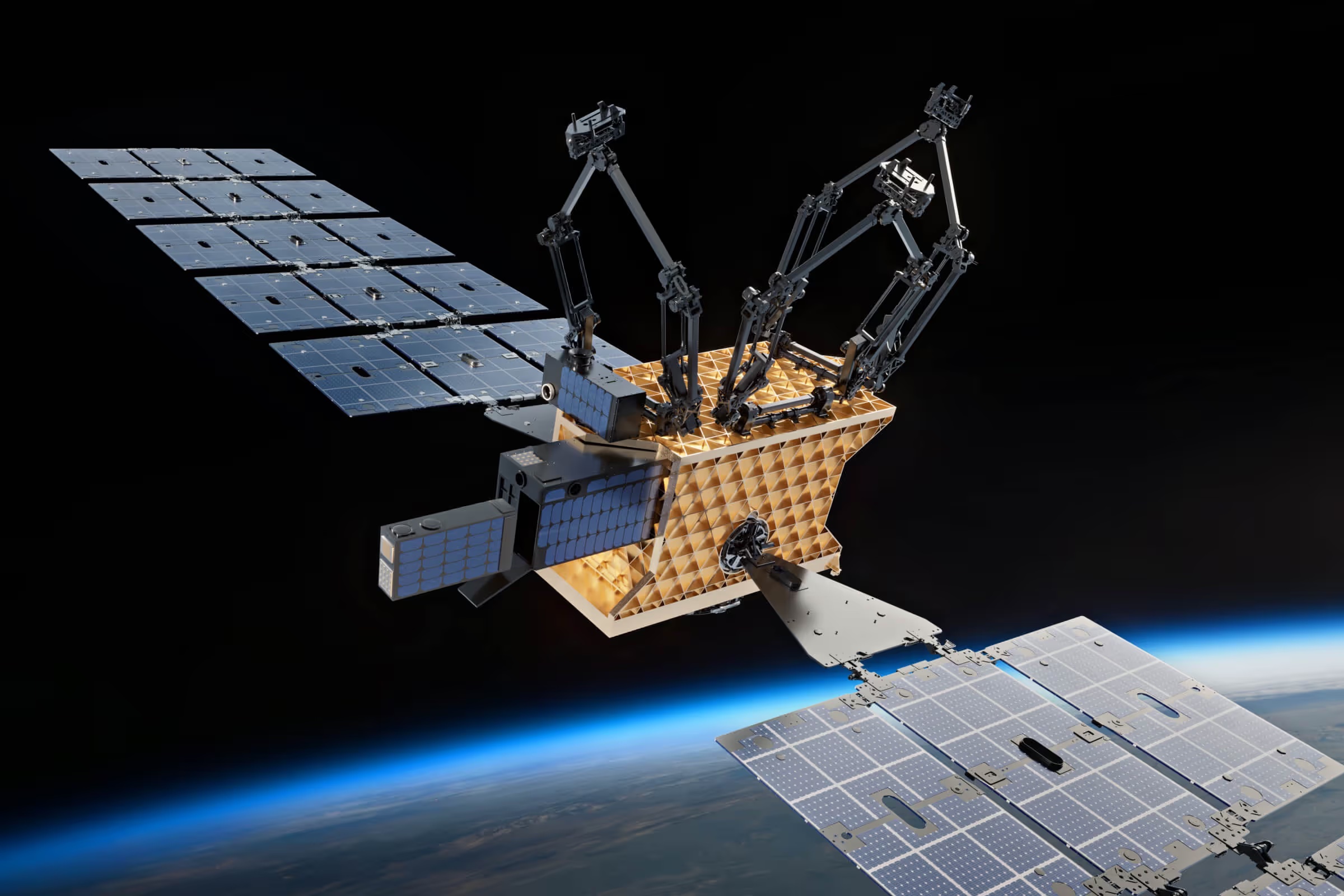
Katalyst Space Technologies, a forward-thinking satellite servicing startup, has recently secured $12 million in funding to advance its geosynchronous orbit (GEO) demonstration mission. This funding marks a pivotal moment for the company as it prepares to launch a mission aimed at boosting the orbit of a NASA observatory. The company's efforts underscore the growing interest and investment in satellite servicing, a field poised to transform the maintenance and operational efficiency of satellites in orbit.
Satellite servicing involves the repair, refueling, upgrading, or repositioning of satellites already in orbit. The technology promises to extend the lifespan of satellites, optimize their operational capabilities, and potentially reduce the cost and frequency of launching new satellites. As such, the successful deployment of satellite servicing missions could revolutionize the way space assets are managed.
The $12 million funding round reflects a strong vote of confidence from investors in Katalyst Space's innovative approach to satellite servicing. The funds will be utilized to support a demonstration mission in geosynchronous orbit, a region approximately 36,000 kilometers above Earth's equator where satellites orbit at the same rate as the Earth's rotation. This allows them to remain over the same spot on Earth, making them ideal for telecommunications, weather monitoring, and other applications.
One of the key objectives of Katalyst Space's upcoming mission is to demonstrate the capability to boost the orbit of existing satellites. This involves using the company's proprietary technology to increase a satellite's altitude, effectively extending its operational life. The mission is particularly timely as the demand for satellite bandwidth continues to grow, driven by the proliferation of internet services, global communications, and data acquisition needs.
The planned mission also aligns with NASA's broader goals of advancing space technology and enabling more sustainable space operations. By working closely with NASA, Katalyst Space is positioned to contribute valuable insights and technological advancements to the field of space servicing. The collaboration highlights the importance of public-private partnerships in advancing space exploration and technology development.
Katalyst Space's initiative is part of a broader trend in the aerospace industry, where companies are increasingly exploring innovative solutions to enhance the efficiency of space operations. The ability to service satellites in orbit could lead to significant cost savings, reduce space debris, and improve the resilience and adaptability of space infrastructure.
The implications of successful GEO servicing missions extend beyond immediate financial benefits. By extending the life of satellites and reducing the need for replacements, satellite servicing could lead to a more sustainable approach to space activities. This is particularly important as the number of satellites in orbit continues to increase, raising concerns about congestion and debris.
Looking ahead, the success of Katalyst Space's mission could pave the way for more advanced servicing operations, including the assembly of large structures in orbit and the recycling of materials from decommissioned satellites. These capabilities are essential for the future of space exploration, including potential missions to the Moon, Mars, and beyond.
In conclusion, Katalyst Space's recent funding success and upcoming GEO servicing demonstration represent a significant advancement in the field of satellite servicing. As the company prepares to launch its mission, the world will be watching closely to see how these efforts can reshape the future of space operations. The potential for extending satellite lifespans, reducing costs, and enhancing sustainability in space activities offers a promising glimpse into the future of space exploration and technology.