In a move that has sparked renewed debates about the value of international collaboration in space initiatives, Switzerland has opted not to participate in the European Union's Copernicus Earth observation program for the upcoming 2028-2034 funding cycle. This decision marks a significant shift in the landscape of European Earth observation projects, as Copernicus has been a cornerstone of the EU's efforts to monitor environmental changes, manage natural disasters, and support climate change adaptation strategies.
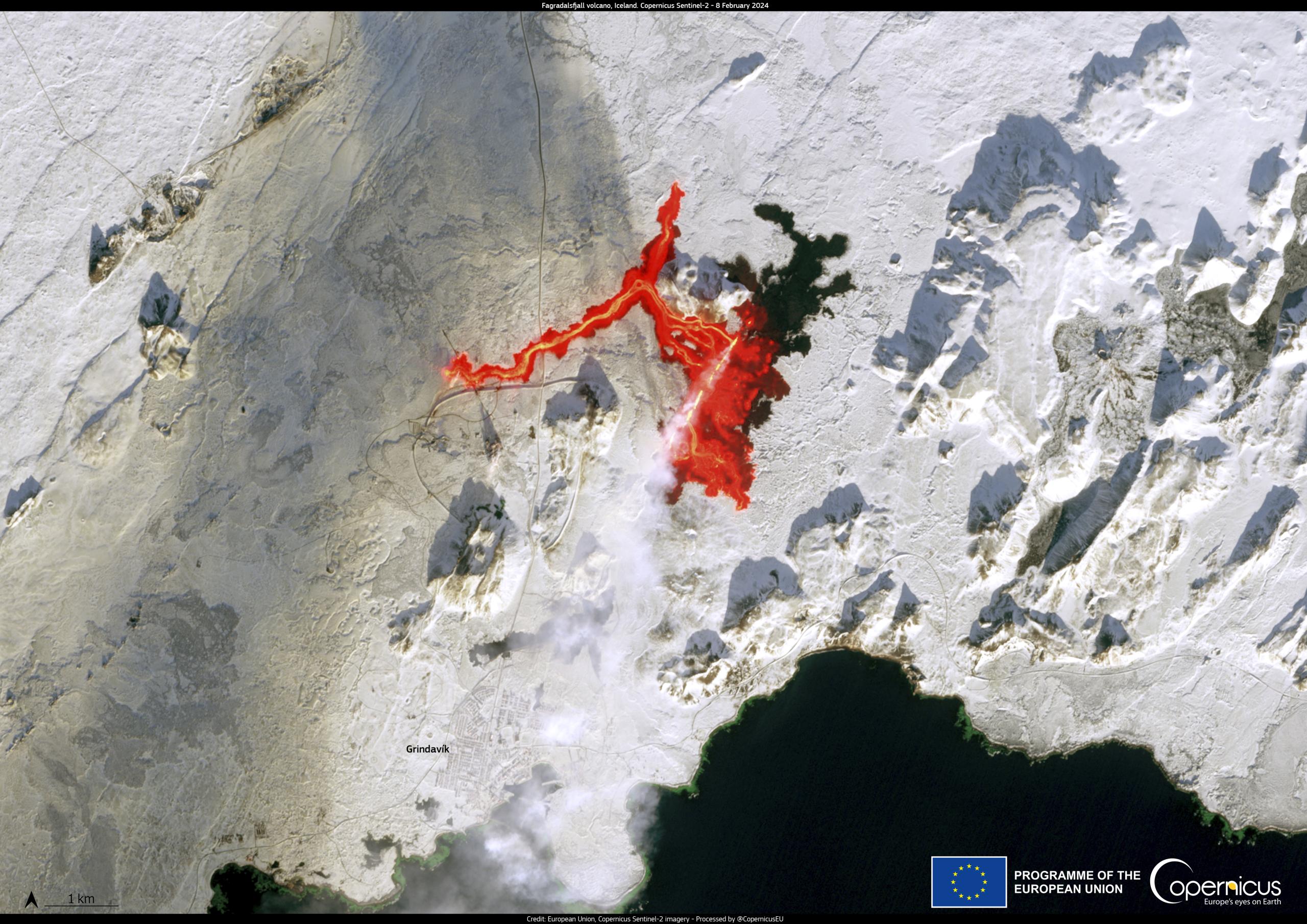
The Copernicus program, widely recognized for its comprehensive Earth observation capabilities, has played a crucial role in providing high-quality, timely data that is essential for a vast array of applications. These range from agricultural monitoring and urban planning to disaster risk management and climate science. By leveraging a constellation of satellites, Copernicus delivers critical insights that aid in the understanding and management of environmental challenges.
Switzerland's decision not to participate in the next funding cycle raises questions about the program's value model and the benefits of contributing to such large-scale, multinational projects. The Swiss government has not publicly detailed the reasons behind its decision, but it has prompted discussions within the European space community about the cost-benefit dynamics of participating in initiatives like Copernicus.
This development comes at a time when the Copernicus program is preparing to expand its capabilities and further enhance its data offerings. The program is set to introduce new satellite missions that will improve the monitoring of specific environmental parameters, such as carbon emissions and land surface temperatures, which are critical for understanding and mitigating climate change impacts.
Historically, Copernicus has been lauded for its open data policy, which ensures that its datasets are freely accessible to users worldwide. This open-access model has facilitated a wide range of scientific research and commercial applications, underscoring the program's global impact. However, the costs associated with maintaining and expanding such an ambitious program remain substantial, necessitating careful deliberation by potential contributors.
For Switzerland, which has been an active participant in European space efforts, the decision to step back from Copernicus may reflect broader strategic considerations concerning national priorities and budget allocations. As space agencies and governments face increasing pressure to justify expenditures, the emphasis on clear, demonstrable benefits from participation in multinational programs has intensified.
The Swiss decision also underscores the challenges faced by the European Union in maintaining cohesion and commitment among its member and partner states for large-scale space projects. As the EU continues to advance its space policy and expand its strategic autonomy in space, securing broad-based support for initiatives like Copernicus becomes increasingly important.
Looking ahead, the implications of Switzerland's withdrawal from Copernicus could reverberate beyond the immediate funding cycle. It may influence other countries' decisions regarding participation and investment in European space initiatives. The situation highlights the need for robust dialogues within the European space community to address concerns and ensure continued collaboration in addressing global environmental challenges.
As the world confronts the pressing realities of climate change and environmental degradation, the role of comprehensive Earth observation programs becomes more crucial than ever. Ensuring that such programs are supported by a broad coalition of stakeholders is vital to their success and the sustainable management of Earth's resources.