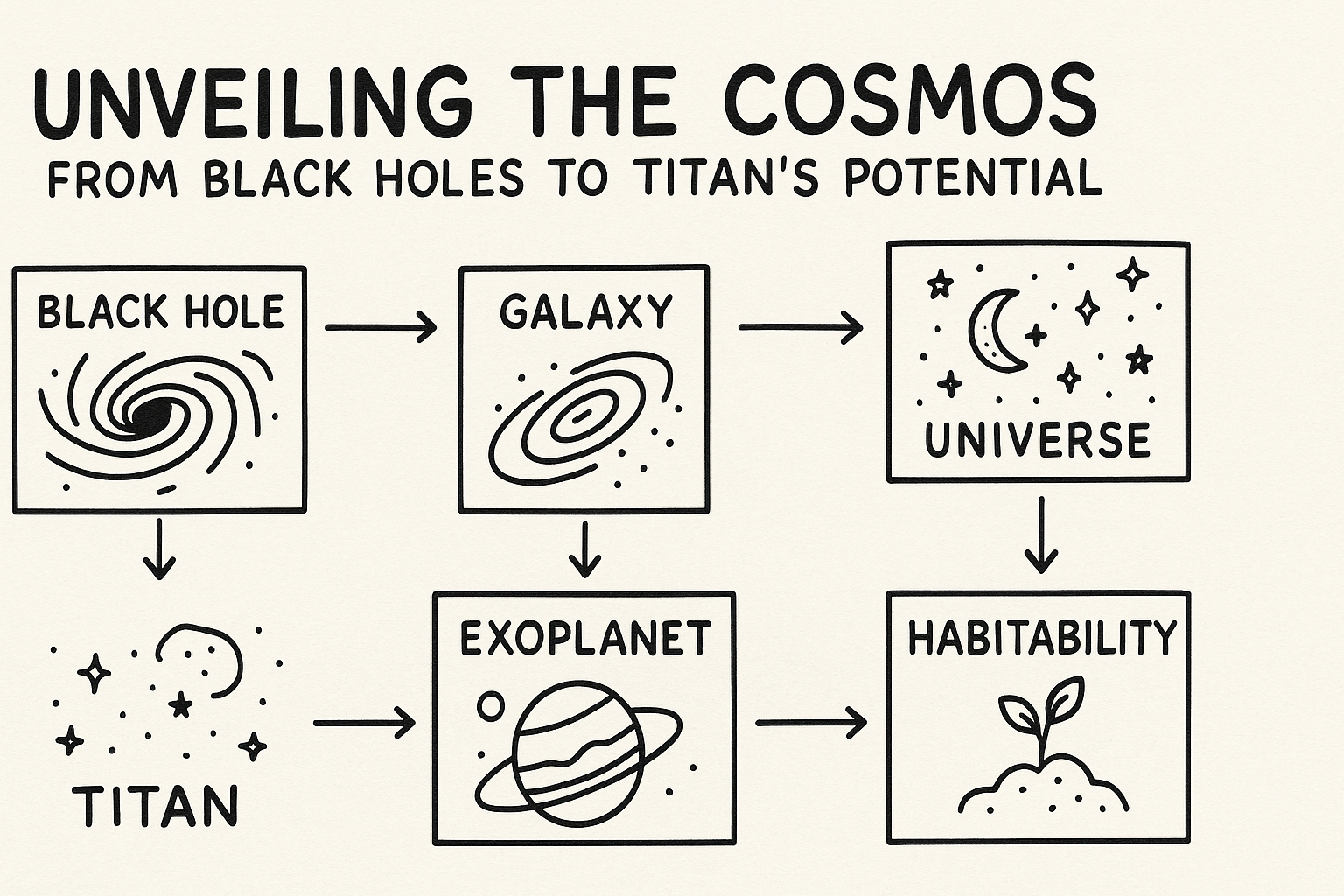
The universe continues to unfold its mysteries, offering tantalizing glimpses into its depths and complexities. Recent developments in space science have provided us with intriguing insights, from celestial events like the Moon covering Venus to groundbreaking findings about black holes and the spin of our galaxy.
The Cloaked Titans of the Universe
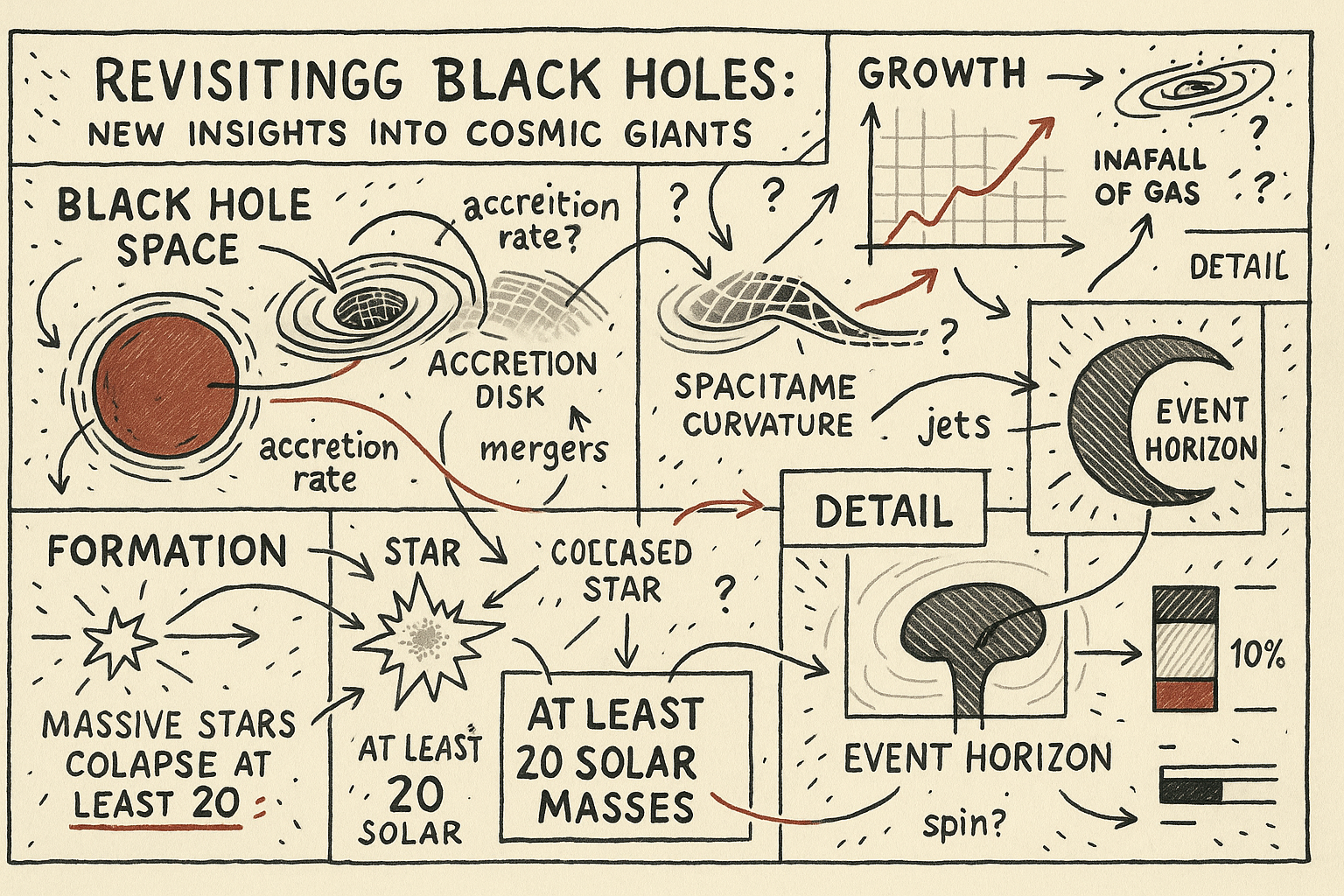
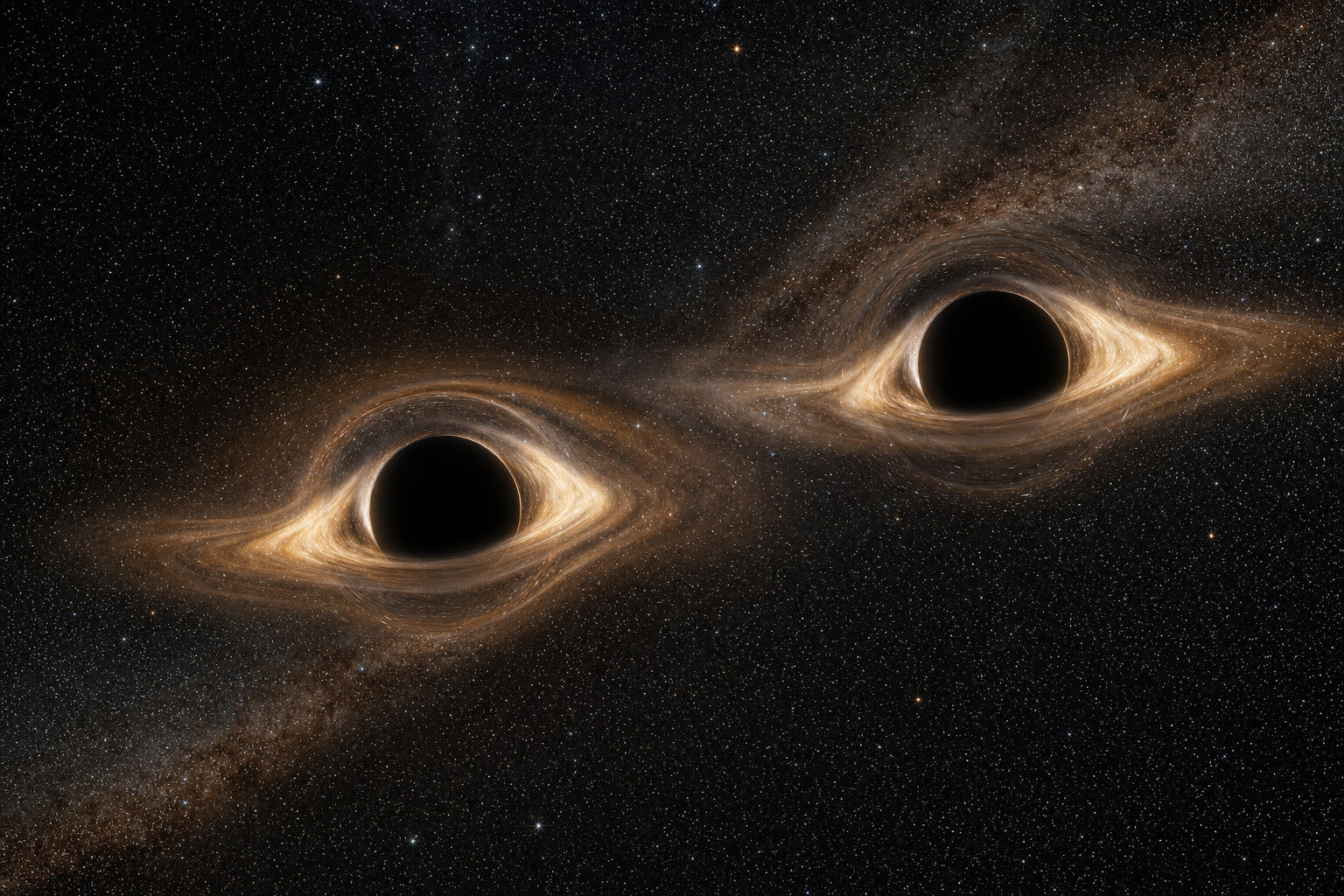
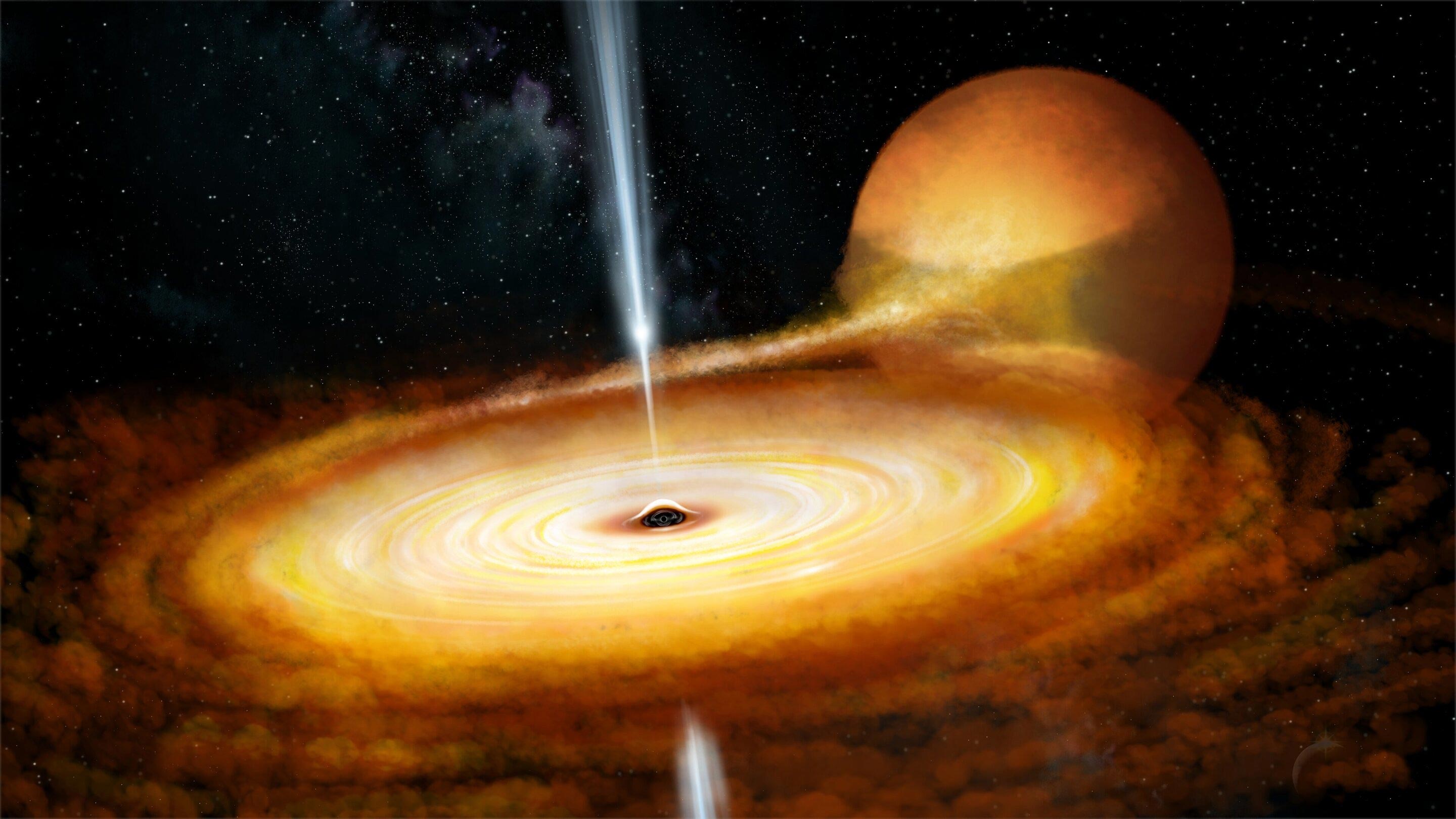
One of the most fascinating discoveries is the identification of 'little red dots' as cocooned black holes, hidden within dense gas clouds yet visible through infrared light. Initially, these enigmatic entities puzzled astronomers, challenging existing cosmological models. The James Webb Space Telescope has now confirmed that these are supermassive black holes, offering a new perspective on how these celestial giants evolve in the early universe. This revelation not only deepens our understanding of black hole formation but also suggests that the universe's infancy was more dynamic and chaotic than previously thought.
Titan's Untapped Potential
Meanwhile, a NASA-supported study has highlighted Titan, Saturn's largest moon, as a prime candidate for future human exploration and settlement. Unlike the Moon or Mars, Titan possesses a rich resource base, including hydrocarbons and subsurface water, making it uniquely suited for in-situ resource utilization (ISRU). This potential positions Titan as a pivotal location for expanding human presence beyond Earth, particularly given the ongoing search for viable extraterrestrial habitats.
Echoes from the Past: Hubble's Legacy
As we look to the future, it's essential to reflect on the legacy of past achievements. The Hubble Space Telescope's Deep Field imaging remains a cornerstone of astronomical research. Since its first image in 1995, Hubble has continued to inspire generations, offering profound insights into the universe's vast expanse and history. Recent releases of new deep field images continue to expand our cosmic horizon, reinforcing the importance of sustained investment in space telescopes.
The Hum of the Milky Way
Adding to these discoveries, a new study has detected the Milky Way's spin hidden within the hum of gravitational waves. Traditionally associated with catastrophic events, these waves also carry a quieter, persistent signal from our galaxy's binary stars. This hum provides crucial information about the Milky Way's rotational dynamics, enhancing our understanding of galactic evolution. Ignoring these subtle signals in future missions could lead to a skewed perception of our galaxy's structure and behavior.
The Broader Implications
These revelations have broad implications for our understanding of the universe and our place within it. The discovery of cocooned black holes challenges current models of the universe's early structure, while Titan's rich resources offer a tangible path for human expansion. The enduring value of Hubble's contributions underscores the need for future missions that can continue to push the boundaries of what we know.
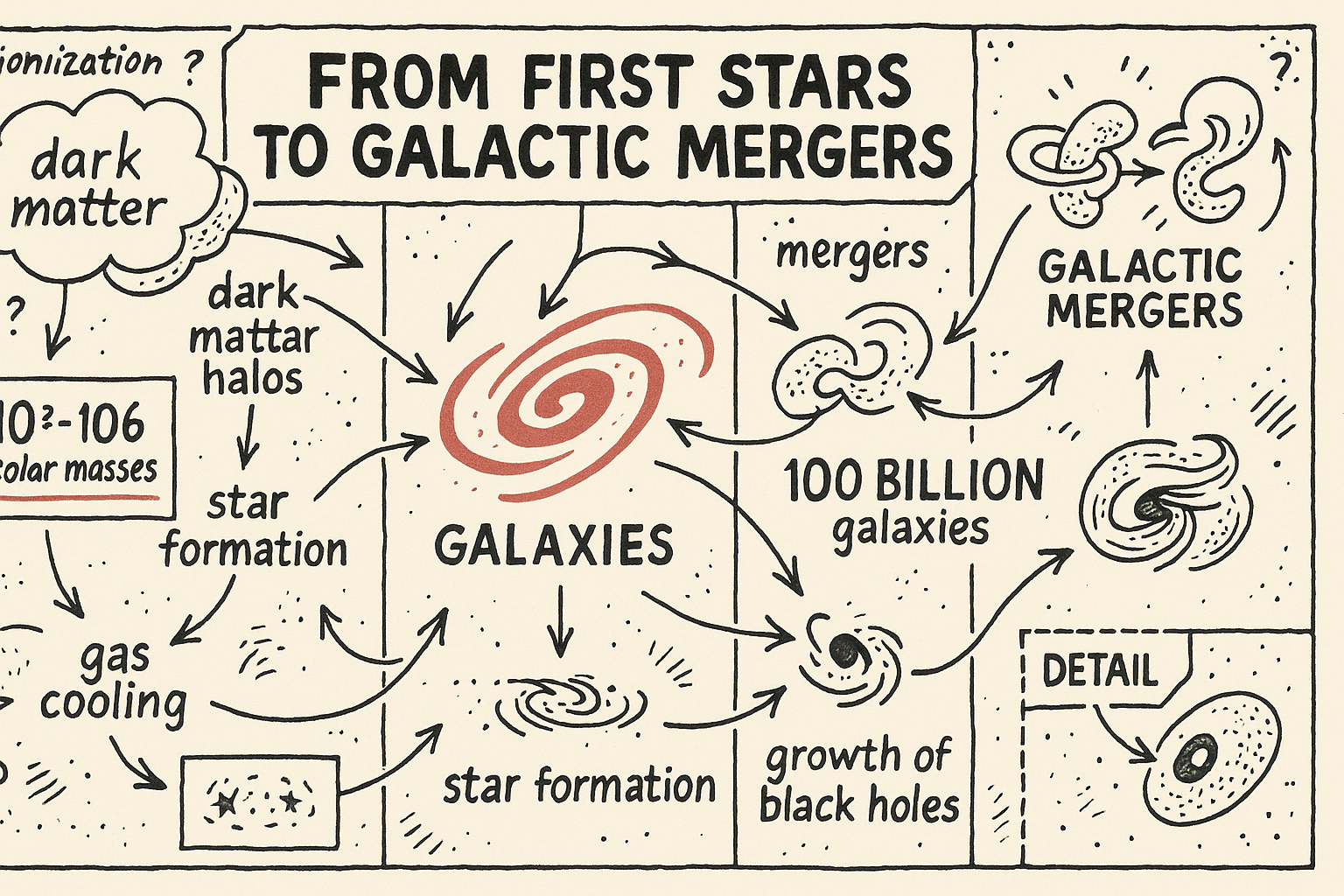
Furthermore, the detection of the Milky Way's spin through gravitational waves opens up new avenues for research, potentially leading to more refined models of galactic formation and behavior. As we continue to explore and understand our universe, these insights remind us of the intricate tapestry of forces and phenomena that shape our cosmic environment.
In conclusion, the latest findings in space science not only illuminate the vast unknowns of the universe but also highlight the interconnectedness of celestial phenomena. As we stand on the brink of further exploration and discovery, these insights serve as a powerful reminder of the boundless possibilities that lie ahead.