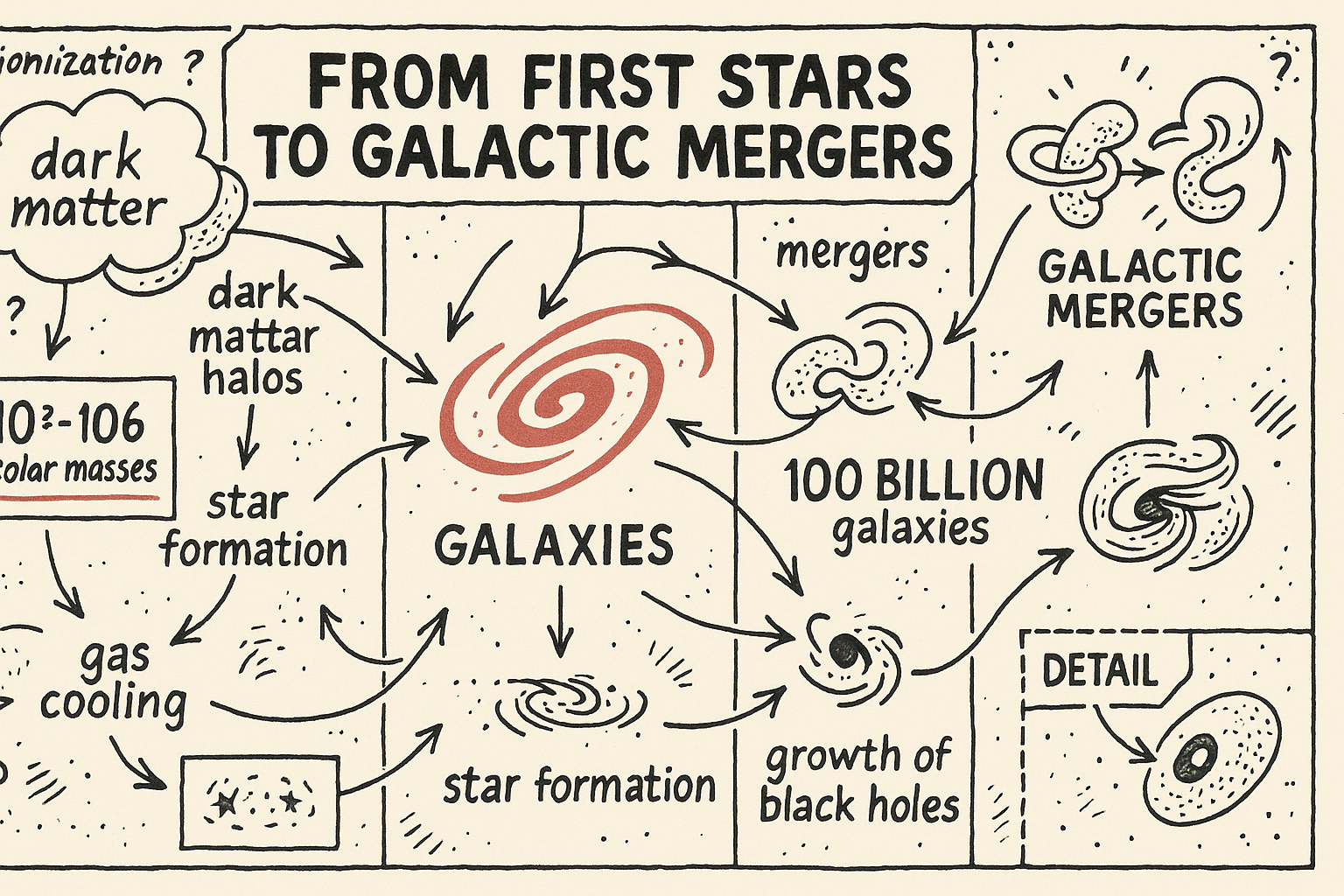
The universe, with its vast and complex history, continues to reveal secrets of its earliest moments through recent astronomical discoveries. Emerging data from advanced telescopes and detectors provide a more vivid picture of the universe's infancy, reshaping our understanding of cosmic evolution.
The Birth of Light: Population III Stars
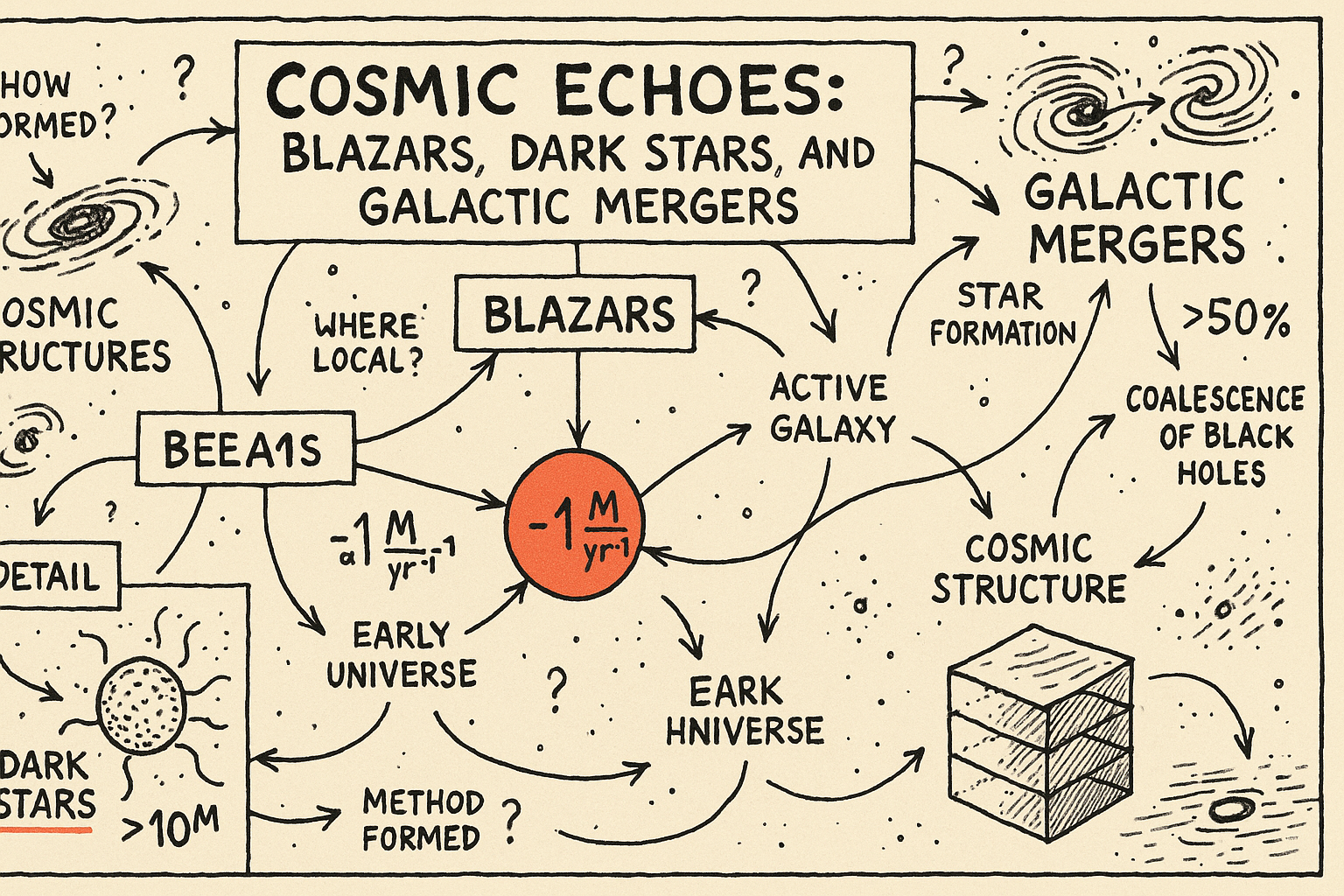
Central to this narrative are the elusive Population III (Pop III) stars. These primordial stars, formed from pristine hydrogen and helium, represent the universe's first luminous objects. Despite extensive searches, these stars remain undetected, yet their theoretical existence is crucial for understanding subsequent cosmic events. As highlighted by recent findings, these stars were massive and transient, marking the 'let there be light' moment of the universe.
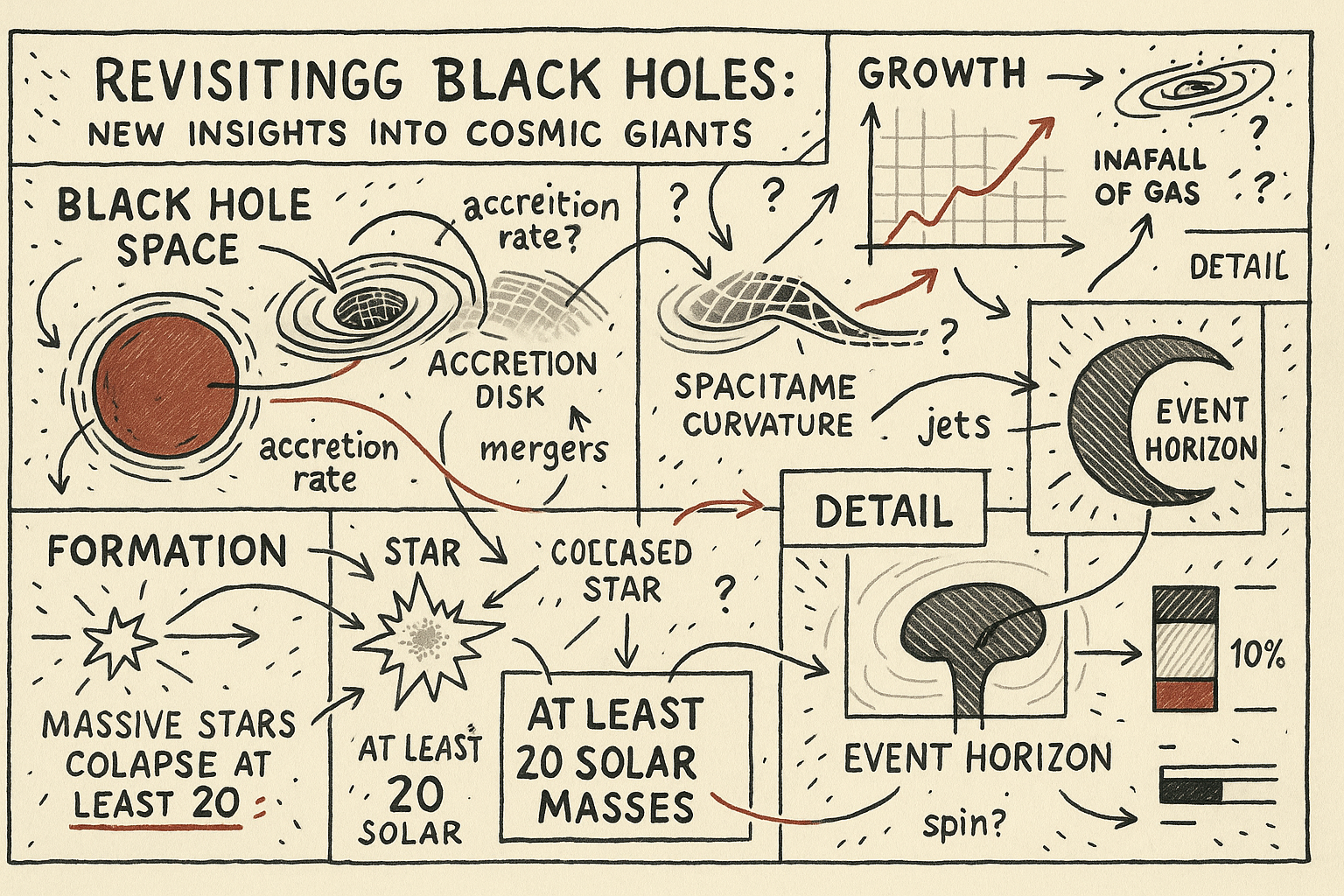
Surprisingly, we are on the cusp of possibly detecting relics of their existence through next-generation gravitational wave detectors. These instruments might soon capture signals from the remnants of these stars, providing unprecedented insights into the universe's formative stages.
Reionization: The Cosmic Renaissance
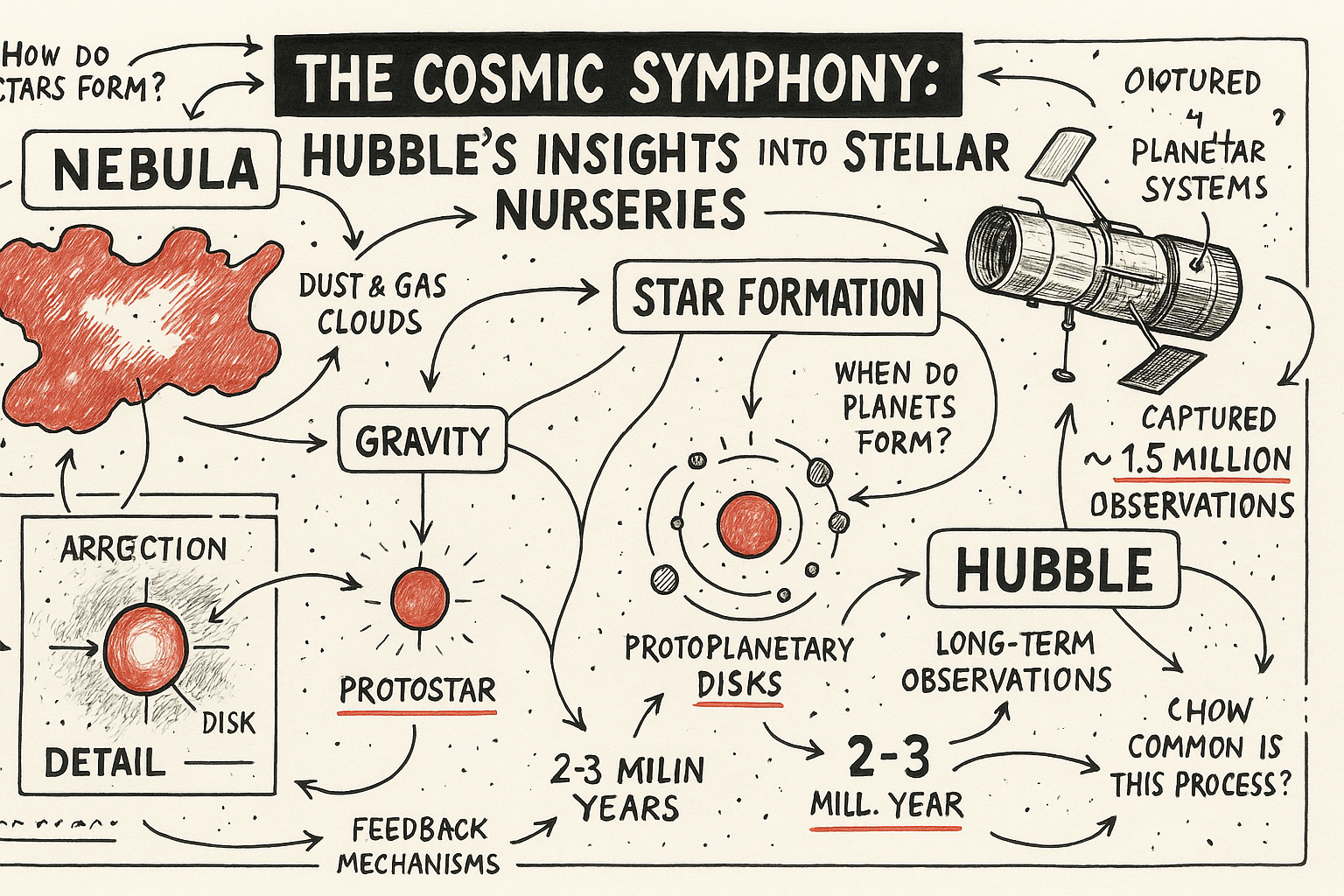
The discovery of dense galaxies carving out a bubble of reionization in the early universe, as reported by Universe Today, suggests a collaborative cosmic dance. This process, where the first stars and galaxies ionized the surrounding hydrogen gas, allowed light to travel freely across the cosmos, heralding a new era of clarity and observation.
Listening to the Universe's Whisper
Another groundbreaking development is the detection of faint radio signals from ancient hydrogen gas, a method described in Universe Today. This technique provides a novel approach to mapping the universe, offering clues about its structure and evolution over billions of years.
Confirming Big Bang Theories
Complementing these discoveries are new helium measurements, which affirm our understanding of conditions seconds after the Big Bang. These observations, as noted in recent studies, confirm long-standing theories about the universe's elemental composition, reinforcing the foundational principles of cosmology.
Galactic Mergers: A Milky Way Mystery Solved
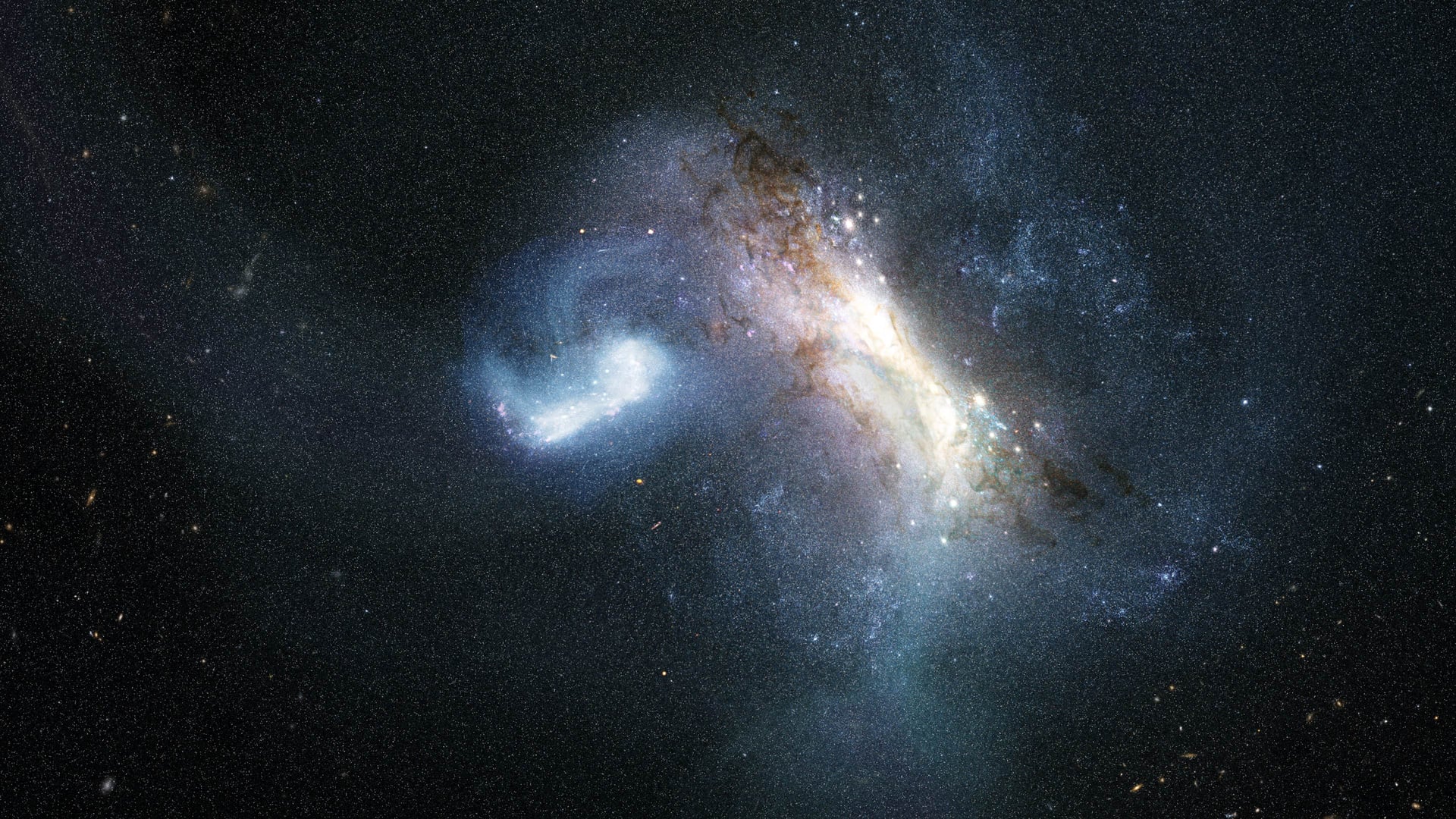
While much of our focus has been on the distant universe, the Hubble Space Telescope recently uncovered evidence of a dwarf galaxy merging with the young Milky Way. This event, occurring during the galaxy's formative years, provides a clearer picture of our own cosmic neighborhood's evolution and the role of galactic mergers in shaping galaxies.
The universe's story is one of continuous transformation, from the birth of the first stars to the complex structures we observe today. These discoveries not only improve our understanding of the past but also guide our exploration of cosmic frontiers.
Future Implications
As we develop more advanced observational tools, the potential to uncover further secrets of the universe increases. Future gravitational wave detections might finally reveal the elusive Pop III stars, while improved radio astronomy could map the universe's intricate web more precisely. Together, these advancements promise a deeper comprehension of the universe's origins and its ongoing evolution.