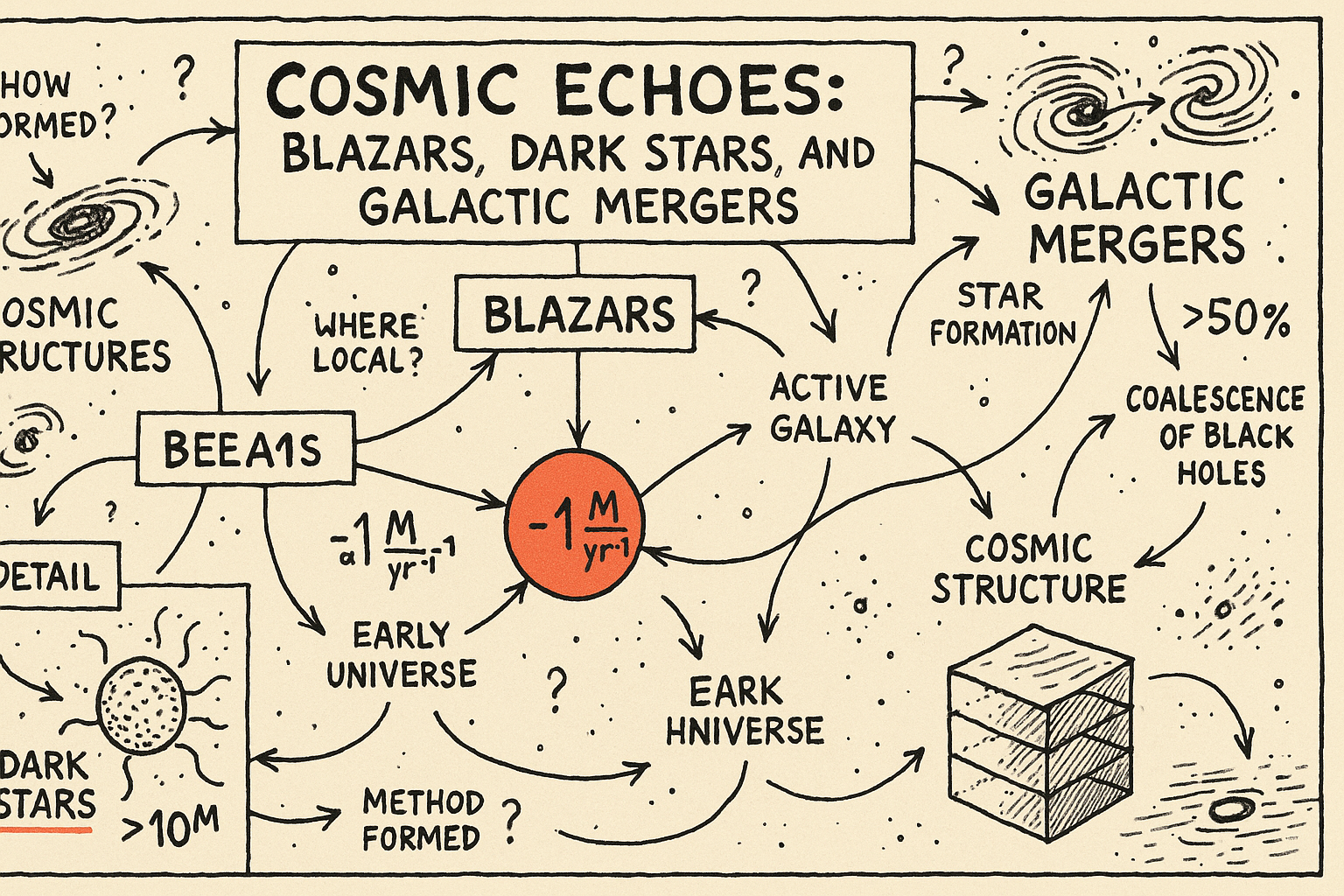
In recent weeks, the astronomy community has been abuzz with revelations that connect the distant past to the mysteries of the universe today. From the detection of the most distant blazar ever recorded to the gravitational echoes of ancient stars, these findings provide a deeper understanding of cosmic evolution.
The Distant Blazar OP 313
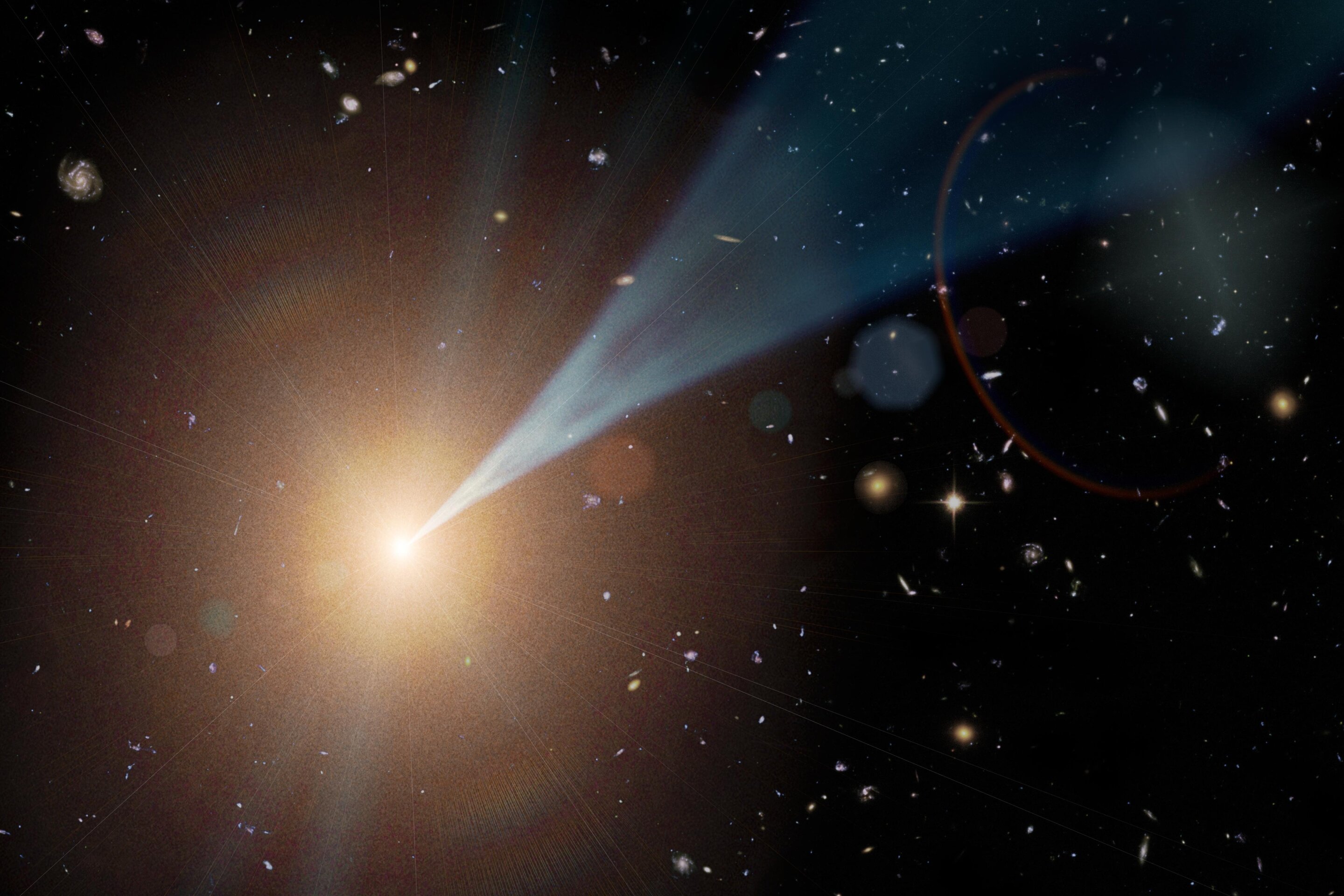
On August 15, the Large-Sized Telescope (LST-1) and MAGIC telescopes in La Palma, Spain, shattered records by observing OP 313, the most distant very-high-energy blazar to date. At approximately eight billion light-years away, this observation not only marks an astronomical milestone but also offers insights into the extragalactic background light, the electromagnetic radiation accumulated over the universe's history.
This accomplishment underscores the capability of modern telescopes to peer deeper into space than previously possible, effectively allowing us to look back in time. Such observations challenge our understanding of cosmic structures and their formation.
Gravitational Echoes from Dark Stars
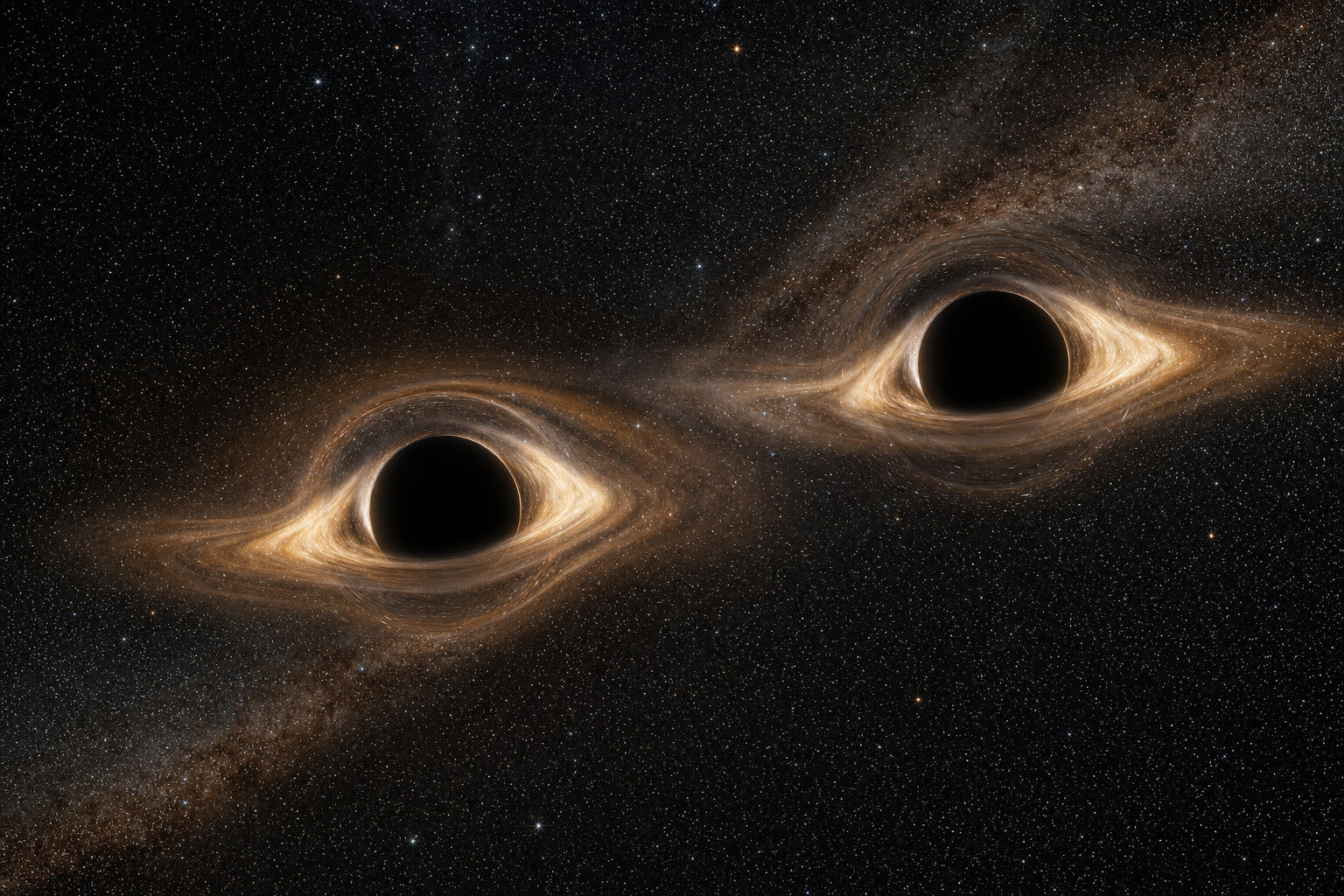
Simultaneously, a background of extremely low-frequency gravitational waves detected across the universe may be the echoes of 'Dark Stars,' ancient celestial bodies potentially responsible for the formation of supermassive black holes. These gravitational waves offer a new frontier in understanding the universe's infancy, over 13 billion years ago.
This detection is particularly exciting as it opens the possibility of studying the universe's early conditions using gravitational waves as a cosmic probe, much like light has been used for centuries.
Galactic Mergers in the Milky Way
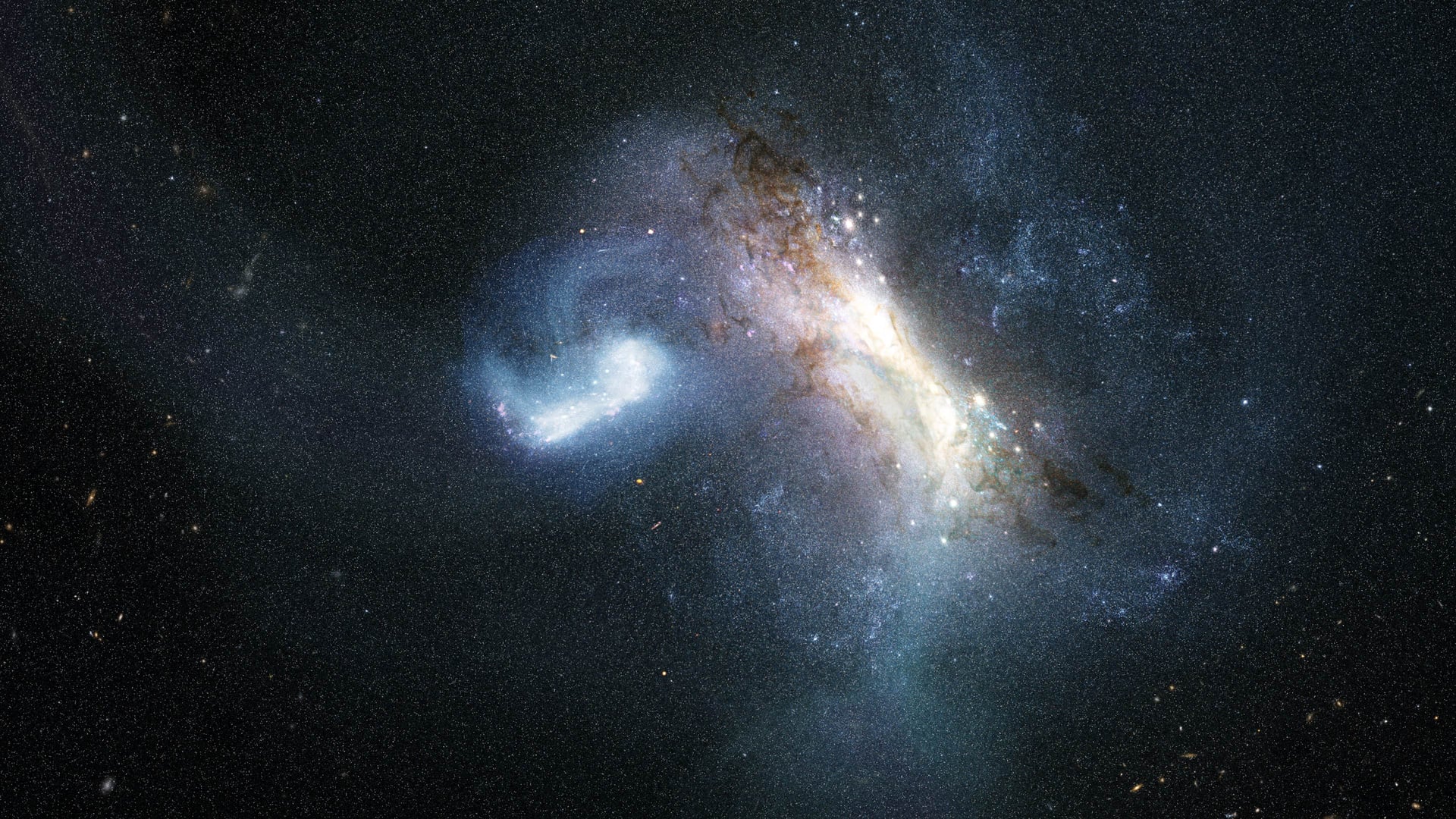
Closer to home, discoveries within our own Milky Way are changing our understanding of its history. Using globular clusters as cosmic timekeepers, astronomers have traced evidence of a galactic merger that occurred 1.8 billion years before the last known major event. This merger has left an indelible mark on the inner regions of our galaxy.
Additionally, the Hubble Space Telescope has uncovered traces of one of the earliest known mergers in the Milky Way, dating back about 11.8 billion years. These findings suggest that the history of our galaxy is more complex and dynamic than previously thought, shaped by a series of significant mergers over billions of years.
The Role of Dark Matter
In a related study, astronomers have discovered that the jet of a distant blazar has been gravitationally lensed by dark matter. This phenomenon not only supports the existence of dark matter but also suggests its significant role in shaping cosmic structures. The lensing effect could provide valuable clues about the production of cosmic neutrinos, elusive particles that hold keys to understanding the universe's most energetic processes.
These findings highlight the interconnectedness of cosmic phenomena and the role of dark matter as a fundamental yet mysterious component of the universe.
Connecting the Dots
What emerges from these discoveries is a picture of the universe as an intricate tapestry woven from the remnants of ancient cosmic events. The blazar OP 313 serves as a beacon, illuminating the path of light across billions of years. Dark Stars whisper tales of the universe's earliest days through gravitational waves, while galactic mergers reveal the dynamic history of the Milky Way.
These insights challenge our preconceptions and invite us to rethink the universe's evolution. They prompt us to consider the profound impact of seemingly isolated events on the cosmic scale, and how ancient occurrences continue to influence the present.
Looking Forward
As technology advances, the ability to observe and interpret these cosmic phenomena will only improve. Future observations will likely unveil even more about our universe's past, offering clues to its future. With each discovery, we move closer to understanding the complex narrative of the cosmos.