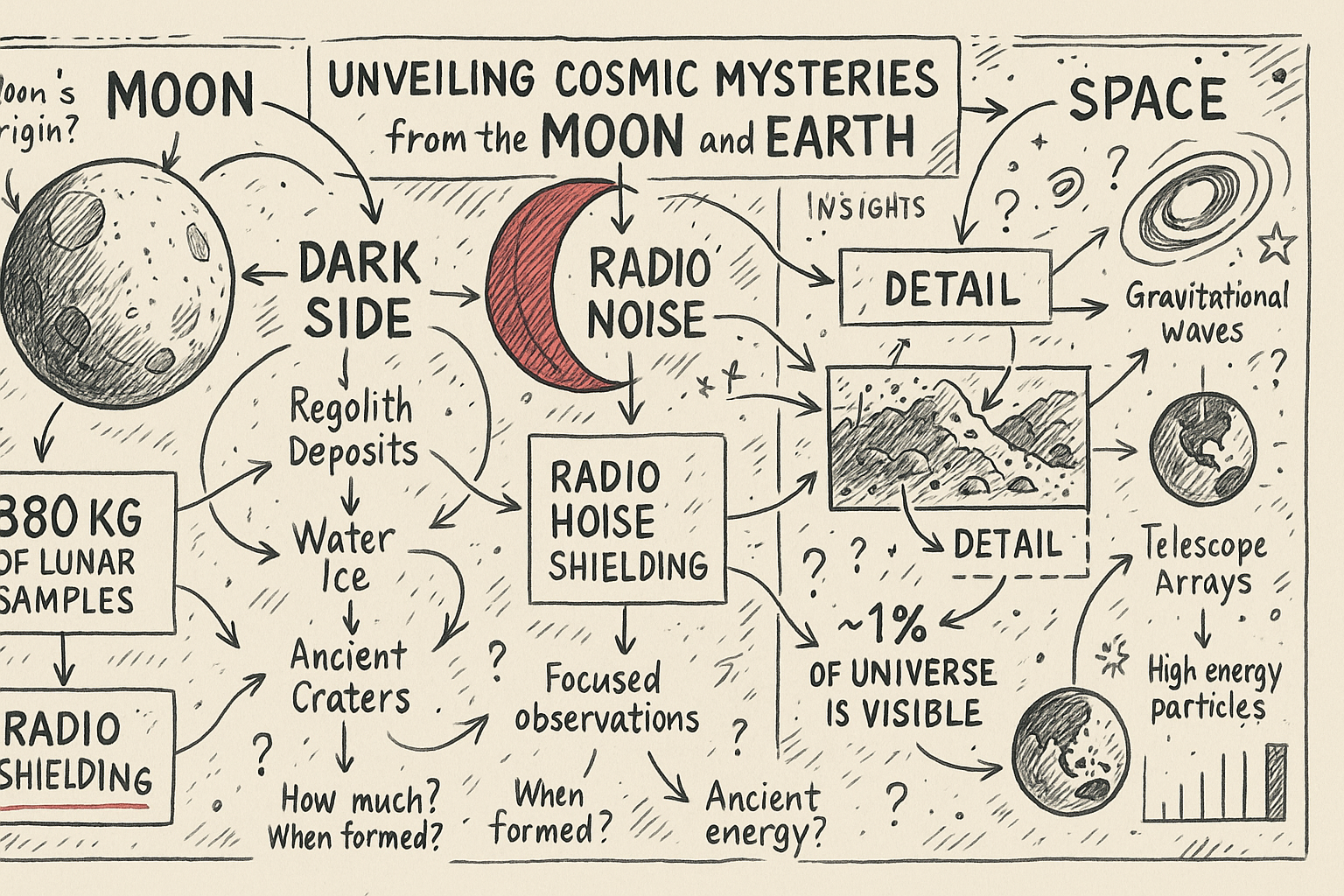
Humanity's quest to understand the universe is reaching new heights, as recent advances leverage both the dark side of the moon and the Earth's own magnetic field to explore cosmic phenomena. These efforts, marked by ingenuity and a touch of audacity, aim to unravel mysteries from the universe's infancy to the elusive nature of dark matter.
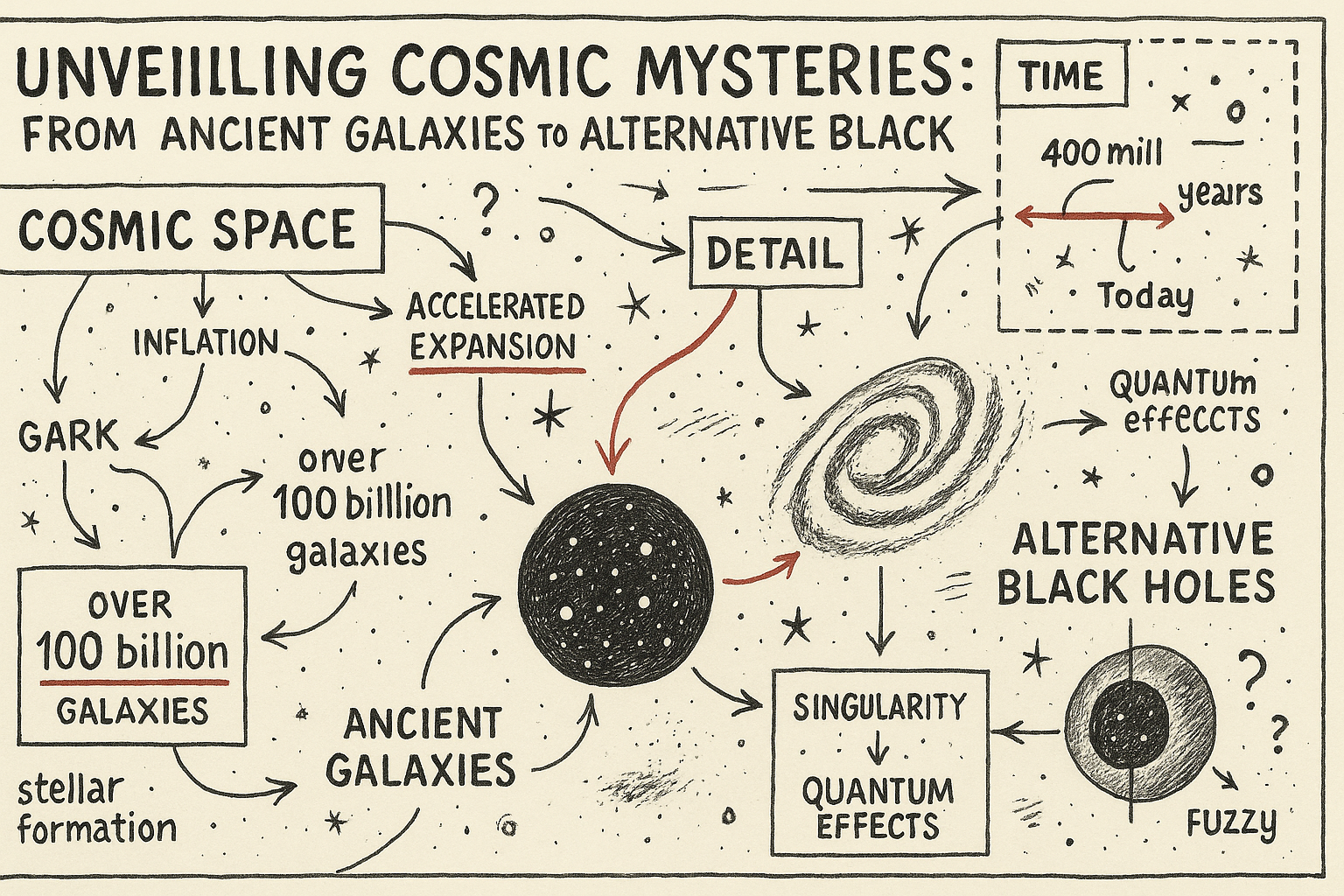
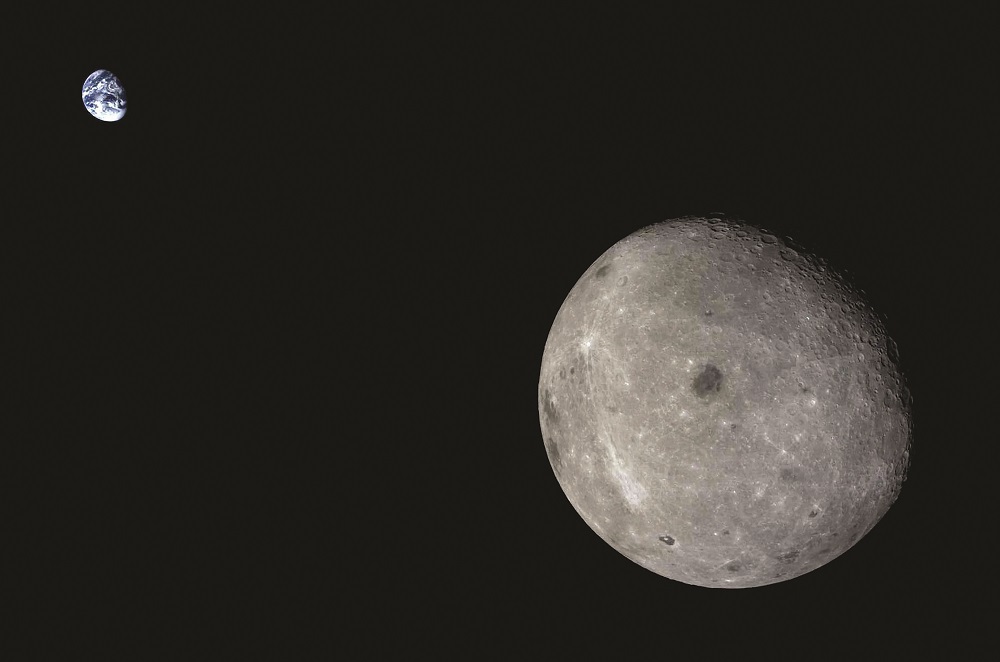
The moon, long a symbol of mystery and inspiration, is being reimagined as a cosmic observatory. A UK-led initiative is poised to deploy a suitcase-sized satellite to orbit the lunar far side, aiming to capture radio signals dating back to the universe's 'cosmic dark ages.' These signals, specifically the 21cm line frequency, could illuminate what transpired during the 150 million years before the first stars ignited. This endeavor exploits the moon's natural radio silence, shielded from Earth's interference, to listen to these primordial whispers.
The moon's potential doesn't stop at radio astronomy. Its thick crust, a feature largely overlooked in previous studies, might serve as an amplifier for gravitational waves. These ripples in spacetime, first detected in 2015, have opened a new window into the violent events of the cosmos, such as black hole mergers and neutron star collisions. The moon's geological properties could enhance our ability to detect these faint signals, offering a unique vantage point that complements terrestrial detectors.
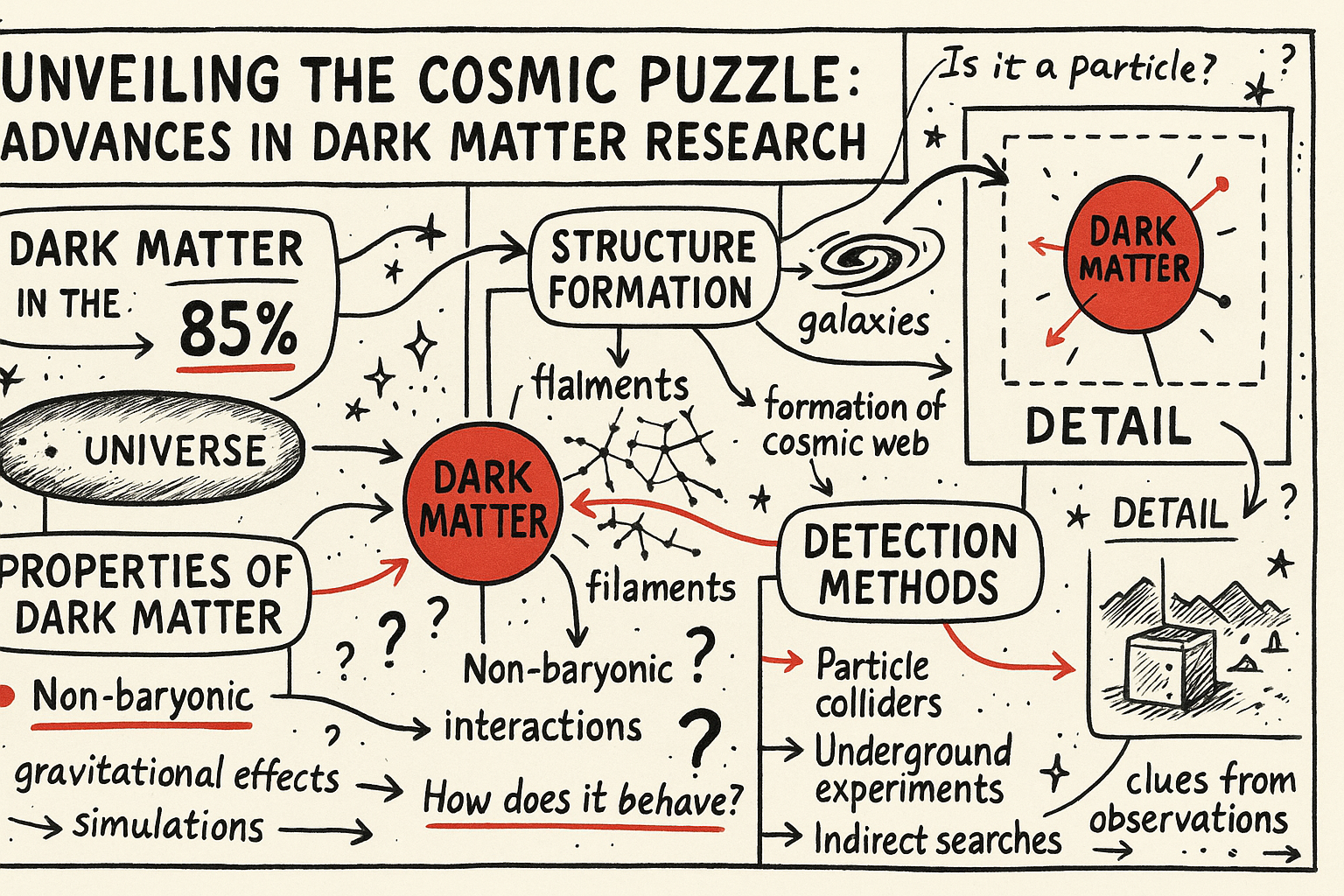
Meanwhile, on Earth, a novel approach to dark matter detection is underway in the Scottish Borders. Traditionally, dark matter experiments have relied on massive, complex setups. However, a team in Japan proposes utilizing the Earth's magnetic field, which dwarfs any magnet we could construct, as a tool for detection. This innovative strategy suggests that the gap between the ground and the ionosphere could act as a natural detector, potentially revolutionizing our search for this enigmatic matter that constitutes much of the universe's mass.
The implications of these developments are profound. The moon, often seen merely as a stepping stone to Mars, is proving to be a scientific powerhouse in its own right. Its unique environment offers opportunities that terrestrial venues cannot match, such as uninterrupted radio observations and enhanced gravitational wave detection. These projects also underscore the importance of international collaboration and technological innovation in pushing the boundaries of what we know about the universe.
Furthermore, the Scottish dark matter experiment exemplifies how rethinking existing resources can lead to groundbreaking discoveries. By harnessing the Earth's natural properties, researchers can potentially unlock secrets of the cosmos without the need for prohibitively expensive infrastructure.
Looking ahead, these efforts could reshape our understanding of the universe's early days and the fundamental forces at play. They remind us that while space exploration often focuses on distant planets, the moon and our own planet still hold untapped potential for cosmic discovery.
As we continue to test space technologies, like those being trialed in Scotland for future lunar and Martian missions, the synergy between exploration and scientific inquiry becomes ever clearer. These advancements not only aim to answer age-old questions but also prepare us for the challenges of human space exploration.
In essence, the convergence of lunar and terrestrial science heralds a new era of discovery, where the moon’s silent watch and Earth’s magnetic embrace offer fresh perspectives on the universe’s most profound mysteries.