Recent advancements in astronomical research have unveiled significant insights into the universe's structure and its explosive phenomena. Two groundbreaking studies, one focusing on supernovae and the other on the cosmic web, have provided new perspectives on these cosmic mysteries.
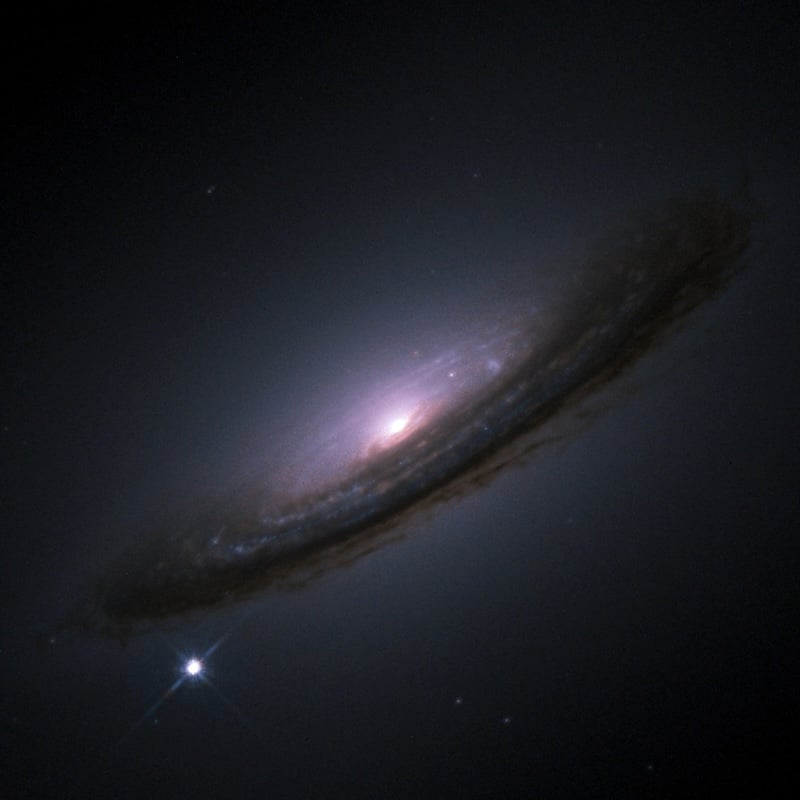
Supernovae, particularly Type Ia supernovae, have long been considered essential tools in astronomy due to their role as standard candles. These stellar explosions emit a consistent intrinsic brightness, allowing astronomers to calculate distances across the universe by comparing their known brightness to their observed brightness. However, as reported by Universe Today, a significant challenge has been the interference of interstellar dust and the varying conditions of the host galaxies, which complicate the analysis of the light from these supernovae. This interference has historically led to the underutilization of supernova data, with up to 99% of the data being wasted due to these complexities.
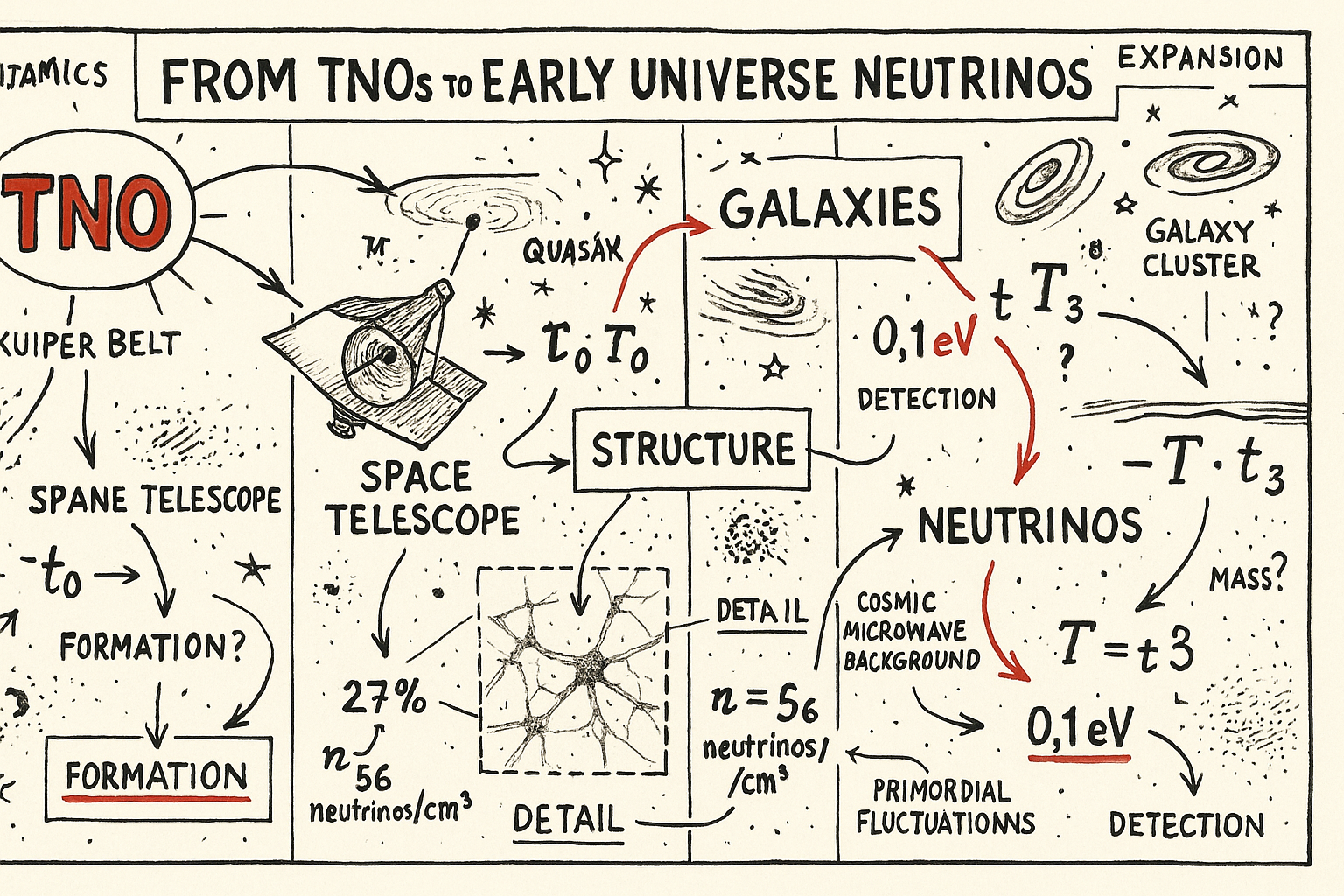
Meanwhile, the James Webb Space Telescope (JWST) has been instrumental in mapping the cosmic web, as detailed by MEDIA INAF. The JWST's survey, known as Cosmos-Web, has analyzed 164,000 galaxies to create the most detailed map of the cosmic web to date. This map traces the universe's evolution from its current state back to when it was just a billion years old. The cosmic web is an intricate network of dark matter and gas filaments that form the backbone of the cosmos, connecting galaxies and clusters over 13.7 billion years of cosmic history.
The JWST's advanced capabilities have surpassed those of its predecessor, the Hubble Space Telescope, by revealing previously unseen structures within the cosmic web. These findings, published in The Astrophysical Journal, highlight the immense scale and complexity of the universe's architecture. The ability to discern individual filaments within the cosmic web marks a significant leap in our understanding of the universe's large-scale structure.
The integration of these two areas of research—supernovae and the cosmic web—offers a more comprehensive view of the universe. While supernovae provide precise distance measurements, the cosmic web map offers a broader context of how galaxies and matter are distributed across the universe. Together, these studies enhance our understanding of cosmic evolution and the forces shaping the universe.
As astronomers continue to refine techniques for analyzing supernova data and explore the depths of the cosmic web with the JWST, the potential for new discoveries remains vast. These advancements not only deepen our knowledge of the universe but also pave the way for future explorations into the unknown realms of space.