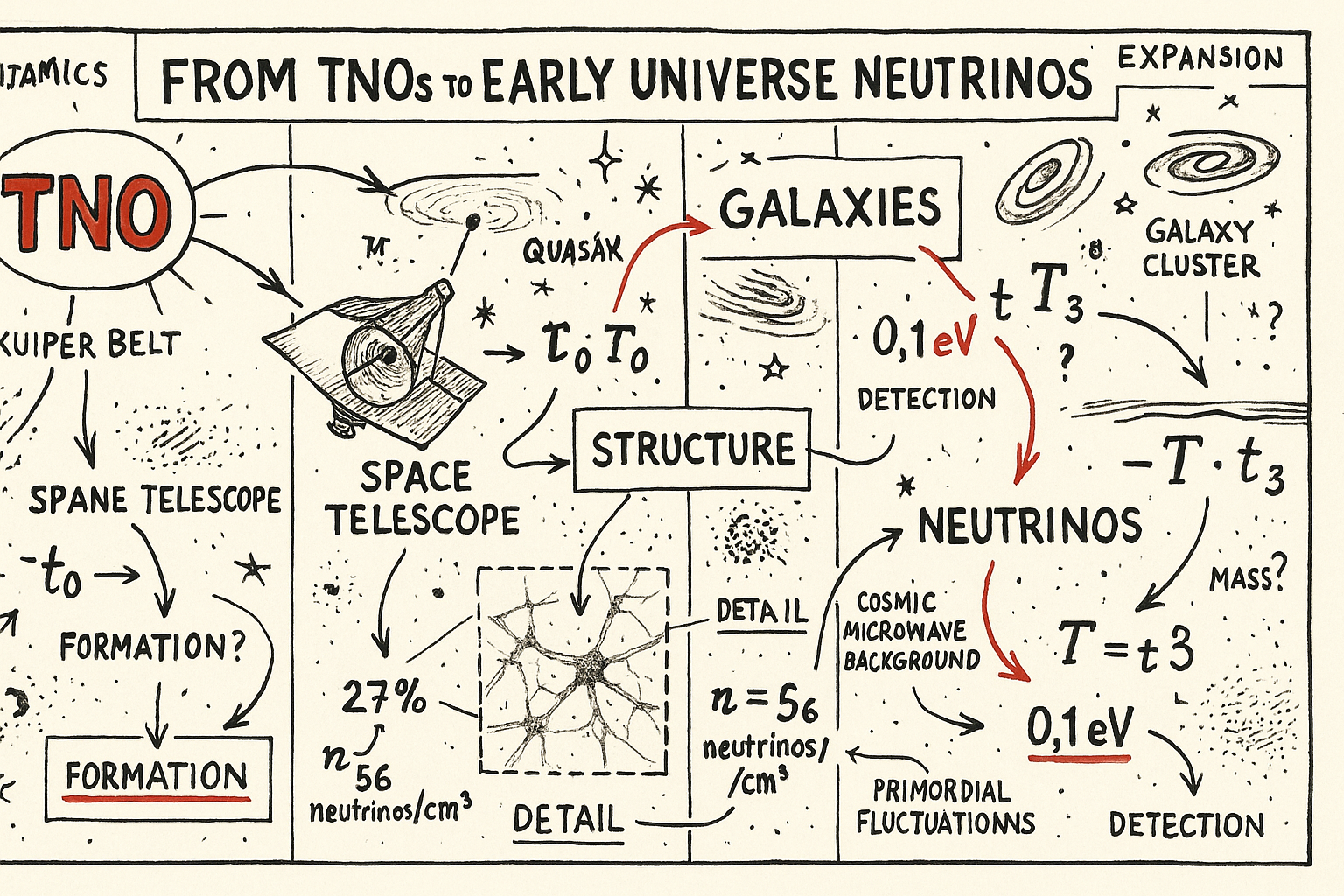
The cosmos is an expansive tapestry of mysteries, woven together by celestial bodies and phenomena that span the breadth of time and space. Recent discoveries by NASA's Hubble and James Webb Space Telescopes, alongside other cutting-edge observations, offer a glimpse into the past and present of our universe, revealing surprising insights that challenge previous assumptions.
Remembering the Past: Trans-Neptunian Objects
Trans-Neptunian Objects (TNOs) reside in the distant reaches of our solar system, beyond Neptune. Recent research using both the Hubble and James Webb telescopes has provided unprecedented clarity in the study of these celestial bodies. The combined observational power of these telescopes revealed that TNOs exhibit fewer small bodies than previously expected and follow color patterns reminiscent of their historical counterparts. This 'memory' of past conditions is intriguing, suggesting that these objects have preserved their original compositions and surface properties over eons.
Such findings challenge earlier models that predicted a greater abundance of smaller TNOs. This insight could reshape our understanding of the early solar system's formation processes, indicating that the mechanisms governing the accretion and evolution of these distant objects might differ from what was once assumed.
Early Galaxies and Neutrino Emissions
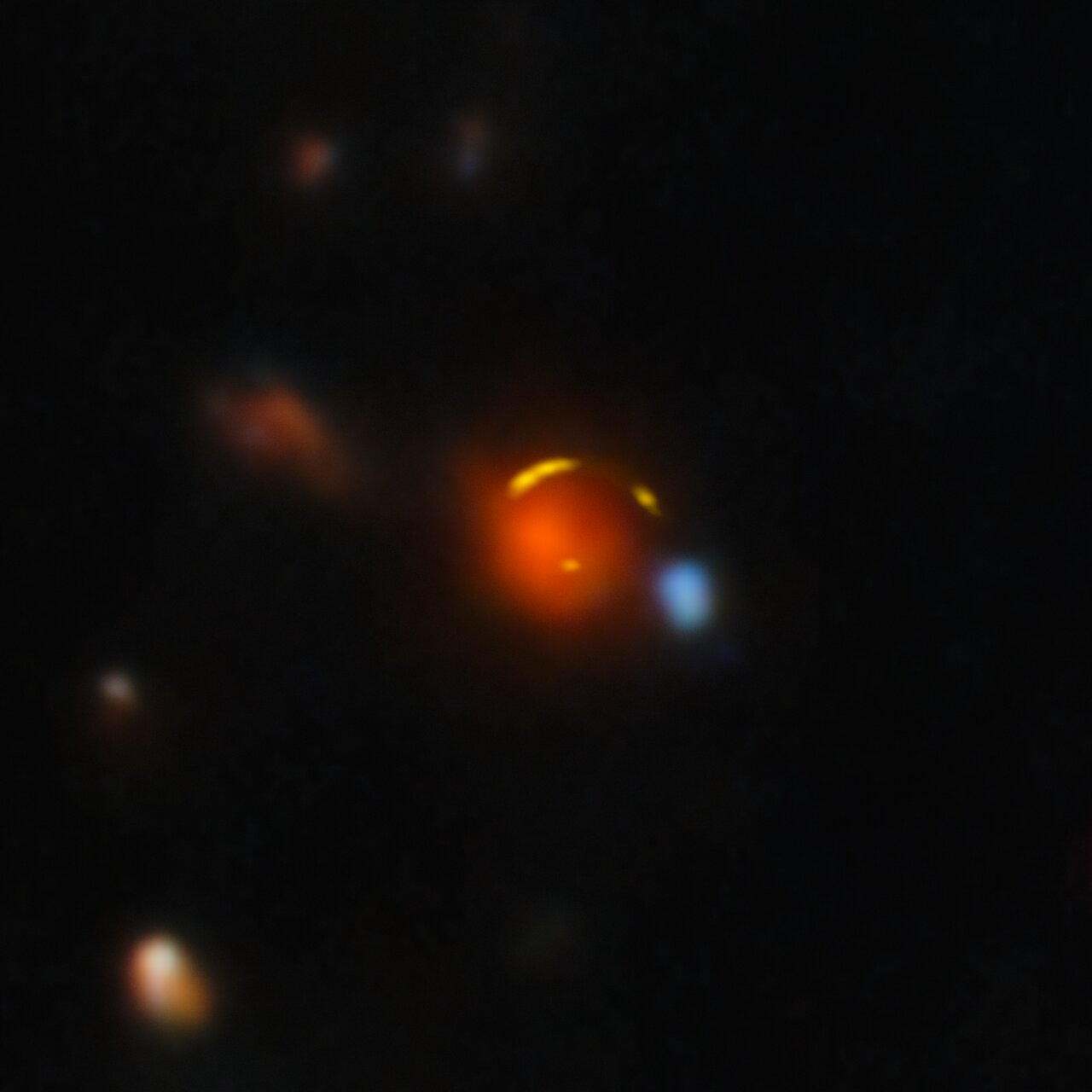
In a parallel revelation, the James Webb Space Telescope has identified 'Little Red Dots'—early galaxies that existed shortly after the Big Bang. These ancient galaxies are believed to be sources of neutrinos, elusive particles that travel across the cosmos, reaching Earth today. This discovery opens a new avenue in astrophysics, linking the behavior of primordial galaxies with particle physics and offering insights into the conditions prevailing in the universe's infancy.
The detection of neutrinos from such distant sources challenges existing knowledge about their production and propagation. The implications are profound, suggesting that the early universe was more dynamic and complex in its energy processes than previously understood.
The Dance of Galaxies: Collisions and Rebirth
Galactic collisions are cosmic events that lead to the birth of new structures and formations. A spectacular image from the James Webb Telescope captures the aftermath of such a collision, showcasing the renaissance of a galaxy. This event is not just a visual spectacle but a critical piece of the puzzle in understanding galactic evolution.
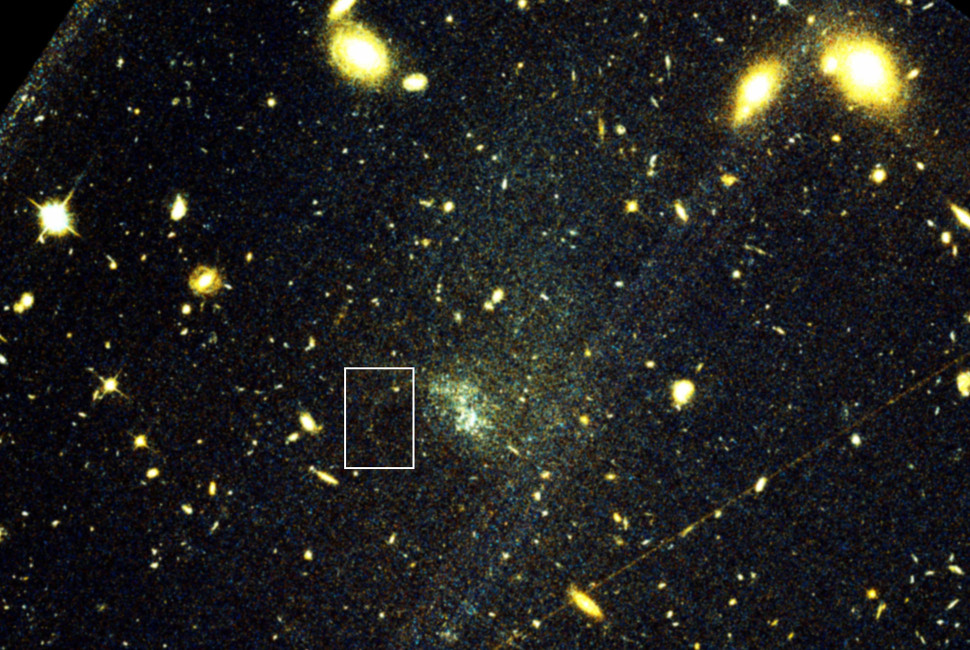
Historical observations by the Hubble telescope are now being enriched by Webb's infrared capabilities, highlighting details previously hidden from view. This synergy between telescopes underscores the importance of multi-wavelength observations in comprehending the lifecycle of galaxies.
Unmasking Cosmic Imposters
Meanwhile, astronomers have encountered phenomena that defy initial expectations. A recent study uncovered a 'supernova impostor'—a stellar object that mimicked the signals of a supernova explosion. Further analysis revealed a different reality, emphasizing the complexity of interpreting faint light signals from distant objects.
This incident serves as a reminder of the challenges in astronomical observations and the potential for new discoveries that can redefine our understanding of stellar life cycles and cosmic events.
Collectively, these advancements in space science highlight the intricate connections between different cosmic phenomena. The interplay between distant galaxies, ancient neutrinos, and TNOs paints a picture of a universe in constant flux, preserving its history in the celestial bodies that inhabit it.
Future Implications
The insights gained from these studies have far-reaching implications for future research. They pave the way for more targeted investigations into the origins and evolution of the universe, potentially leading to breakthroughs in both astrophysics and cosmology.
As technology continues to advance, the ability to observe and analyze the universe in greater detail will undoubtedly yield further surprises and deepen our understanding of the cosmos.