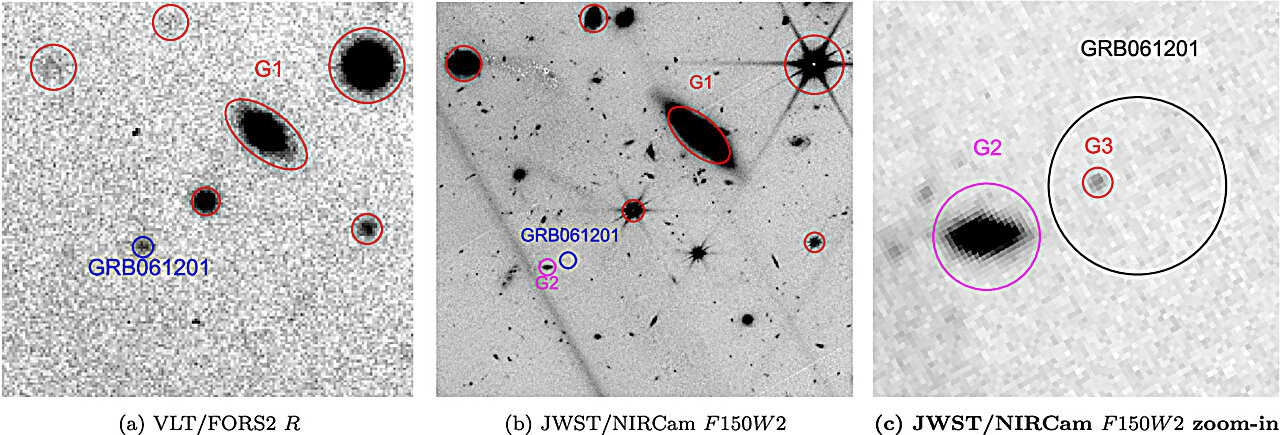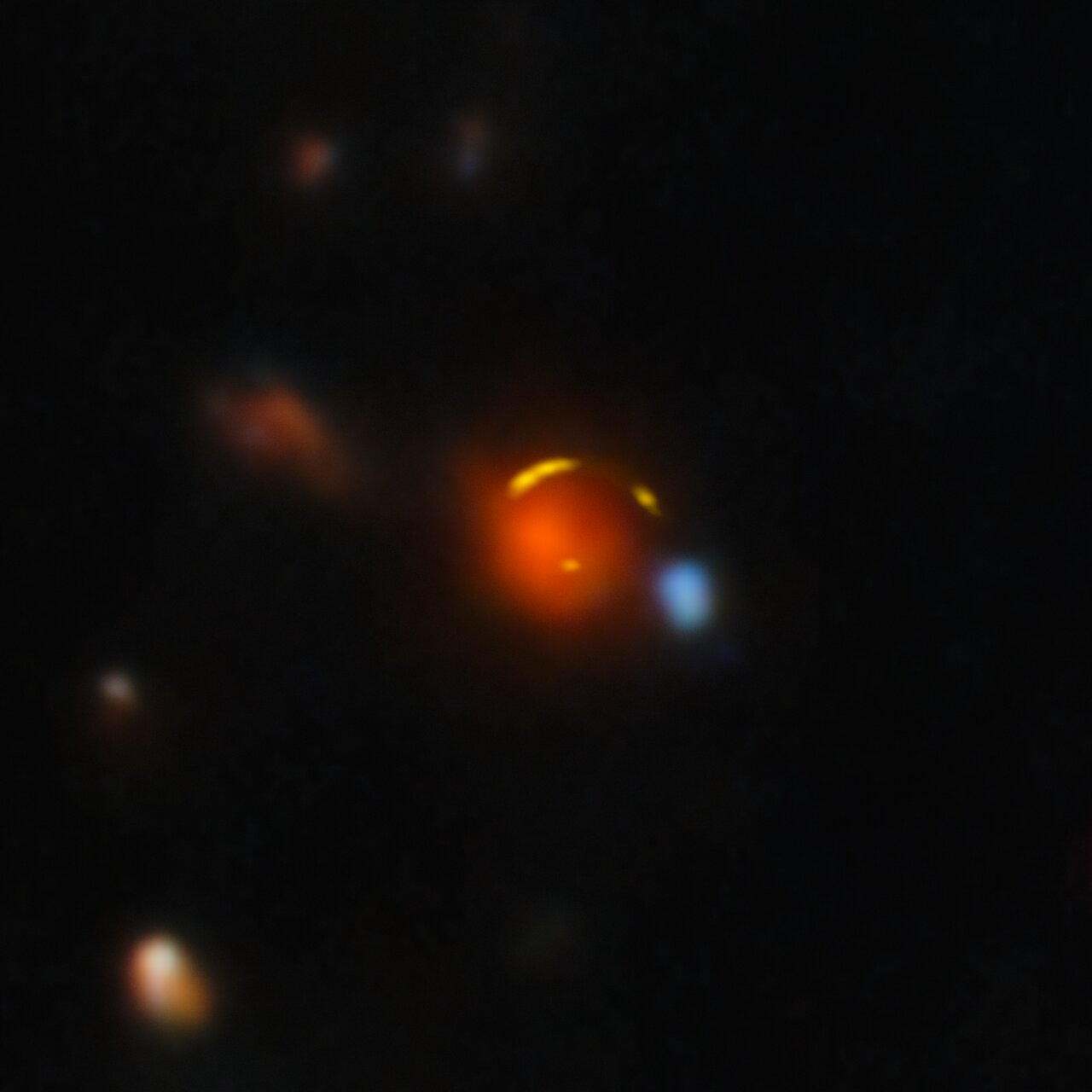
In a significant advancement for astrophysics, researchers have traced a high-energy neutrino that struck the Earth to a distant galaxy, potentially shedding new light on the origins of these elusive particles. This discovery was highlighted in a recent report by Sky & Telescope, where the so-called 'Shadow Blaster' galaxy – a star-forming galaxy from the early universe – is hypothesized to be the source of this neutrino, which embarked on an 11 billion-year journey through space before colliding with the ice at Earth's South Pole.
Neutrinos, often referred to as ghost particles due to their weak interactions with matter, have long intrigued scientists. They are capable of passing through solid objects, including entire planets, without being absorbed or deflected. Their elusive nature makes them challenging to detect, yet they carry valuable information about cosmic processes occurring billions of years ago.
The high-energy neutrino in question was detected by the IceCube Neutrino Observatory, a research facility located at the Amundsen-Scott South Pole Station in Antarctica. This facility, which spans a cubic kilometer of ice, uses an array of detectors to capture the faint flashes of light produced when neutrinos interact with the ice. The detection of such a neutrino emitted from a galaxy so far away presents a rare opportunity to study the processes occurring in the universe's infancy.
The identification of the 'Shadow Blaster' galaxy as a potential source is based on the direction from which the neutrino arrived. This galaxy, located in the distant cosmos, is characterized by intense star formation activity. Such environments are theorized to be capable of accelerating particles to high energies, potentially producing neutrinos in the process.
This discovery not only supports existing theories about the production of high-energy neutrinos but also underscores the potential of neutrinos as cosmic messengers. By studying these particles, scientists can gain insights into the extreme environments and processes that govern the universe, such as supernovae, black holes, and the formation of galaxies in the early universe.
The implications of this discovery are profound. Neutrinos, unlike photons, can escape dense astrophysical environments without being absorbed or scattered, providing a direct glimpse into the core processes of cosmic phenomena. As such, they offer a complementary tool alongside electromagnetic and gravitational wave observations, enabling a more holistic understanding of the universe.
The journey of this neutrino also highlights the vast scale of cosmic distances and the passage of time in the universe. Traveling for 11 billion years, this particle has crossed an unimaginable expanse, acting as a time capsule from the early universe. Such observations push the boundaries of current astrophysical models and challenge researchers to refine their understanding of cosmic evolution.
Looking ahead, this discovery paves the way for further investigations into the sources of high-energy neutrinos. The IceCube collaboration, along with other observatories around the world, continues to refine their detection techniques and expand their search for these ghostly messengers. As technology advances, the hope is to identify more such sources, potentially unlocking new secrets about the universe's most energetic phenomena.
In conclusion, the identification of a high-energy neutrino from the 'Shadow Blaster' galaxy marks a significant milestone in our quest to understand the universe. It exemplifies the power of neutrinos as tools for exploring the cosmos and highlights the ongoing efforts to decode the mysteries of the universe through advanced astronomical research.