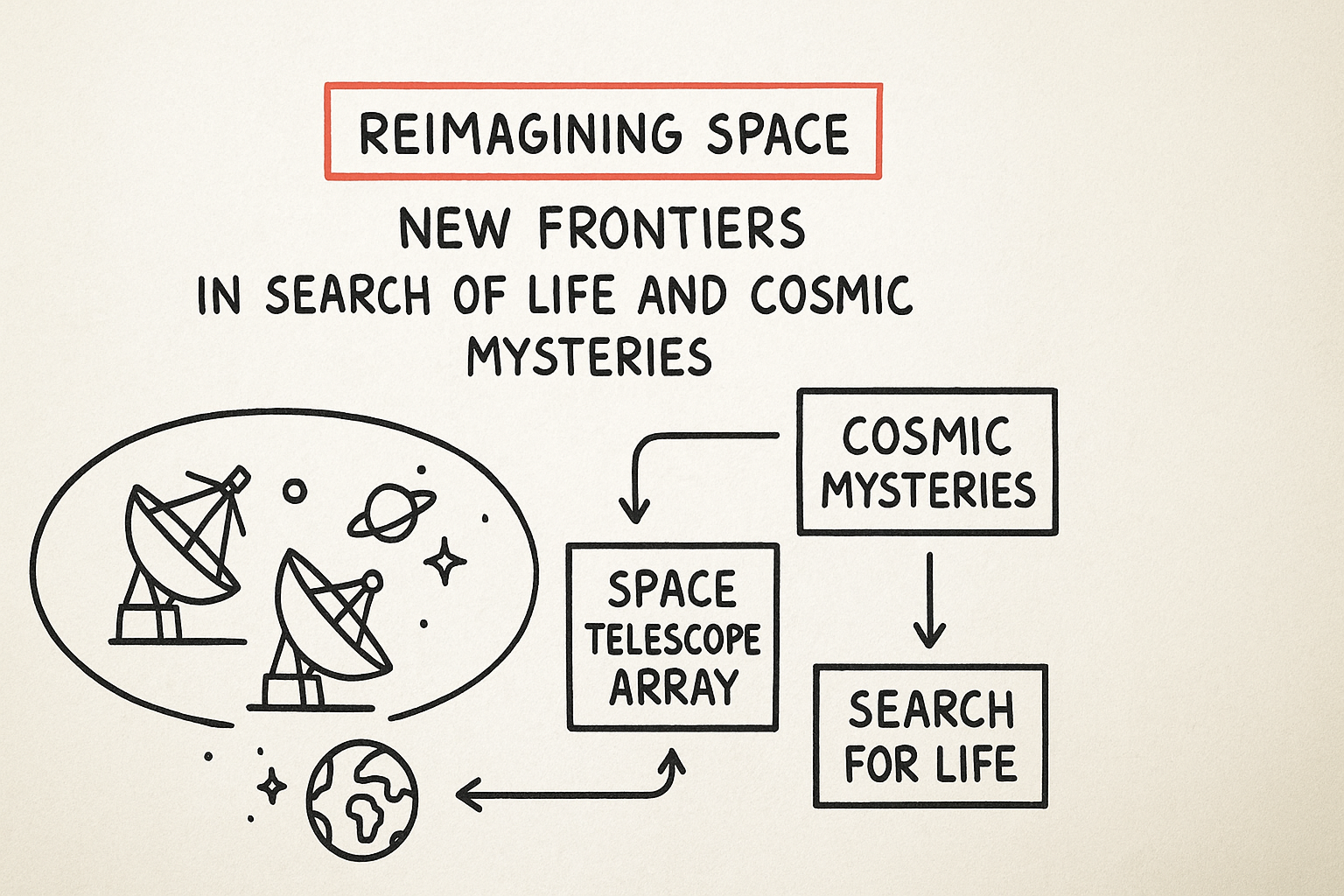
As the 2040s loom on the horizon, astronomers and space agencies are crafting ambitious plans to tackle one of humanity's oldest questions: Are we alone in the universe? This quest is not only driving technological advancements but also prompting a reevaluation of how we understand the cosmos and protect our planet.
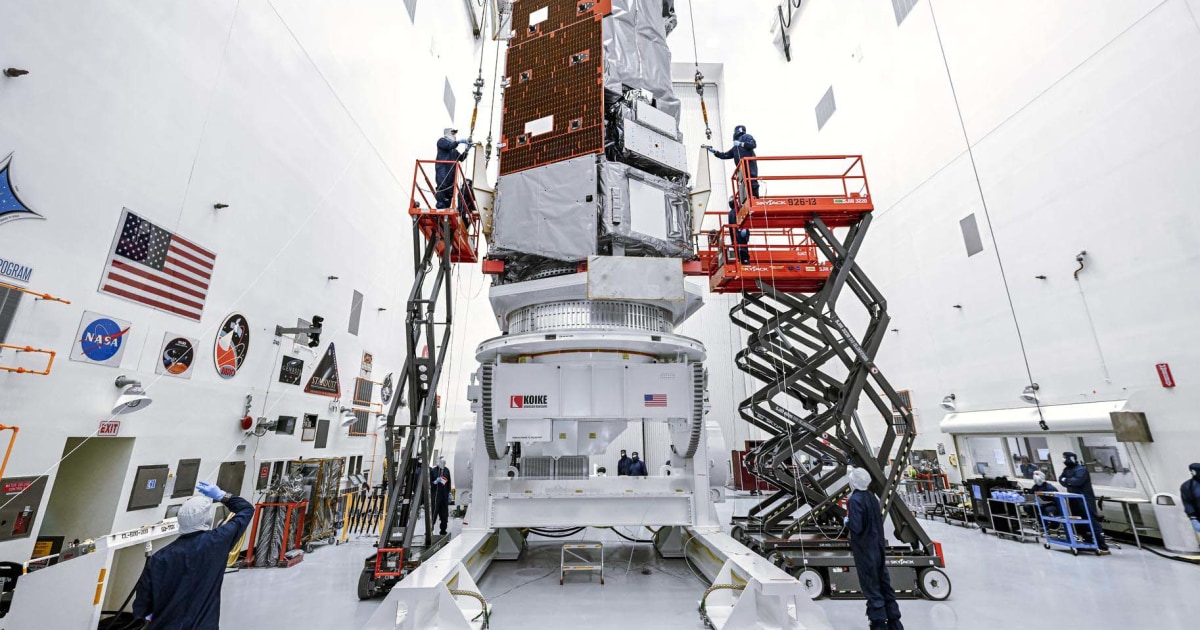
Central to these efforts is the proposal to deploy a swarm of telescopes, a concept that aims to succeed where even the James Webb Space Telescope (JWST) has only provided tantalizing hints. By drastically expanding our observational capabilities, this array could analyze the atmospheres of distant exoplanets in unprecedented detail, potentially identifying biomarkers that indicate life.
The Moon as a Cosmic Quarantine
Simultaneously, a new frontier in planetary protection is being proposed: the establishment of a biocontainment facility on the Moon. Advocated by researchers who are concerned about the potential hazards of extraterrestrial microbes, this facility would serve as a quarantine zone for any samples returned from space missions. The idea underscores a growing awareness of the need to safeguard Earth's biosphere as exploration intensifies.
Challenging Dark Matter Paradigms
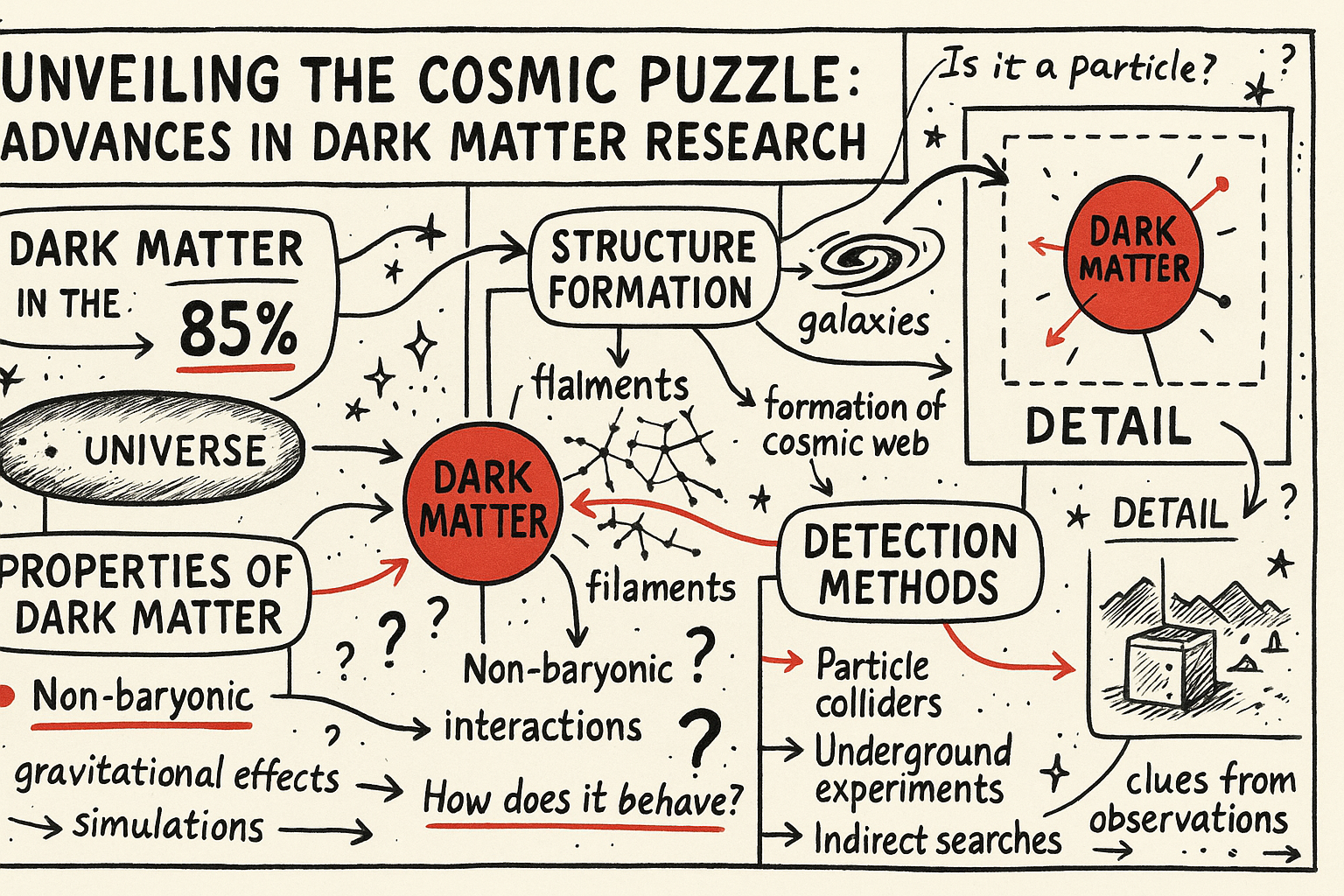
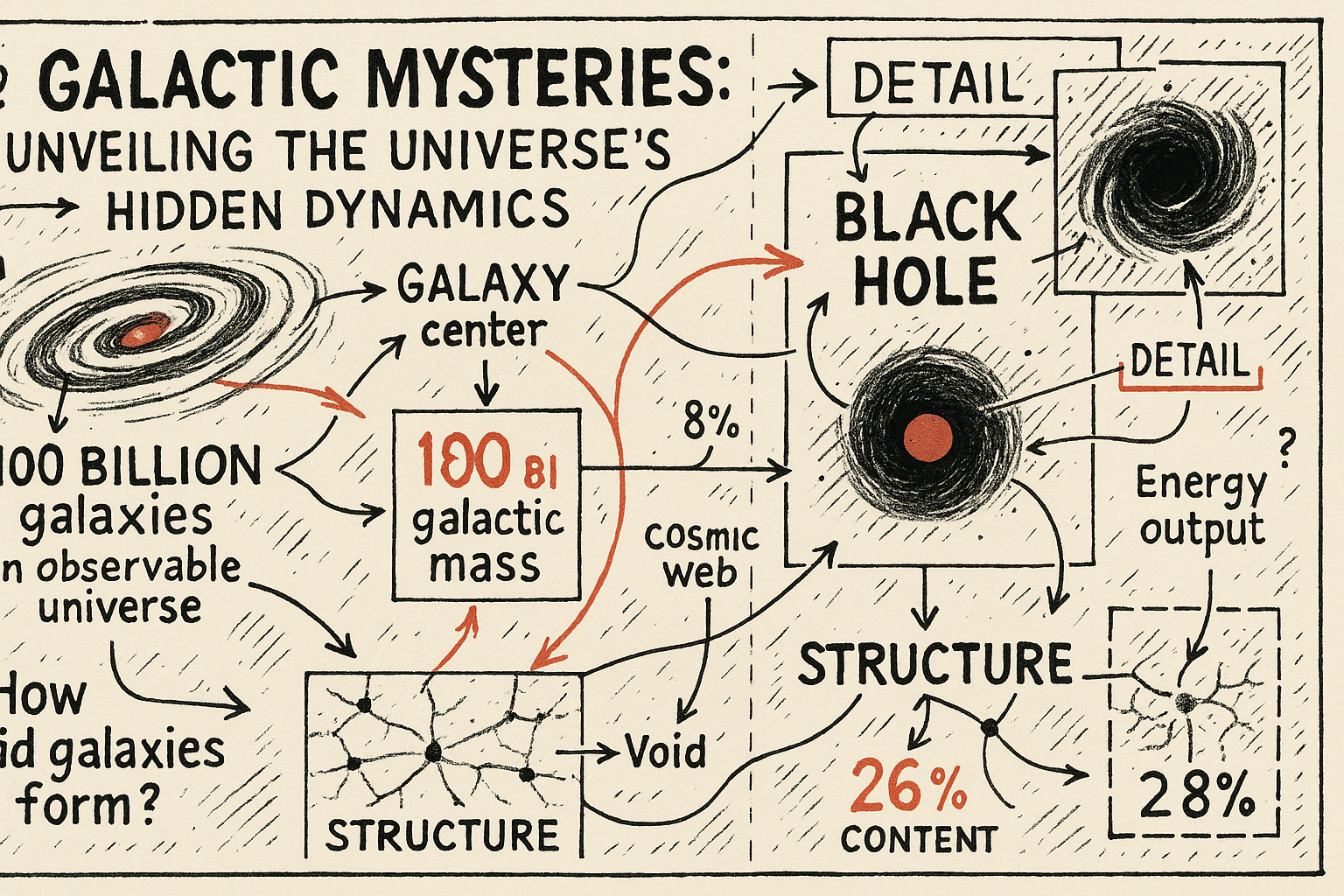
In the realm of cosmic mysteries, recent observations of the Bullet Cluster have reignited debates over the existence of dark matter. The JWST's data suggests that phenomena traditionally attributed to dark matter might be explained by alternative theories, such as Modified Newtonian Dynamics (MOND). This challenges long-held astronomical models and suggests that our understanding of the universe's fundamental components may need revision.
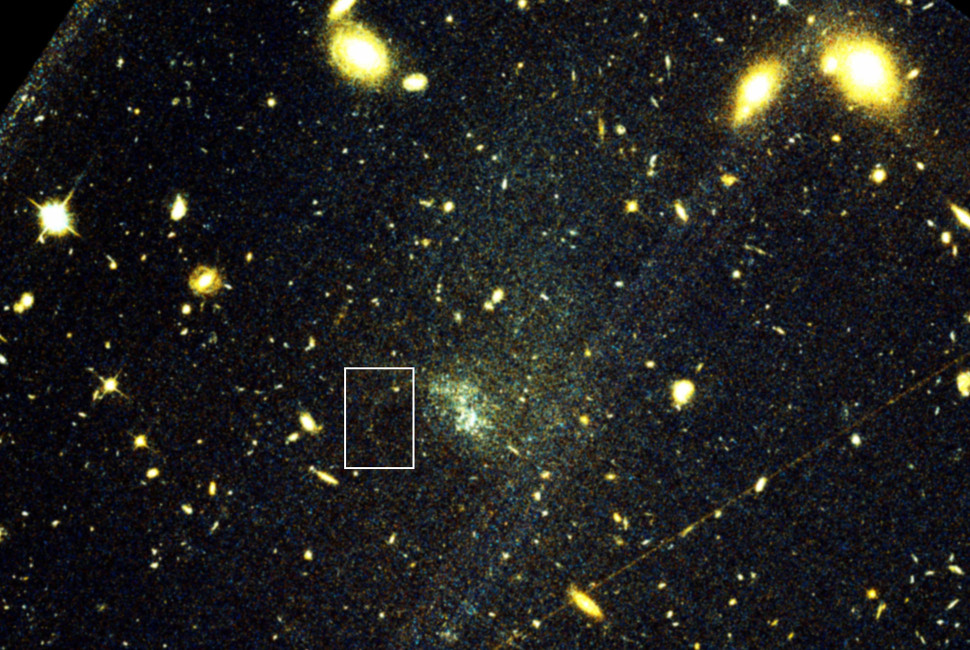
Adding to the intrigue, the discovery of galaxies seemingly devoid of dark matter further complicates the picture. A Yale team's identification of a third such galaxy aligns with others to form a cosmic trail, hinting at a primordial event that may have stripped these galaxies of their dark matter.
Enigmas of Titan and Pluto
Meanwhile, Saturn's moon Titan and the dwarf planet Pluto present their own puzzles. A mysterious substance absorbing light on their surfaces could hold keys to understanding Titan's complex chemistry. As scientists strive to identify this substance, the findings could impact our comprehension of planetary formation and evolution across the solar system.
Surprising InsightsOne of the most surprising insights emerging from these developments is the interconnectedness of seemingly disparate areas of space science. The search for life is not just about finding habitable worlds; it necessitates considerations of planetary protection and could redefine how we conceptualize life itself. Similarly, the quest to understand dark matter and mysterious substances on distant worlds could lead to new physics.
Historically, advances in space technology have often led to paradigm shifts in our understanding of the universe. The deployment of a telescope swarm or a lunar biocontainment facility could do the same, paving the way for discoveries that were once the realm of science fiction.
Looking Ahead
The integration of these various efforts highlights a holistic approach to space exploration that is becoming increasingly necessary as our ambitions grow. Whether it is through protecting Earth from cosmic contaminants or revising our understanding of cosmic phenomena, the future of space science promises to be as transformative as it is challenging. The coming decades may well redefine our place in the universe and our understanding of its many mysteries.