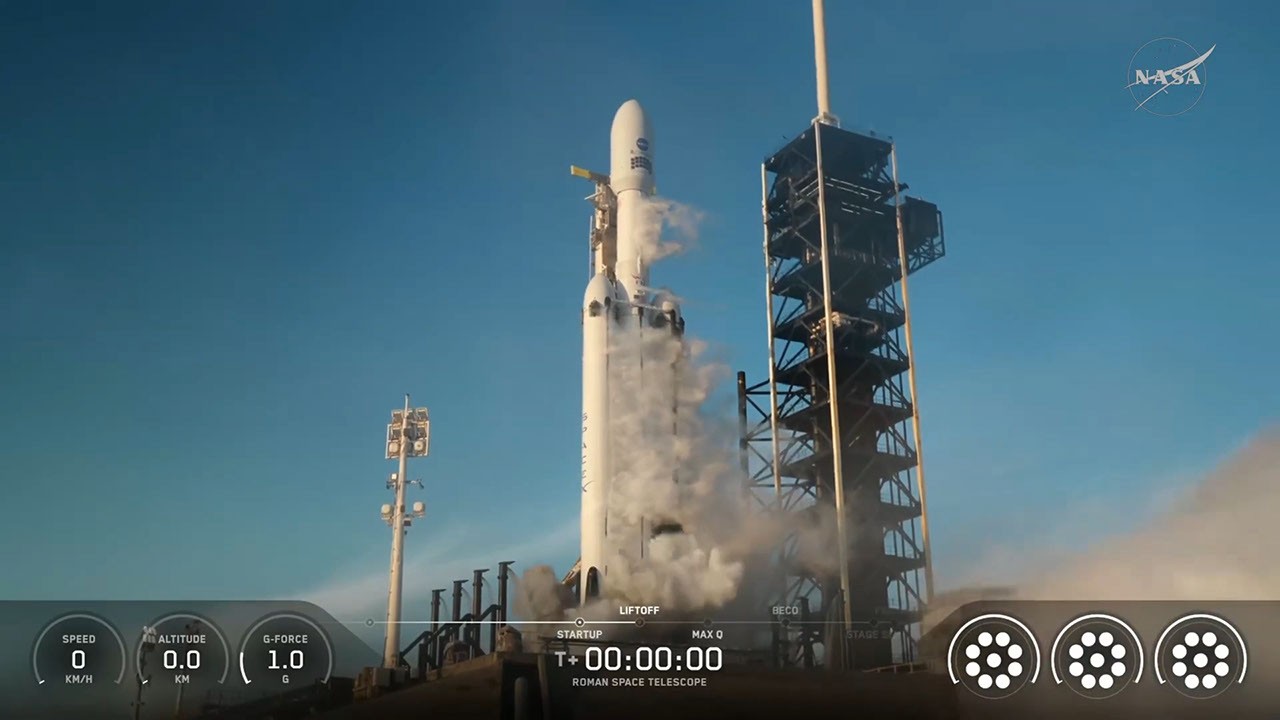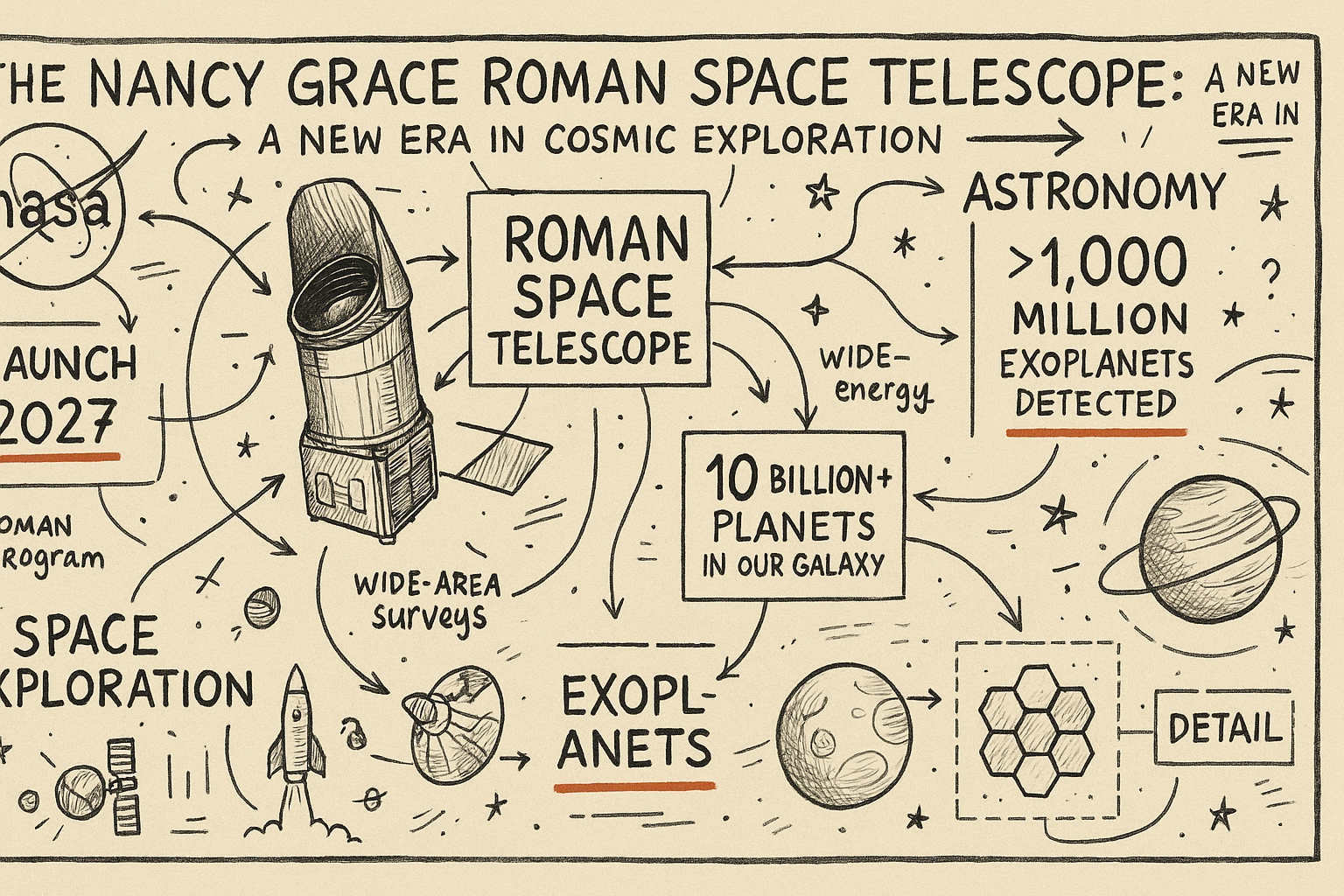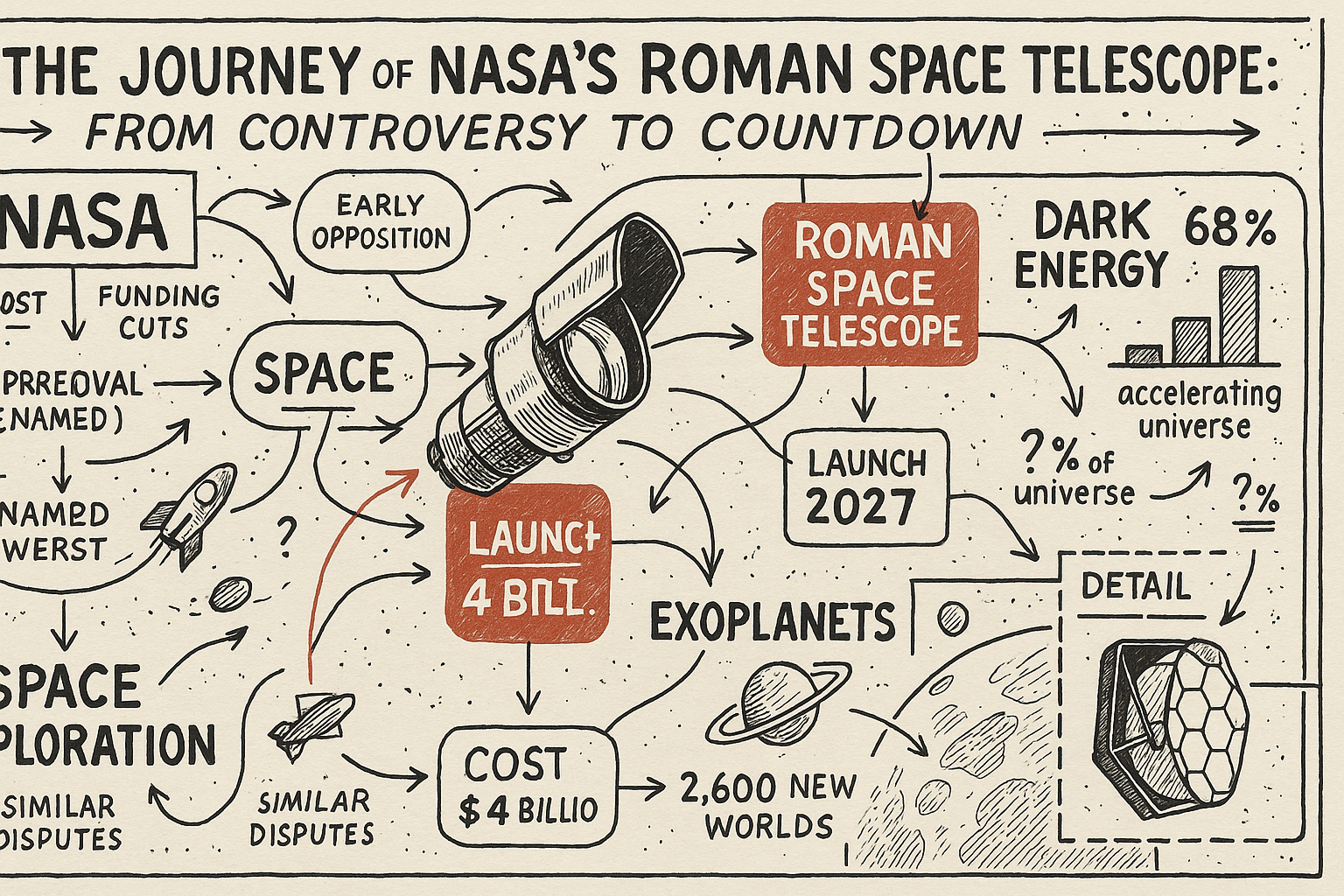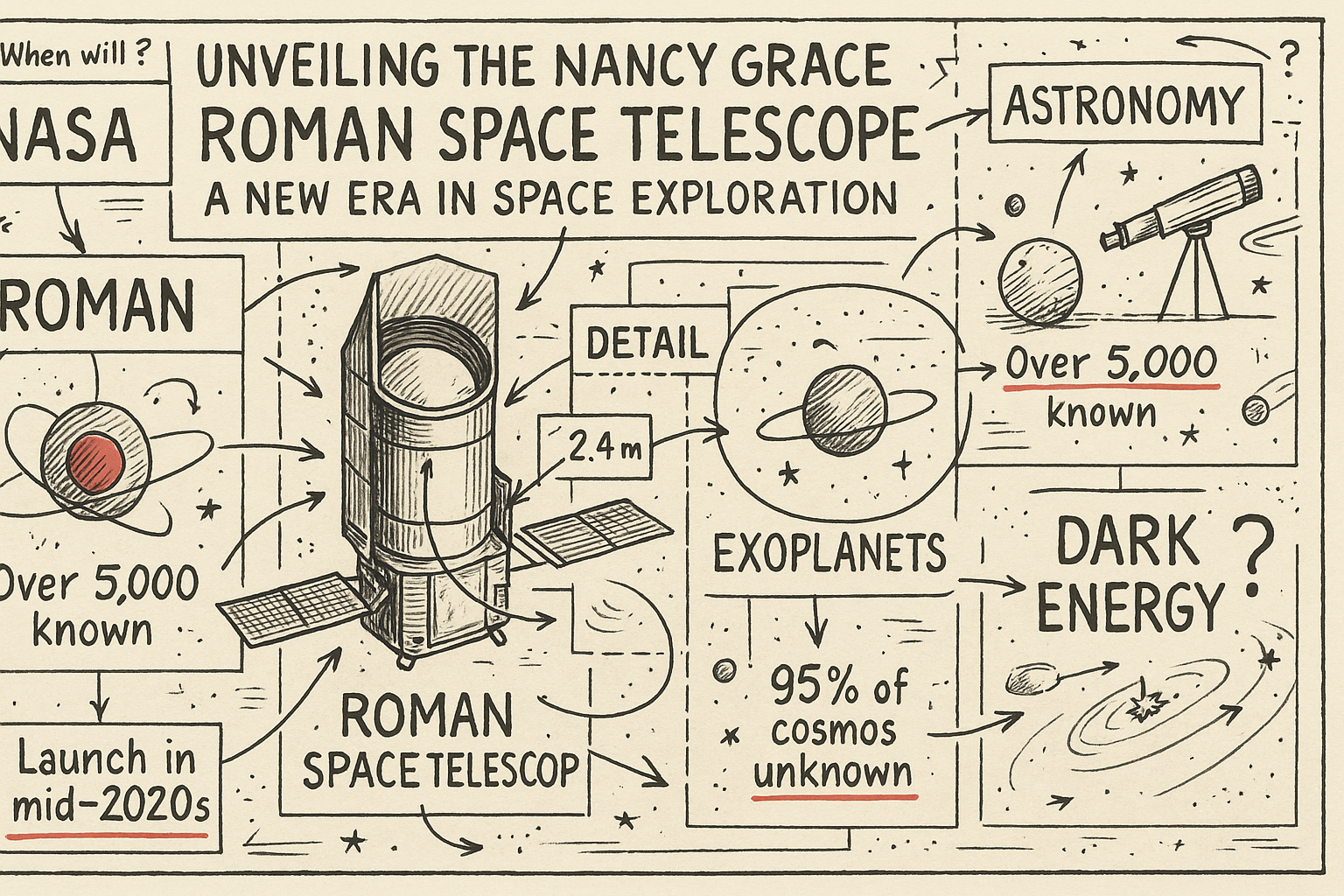
The Nancy Grace Roman Space Telescope, NASA's next major astronomical observatory, is defying the usual expectations of delays and budget overruns. According to a report by Universe Today, the telescope is ahead of schedule and under budget, a rare achievement in the world of advanced telescopes. It is now set to launch in September, months earlier than initially planned.
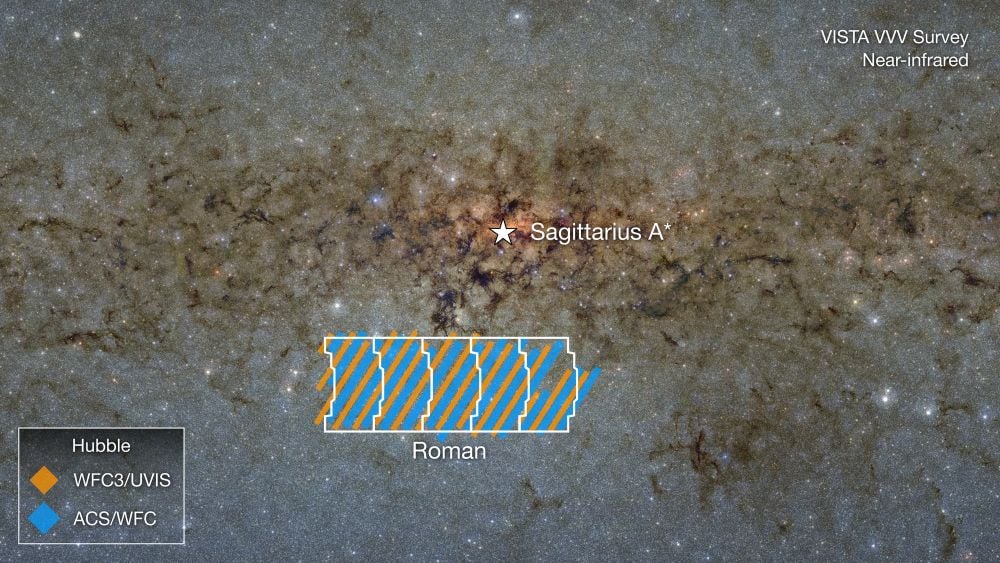
Once launched, the Roman Space Telescope will be positioned at the Sun-Earth L2 point, where it will undergo testing and calibration before commencing its scientific mission. This mission is primarily focused on surveys, including the ambitious Galactic Bulge Time-Domain Survey (GBTDS). This survey will span 15 months and target the Galactic Bulge, a densely packed region around the center of the Milky Way.
The GBTDS is expected to identify over a thousand exoplanets located at distances greater than that between Earth and the Sun. These exoplanets are typically challenging to detect due to their distance from their host stars. The survey will also explore other celestial phenomena, such as rogue planets and isolated stellar-mass black holes, providing valuable insights into the composition and dynamics of the Galactic Bulge.
In preparation for the Roman Space Telescope's mission, astronomers have been utilizing data from the Hubble Space Telescope. Hubble's observations have been instrumental in helping scientists understand and interpret the forthcoming data from Roman. This collaboration underscores the importance of leveraging existing resources to enhance the capabilities of future missions.
In parallel, NASA is advancing other technological initiatives to support future deep space missions. As reported by NASA, the agency is collaborating with Eta Space on an in-orbit technology demonstration aimed at advancing cryogenic fluid management technologies. This initiative is crucial for the sustainability of long-duration space missions, as it addresses the challenges of storing and transferring cryogenic fuels in space.
These efforts reflect NASA's commitment to pushing the boundaries of space exploration and technology. By ensuring that the Roman Space Telescope is ready ahead of schedule and by investing in technologies like cryogenic fluid management, NASA is paving the way for more ambitious missions in the future.