Montreal-based NorthStar Earth & Space is making significant strides in its mission to enhance space domain awareness (SDA) with its recent filing of an F-4 registration statement with the U.S. Securities and Exchange Commission. This filing is a key step in NorthStar’s proposed $300 million merger with the special purpose acquisition company, Viking Acquisition Corp. I, and outlines a comprehensive strategy for the company's future operations and financial plans.
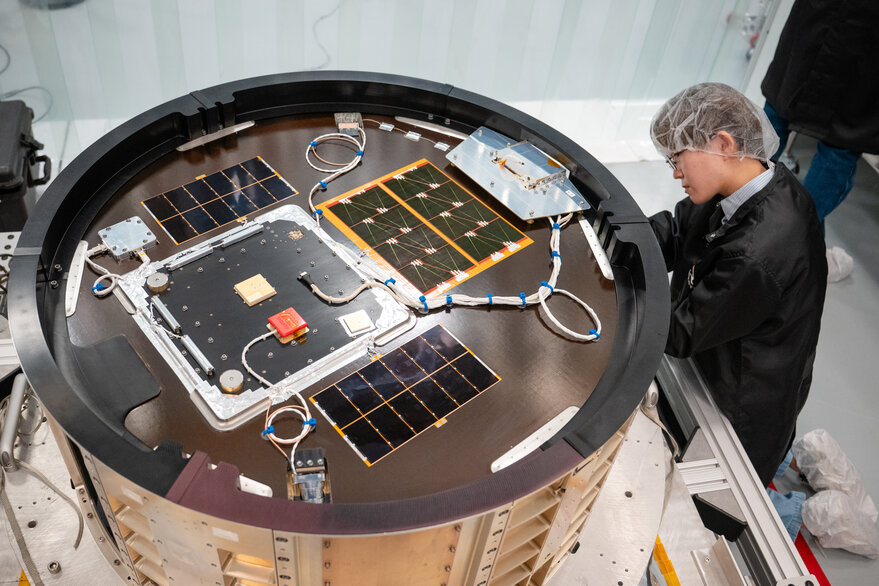
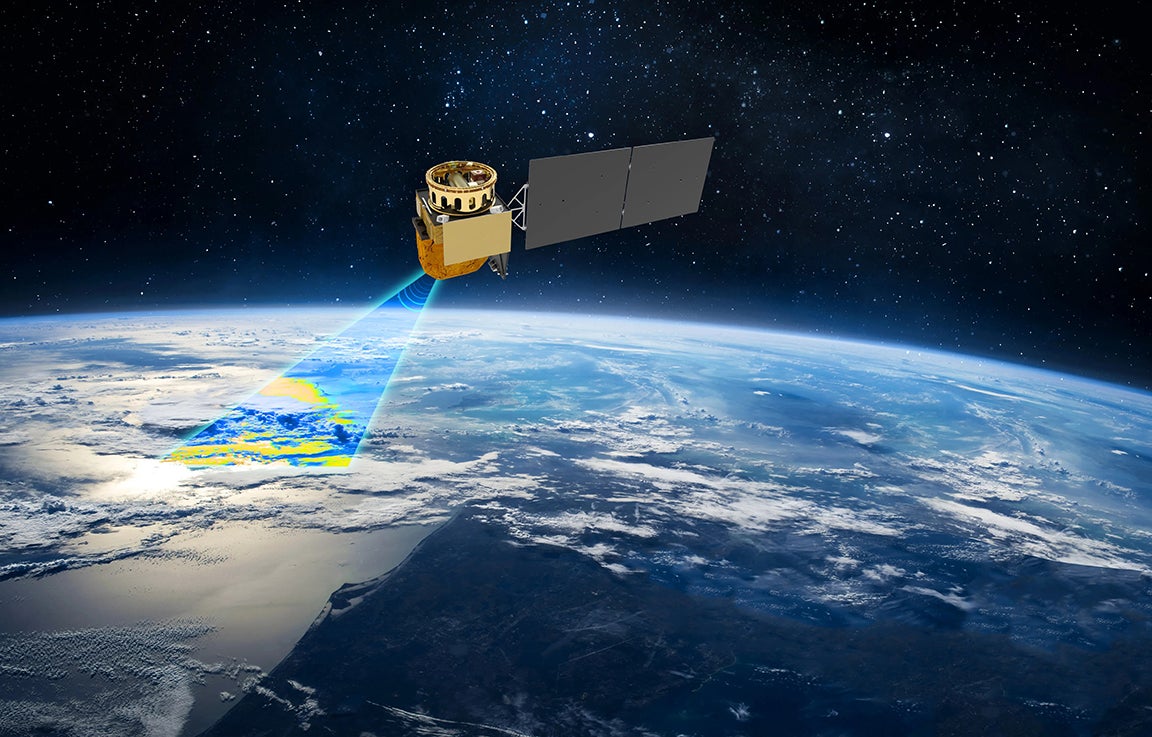
NorthStar is pioneering a platform that promises an 'always-on' system architecture. This system is designed to gather and integrate data from its own space-based optical sensors and third-party ground-based radar and radio-frequency tracking systems. The goal is to provide real-time monitoring of active orbital threats, a service increasingly vital in today’s congested space environment.
However, NorthStar’s innovative approach faces significant challenges, particularly in its operational model. The company employs a hosted-payload strategy, meaning it manufactures the sensors but relies on third-party satellite buses for deployment into orbit. This model has led to operational complications, as evidenced by an ongoing commercial arbitration with Spire Global, Inc. NorthStar alleges that Spire failed to adequately operate three of its four initial host satellites, leading to a substantial $10.2 million CAD impairment charge in 2024 due to missed image quotas. A tribunal decision regarding this dispute is anticipated in the second quarter of 2026, which could have material impacts on NorthStar's operations and financial health.
The challenges with Spire have necessitated a shift in NorthStar’s launch roadmap. The next phase of sensor deployment is now postponed to late 2027 or early 2028. The company acknowledges that setbacks in launch operations could lead to further delays and might even result in customer terminations if performance metrics aren't met. To mitigate these risks, NorthStar is focusing on optimizing revisit rates, which refers to the frequency of re-observing space objects, through a combined approach of space- and ground-based data fusion.
Financial disclosures in the filing also paint a picture of the current market landscape for SDA services. Despite the growing need for such services, the market is described as 'nascent,' lacking in predictable, recurring demand. This presents both opportunities and uncertainties for NorthStar as it seeks to establish itself as a leader in the SDA sector.
Looking ahead, NorthStar's strategy includes securing reliable launch and hosting providers for its next generation sensors. Given the potential for significant delays if any launch failures occur, the company is investing heavily in ensuring robust operational capabilities. These efforts are critical as the company prepares for its debut on the New York Stock Exchange, with plans for a dual-listing on the Toronto Stock Exchange by the third quarter of 2026.
NorthStar's journey underscores the complexities of commercial space operations, particularly in the ever-evolving landscape of space surveillance and tracking. The company's innovative 'always-on' approach, while ambitious, highlights the critical need for reliable partnerships and operational flexibility in the space industry. As NorthStar navigates these challenges, its efforts will likely contribute to the broader discourse on space safety and the sustainable use of outer space.