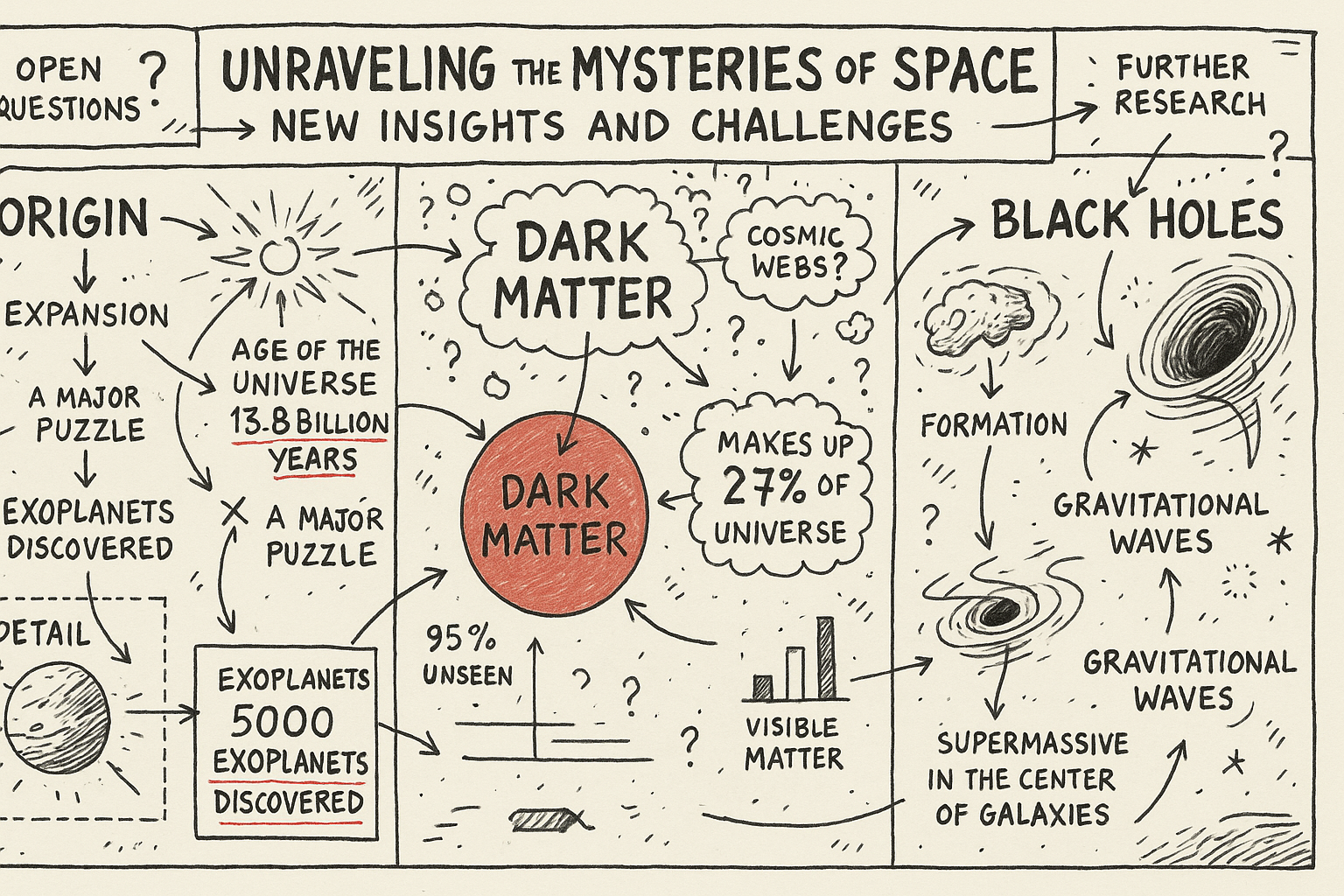
Space exploration often reveals as many mysteries as it resolves. Recent discoveries have cast light on some of the universe's ancient secrets while also posing new questions for scientists to unravel. From spectral anomalies on distant celestial bodies to the ancient origins of interstellar comets, each new finding enriches our understanding but also challenges our current scientific paradigms.
Spectral Mysteries of Titan and Pluto
Recent spectral data from the James Webb Space Telescope has unveiled a perplexing feature shared by both Titan, Saturn's largest moon, and Pluto. This enigmatic spectral signature, still unexplained, hints at unknown processes or materials present on these distant worlds. Historically, spectral analysis has been a cornerstone of astrophysics, allowing scientists to deduce the composition of celestial objects. Yet, the inability to identify this particular feature suggests that our current understanding of these bodies is incomplete, possibly pointing to unknown or exotic materials or interactions that haven't been observed elsewhere in the solar system.
Lunar Biocontainment: The Next Frontier
As humanity prepares for more extensive exploration of the Moon and Mars, the concept of a lunar biocontainment facility has emerged as a crucial strategy for planetary protection. Proposed as a buffer zone for extraterrestrial samples, this facility would mitigate the risk of biological contamination on Earth. Rooted in the cautious practices of the Apollo era, this modern approach leverages advanced robotics to ensure that any potential extraterrestrial life forms are thoroughly studied on the Moon before being brought to Earth. This plan not only safeguards our planet but also opens new avenues for in-situ research that could transform our approach to astrobiology.
Ancient Origins of Comet 3I/ATLAS
Interstellar comet 3I/ATLAS, which has journeyed through the galaxy for over 10 billion years, offers a unique glimpse into the primordial conditions of the early universe. Its ancient origins suggest that it has remained largely unchanged since the dawn of the galaxy, serving as a time capsule from which scientists can glean insights into the processes that governed the early solar system. The study of such objects is crucial, as they may hold clues to the formation of planets and the delivery of water and organic compounds to Earth.
Galactic Quenching and Ram Pressure Stripping
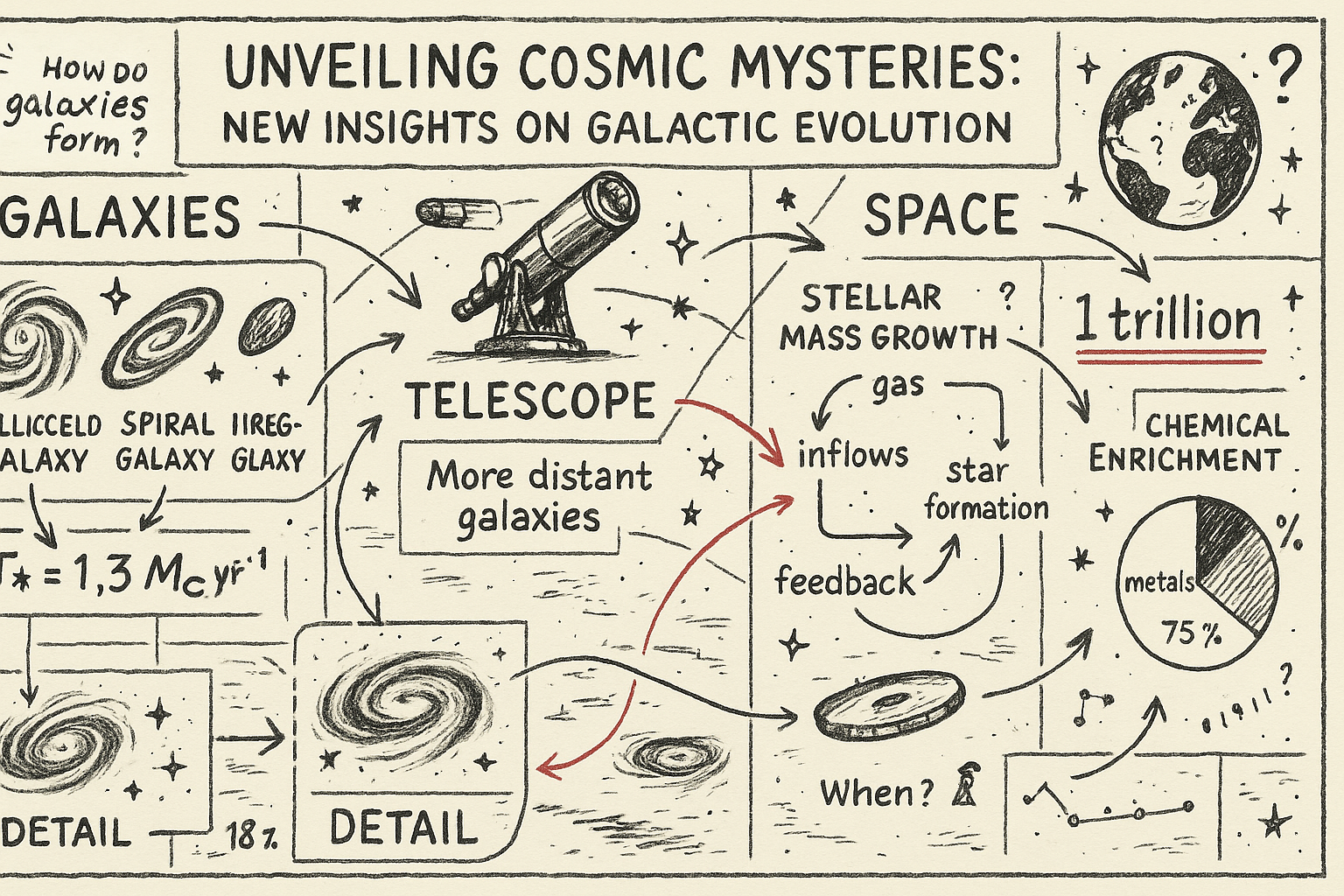
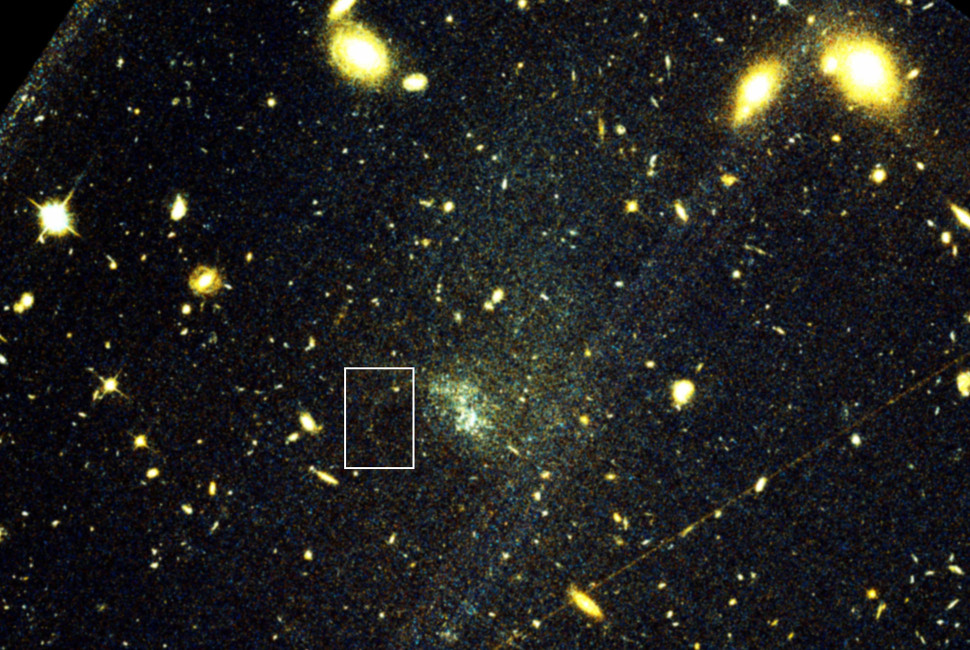
In the realm of galaxy formation, researchers have identified ram pressure stripping as a key mechanism in the cessation of star formation in distant galaxies. This process, observed in galaxies at a redshift of 2.51, represents the most distant confirmed cases of this phenomenon. Understanding what causes galaxies to 'quench' their star-forming activities is pivotal for constructing accurate models of galactic evolution. The discovery challenges previous assumptions about how and when galaxies transition from active star formation to a more quiescent state.
These findings collectively underscore the dynamic and often unpredictable nature of space science. They highlight the importance of continuous observation and the development of new technologies capable of probing deeper into the cosmos. As we push the boundaries of exploration, each discovery not only expands our knowledge but also reshapes our understanding of the universe and our place within it.