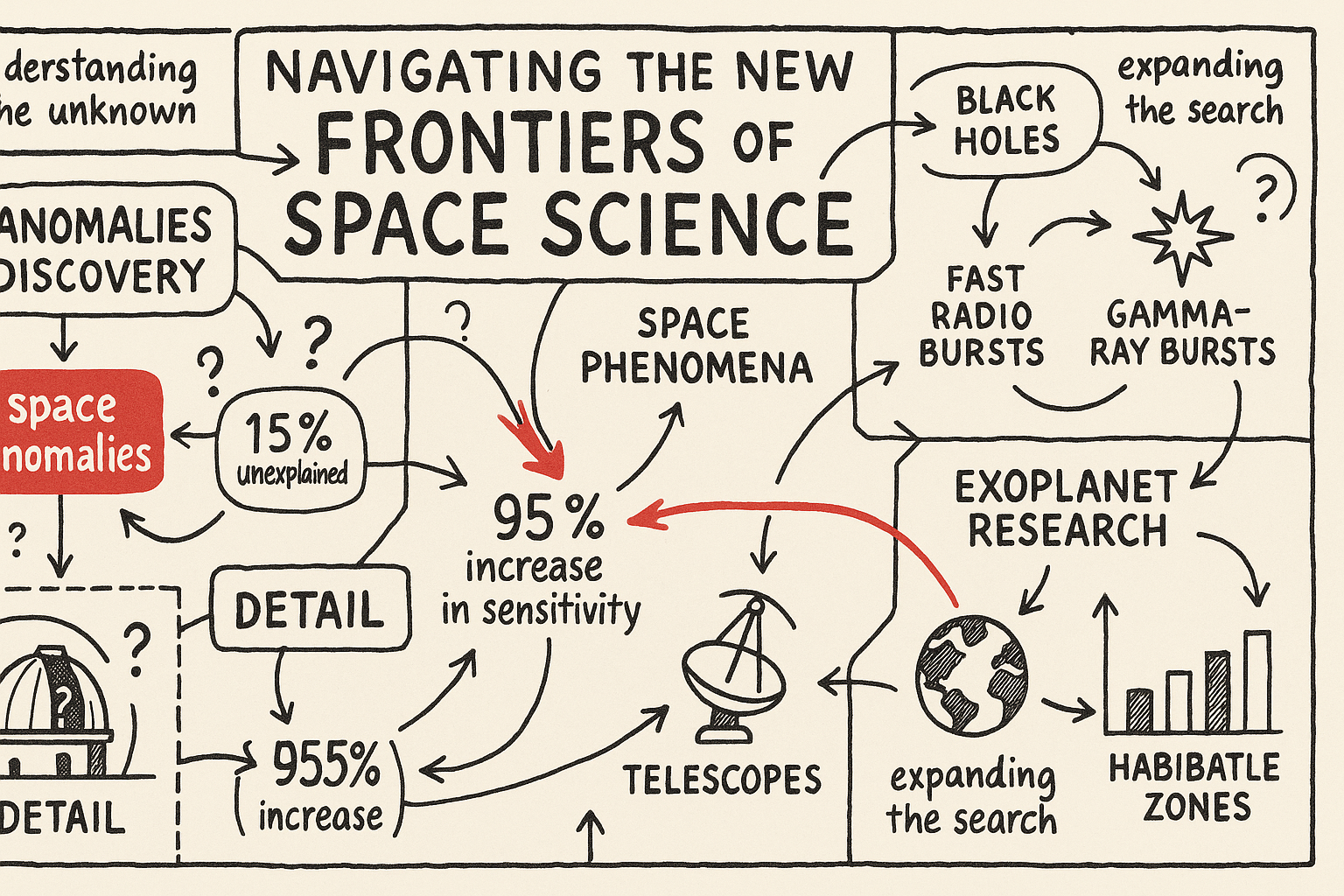
In the ever-evolving field of space science, recent discoveries have challenged our understanding of the cosmos, offering both new insights and perplexing questions. From peculiar exoplanets to ancient interstellar visitors, the latest findings reveal a universe far more dynamic than previously thought.
Unconventional Worlds
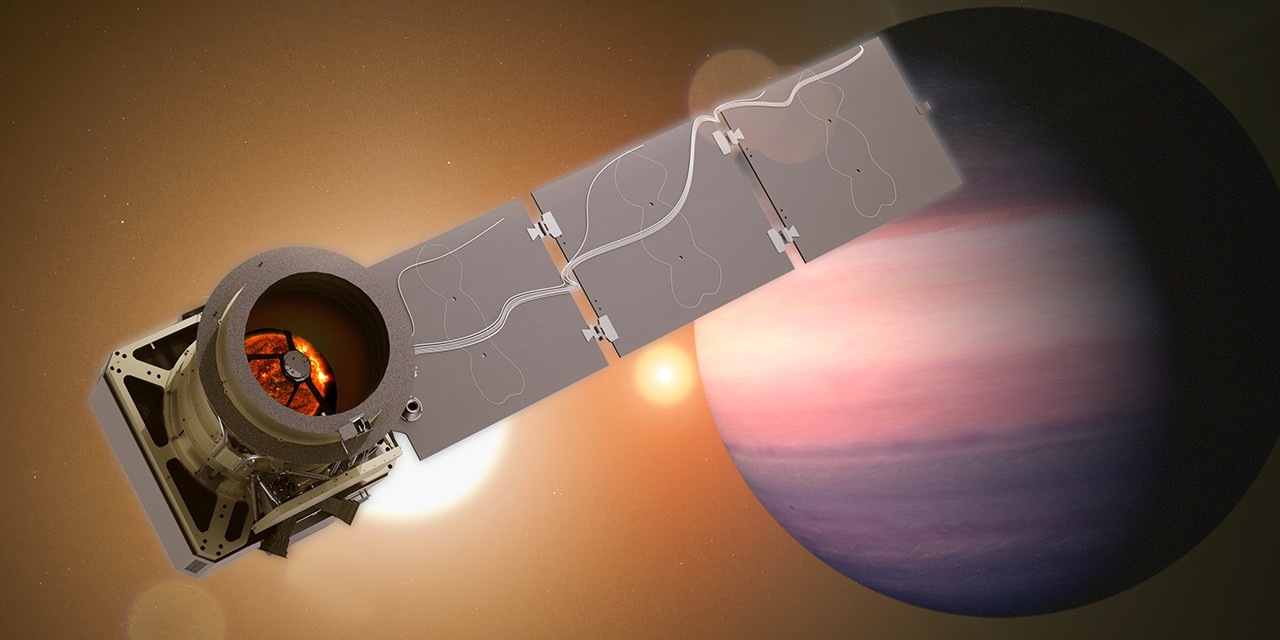
Consider the anomaly of CoRoT-2b, a 'hot Jupiter' exoplanet whose atmospheric 'hot spot' defies the norm by being offset in the opposite direction of its orbit. This defiance of synchrony, where one rotation equals three Earth days, raises questions about tidal forces and atmospheric dynamics in extreme environments. Such findings push the boundaries of planetary science, hinting at more complex atmospheric processes than those observed in our solar system.
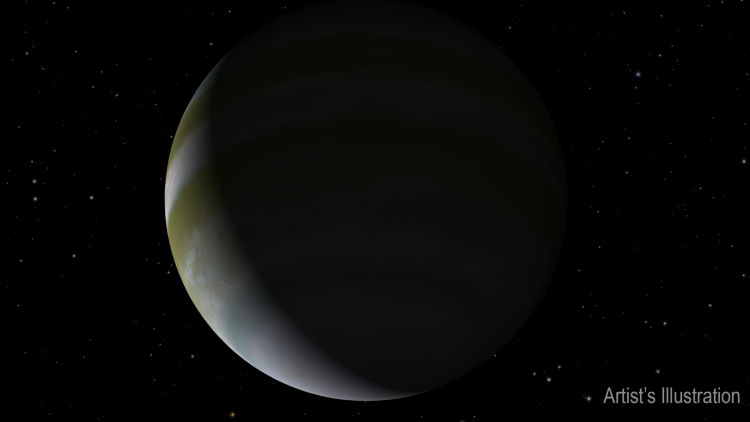
Equally intriguing are the 'super-puff' planets discovered through the Planet Hunters Tess project. These gas giants, nearly the size of Jupiter but with densities lighter than cotton candy, challenge our understanding of planetary formation. Their existence suggests that planetary atmospheres can evolve in unexpected ways, perhaps influenced by factors such as stellar radiation or magnetic fields.
Interstellar Visitors
Another recent revelation comes from the isotopic analysis of the interstellar comet 3I/Atlas. With its origins tracing back 10-12 billion years, long before our solar system's formation, this comet carries a unique isotopic signature, characterized by high deuterium levels and low carbon-13. This suggests it formed in a cold, remote environment, offering a glimpse into the conditions of the early universe and the processes that govern comet formation across different star systems.
Mapping the Invisible
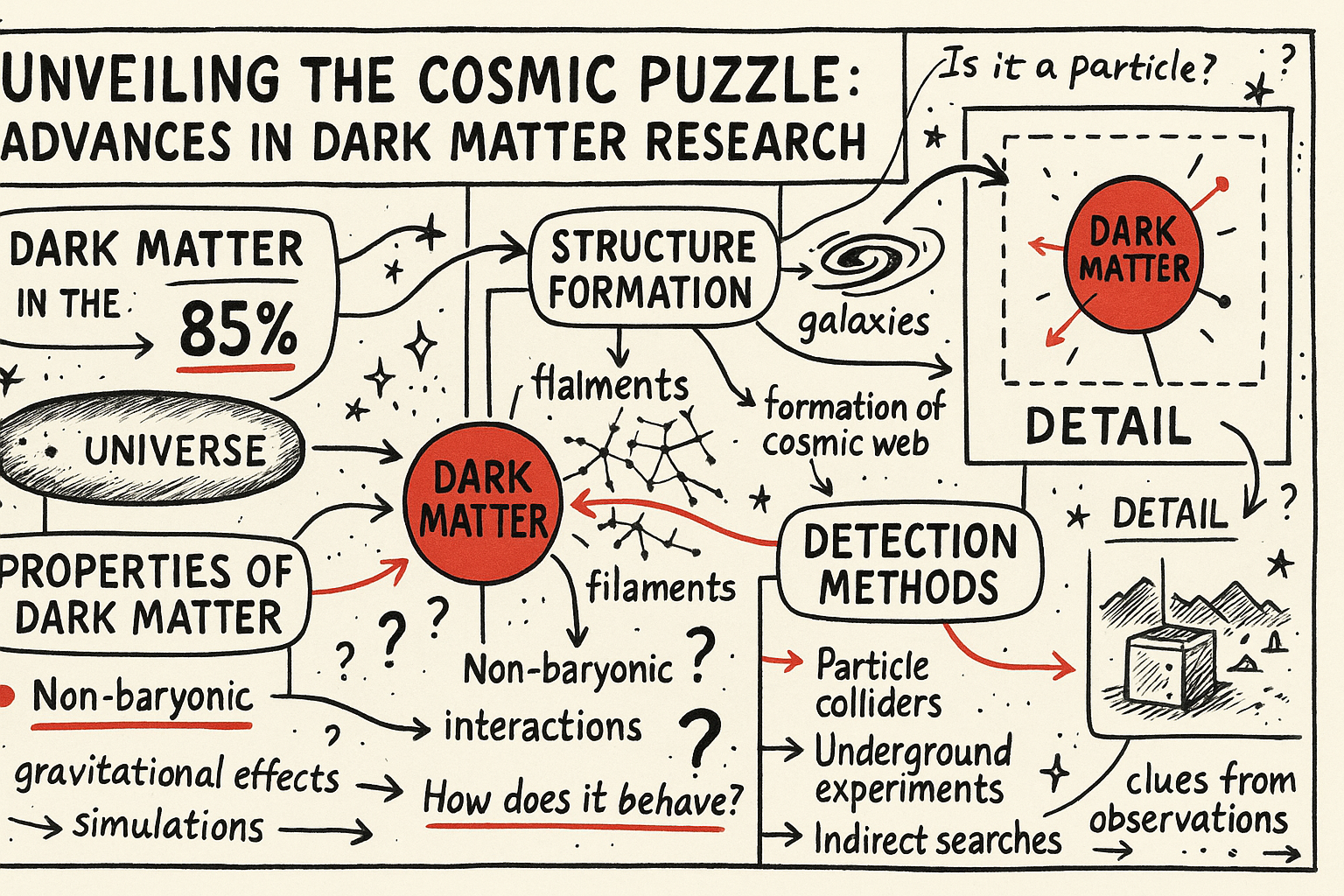
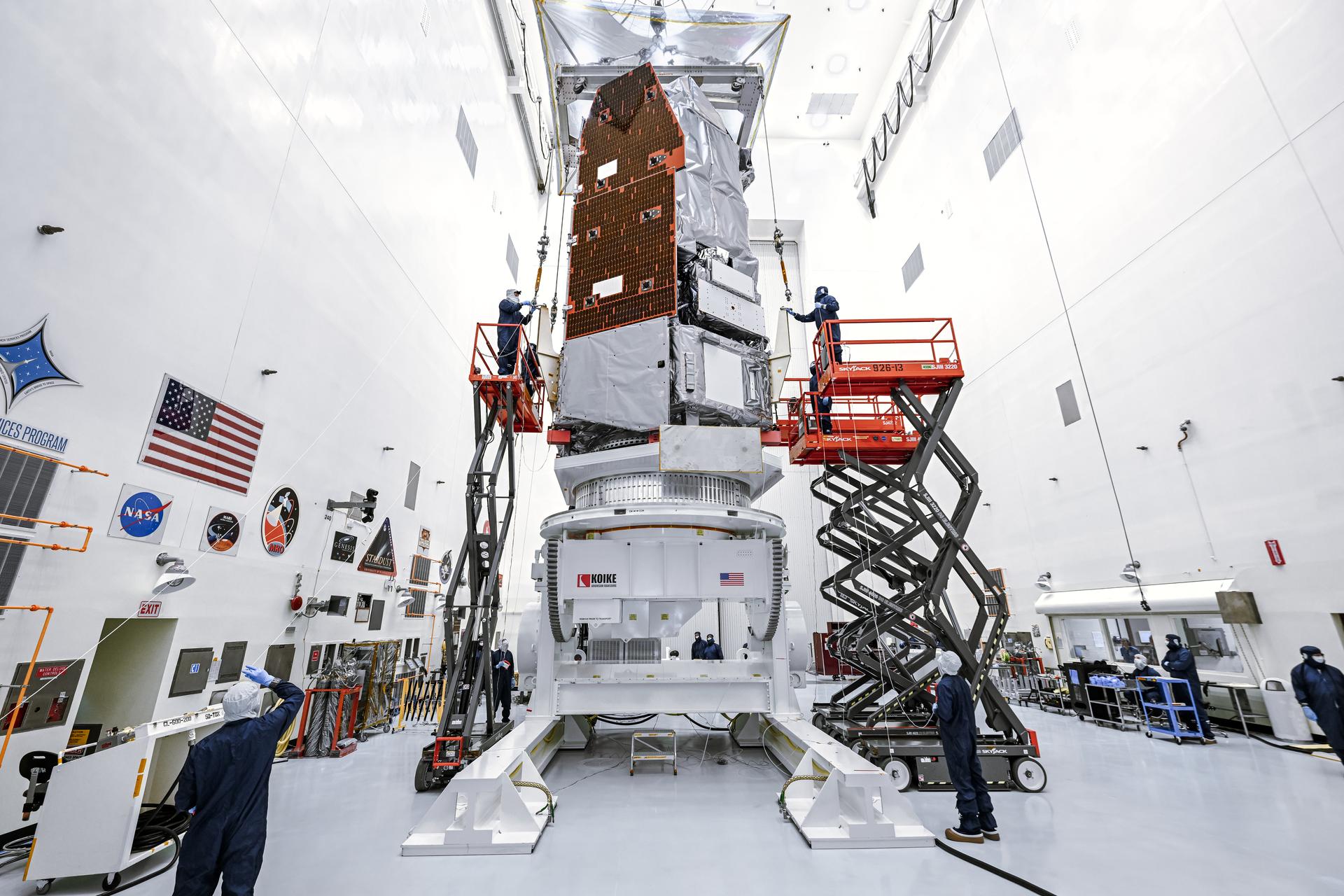
The European Space Agency's (ESA) Euclid mission has made strides in mapping dark matter, a component that eludes direct detection yet constitutes a significant portion of the universe's mass. By analyzing 50,000 galaxies in the Abell 2390 cluster through weak gravitational lensing, Euclid's early results demonstrate the mission's potential to unravel the distribution of dark matter. This endeavor not only enhances our understanding of cosmic structure but also aids in the quest to identify the fundamental nature of dark matter.
Implications for Earth's Future
Closer to home, a study has sparked hope regarding Earth's fate during the Sun's transformation into a red giant. While traditionally viewed as a harbinger of doom, new models suggest that Earth and possibly Mars might survive this stellar evolution phase. This challenges preconceived notions about planetary survivability and emphasizes the need for continuous study of stellar life cycles and their impact on planetary systems.
Surprising Revelations
Among these findings, the survival of Earth during the Sun's red giant phase is perhaps the most counterintuitive. It suggests that planetary systems may be more resilient than previously assumed, offering a new perspective on the longevity of habitability in the universe.
As we continue to probe the mysteries of the cosmos, these discoveries highlight the complexity and diversity of our universe. They underscore the importance of interdisciplinary research and international collaboration in expanding our cosmic horizons. With ongoing advancements in technology and data analysis, the coming years promise even more groundbreaking revelations, reshaping our understanding of the universe and our place within it.