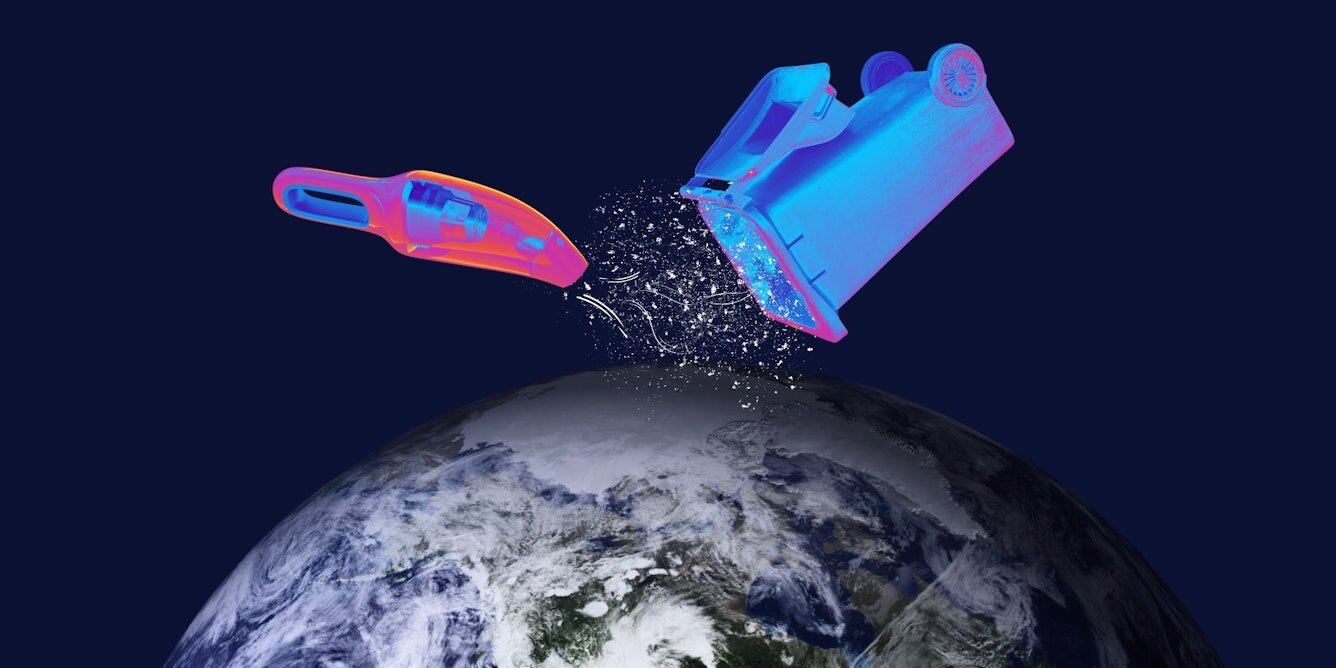
Earth's orbit has become increasingly congested over the past few decades, with over 13,000 tons of space debris now cluttering the space surrounding our planet. This significant accumulation of space junk poses a serious threat to both existing satellites and future space missions, necessitating urgent action in the realms of technology, policy, and philosophy.
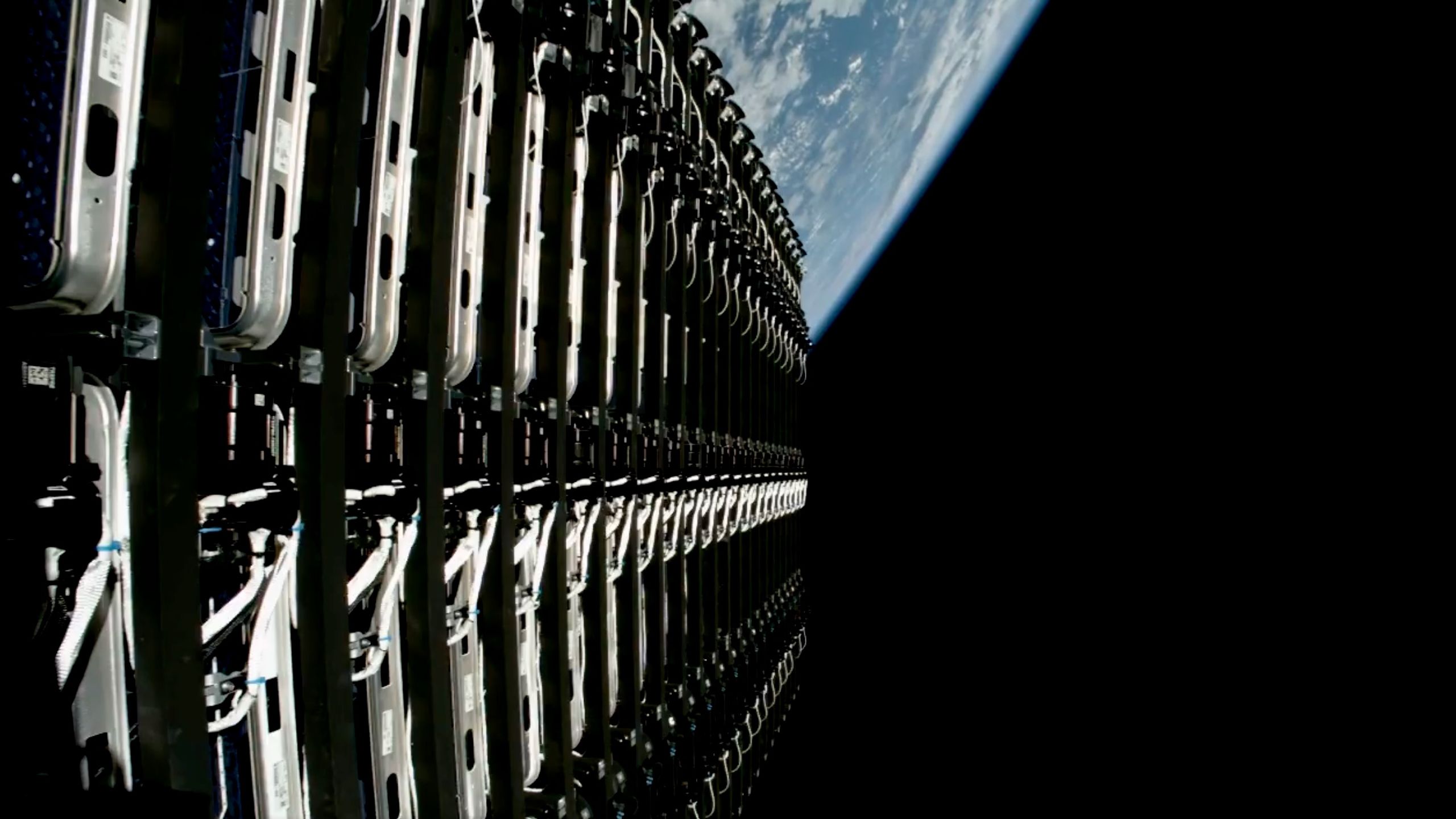
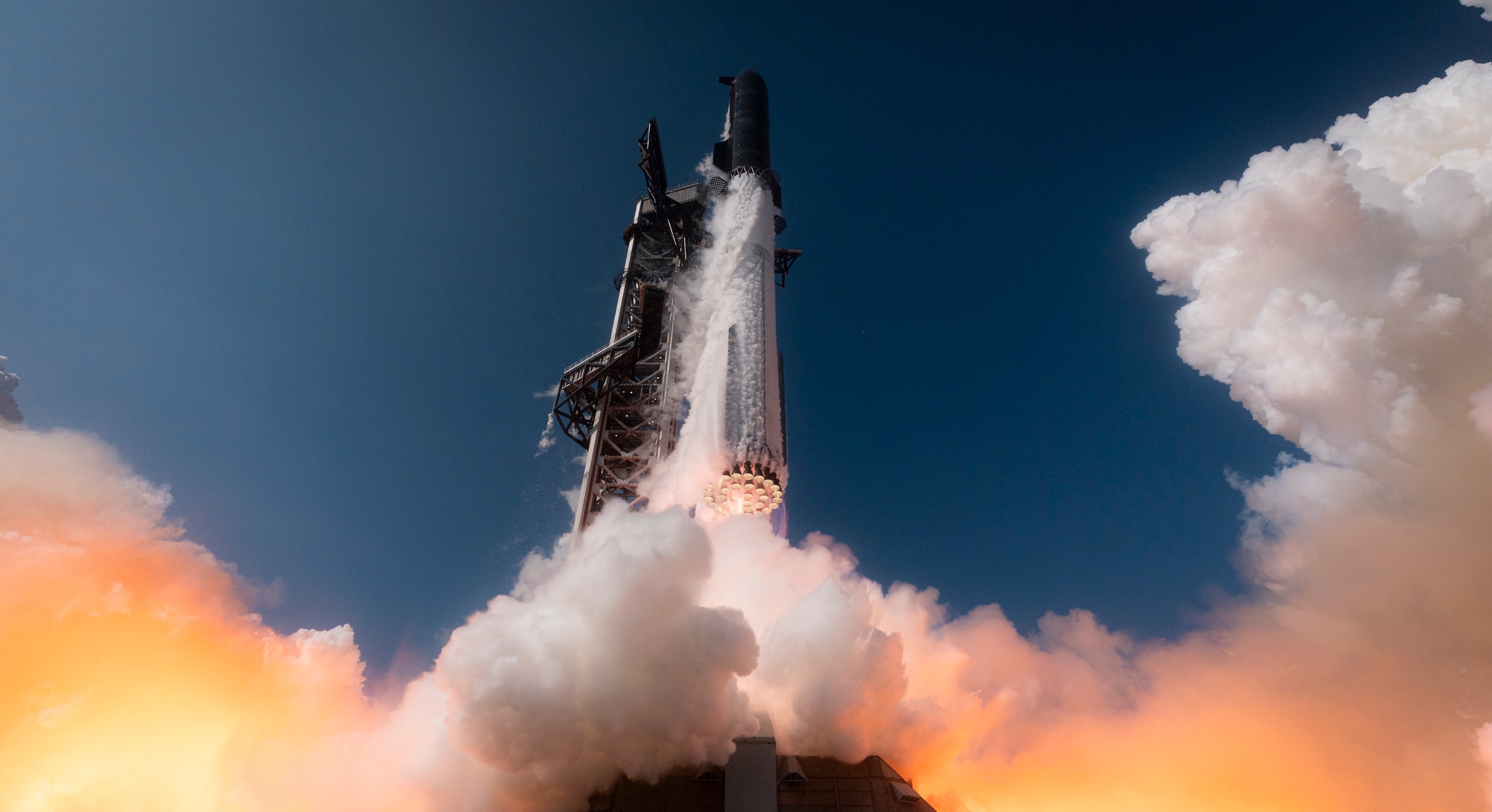
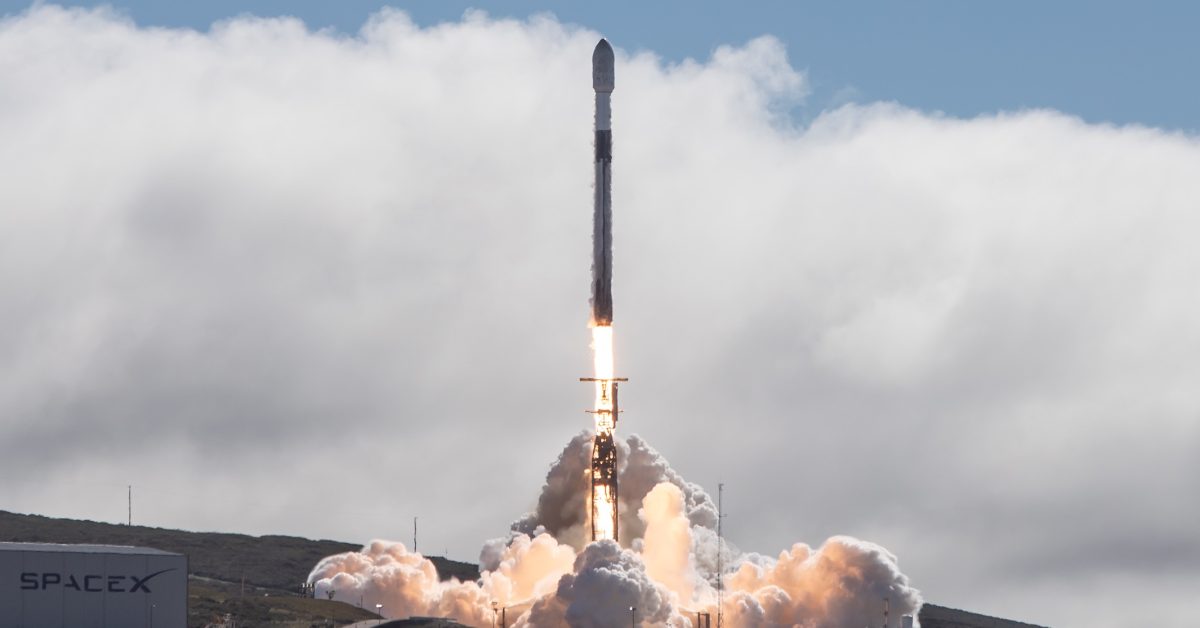
Seventy years ago, our planet's only satellite was the moon. Today, Earth is encircled by more than 15,000 man-made satellites, with Elon Musk's SpaceX accounting for about 10,000 of these. SpaceX's ambitious plans to launch a million more satellites to create a data center megaconstellation underscore the urgent need to address the space junk problem. More satellites in orbit inevitably mean more debris, complicating efforts to maintain the safety and sustainability of space activities.
Space junk encompasses everything in Earth's orbit that no longer serves a purpose. This includes defunct satellites, discarded rocket stages, and even minuscule fragments. There are currently 36,000 pieces of debris larger than 10 centimeters and tens of millions of smaller particles. The cumulative weight of this debris is estimated at 13,486 tons, equivalent to the mass of 13 million adult cane toads.
The United States, Russia (including the former USSR), and China are the primary contributors to this growing problem. The debris orbits at extremely high speeds, averaging 7 kilometers per second in low Earth orbit. Even a small piece of debris traveling at such velocities can cause significant damage upon collision, potentially generating even more debris. This cascading effect is known as the Kessler syndrome, a scenario in which each collision creates more debris, leading to an endless cycle that could render certain orbital regions unusable or even cut off Earth's access to space.
The risks posed by space junk are not hypothetical. The International Space Station (ISS), for example, must maneuver at least once a year to evade potential collisions with debris. The default strategy for dealing with space junk is to allow it to re-enter Earth's atmosphere, where it usually incinerates. However, this process now contributes to atmospheric pollution, releasing soot and alumina particles that can harm the ozone layer—a crucial shield against ultraviolet radiation.
Addressing the space junk dilemma requires a multifaceted approach. Technologically, innovative solutions are needed to physically remove debris from orbit or prevent its creation in the first place. Concepts such as harpoons, nets, and robotic arms have been proposed to capture larger pieces of debris. Policy-wise, international cooperation is crucial to establish guidelines and norms for responsible space activity. This includes developing regulations for satellite deorbiting and debris mitigation measures.
Philosophically, there is a need to rethink our relationship with space. As the number of space missions continues to grow, so too must our commitment to preserving the space environment for future generations. This involves balancing commercial interests with environmental stewardship, ensuring that space remains a sustainable frontier for exploration and utilization.
In conclusion, the growing problem of space junk presents a significant challenge to the future of space exploration and satellite operations. With plans for massive satellite constellations moving forward, the need for effective solutions is more pressing than ever. By addressing this issue through technological innovation, international policy collaboration, and a philosophical shift in how we view our orbital environment, we can work towards a sustainable future in space.