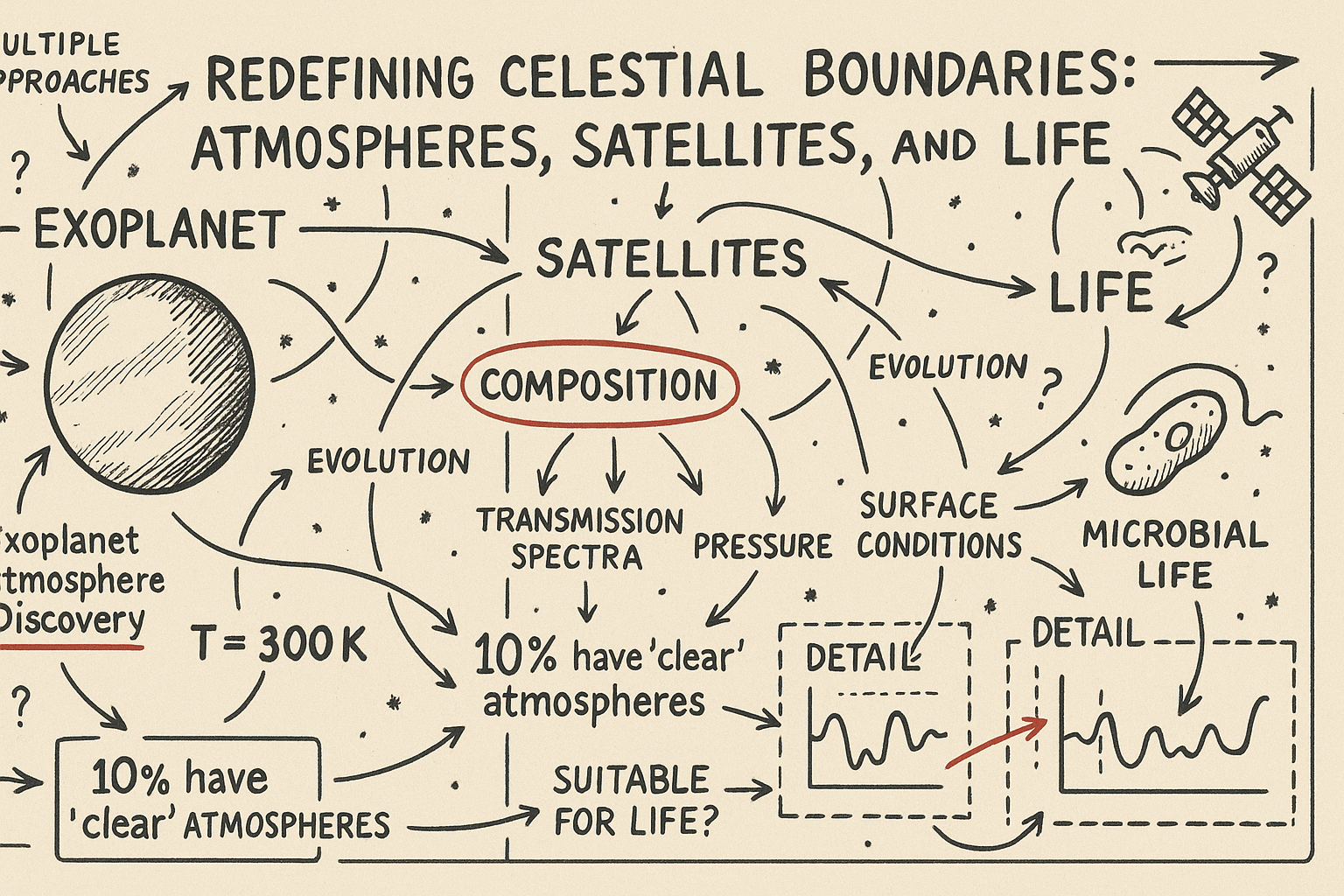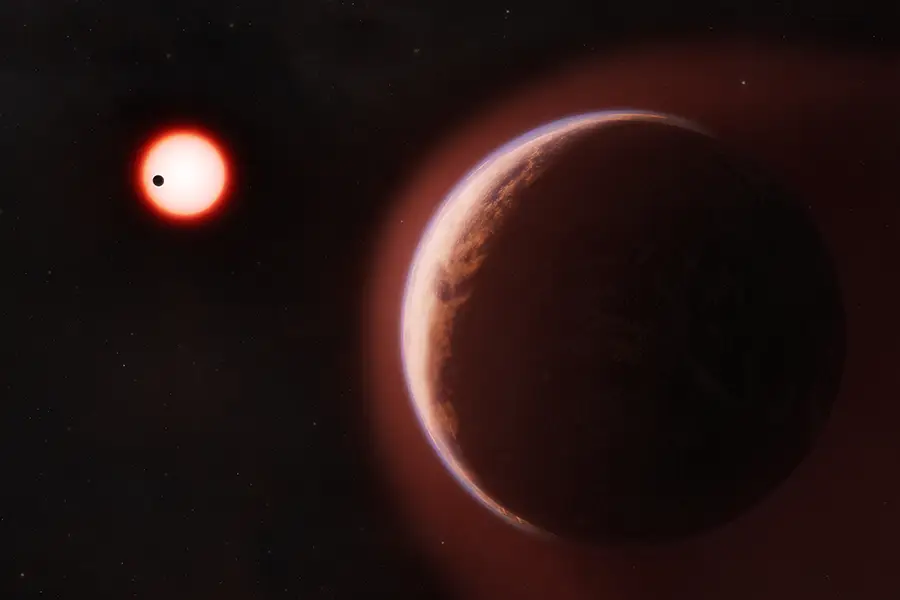
In the ever-evolving quest to discover life beyond Earth, the study of exoplanet atmospheres has emerged as a critical frontier. Given the current technological limitations in directly imaging exoplanetary surfaces, scientists have turned their focus to these distant atmospheres in search of biosignatures. Now, the proposed Nautilus Space Observatory, a mission concept developed by researchers in the United States and the United Kingdom, offers a promising new approach to this challenge.
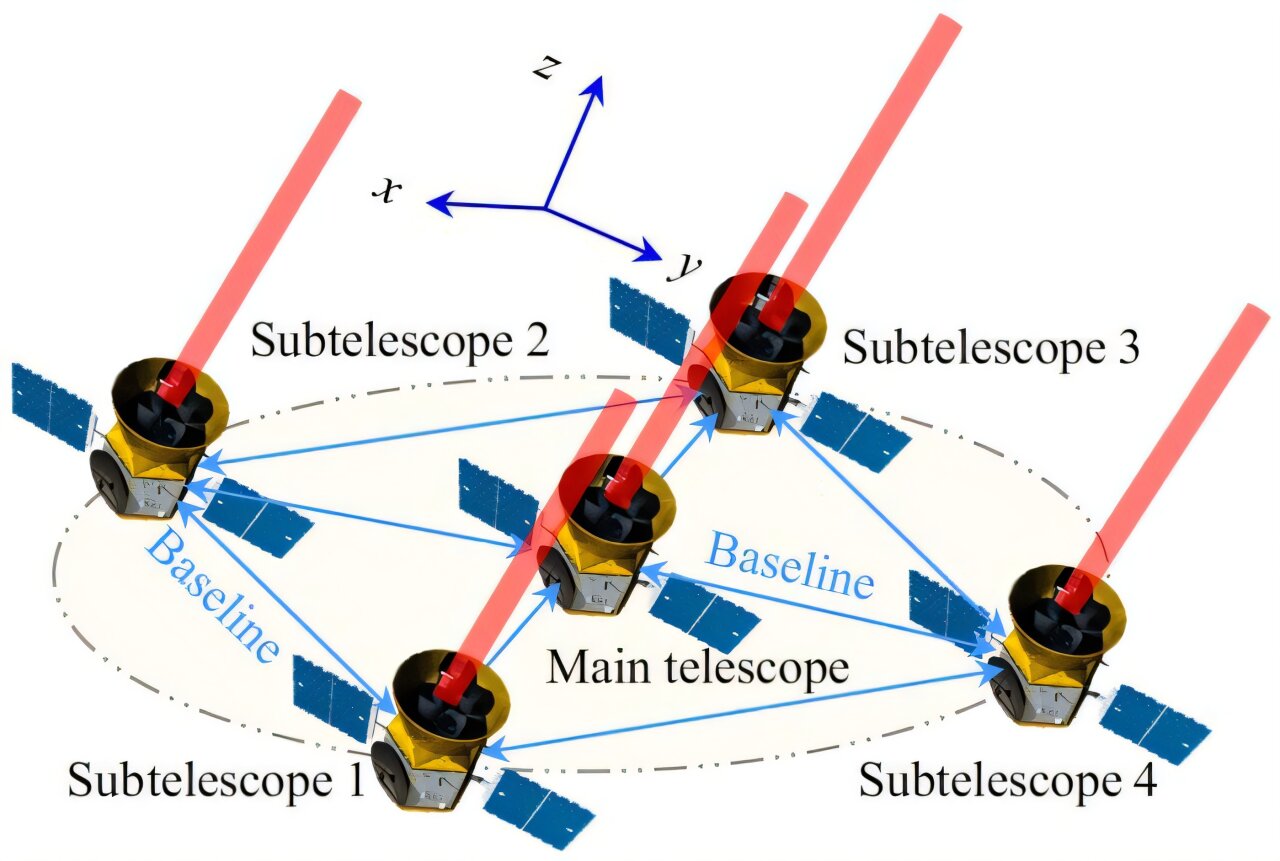
As detailed in a recent white paper posted on arXiv, the Nautilus Space Observatory, also referred to as the Nautilus Deep Space Observatory (NDSO), could revolutionize the study of exoplanets and their atmospheres. The mission envisions a constellation of space telescopes designed to be both rapidly deployable and operationally simple, yet capable of conducting groundbreaking science due to their large diameters. The University of Arizona, which spearheaded the proposal in the late 2010s, plans for the observatory to consist of 35 space telescopes, each featuring lenses with a diameter of 8.5 meters (28 feet) and a total size of 14 meters (46 feet).
The scientific objectives outlined for Nautilus are ambitious. They include elucidating the evolutionary pathways of exoplanets, particularly focusing on the most common types: super-Earths and sub-Neptunes. Current estimates suggest that 30 to 50 percent of Sun-like stars host at least one of these types of exoplanets. Understanding the timescales of how these planets evolve, lose atmospheric mass, and change their carbon-oxygen ratios is crucial for astrobiology.
One of the primary challenges in studying exoplanetary atmospheres is the vast range of timescales involved, from the nascent stages of a protoplanetary disk to the mature phases of a planet billions of years old. Nautilus aims to tackle these challenges by providing high spatial resolution, broad-wavelength coverage, and a large effective area for observation, thanks to its array of telescopes. This capability will enable researchers to isolate the physical processes that govern planetary evolution and atmospheric changes, thereby directly supporting NASA’s Cosmic Origins and Exoplanet Exploration Programs.
Presently, instruments like the Atacama Large Millimeter Array (ALMA) and NASA's James Webb Space Telescope (JWST) are enhancing our ability to observe and analyze exoplanet atmospheres. However, the Nautilus Space Observatory is poised to extend this capability by offering a more comprehensive and detailed examination of these distant worlds. By understanding how exoplanet atmospheres form and evolve, scientists hope to glean insights into the conditions necessary for life and, by extension, the potential habitability of these planets.
The Nautilus mission, with its novel approach and advanced technological design, represents a significant step forward in exoplanetary science. If successfully deployed, it could provide critical data that would help answer longstanding questions about the nature of exoplanets and their potential to support life. As the field of astrobiology continues to grow, such innovations will be indispensable in the ongoing search for extraterrestrial life.