The U.S. Space Force, known for its expedited approach to military acquisition, is currently navigating a series of challenges in its satellite procurement programs. A recent report by the Government Accountability Office (GAO) has highlighted ongoing issues such as cost growth, development delays, and technological immaturity that continue to affect major defense acquisition programs.
The GAO's annual assessment, released on July 2, 2026, provides a comprehensive review of over 100 of the Pentagon's largest acquisition programs, with a particular focus on 13 Space Force procurements. These include projects related to missile-warning satellites, military satellite communications, national security launches, and the Space Development Agency's low Earth orbit constellation.
Despite efforts to reform acquisition practices and implement rapid procurement pathways, the GAO report notes that the Pentagon's programs often initiate development with technologies that are not fully matured. This reliance on outdated acquisition practices hampers the timely fielding of essential weapon systems.
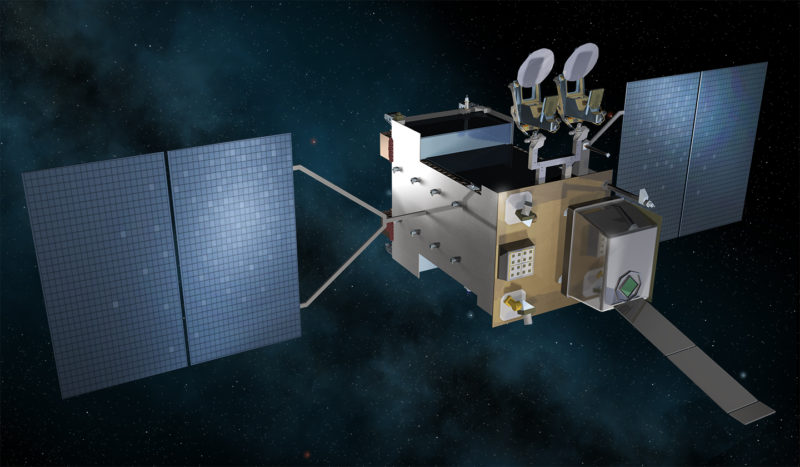
A critical focus of the report is the Next Generation Overhead Persistent Infrared (Next Gen OPIR) geosynchronous missile-warning constellation. This program is intended to replace the aging Space Based Infrared System, providing early warning capabilities for ballistic missile threats against the United States and its allies. The GAO estimates the acquisition cost of the Next Gen OPIR GEO program at $9.5 billion, with significant cost overruns attributed to software development complexities and engineering challenges faced by the mission payload subcontractor.
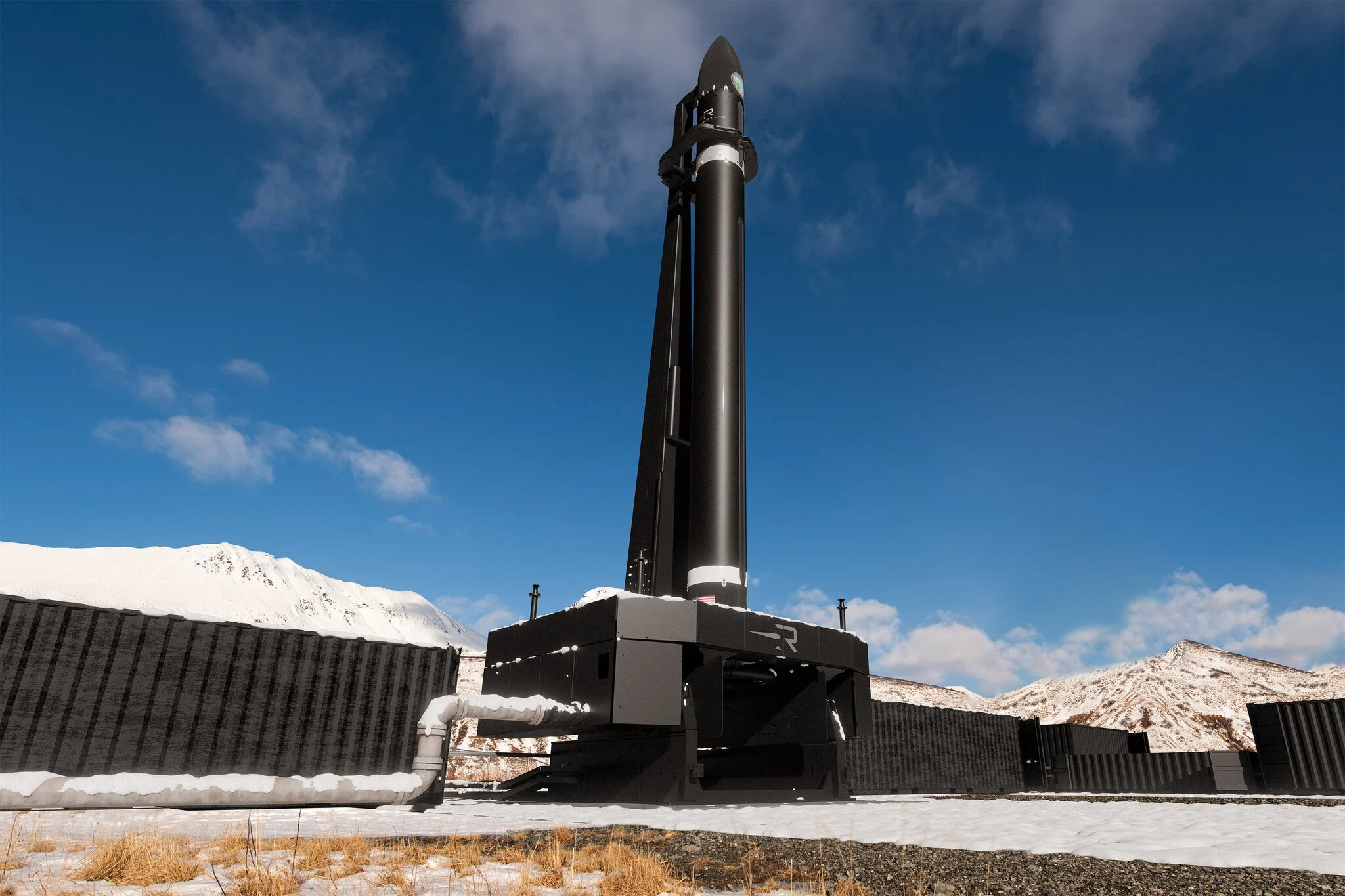
One of the two geosynchronous satellites in the Next Gen OPIR GEO program was completed earlier this year. However, its launch schedule remains uncertain due to its reliance on United Launch Alliance's Vulcan rocket, which is currently grounded following a launch anomaly. This uncertainty exemplifies the risks associated with relying on specific launch vehicles, underscoring the broader challenges the Space Force faces in maintaining its procurement timelines.
The GAO report also examines the broader adoption of digital engineering practices within the Pentagon. While the agency has embraced digital engineering in principle, practical implementation has been lacking. The report highlights that digital twins are largely absent, digital threads are only partially implemented, and other modern engineering practices are insufficiently adopted. These gaps hinder the ability to achieve rapid acquisition and integration of new technologies.
Looking forward, the Space Force's ability to overcome these challenges will be crucial for maintaining its strategic edge in space operations. The GAO's findings underscore the need for continued reform and adoption of advanced engineering practices to streamline procurement processes and reduce costs.
As the Space Force seeks to enhance its satellite capabilities, the lessons from the GAO report provide a roadmap for addressing the structural and technological hurdles that currently impede progress. By advancing digital engineering and revising acquisition strategies, the agency can potentially mitigate risks and improve the efficiency of its satellite programs.