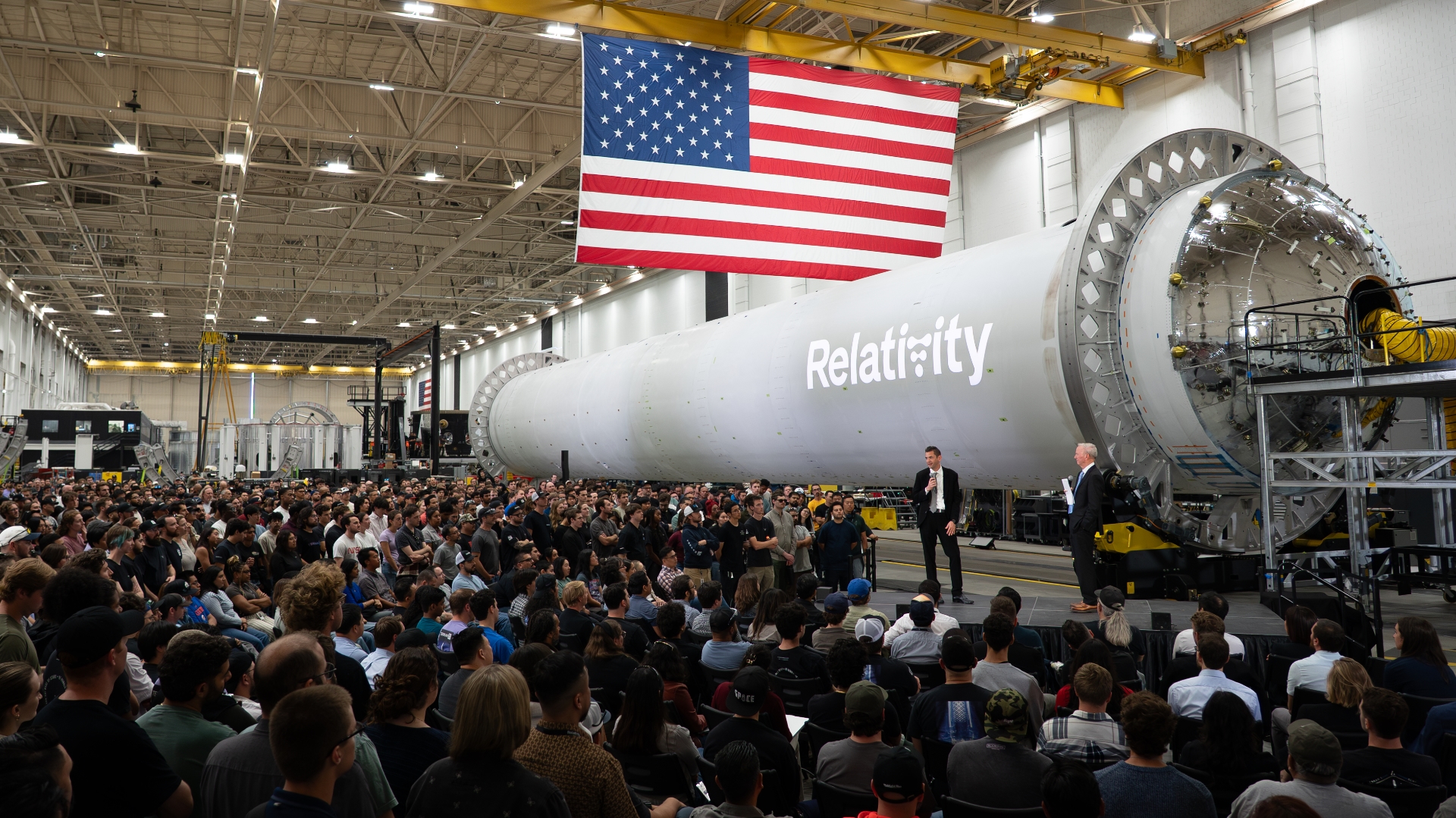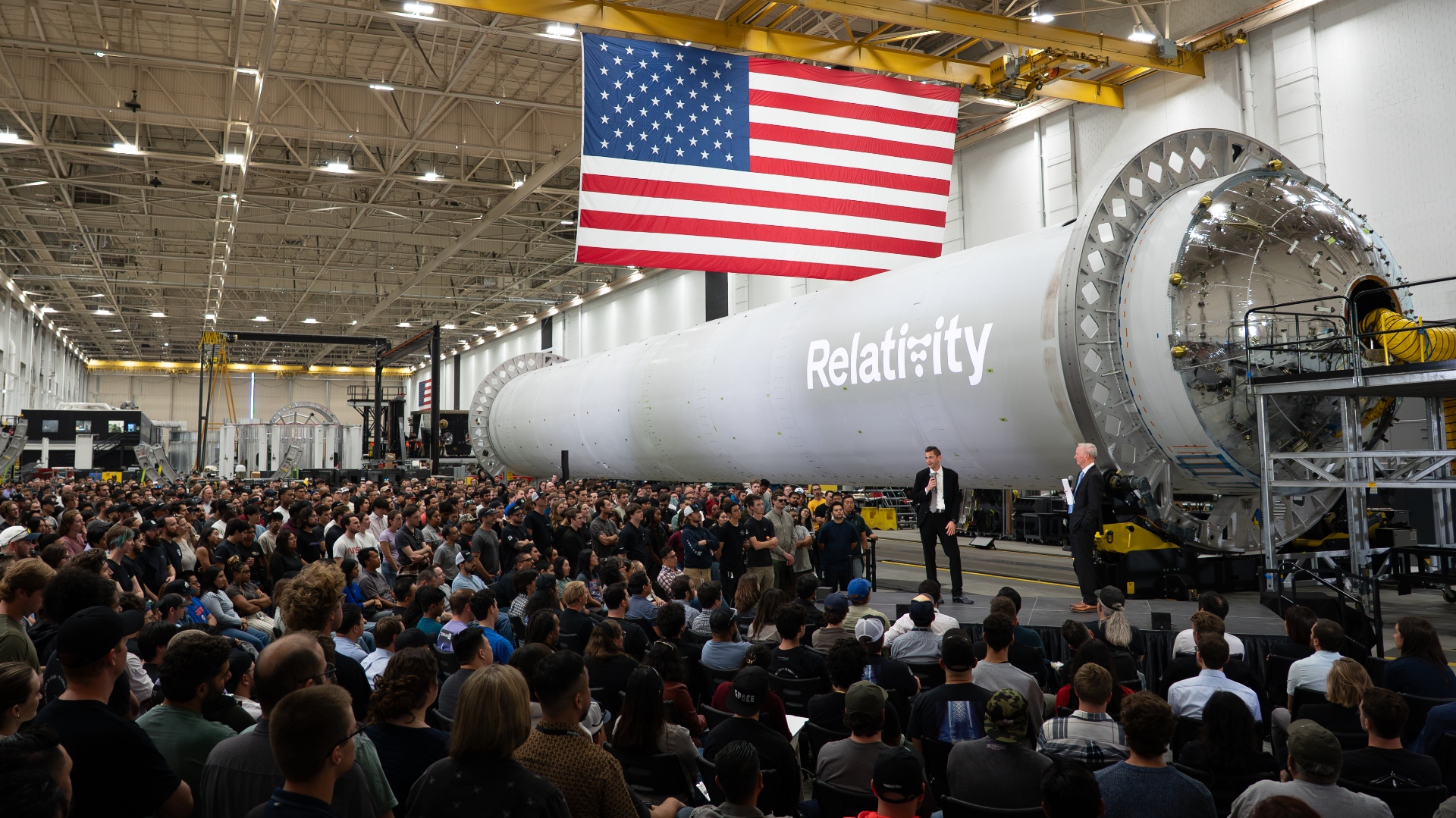
NASA has entered a groundbreaking partnership with Relativity Space to execute a mission to Mars, scheduled for 2028. Announced by NASA Administrator Jared Isaacman at an event hosted by Relativity Space, this collaboration signifies a notable shift in how NASA approaches deep space exploration. The mission, dubbed Aeolus, will deliver a suite of weather instruments designed to provide unprecedented daily insights into Martian climatic conditions.
This initiative marks NASA's evolving strategy of leveraging public-private partnerships for deep space missions, a concept previously explored through cargo deliveries to the International Space Station and lunar science gear transportation. However, applying this model to Mars missions is relatively new. The space agency began evaluating this approach in 2024 to determine if private sector involvement could reduce costs and facilitate more frequent missions to the Red Planet.
Under this new model, NASA will focus on developing the Aeolus payload, while Relativity Space will take responsibility for the spacecraft, rocket, and interplanetary flight operations required to deliver the hardware to Mars. The Aeolus mission aims to provide the first consistent global monitoring of Martian winds, temperatures, dust, and clouds. These insights are crucial for understanding Martian weather patterns, which is essential for the safe navigation and landing of future robotic and human missions on Mars.
The Aeolus payload comprises four specialized sensors designed by researchers at the NASA Ames Research Center in California. These instruments will measure surface energy, dust thickness, cloud properties, and wind speeds and temperatures up to 60 kilometers above the Martian surface. Additionally, a specialized camera will capture daily atmospheric images. NASA plans to process the collected data and support the scientific operations for at least one Martian year, equivalent to approximately 687 Earth days, while Relativity Space will maintain the spacecraft.
This collaboration operates under a six-year Space Act Agreement, which offers mutual benefits. NASA can concentrate its resources on high-value scientific instruments and data processing without the financial burden of developing a launch vehicle. In return, Relativity Space gains the opportunity to showcase its Terran rocket and spacecraft on a high-profile interplanetary mission, enhancing its credibility and experience in the space industry.
The Aeolus mission represents a significant step forward in both technological and operational aspects of Mars exploration. By integrating NASA's expertise in scientific instruments with Relativity Space's commercial innovation and investment, the partnership aims to deliver more scientific data with reduced timeframes, ultimately accelerating preparations for future human missions to Mars.
Jared Isaacman highlighted the collaborative potential of such partnerships, stating, "Public-private partnerships like this are a force multiplier for science. By pairing NASA's world-class instruments with commercial innovation and investment, we can deliver more science, more often, and reduce the time it takes to get essential data into the hands of researchers preparing for future human missions to Mars."
As NASA continues to explore partnerships with private industry, the Aeolus mission could set a precedent for future collaborations in space exploration. By demonstrating the potential for cost-effective and frequent missions to Mars, this initiative may pave the way for a new era of interplanetary exploration, where scientific advancements are achieved through the combined efforts of public and private sectors.