NASA and Relativity Space have embarked on a pioneering public-private partnership to advance Martian scientific exploration, with a mission slated for launch in 2028. Announced on June 17, 2026, this collaboration represents a novel approach for NASA, which is increasingly engaging private companies to enhance its capability for deep space research.
Under this agreement, NASA will develop the Aeolus payload, a set of sophisticated weather instruments designed to provide the first daily, global observations of winds, temperatures, dust, and cloud formations on Mars. This payload is being engineered by researchers at NASA's Ames Research Center in California. Relativity Space, known for its innovative 3D-printed rocket technology, will supply the spacecraft, launch vehicle, and manage the interplanetary flight operations necessary to deliver the Aeolus instruments to Mars.
The concept of utilizing commercial delivery services for a Mars mission marks a significant departure from traditional NASA-led operations. While the agency has previously collaborated with private companies for missions to the International Space Station and the Moon, extending this model to Mars is a relatively new strategy. NASA's exploration of this approach began in 2024, driven by the potential benefits of cost reduction and an increased frequency of scientific missions to the Red Planet.
Relativity Space's involvement is particularly noteworthy due to its cutting-edge approach to rocket manufacturing. The company utilizes advanced 3D printing techniques to construct its rockets, a method that promises to streamline production processes and reduce costs. This efficiency aligns with NASA's objectives to make Mars exploration more sustainable and frequent.
The Aeolus mission's data collection is expected to significantly enhance the understanding of Martian weather patterns. By providing continuous monitoring of surface and atmospheric conditions, scientists will gain insights into the planet's meteorological dynamics, which can inform future exploration and potential human settlement.
This collaboration is seen as a strategic move by NASA to leverage the strengths of the private sector in advancing planetary science. The partnership with Relativity Space exemplifies how the agency is adapting its strategies to include commercial entities in its exploration initiatives, aiming to benefit from their agility and innovation.
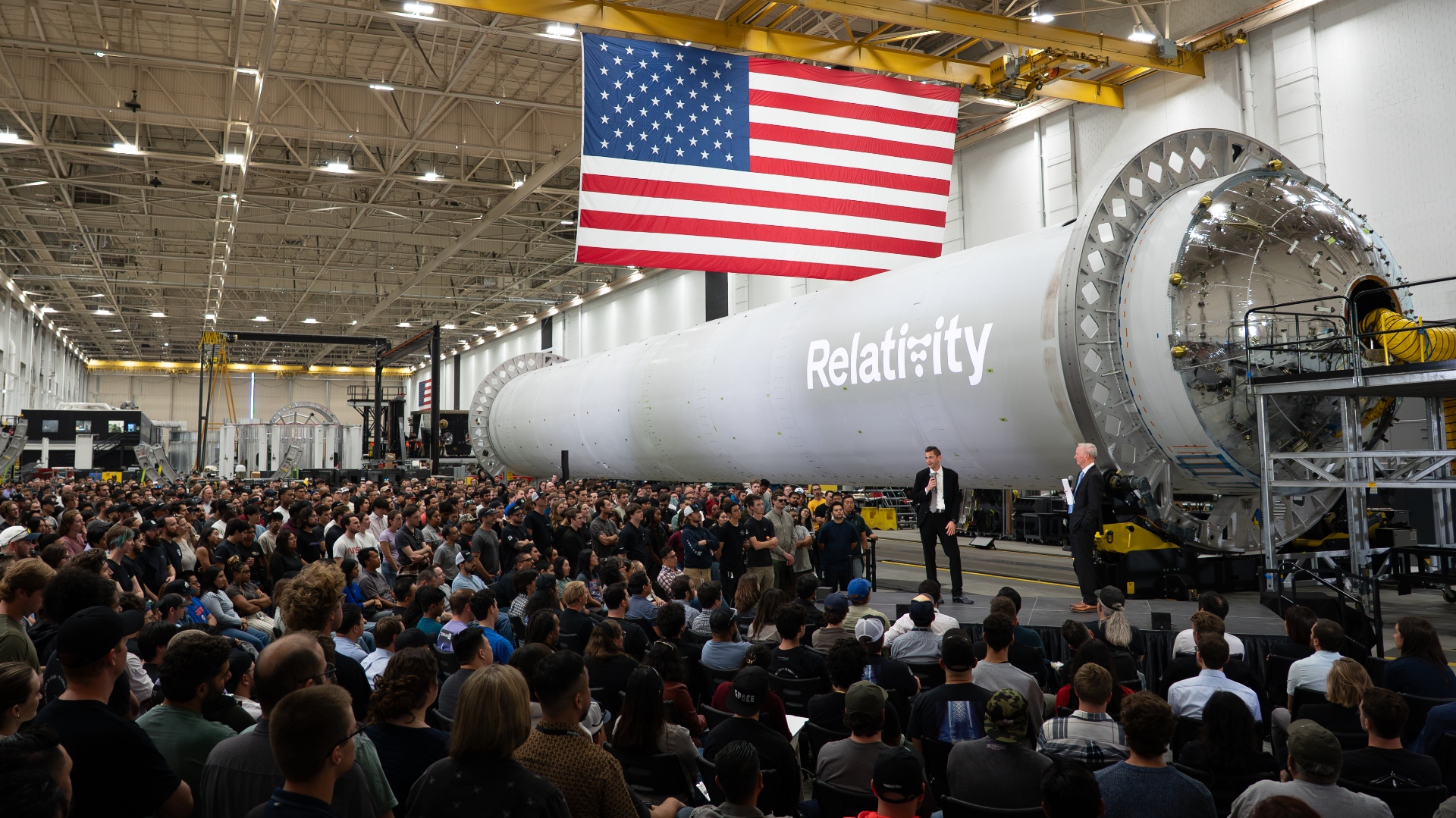
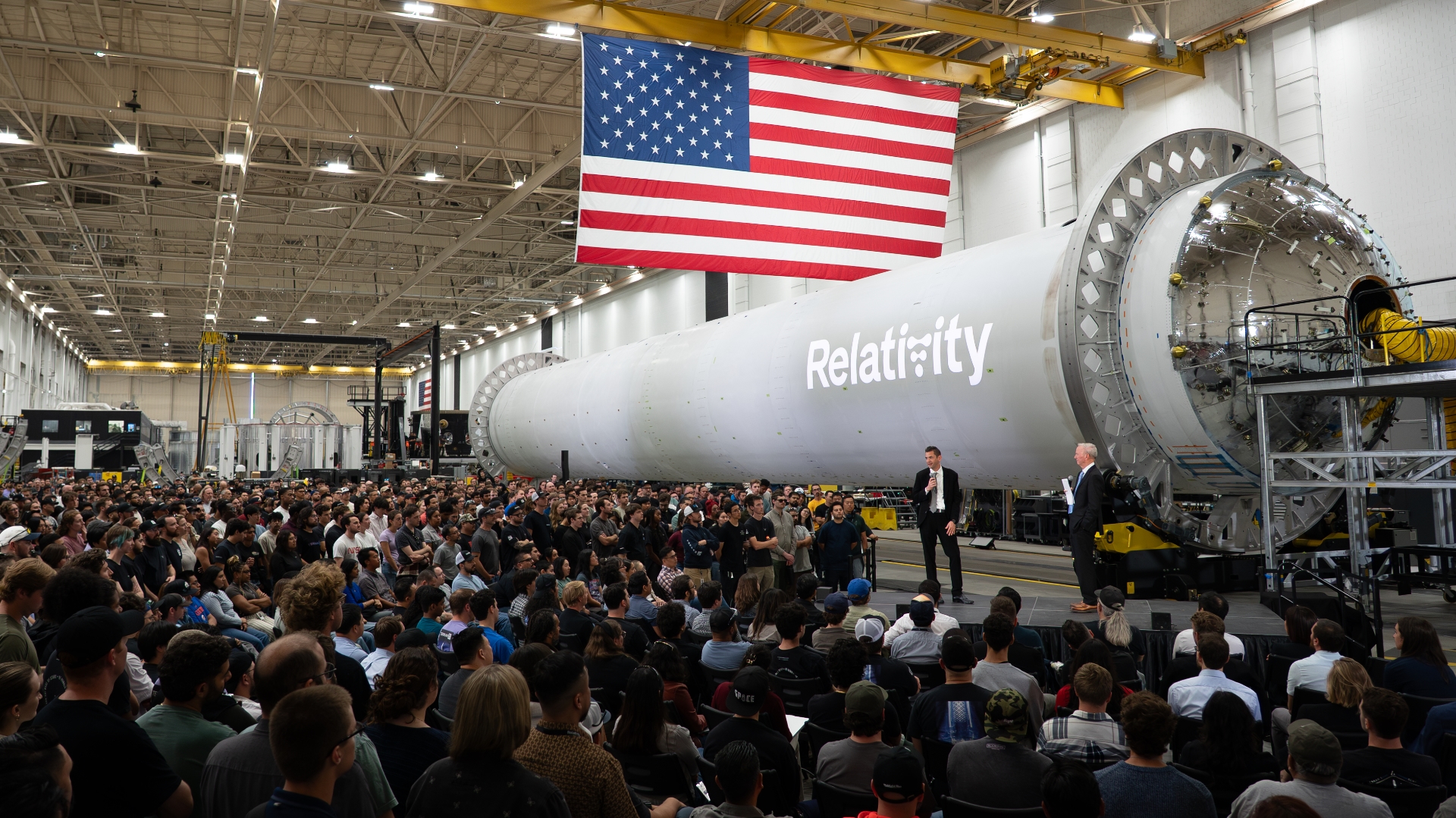
NASA Administrator Jared Isaacman emphasized the importance of this partnership, stating that it not only represents a new chapter in Mars exploration but also sets a precedent for future collaborations. "This mission underscores our commitment to harnessing the capabilities of the private sector to push the boundaries of what is possible in space exploration," Isaacman noted during the announcement event held at Relativity Space's facilities.
As the countdown to the 2028 launch continues, both NASA and Relativity Space are preparing to address the technical and logistical challenges that come with sending instruments to another planet. This mission is positioned as a critical step forward in NASA's long-term strategy to explore Mars and eventually send humans to the surface.
The success of this mission could pave the way for more frequent and cost-effective scientific missions to Mars, opening new opportunities for research and exploration. It highlights the evolving landscape of space exploration, where collaboration between public agencies and private companies is becoming increasingly integral to achieving ambitious goals beyond Earth's orbit.