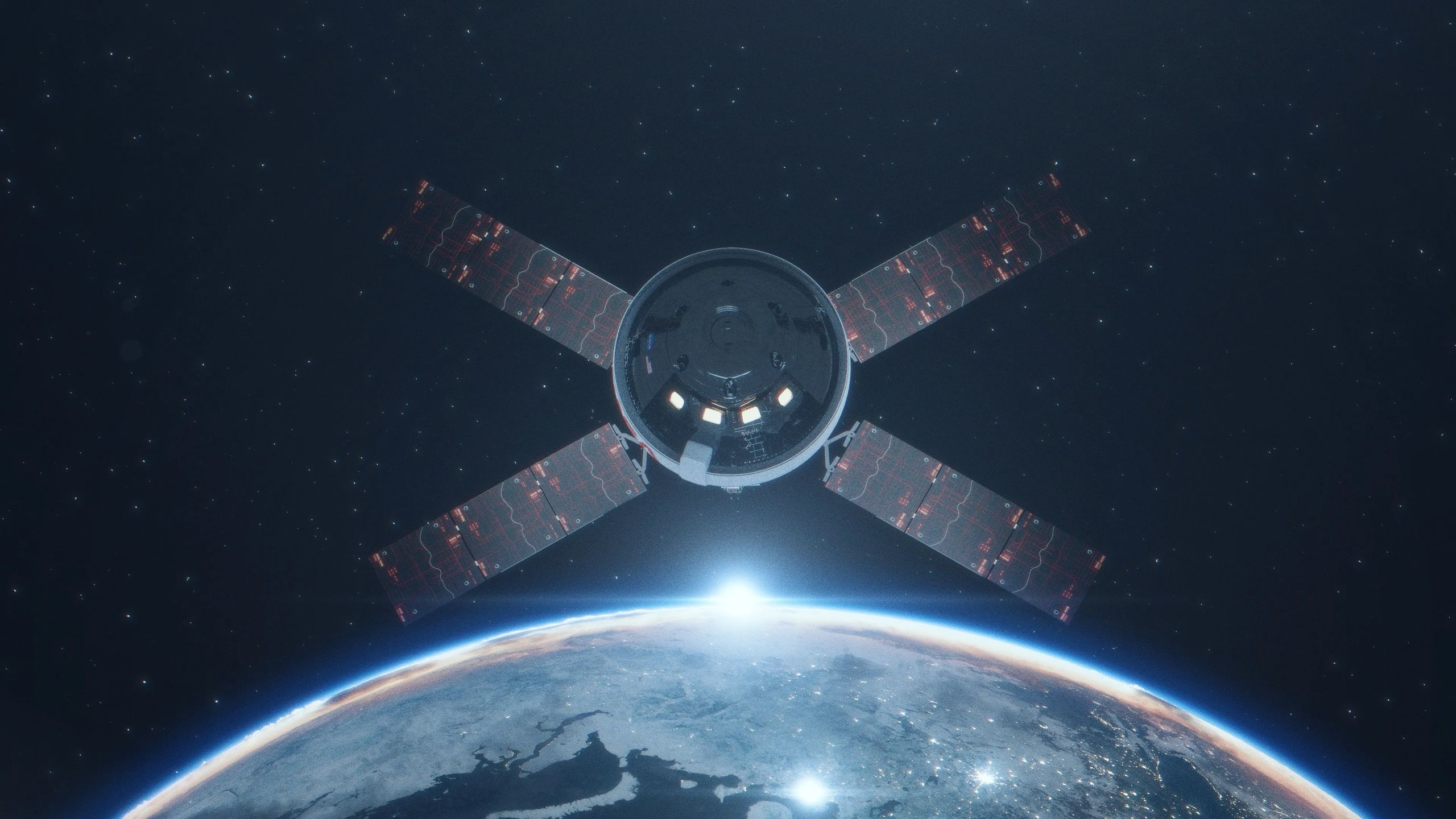
SpaceX and United Launch Alliance (ULA) are making significant strides in rocket technology, with both companies achieving important milestones in their respective programs. From SpaceX's highly anticipated debut of its next-generation Starship vehicle to ULA's critical booster testing amid an ongoing anomaly investigation, the American launch industry is pushing forward on multiple fronts simultaneously.
Starship V3 Prepares for Flight 12 Debut
SpaceX is preparing for the debut of its Starship Version 3, scheduled for no earlier than May 19, 2026. This launch will mark the first use of the updated Launch Pad 2, designed to support both launch and catch operations. Notably, it will also be Starship's first flight in nearly seven months — a lengthy pause driven by the extensive modifications and upgrades that define the V3 vehicle.
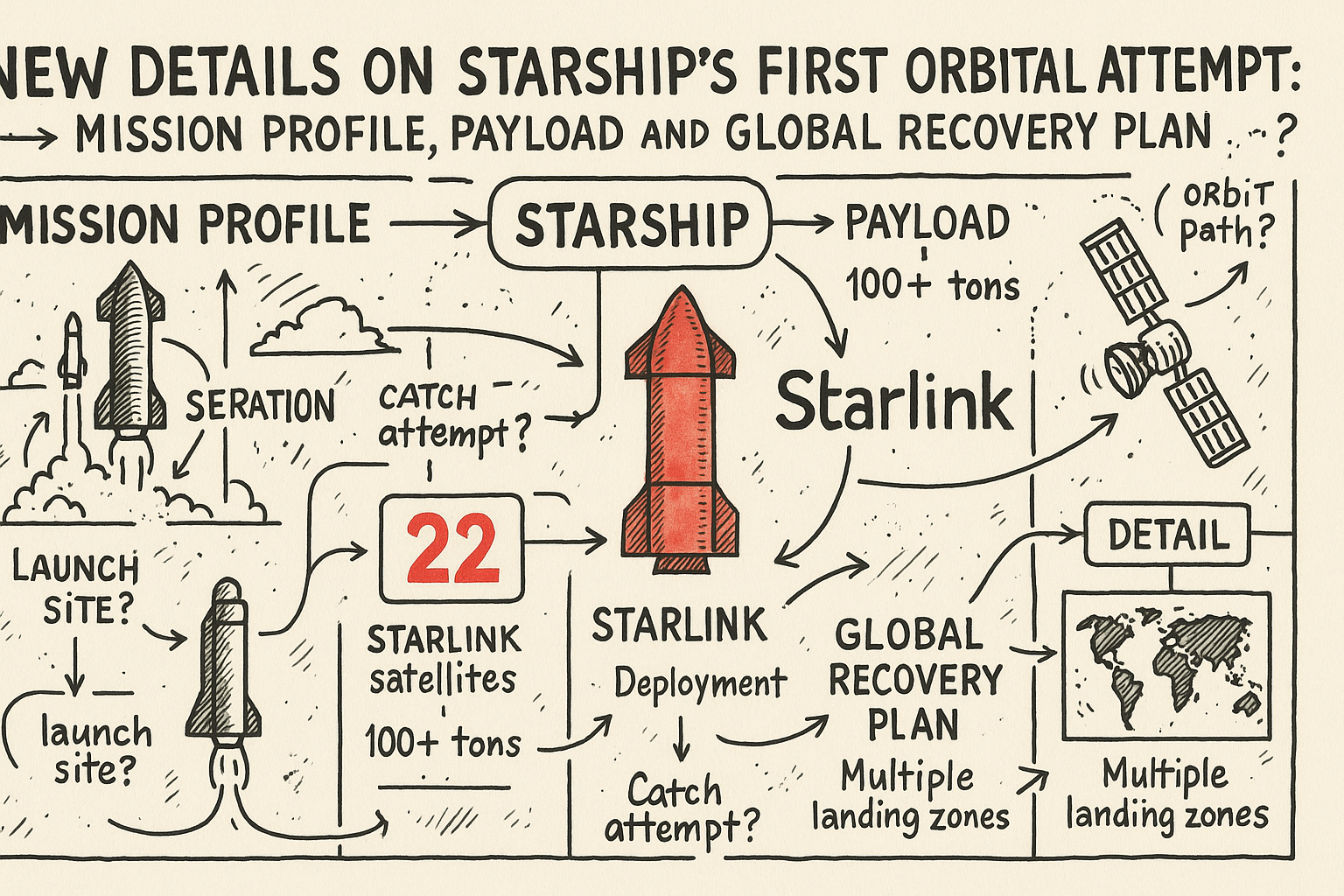
The Starship V3 will feature the new Raptor 3 engines, which have been redesigned for full and rapid reuse. According to Spaceflight Now, the primary goal of this flight test is to demonstrate these new components in a flight environment for the first time, incorporating learnings from years of development and testing. While the mission will follow a familiar suborbital trajectory, it will introduce something entirely new: Starship's upper stage, known as Ship, will deploy 22 dummy versions of SpaceX's Starlink broadband spacecraft, described as "similar in size to next-generation Starlink satellites." That number marks a considerable increase over previous flights, during which Ship carried only eight or ten such mass simulators.
Crucially, the final two of those dummy satellites will serve as inspector spacecraft — giving Starship the unprecedented ability to take a close look at itself while in flight. This self-inspection capability represents a completely new milestone for the program and underscores SpaceX's long-term ambitions for Starship, which include finishing the buildout of the Starlink megaconstellation, ferrying astronauts to the lunar surface for NASA's Artemis program, and ultimately supporting a human colony on Mars.
ULA's Vulcan Booster Test and Anomaly Investigation
Meanwhile, ULA has successfully completed a static fire test of a Graphite Epoxy Motor (GEM) 63XL Solid Rocket Booster (SRB) on April 15, 2026. Conducted by Northrop Grumman, this test was crucial in demonstrating nozzle design enhancements and advanced propellant technology. A ULA spokesperson told Spaceflight Now that the data gathered from this test, along with findings from ongoing investigations, will provide critical information to validate analytical models and support Vulcan's return to flight.
The test comes in the wake of an anomaly during the USSF-87 mission on February 12, 2026, when one of the four SRBs attached to the Vulcan booster suffered a nozzle problem prior to SRB separation. Gary Wentz, ULA's vice president of Government and Commercial Programs, explained that the failure caused asymmetric thrust and more roll than intended. "The BE-4s and our avionics system gimbaled to control that," Wentz said. "We did see some roll, and the BE-4s were able to compensate to arrest that roll. We were well within our environments and limits." Despite the anomaly, both the Vulcan booster and the Centaur upper stage ultimately delivered the USSF-87 payload to its intended geosynchronous orbit.
ULA confirmed that an integrated government and contractor team is reviewing technical data, available imagery, and any recovered debris. Wentz noted that pieces of the SRB nozzle likely landed in water too deep to recover — unlike a previous nozzle issue during Vulcan's second certification flight in October 2024. Despite the setback, Wentz expressed confidence in the program's trajectory. "Vulcan's going to get back to flight by the end of the year," he said, adding that ULA sees significant opportunities ahead, including potential missions tied to NASA's Moon Base objectives and the Commercial Lunar Payload Services program.
Artemis 3 Complexity Grows
These advancements come as NASA continues to prepare for its increasingly complex Artemis 3 mission, set for 2027. Jeremy Parsons, Moon to Mars acting assistant deputy administrator at NASA's Exploration Systems Development Mission Directorate, described it plainly: "Artemis 3 is one of the most highly complex missions NASA has undertaken." The mission will test rendezvous and docking operations between the Orion capsule and one or both of the program's privately developed lunar landers — SpaceX's Starship and Blue Origin's Blue Moon — in Earth orbit, paving the way for an actual lunar landing on Artemis 4. Astronauts will also spend more time aboard Orion than they did on Artemis 2, further advancing the evaluation of life support systems.
As these developments unfold across both government and commercial programs, the aerospace industry continues to push the boundaries of technology and exploration, laying the groundwork for an ambitious era of deep space missions.
Stay up to date with the latest space news at NovA mAInd.