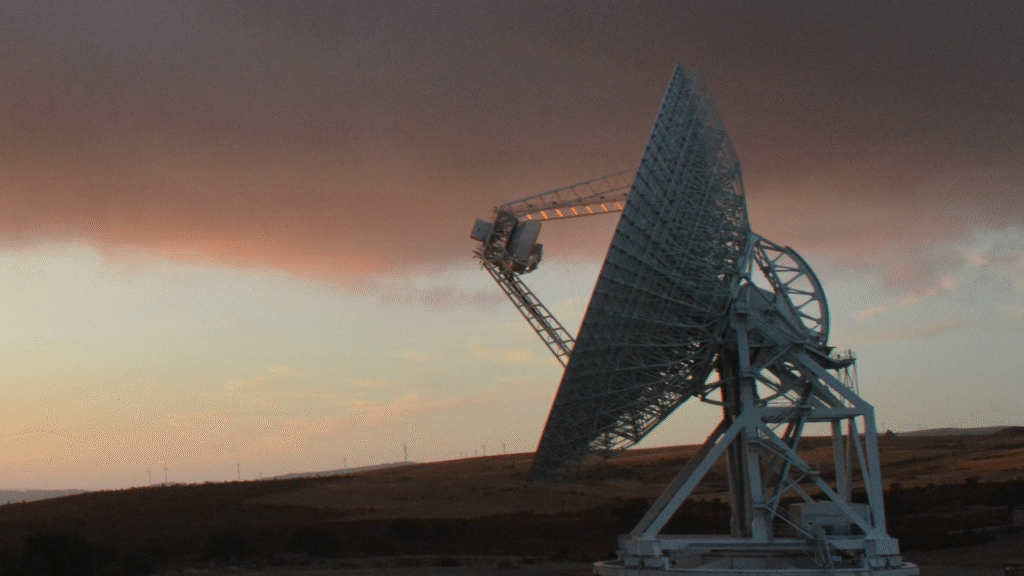
The recent completion of a significant milestone in the enhancement of the Sardinia Deep Space Antenna (SDSA) marks a pivotal moment for Italy's role in space communication technology. The project, spearheaded by Telespazio, part of the Leonardo Group, has achieved 100% of its objectives under the Earth, Moon, and Mars (EMM) program, funded by Italy's Ministry of University and Research through the National Recovery and Resilience Plan (PNRR).
The SDSA, situated in San Basilio, Cagliari, is a 64-meter antenna that serves dual purposes. Traditionally used for radio astronomy by the National Institute for Astrophysics (INAF), it now also functions as a critical infrastructure for space communication. This dual functionality is enabled by specialized equipment developed through the EMM project, which aims to facilitate communication, navigation, and tracking for both Deep Space and Near Earth missions.
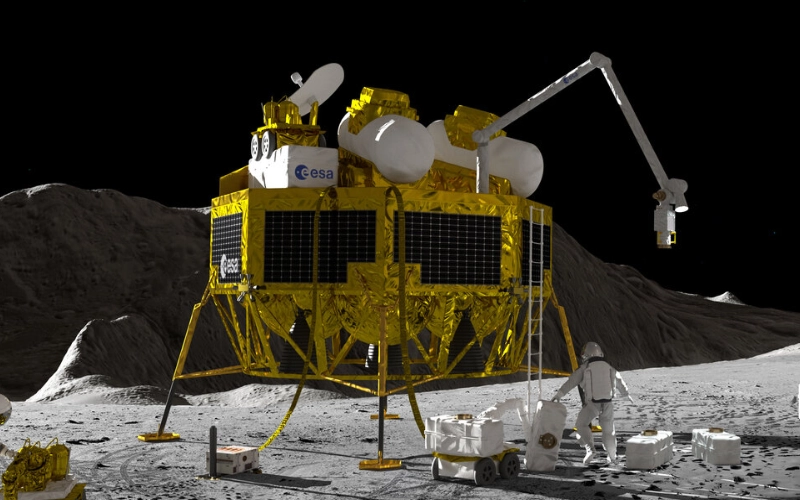
The EMM program, a collaborative effort involving INAF, the Italian Space Agency (ASI), and the National Research Council (CNR), is focused on the development of scientific instruments for a future Italian lunar base. In this context, the SDSA's enhancement is crucial for ensuring reliable communication between this prospective lunar base and Earth. This initiative places Italy at the forefront of international efforts to establish sustainable human and robotic presence on the Moon and beyond.
The successful completion of the EMM Delivery M4 milestone marks the end of the PNRR-funded phase of the project. However, the development of the SDSA is far from over. The project continues with additional funding from the Prime Minister's Office, which is dedicated to further infrastructure and equipment enhancements. These ongoing efforts are expected to solidify the SDSA's status as a national hub for advanced space communication.
The project has been a massive undertaking, involving over 50 professionals from Telespazio alone, contributing approximately 15,000 hours of work. The effort also includes contributions from three subcontractors: OHB, Nautilus, and the Interdepartmental Center for Industrial Research in Aerospace at the University of Bologna. This collaborative industrial network underscores the complexity and scale of advancing space communication infrastructure.
As space exploration becomes increasingly collaborative and ambitious, the role of communication infrastructures like the SDSA is more critical than ever. With missions planned to the Moon, Mars, and beyond, reliable communication channels between Earth and spacecraft are essential. The SDSA's enhancements represent a strategic investment in the future of space exploration, ensuring that Italy remains a key player in the global space community.
This milestone comes as part of a broader trend in space exploration efforts, such as the construction of the RAMSES mission, which aims to study the asteroid Apophis closely. These projects highlight the ongoing advancements and international collaborations that are driving the next era of space exploration.
Looking forward, the SDSA's expanded capabilities will support not only Italy's national space ambitions but also contribute to international missions. As agencies worldwide plan increasingly complex missions that require robust communication networks, facilities like the SDSA will be indispensable.
In conclusion, Telespazio's successful completion of the EMM milestone for the Sardinia Deep Space Antenna marks a significant advancement in space communication technology. This development not only enhances Italy's strategic capabilities in space exploration but also exemplifies the collaborative spirit needed to push the boundaries of human knowledge and presence in space.