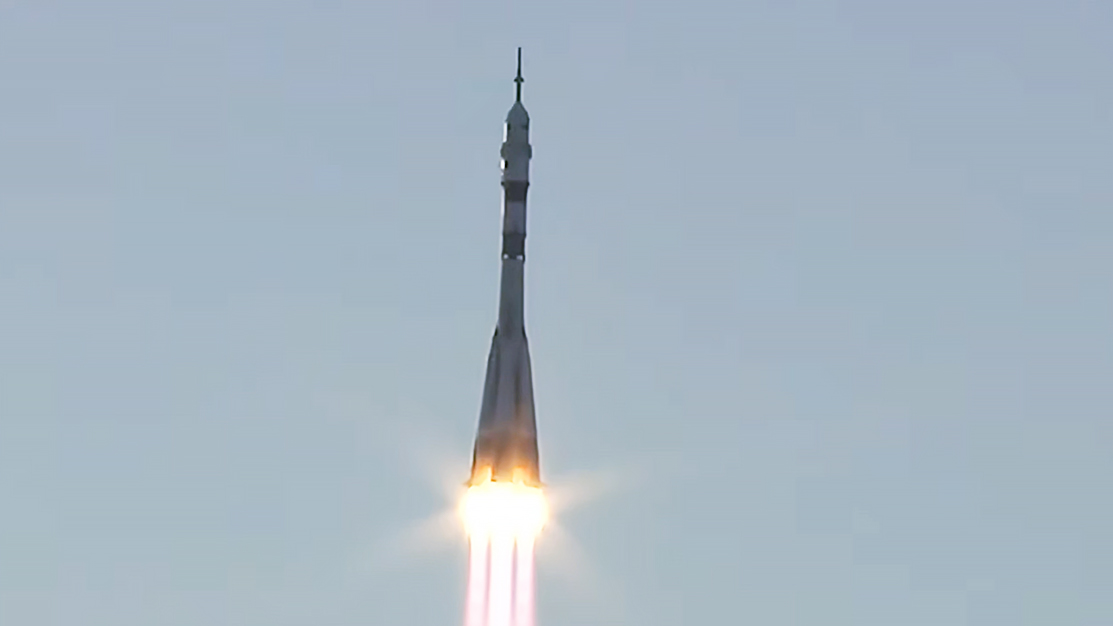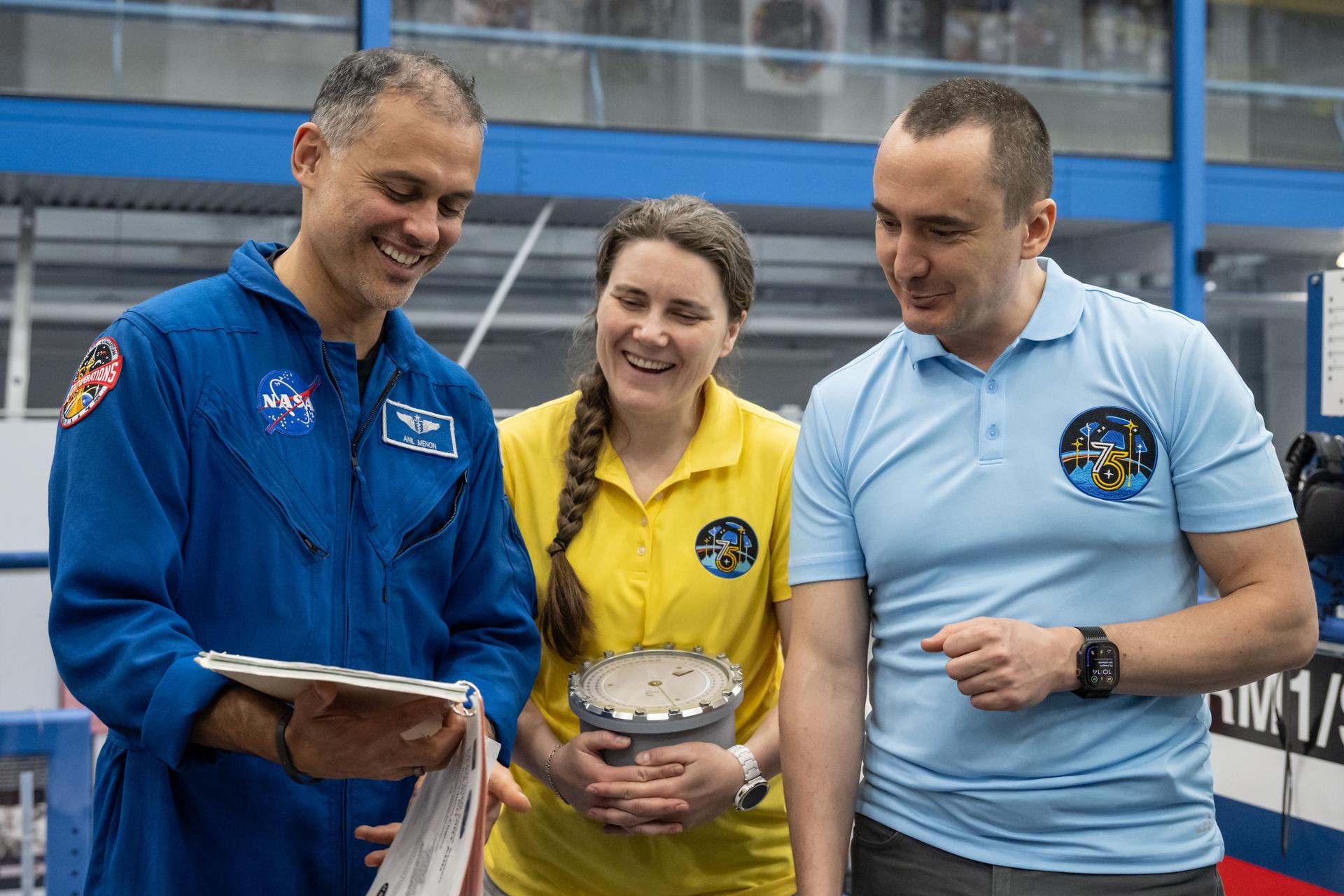
The International Space Station (ISS) is on the brink of welcoming a new crew as part of its ongoing Expedition 74 mission. On Tuesday, July 14, 2026, NASA astronaut Anil Menon, accompanied by Russian cosmonauts Pyotr Dubrov and Anna Kikina, will launch aboard the Roscosmos Soyuz MS-29 spacecraft. This mission marks a significant collaboration between NASA and Roscosmos, highlighting the continued international partnership that is crucial for the ISS’s operations and the advancement of space science.
Launching at 10:47 a.m. EDT, the crew will travel from the Baikonur Cosmodrome in Kazakhstan, aiming to join the existing team aboard the ISS. This mission is not merely a personnel transfer; it is a continuation of the ISS’s long-term commitment to scientific research in microgravity. With the new arrivals, the Expedition 74 crew will be further equipped to explore a variety of scientific questions that can only be investigated in the unique environment of space.
Menon, Dubrov, and Kikina’s journey to the ISS is a testament to the rigorous training and careful planning that precedes any space mission. Anil Menon, in particular, represents NASA's dedication to selecting astronauts with diverse skills and backgrounds. His involvement in this mission underscores the agency's broader goals of fostering a diverse team capable of tackling a wide array of challenges in space.
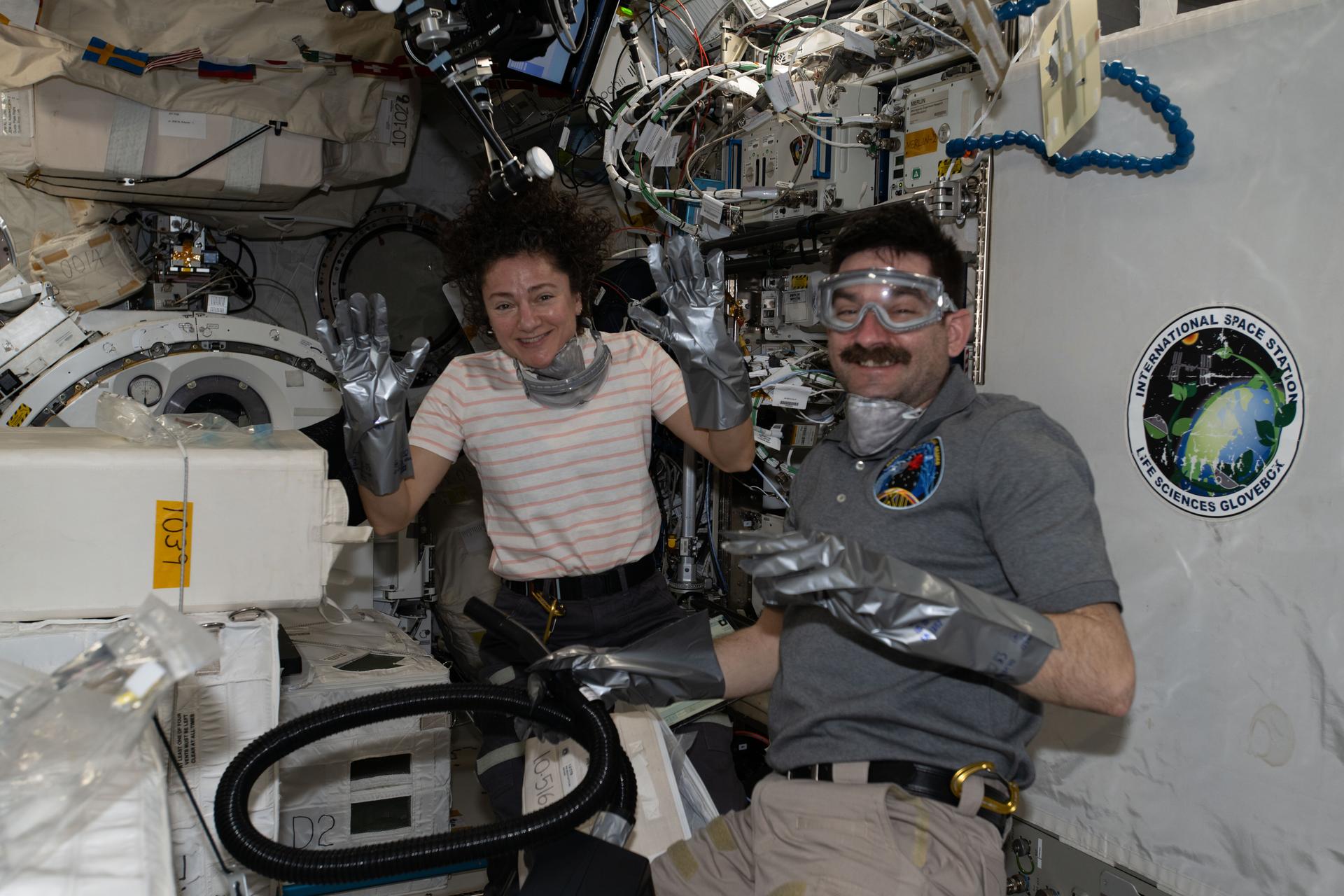
The significance of this mission extends beyond its immediate scientific objectives. The arrival of the new crew members will enable the continuation and expansion of ongoing research projects aboard the ISS. These projects cover a spectrum of scientific disciplines, including biology, human physiology, materials science, and Earth observation. The microgravity environment of the ISS provides a unique laboratory where experiments can be conducted without the interference of Earth’s gravity, offering insights that are impossible to obtain on the ground.
The cooperation between NASA and Roscosmos, as well as the inclusion of international crew members, exemplifies the collaborative spirit that has been a hallmark of the ISS since its inception. This partnership is not only a diplomatic triumph but also a practical necessity, pooling resources and expertise from around the globe to achieve common scientific and exploratory goals.
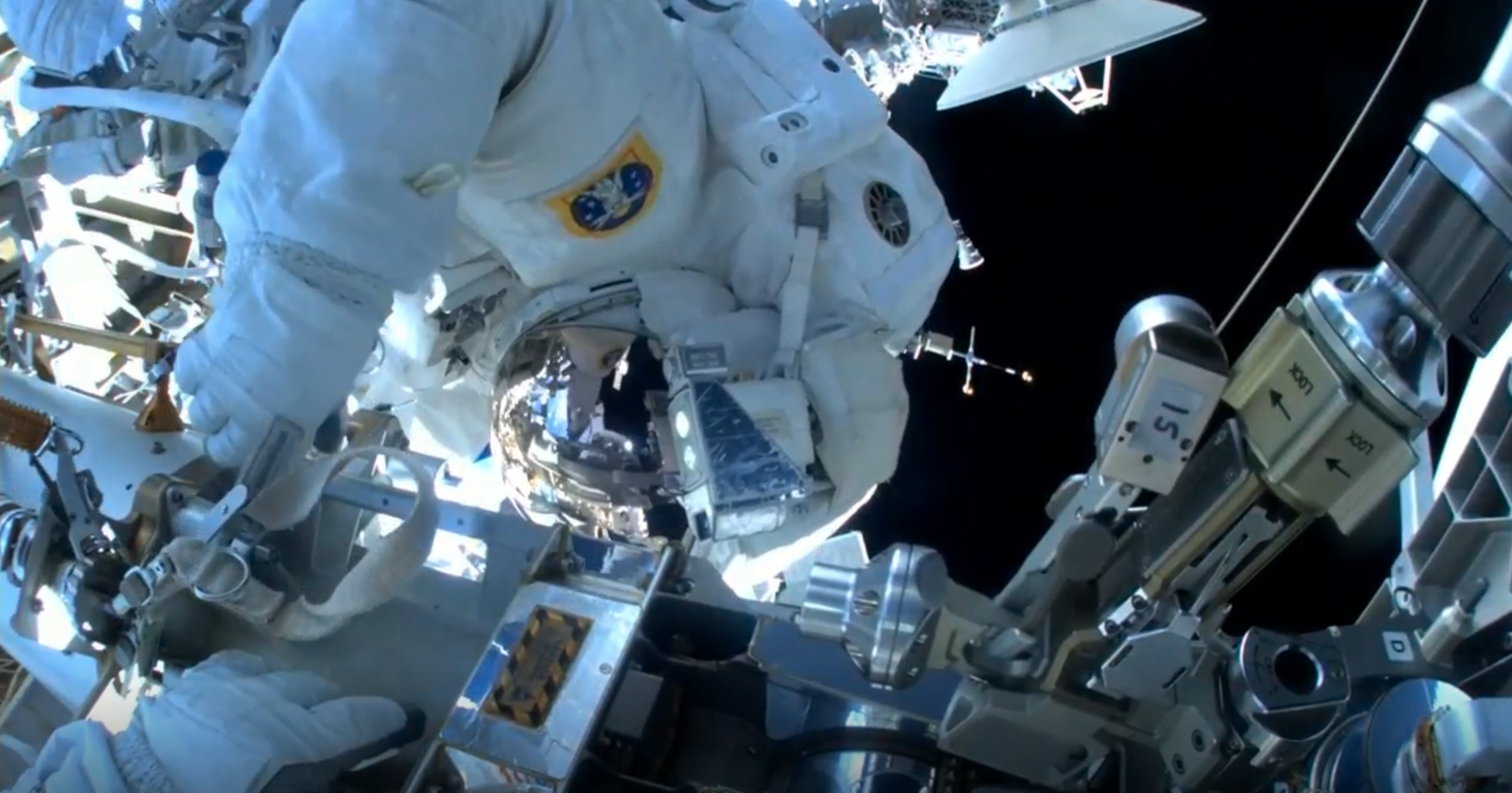
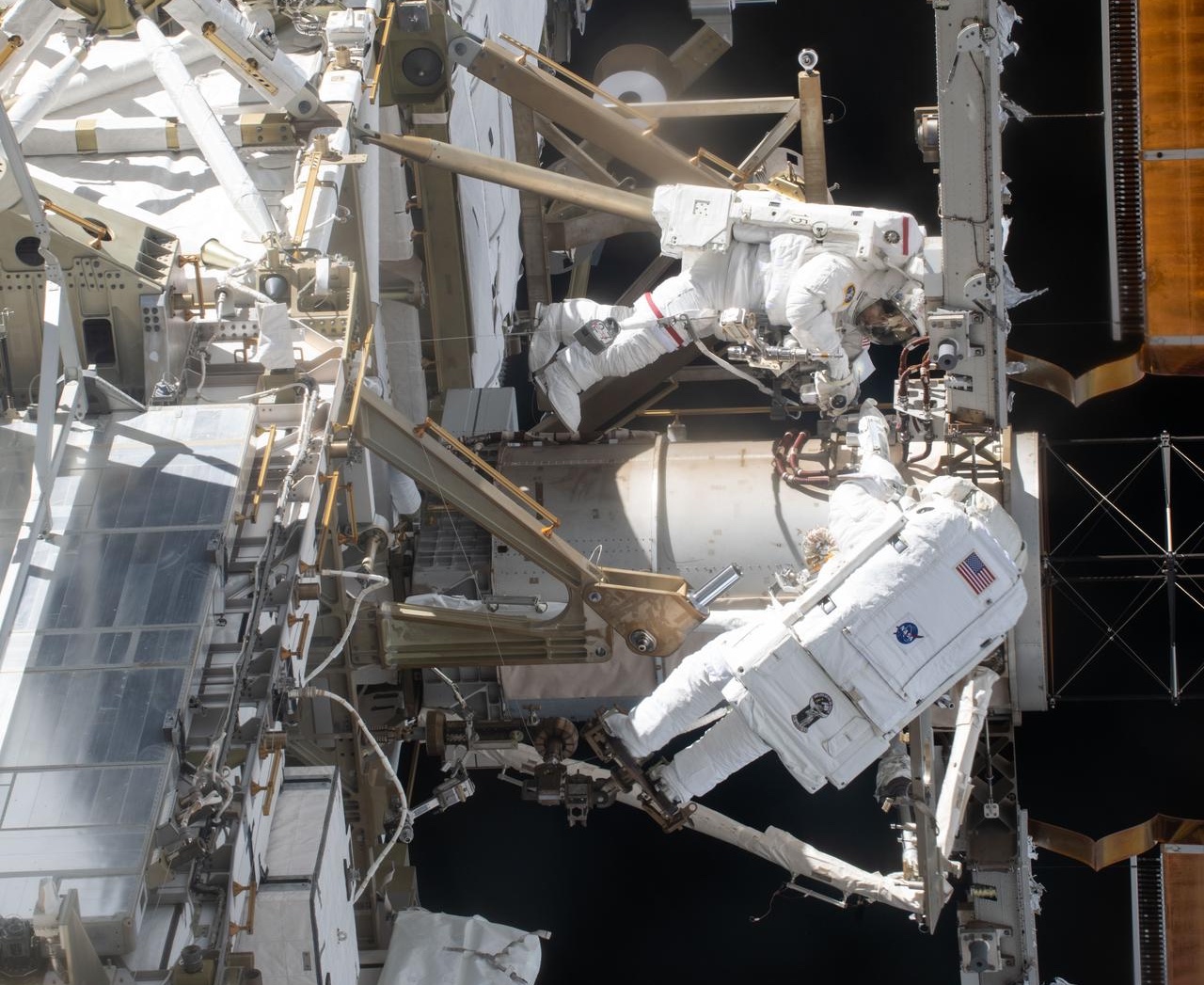
As Expedition 74 continues, the crew will also be preparing for a series of spacewalks, which are critical for maintaining and upgrading the station’s systems. These spacewalks, which involve intricate operations outside the protective confines of the ISS, are planned with meticulous precision to ensure the safety of the astronauts while maximizing the scientific and operational benefits.
Looking ahead, the findings from the research conducted during Expedition 74 may have far-reaching implications for both space exploration and life on Earth. For instance, understanding the effects of long-duration spaceflight on the human body is crucial for future missions to the Moon, Mars, and beyond. Additionally, materials and technologies developed for use on the ISS often find applications in various industries on Earth, demonstrating the tangible benefits of space research.
In conclusion, the upcoming arrival of Anil Menon, Pyotr Dubrov, and Anna Kikina on the ISS represents a continuation of the station’s mission to serve as a hub for international collaboration and scientific discovery. As the Expedition 74 crew embarks on their journey, they carry forward the legacy of exploration and innovation that the ISS has fostered for over two decades. Their work not only contributes to our understanding of the universe but also inspires future generations to reach for the stars.