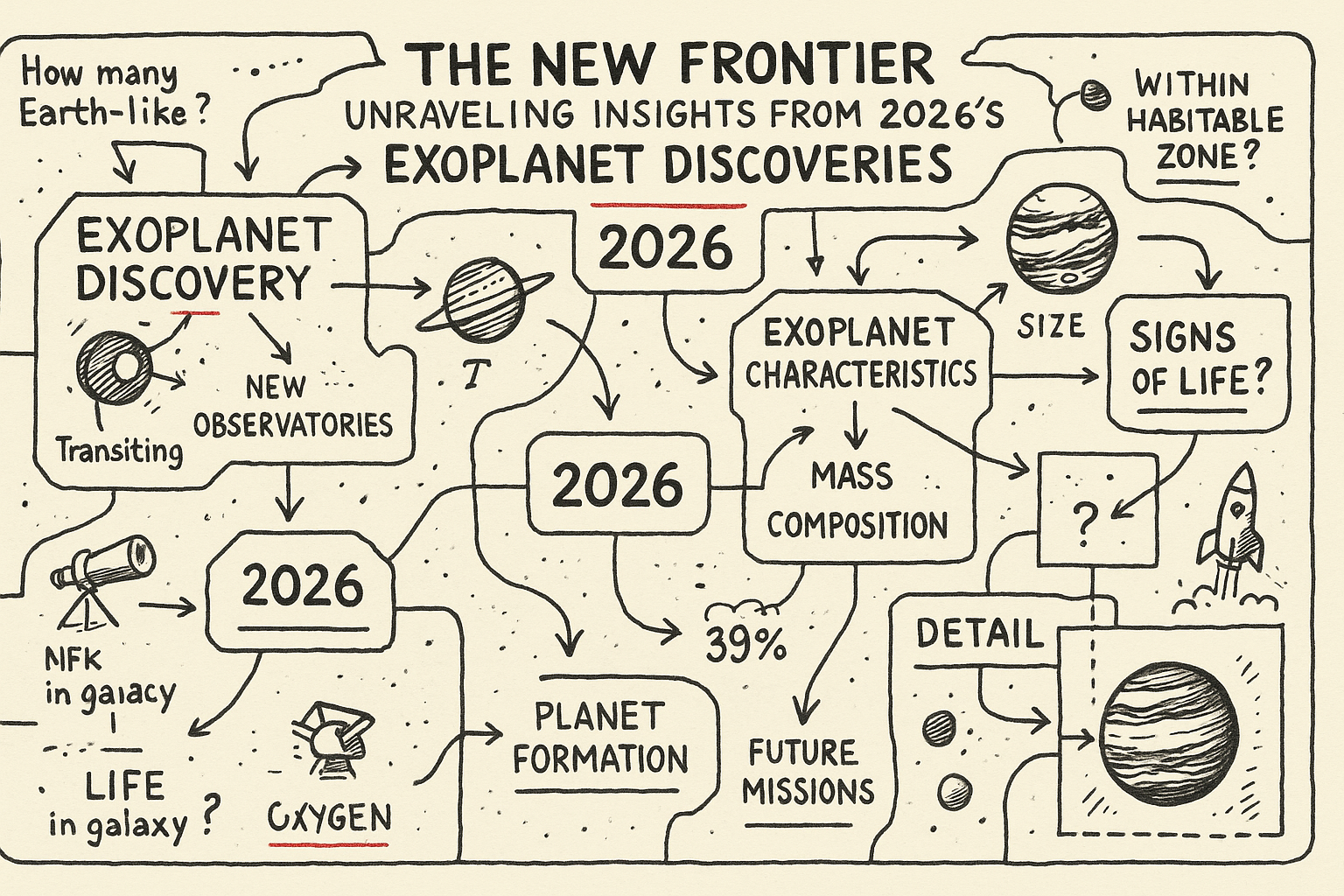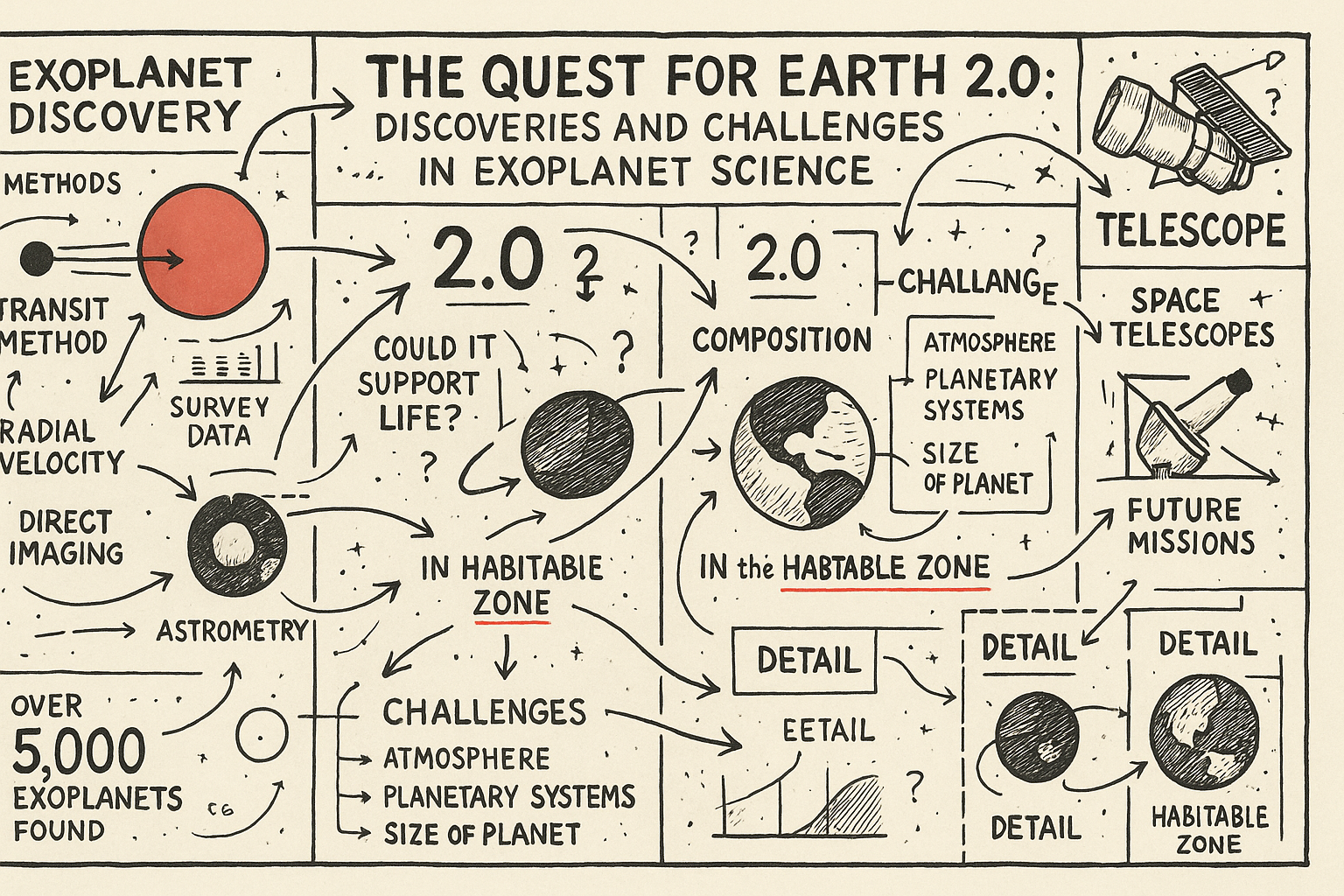
The quest to understand our universe has taken a significant leap forward with the European Space Agency's (ESA) PLATO mission. Set to explore the intriguing category of exoplanets known as Venus Zone (VZ) planets, PLATO aims to provide critical insights into the evolutionary processes that shape planetary climates. This initiative not only seeks to identify Earth-like planets but also to decode the complex history of planets that share characteristics with Venus.
PLATO, an acronym for PLAnetary Transits and Oscillations of stars, is designed to discover rocky exoplanets orbiting Sun-like yellow dwarfs, sub-giants, and red dwarfs. Although the search for potentially habitable planets remains a cornerstone of exoplanetary science, PLATO's mission extends beyond this pursuit. By studying Venus-like planets, the mission seeks to understand the mechanisms that lead to such varied climate outcomes as those observed on Earth and Venus.
Venus, often considered Earth's twin due to its similar size, mass, and density, presents a stark contrast with its runaway greenhouse climate. This extreme divergence in climate conditions underscores the need for a deeper understanding of the evolutionary pathways that planets can follow. Scientists hope that by examining VZ planets, PLATO can shed light on how planets that start with similar conditions can end up so differently from one another.
According to research led by Stephen Kane, a professor of planetary astrophysics at the University of California, the characterization of terrestrial exoplanets and the conditions leading to diverse climate outcomes is a primary goal of exoplanetary science. Understanding the statistical properties of VZ planets could significantly inform models of planetary habitability. The study, titled "The Expected Yield of Venus Zone Terrestrial Planets from PLATO," emphasizes the framework provided by the VZ for identifying planets that may have experienced runaway greenhouse processes similar to Venus.
PLATO's mission is timely, as astronomers continue to refine strategies for detecting and analyzing exoplanetary atmospheres. Recent advancements in the field, such as the detection of atmospheres around rocky planets in habitable zones, have marked significant milestones in the search for life beyond our Solar System. These discoveries underscore the importance of understanding star activity and rotation, which are crucial factors in assessing a planet's habitability potential.
The pursuit of knowledge about exoplanet atmospheres has gained momentum, with astrobiologists focusing on biosignatures as indicators of potential life. Current and future telescopes, including NASA's James Webb Space Telescope and the Atacama Large Millimeter Array, are expected to play pivotal roles in this endeavor, complementing the efforts of PLATO in the search for life.
While the characterization of planets around Barnard's Star has revealed them to be extremely uninhabitable, the broader exploration of exoplanetary systems continues to hold promise. Each discovery contributes to a more comprehensive understanding of the mechanisms governing planetary climates, offering valuable insights into the potential for life elsewhere in the universe.
As the launch of PLATO approaches, the scientific community eagerly anticipates the wealth of data it will provide. By mapping the Venus Zone and identifying planets with similar evolutionary trajectories to Venus, the mission promises to enhance our understanding of planetary systems and the factors influencing habitability. Ultimately, PLATO's findings could redefine our perspective on the diversity of planetary climates and the myriad paths they can take.