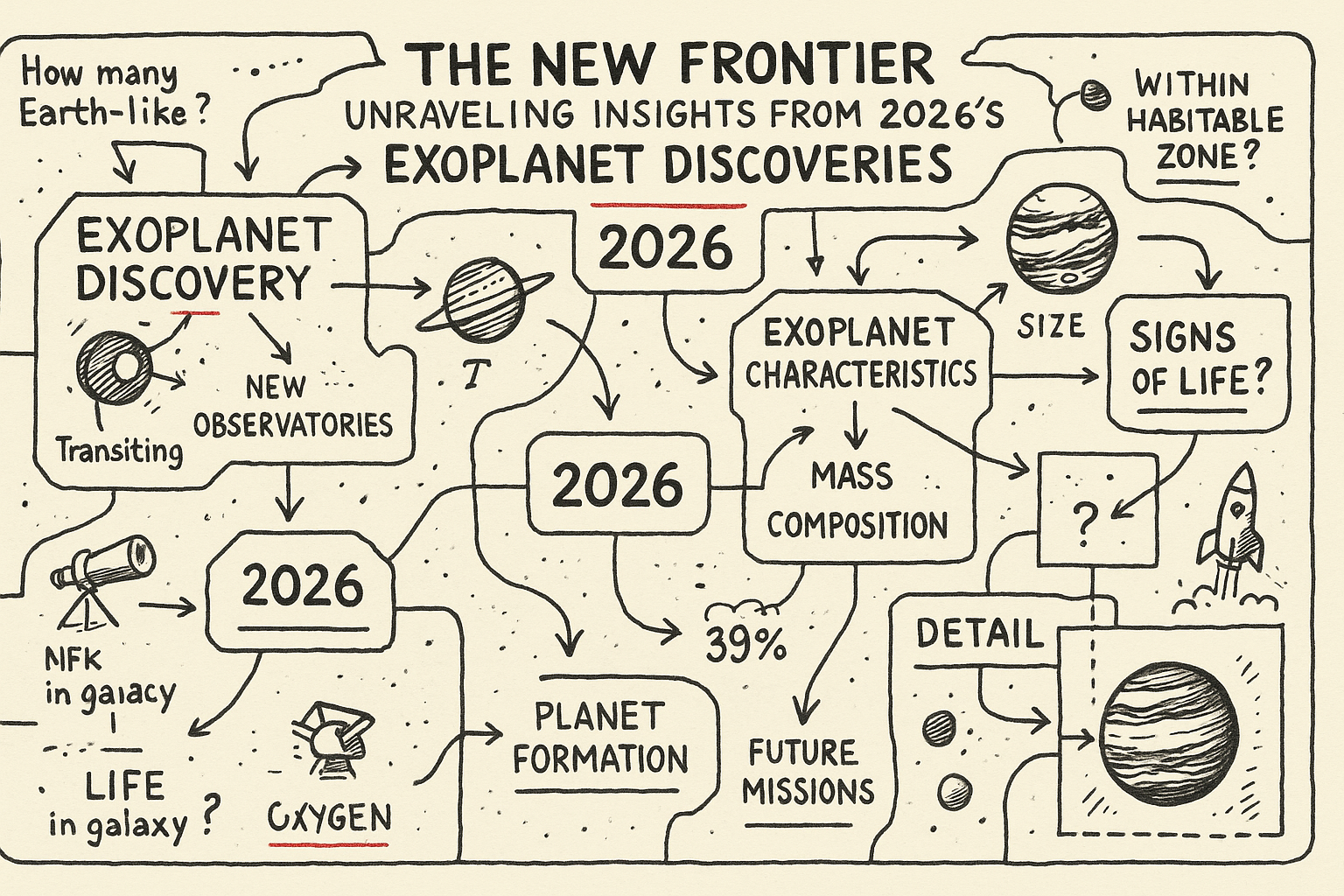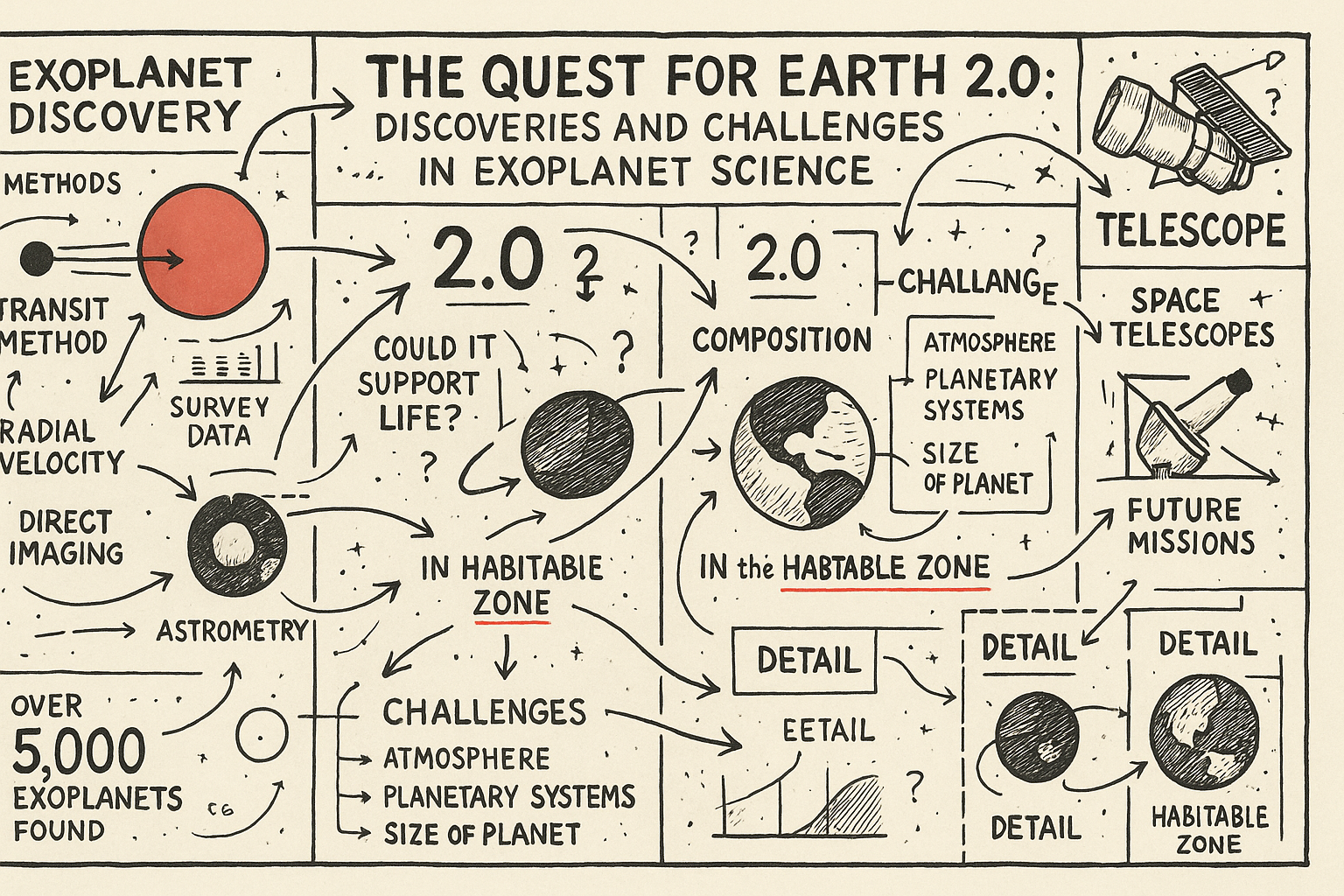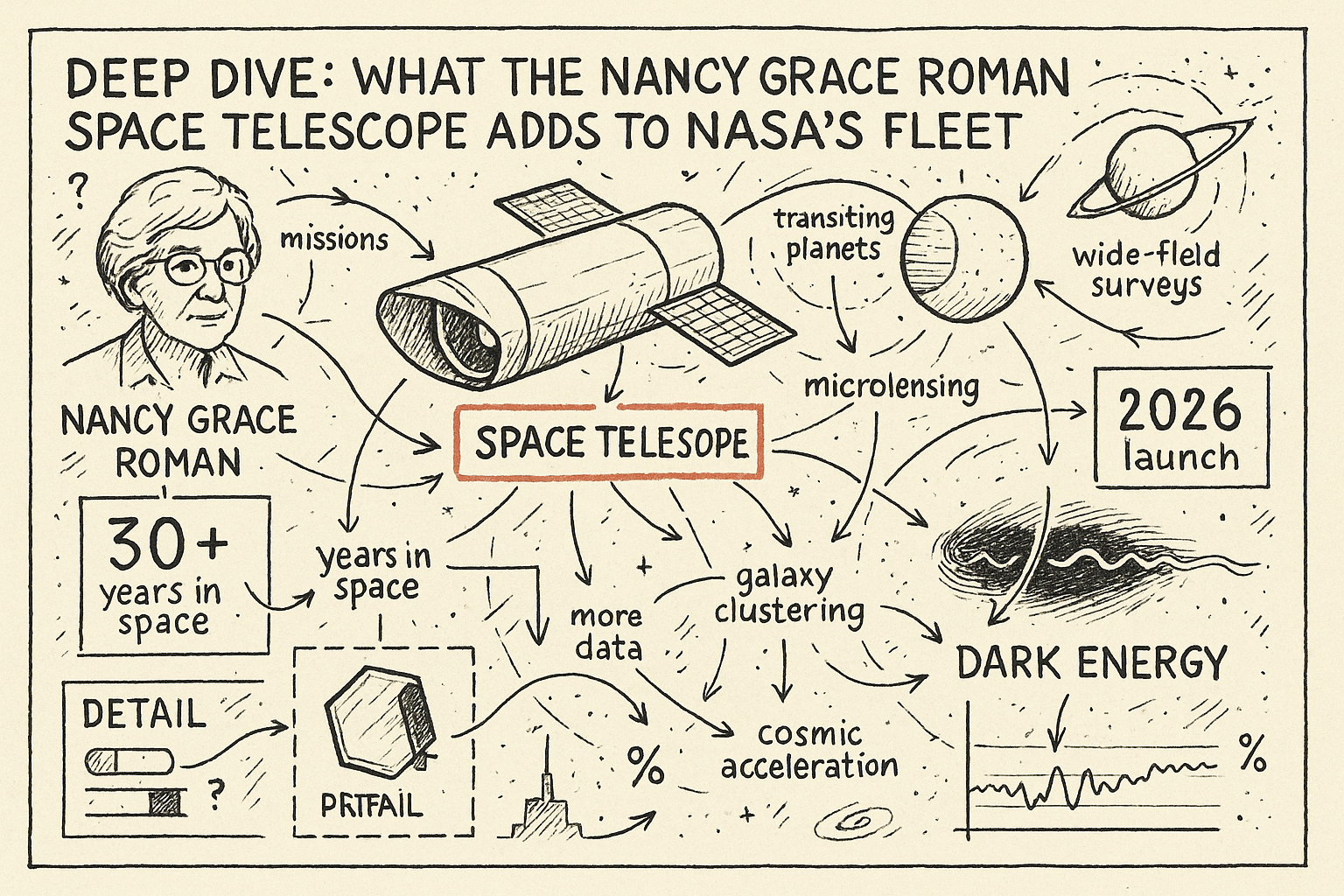
In a series of groundbreaking findings, astronomers have made significant strides in the search for life beyond our solar system. These discoveries, ranging from detecting atmospheres around rocky exoplanets to uncovering hidden planetary bodies, provide new insights into the conditions that might support life.
Atmospheres on Rocky Exoplanets
For the first time, an atmosphere has been detected around a rocky planet, LHS 1140b, situated in the habitable zone of its star, approximately 48 light-years away. This discovery, led by Harvard University and published in Science, marks a pivotal moment in exoplanetary science. The presence of helium escaping from LHS 1140b's atmosphere, as reported by Nature, suggests it might host conditions suitable for life. This raises intriguing questions about the planet's potential habitability and the mechanisms sustaining its atmosphere.
Technological Advances in Exoplanet Detection
Advancements in technology are driving these discoveries. The proposed Habitable Worlds Observatory by NASA represents a shift from philosophical inquiry to engineering challenges. This facility aims to enhance our ability to detect habitable worlds, as highlighted by Phys.org. Such technological progress is crucial to exploring the atmospheres of exoplanets and assessing their life-supporting potential.
James Webb Space Telescope's Revelations
The James Webb Space Telescope (JWST) continues to transform our understanding of distant worlds. Its recent observations of the lava planet 55 Cancri e unveiled a hydrogen-rich atmosphere influenced by volcanic activity. This finding, reported by ScienceDaily, challenges our understanding of atmospheric dynamics on extreme exoplanets and underscores the JWST's role in uncovering hidden details of planetary environments.
Hidden Worlds and New Detection Techniques
NASA's Transiting Exoplanet Survey Satellite (TESS) has employed gravitational microlensing to discover a Jupiter-like planet. This method, inspired by Einstein's relativity, uncovers planets that traditional techniques might miss. As noted by Universe Today, this breakthrough opens up a new category of detectable planets, potentially expanding our understanding of planetary diversity in the universe.
Context and Implications
The detection of atmospheres on exoplanets, particularly those in habitable zones, represents a significant leap forward in astrobiology. Historically, the search for extraterrestrial life has been hampered by the limits of our observational capabilities. These new findings, however, offer a glimpse into the possible environments where life could exist, challenging the notion that Earth is unique.
Moreover, these discoveries highlight the dynamic nature of exoplanet atmospheres. The interplay of geological activity and atmospheric composition, as seen on 55 Cancri e, suggests that such planets could host complex processes that we are only beginning to understand. The implications for future research are vast, potentially guiding the search for life-bearing planets and informing the design of next-generation telescopes.
As we continue to uncover new worlds, the possibility of finding life beyond Earth becomes less of a distant dream and more of a tangible goal. The synergy between technological advancements and scientific inquiry will be pivotal in this quest, with each discovery bringing us closer to answering one of humanity's most profound questions: Are we alone in the universe?