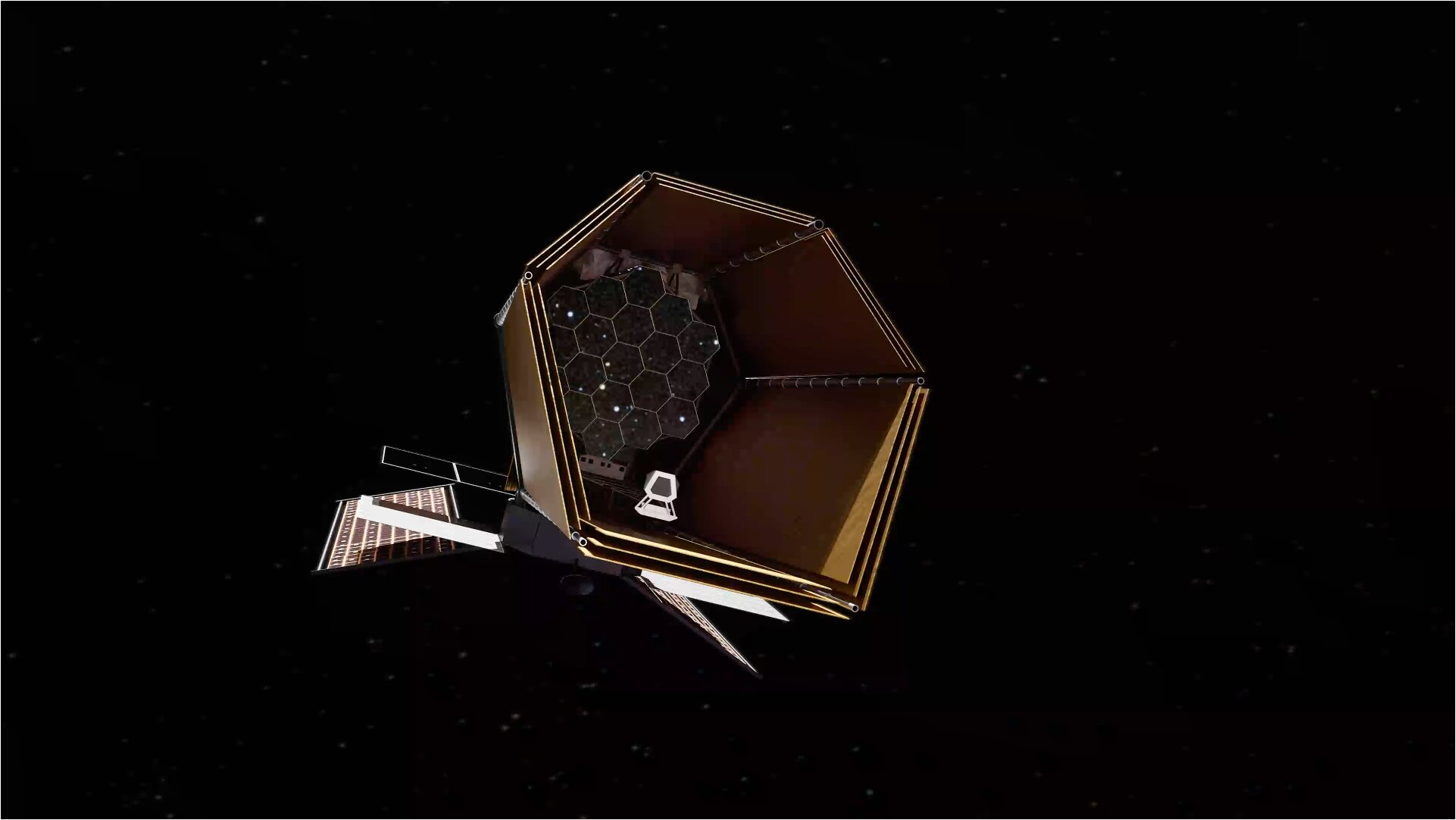
In a landmark development for international space collaboration, UK astronomers are on the brink of making significant contributions to NASA's ambitious Habitable Worlds Observatory (HWO) mission. This new initiative aims to discover Earth-like exoplanets and examine their atmospheres for signs of life, marking a pivotal step in our quest to answer the age-old question: Are we alone in the universe?
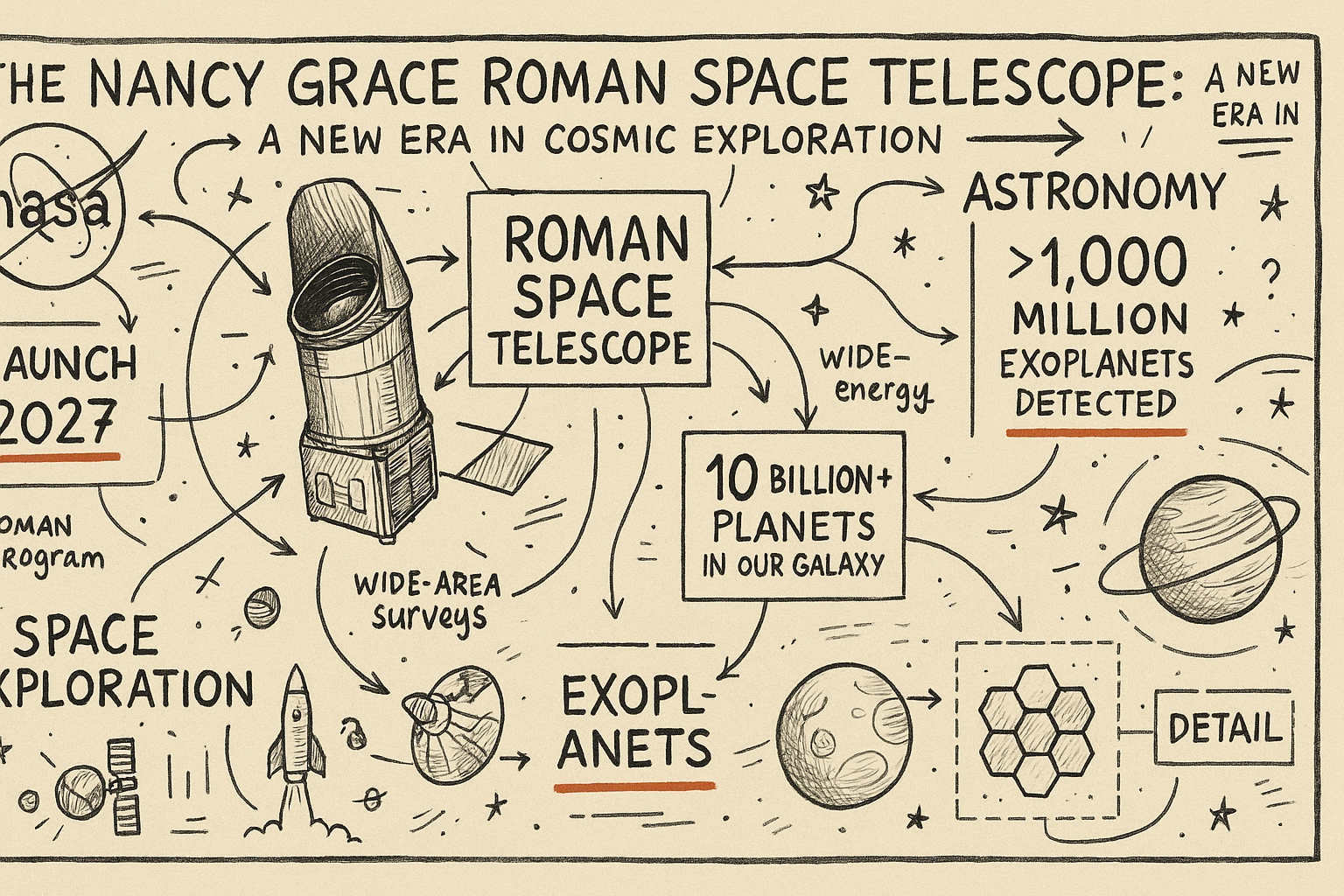
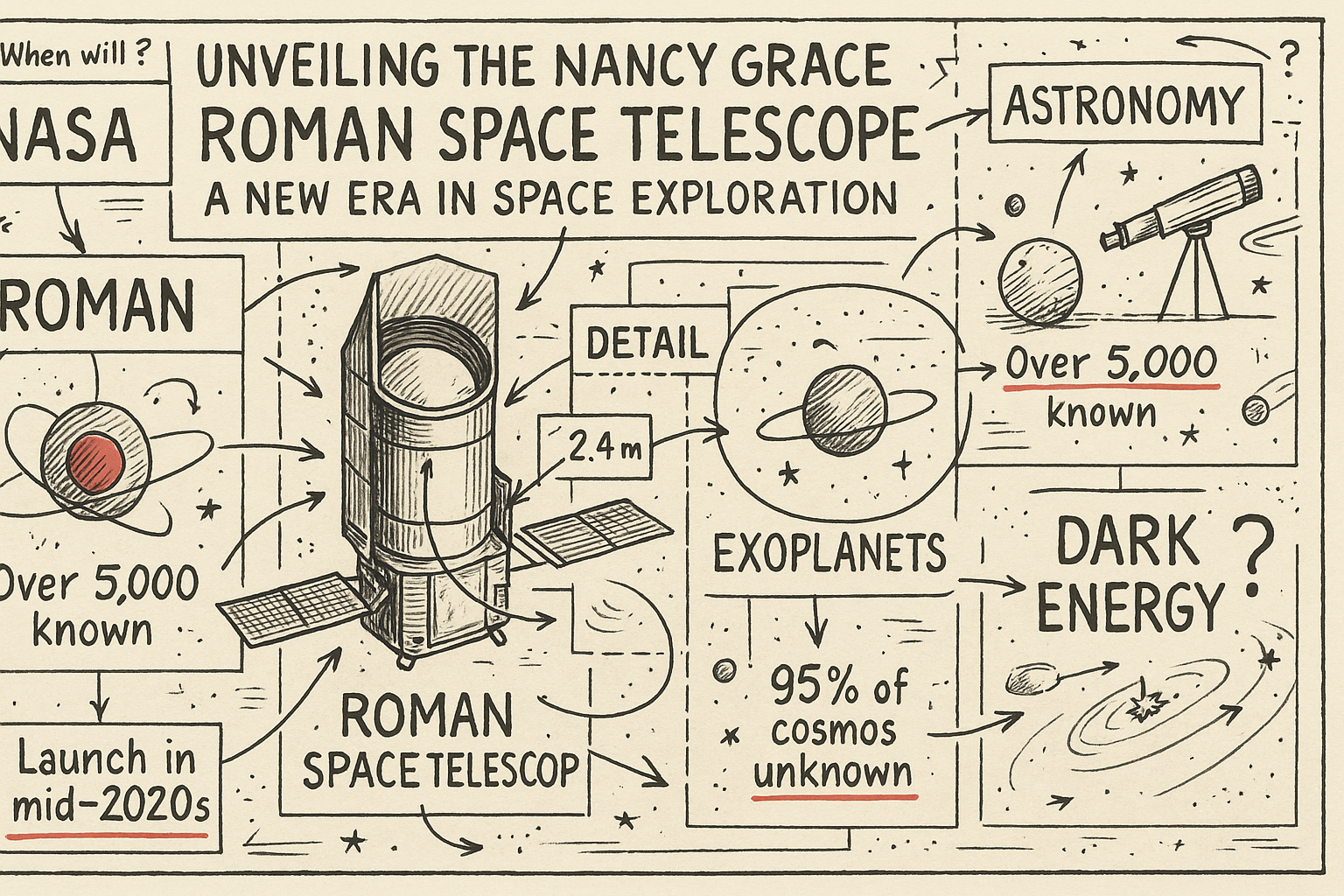
The HWO, slated for launch in the 2040s, represents the next flagship space telescope project following NASA's Nancy Grace Roman Space Telescope. UK scientists have been instrumental in the initial studies and conceptual designs for one of the core instruments of this observatory. These efforts are now helping shape the mission's next phase of development, underscoring the UK's long-standing partnership with NASA on such high-profile projects.
At the forefront of this endeavor is Professor Martin Barstow from the University of Leicester, who recently highlighted the mission's potential impact at the Royal Astronomical Society's National Astronomy Meeting in Birmingham. Barstow emphasized the scientific importance of the HWO, stating, "It will tackle one of the biggest questions in science: Are we alone in the universe? By searching for Earth-like planets and studying their atmospheres, the HWO will look for evidence of life beyond our solar system."
The technological demands of the HWO are formidable. The telescope's design features an 8-meter (26-foot) mirror that must be stable to within the width of an atom. This precision is necessary to differentiate a faint planetary dot from the overpowering brightness of a nearby star, which is about 10 billion times brighter. Such precision aims to enable the HWO to identify planets similar to Earth that might host life.
Vincent Van Eylen, an associate professor of exoplanets at UCL's Mullard Space Science Laboratory, expressed his enthusiasm for the project, calling it "one of the most exciting missions of my lifetime." He elaborated on the profound scientific implications, saying, "It will be the first telescope designed to search for evidence of life on distant planets. Imagine for a moment it finds evidence of life out there. What an achievement that would be!"
The UK's involvement in the HWO builds on a rich history of contributions to NASA's astronomical endeavors, including the iconic Hubble Space Telescope and the more recent James Webb Space Telescope. This legacy not only highlights the UK's expertise in developing sophisticated space instrumentation but also its commitment to advancing our understanding of the universe.
As the HWO progresses through its development phases, the UK Space Agency continues to ensure that UK scientists have a prominent role in this groundbreaking mission. This participation is crucial as the search for extraterrestrial life becomes increasingly sophisticated, leveraging advancements in telescope technology and observational techniques.
While the HWO is still years away from launch, the mission's potential impact on our understanding of the cosmos is already garnering significant attention within the scientific community. The successful identification of Earth-like planets with signs of life could redefine our place in the universe and open new avenues for astrobiological research.
The collaboration between NASA and UK scientists on the HWO exemplifies the international nature of space exploration and the shared goal of expanding human knowledge. As the mission advances, it promises to bring us closer to answering one of humanity's most profound questions and may very well herald a new era in the search for life beyond Earth.