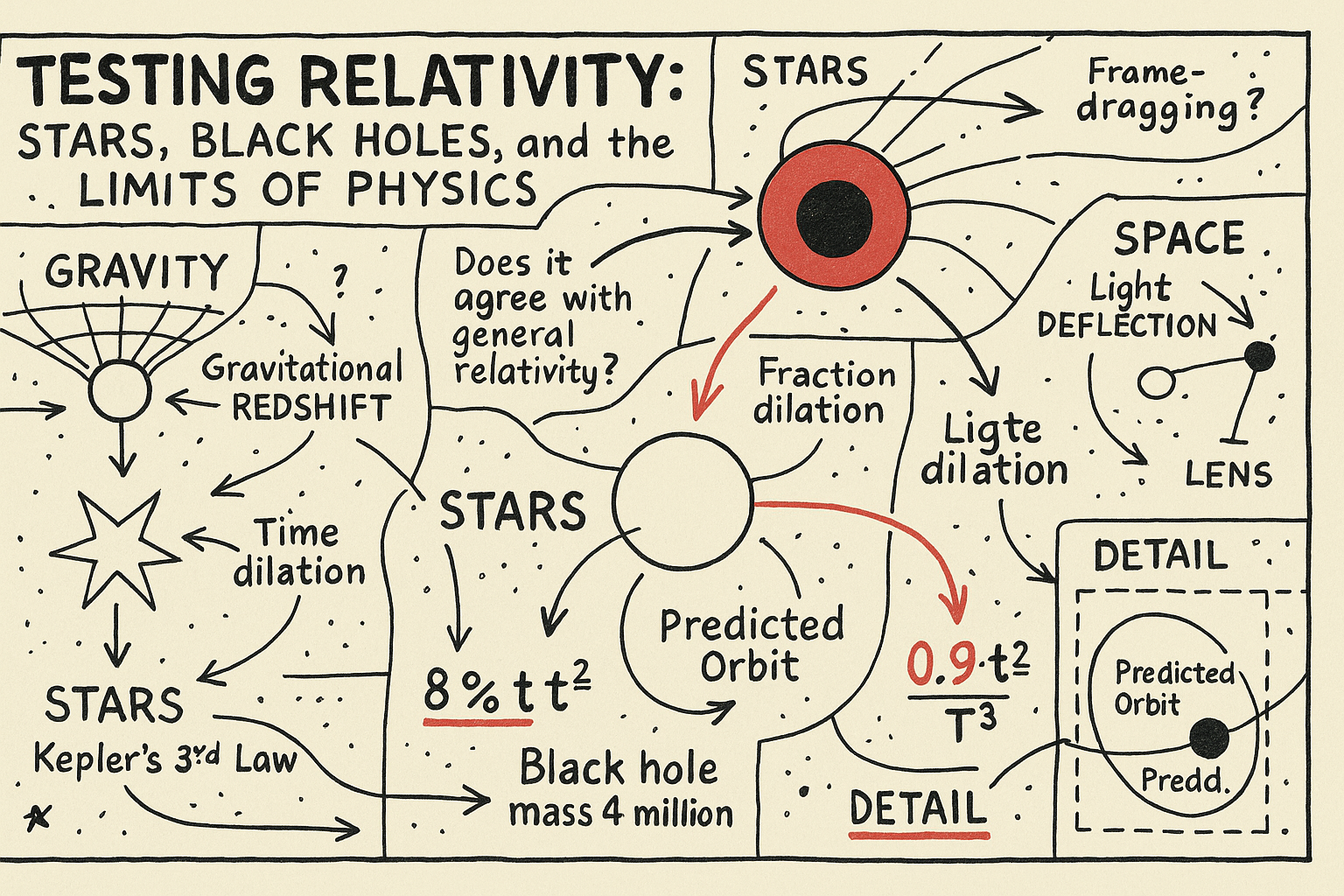
In the realm of astrophysics, the quest to understand the universe's most enigmatic phenomena often leads us to the heart of cosmic extremes: black holes. These celestial entities, with their immense gravitational pull, offer unparalleled opportunities to test the limits of Einstein's General Relativity (GR) and explore the boundaries of physics. Recent observations of a star orbiting Sagittarius A*—the supermassive black hole at the center of our Milky Way—are providing deeper insights into these cosmic mysteries.
The Star That Defies Limits
Imagine a Sun-like star hurtling around a black hole at speeds exceeding 8% of the speed of light. This is not science fiction but the reality observed by astronomers. The star's close approach to Sagittarius A*, coming within the distance of Neptune's orbit from the Sun, creates a natural laboratory for testing GR. This scenario is so extreme that it challenges conventional Newtonian physics, which is typically adequate for most gravitational calculations within our solar system (Sources 1 and 2).
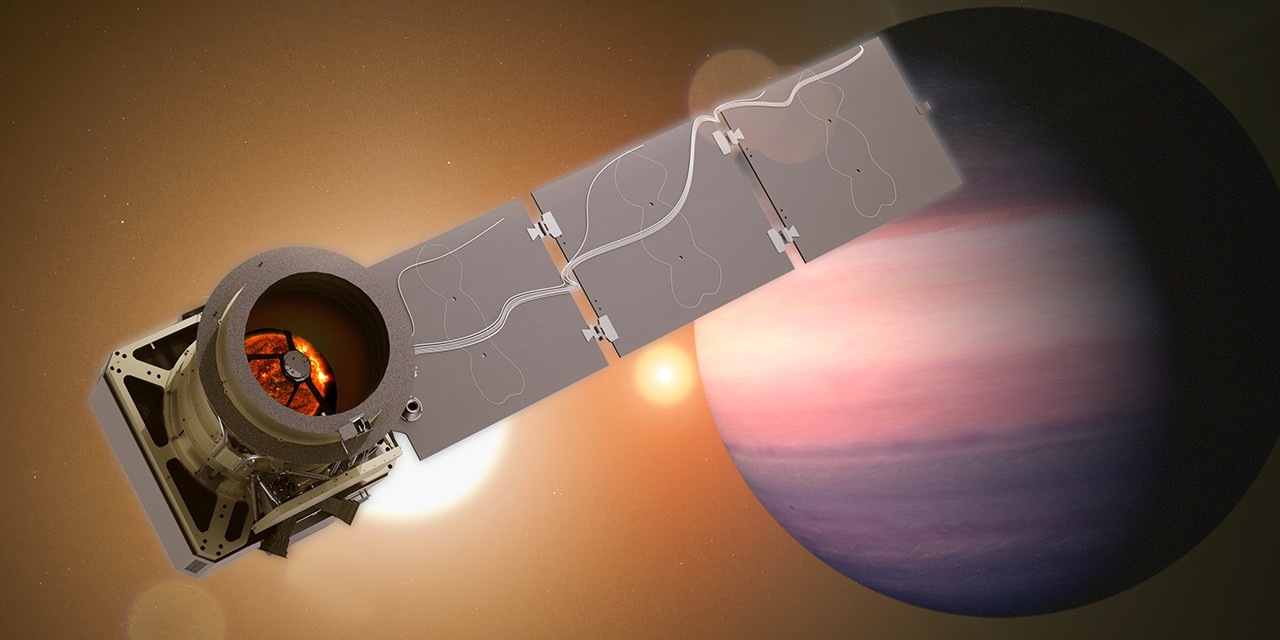
The precision of these observations has been enhanced by data from NASA's Hubble and James Webb space telescopes. Over two decades, astronomers have meticulously charted the star's orbit, allowing them to test GR in ways previously thought impossible (Source 5). The star's behavior aligns closely with predictions made by GR, thus reinforcing Einstein's theory under conditions far beyond our terrestrial experiences.
Beyond Einstein: Unruh and Hawking
While GR remains a cornerstone of modern physics, phenomena like Unruh radiation—an effect where an accelerating observer experiences a glowing vacuum—highlight the complex interplay between relativity and quantum mechanics. Although akin to Hawking radiation, which occurs near event horizons of black holes, Unruh radiation requires no such cosmic giants. This interplay suggests that our understanding of space-time might still hold surprises (Source 3).
The Spin of Darkness
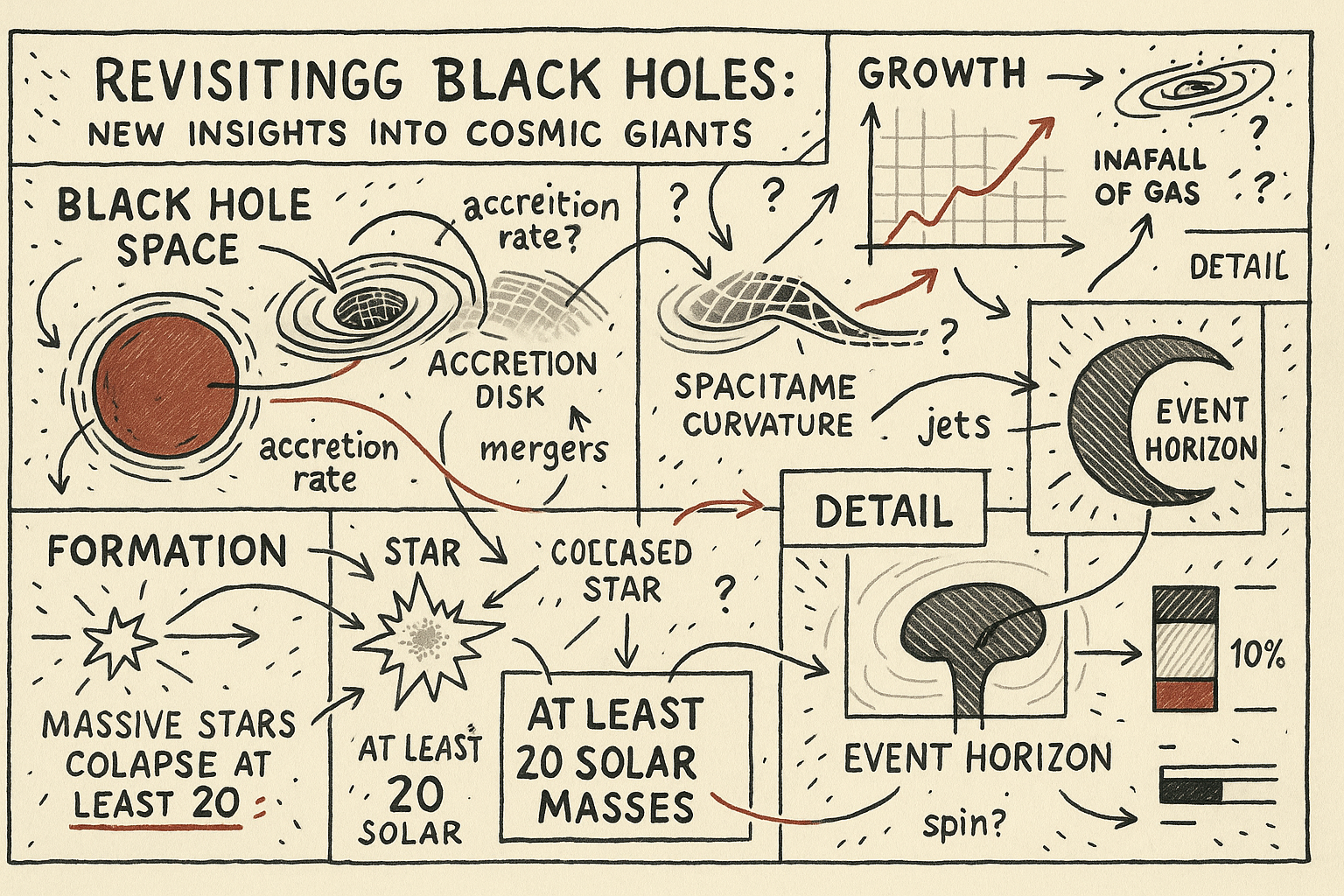
Adding another layer of complexity is the spin of black holes. Far from being static, these cosmic titans rotate at astonishing speeds, influencing their surroundings and the galaxies that host them. The paper by Tegan Thomas and her colleagues emphasizes that understanding a black hole's spin is crucial for a complete picture of its role in cosmic evolution (Sources 7 and 8). Measuring this spin requires space-based observations, as terrestrial methods fall short due to the immense distances and faint signals involved.
The Future of Black Hole Research
Despite the strides made, black holes continue to challenge our scientific limits. While current research relies heavily on remote observations, there's growing interest in sending spacecraft to regions near black holes. Such missions could provide direct data and push our understanding of these cosmic enigmas even further (Source 6).
Historically, the work of pioneers like Subrahmanyan Chandrasekhar, who calculated the maximum mass of white dwarf stars, underscores the importance of theoretical insights in astrophysics (Source 4). His work laid the groundwork for understanding stellar evolution and the ultimate fate of massive stars, bridging the gap between quantum mechanics and relativity.
As we continue to explore the cosmos, the marriage of theoretical physics with cutting-edge technology promises to unveil the universe's hidden secrets. The challenges posed by black holes are not merely scientific curiosities; they are gateways to fundamental truths about the nature of reality itself.