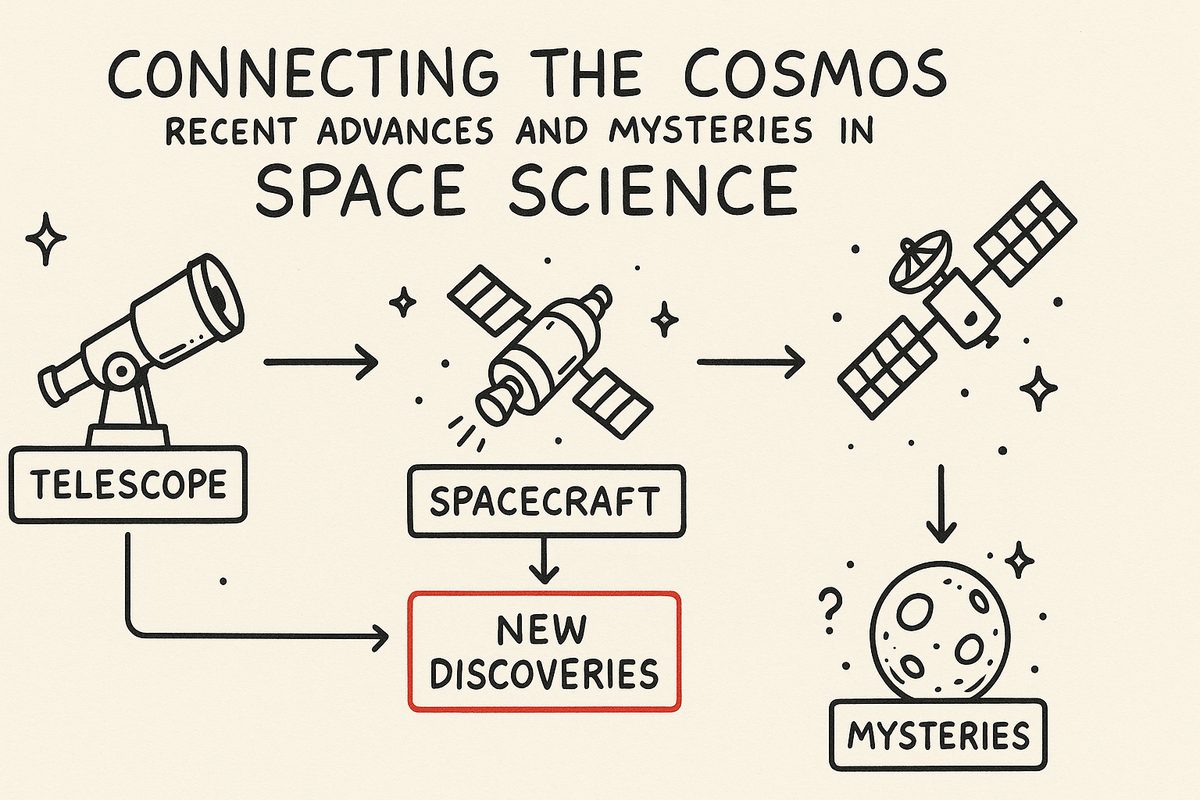
The vast expanse of space continues to captivate scientists and the public alike, as recent discoveries and technological advancements shed light on both familiar and enigmatic phenomena. From record-breaking rocket reusability to the mysterious Little Red Dots spotted by the James Webb Space Telescope (JWST), the latest developments in space science are not only answering long-standing questions but also posing new ones.
Revolutionary Reusability in Rocket Technology
SpaceX's Falcon 9 booster recently celebrated its fifth anniversary by setting a new benchmark in rocket reuse. The ability to repeatedly launch and land boosters is revolutionizing space access, significantly reducing costs and increasing launch frequency. This achievement marks a pivotal moment in commercial spaceflight, echoing the transformative impact of reusable rockets on the aerospace industry.
Sailing to the Stars
While reusable rockets are changing how we access space, reaching interstellar destinations remains a formidable challenge. The concept of lightsails, propelled by lasers, stands out as a promising solution. Unlike chemical propulsion, lightsails could potentially reach speeds necessary for interstellar travel. However, the hidden physics involved, such as radiation pressure and sail material resilience, complicate this technology's practical application. These challenges highlight the need for continued innovation and research in propulsion technologies.
Unveiling Cosmic Mysteries
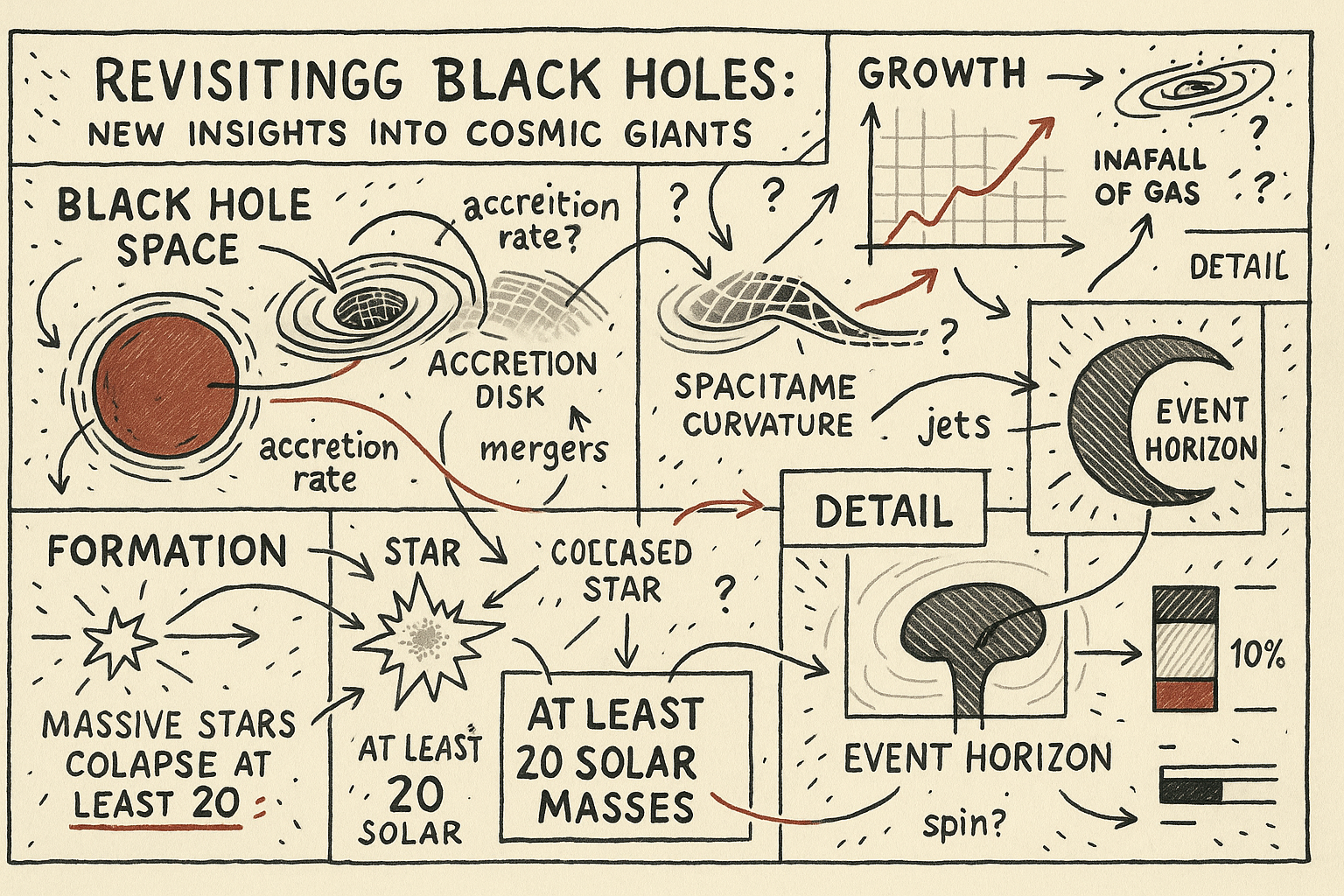
The JWST has provided unprecedented insights into the early universe, most notably through its discovery of Little Red Dots. These enigmatic objects might be black holes engaged in feeding frenzies at rates previously thought impossible. This revelation challenges existing theories of black hole growth and suggests that our understanding of early cosmic structures is far from complete.
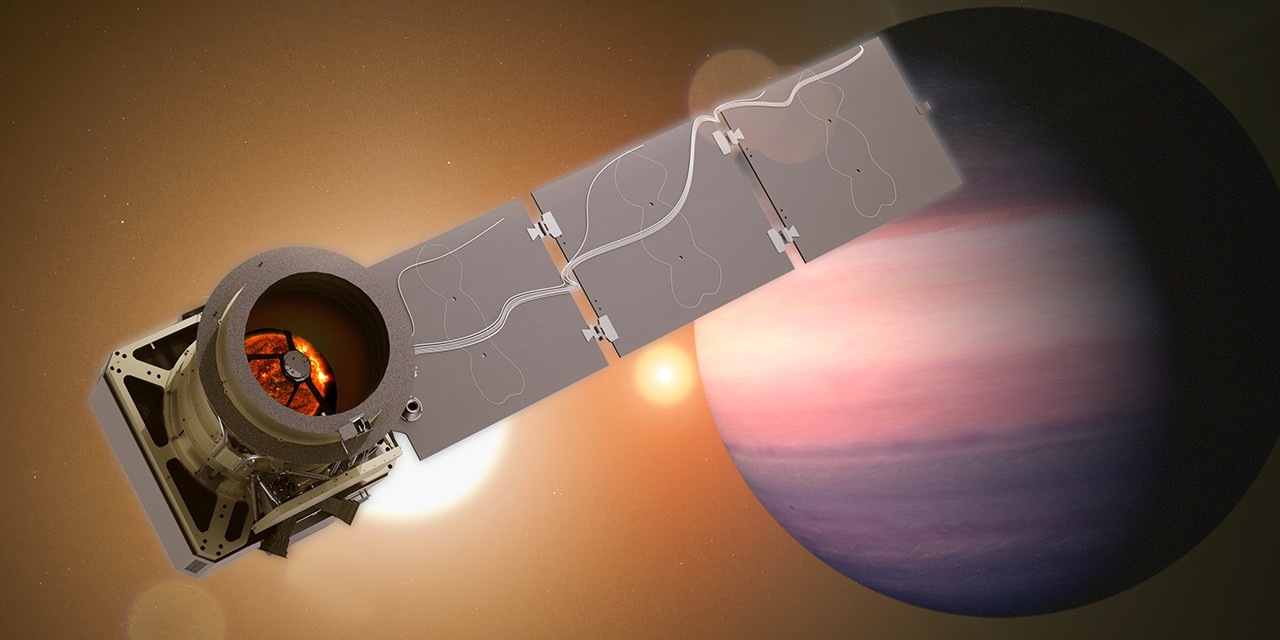
In parallel, the discovery of a triply-eclipsing triple star system by NASA's TESS adds another layer to our understanding of stellar dynamics. Systems like these defy conventional models and offer unique opportunities to study gravitational interactions in complex celestial configurations.
Cometary Clues to the Universe's Mass
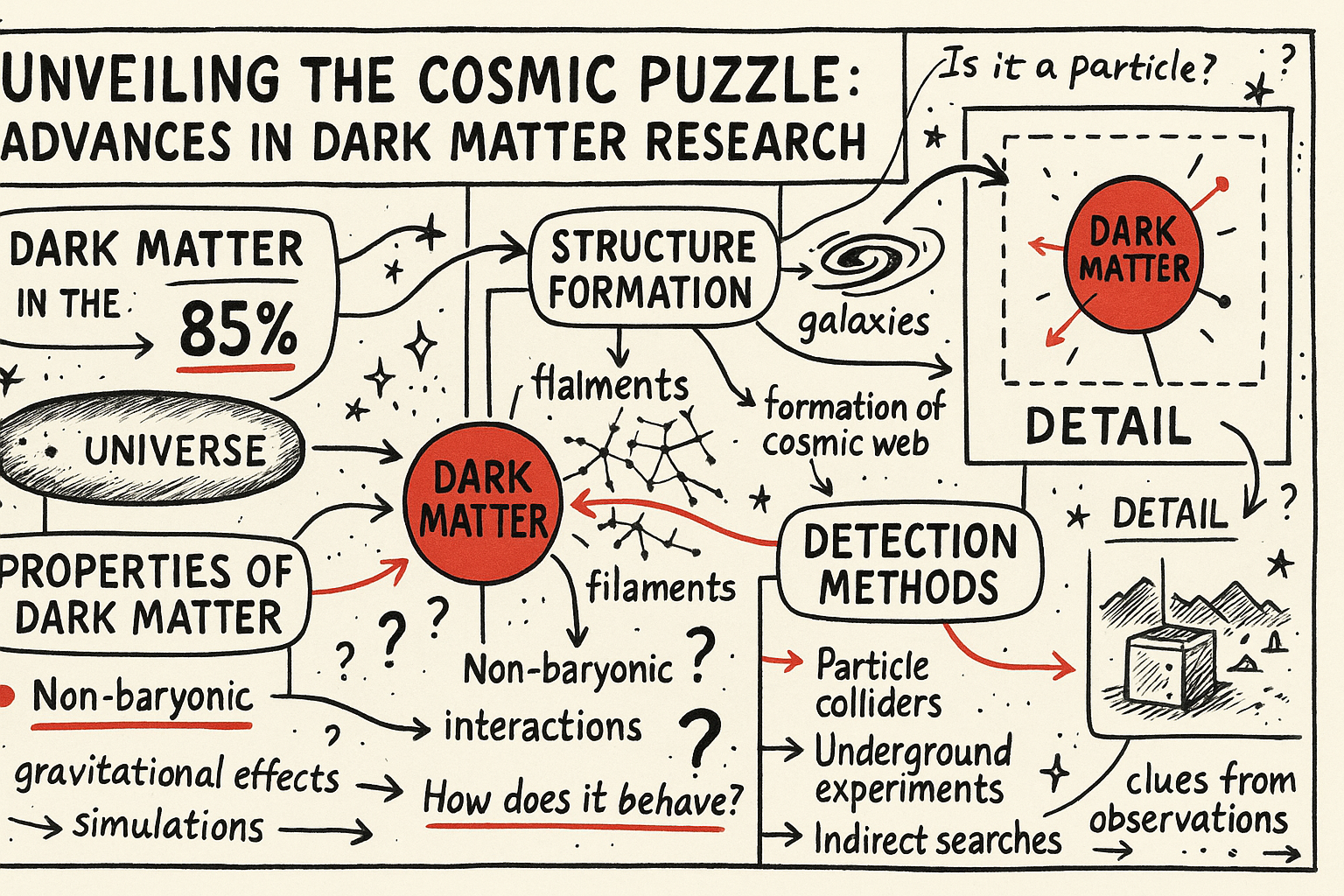
The interstellar comet 3I/ATLAS has sparked interest due to its potential implications for dark matter research. The idea that swarms of such comets could account for some of the Milky Way's missing mass is a tantalizing prospect. If validated, this hypothesis could redefine our understanding of dark matter distribution and its role in galactic formation.
Simulating the Unexpected
Innovative lab simulations of nuclear fallout have unveiled discrepancies with previous models, emphasizing the importance of empirical validation in scientific research. These findings could have far-reaching implications for nuclear safety and environmental impact assessments.
Looking Ahead
The convergence of technological advancements and theoretical breakthroughs is propelling space science into a new era of exploration and discovery. As we continue to probe the farthest reaches of the universe, the lines between established knowledge and new frontiers blur, revealing a cosmos that is more complex and interconnected than previously imagined.
These developments underscore a recurring theme in space science: every answer begets new questions. The quest to understand the universe is an ongoing journey, one that challenges our perceptions and pushes the boundaries of scientific inquiry.