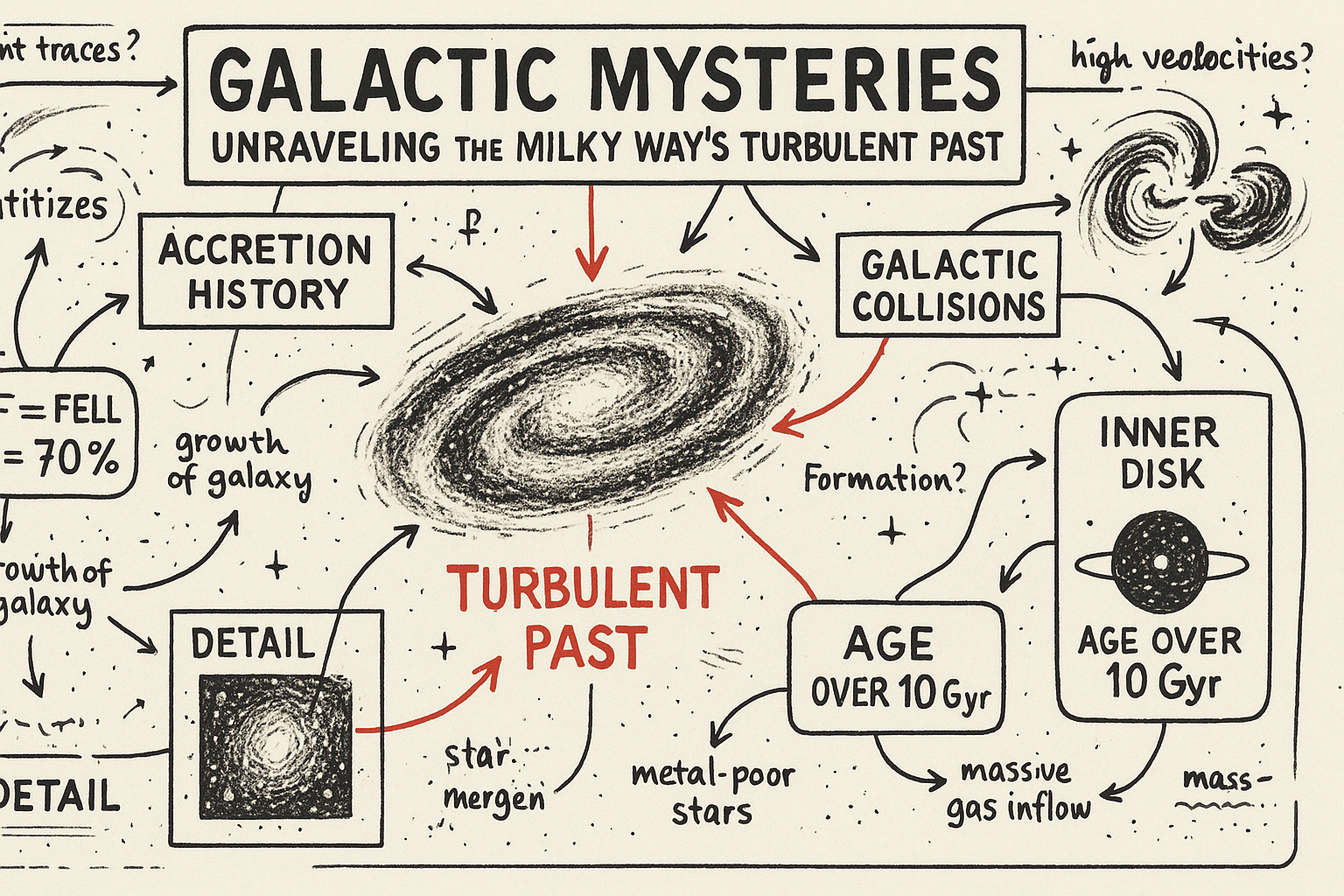
The cosmos, with its vastness and complexity, continuously challenges our understanding, and recent discoveries about the Milky Way are no exception. The latest research suggests that our galaxy's history is punctuated by cosmic collisions and hidden phenomena that have shaped its structure and perhaps even life on Earth itself.
The Galactic Flip
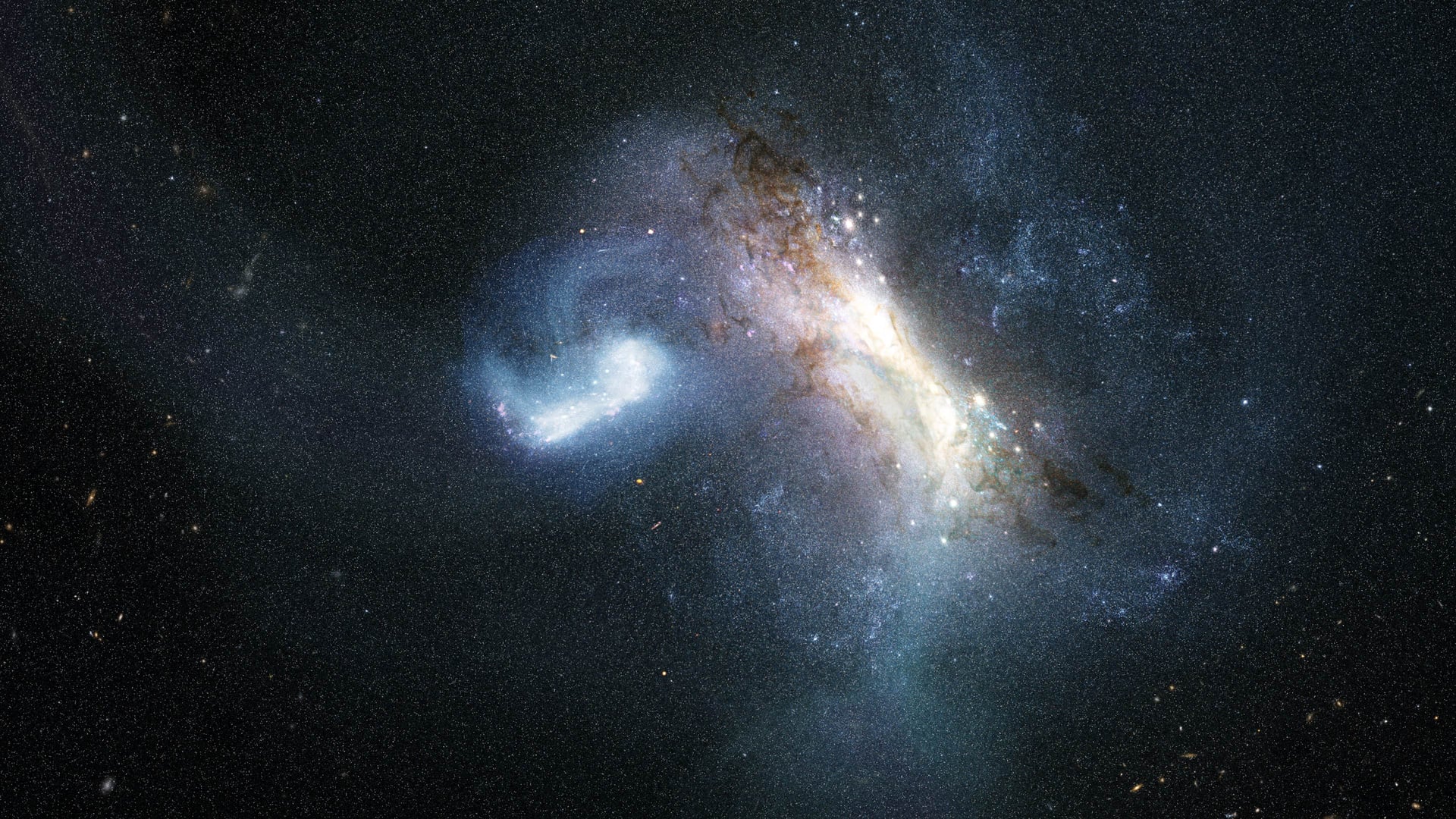
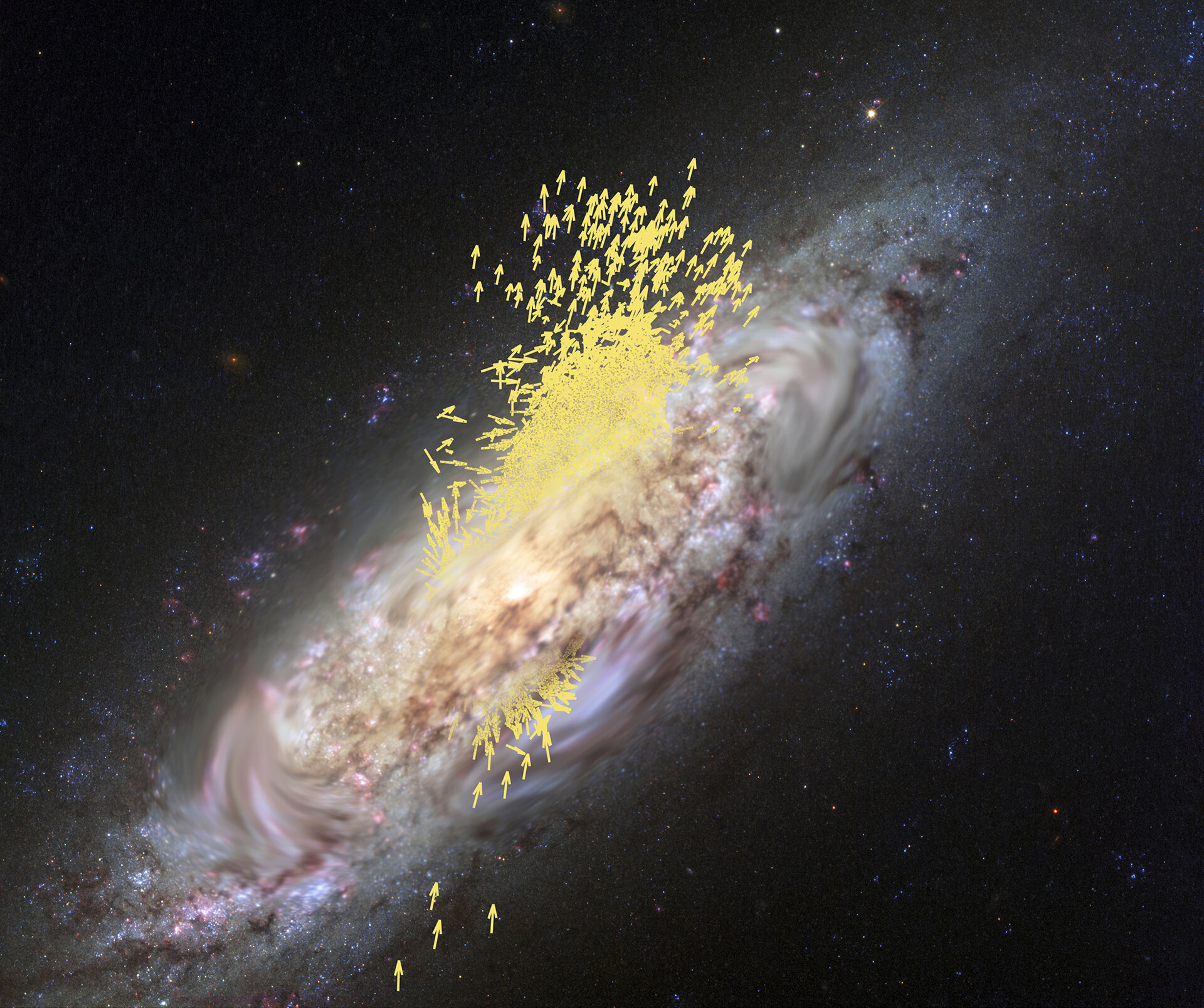
A groundbreaking study by astronomers from Durham University has revealed that the Milky Way underwent a dramatic transformation about 10 billion years ago. This change was triggered by a cataclysmic collision with a smaller galaxy, whimsically referred to as the 'Gaia Sausage.' Such direct hits are rare and indicate a past where our galaxy's disc was 'flipped,' altering its orientation and potentially affecting the trajectory of its stars and solar systems.
This revelation is more than a historical footnote. It challenges our understanding of galactic evolution and prompts questions about the consequences of such cosmic events. Could this collision have influenced the formation of the solar system or the arrangement of continents on Earth? While speculative, these questions underscore the interconnectedness of cosmic events and terrestrial phenomena.
Dark Comets and Planetary Defense
In a separate yet equally fascinating development, astronomers have identified more 'dark comets' near Earth. These elusive objects, previously mistaken for asteroids, pose unique challenges for planetary defense. Their low albedo makes them difficult to detect, raising concerns about their potential threat to Earth.
The discovery of these dark comets highlights the need for enhanced detection technologies and strategies to mitigate possible impacts. As our observation techniques improve, we might find that these mysterious objects are more common than previously thought, prompting a reevaluation of how we prepare for potential cosmic threats.
Interstellar Chemistry and Life
Adding another layer to our cosmic understanding, scientists have detected the first true sugar in interstellar space. This discovery is significant as sugars are fundamental to the formation of RNA, a critical component of life. Detecting these molecules in the vastness of space suggests that the building blocks of life might be more ubiquitous than imagined, supporting theories of panspermia, where life could be spread across the cosmos.
Such findings not only expand our understanding of chemical processes in space but also fuel the search for extraterrestrial life. They challenge us to consider the possibility that life's ingredients are scattered throughout the galaxy, waiting for the right conditions to spark biological processes.
Antimatter Anomalies
Perhaps one of the most intriguing recent discoveries is the potential detection of antimatter signals from beyond the Milky Way. Antimatter, the enigmatic counterpart to matter, has long fascinated physicists due to its rarity and potential energy applications. The detection of gamma rays indicating antimatter annihilation offers a tantalizing glimpse into high-energy processes occurring in distant reaches of the universe.
Understanding these signals could unlock new knowledge about the universe's fundamental forces and lead to advancements in energy technology. However, this discovery also raises questions about the mechanisms producing such signals and their implications for cosmic models.
Together, these discoveries paint a picture of a dynamic and ever-evolving cosmos. They remind us that the universe is a place of mystery and wonder, where each finding leads to more questions and deeper investigations. As we continue to explore and understand our galactic neighborhood, we might find that the universe's greatest secrets are yet to be uncovered, waiting just beyond our current grasp.