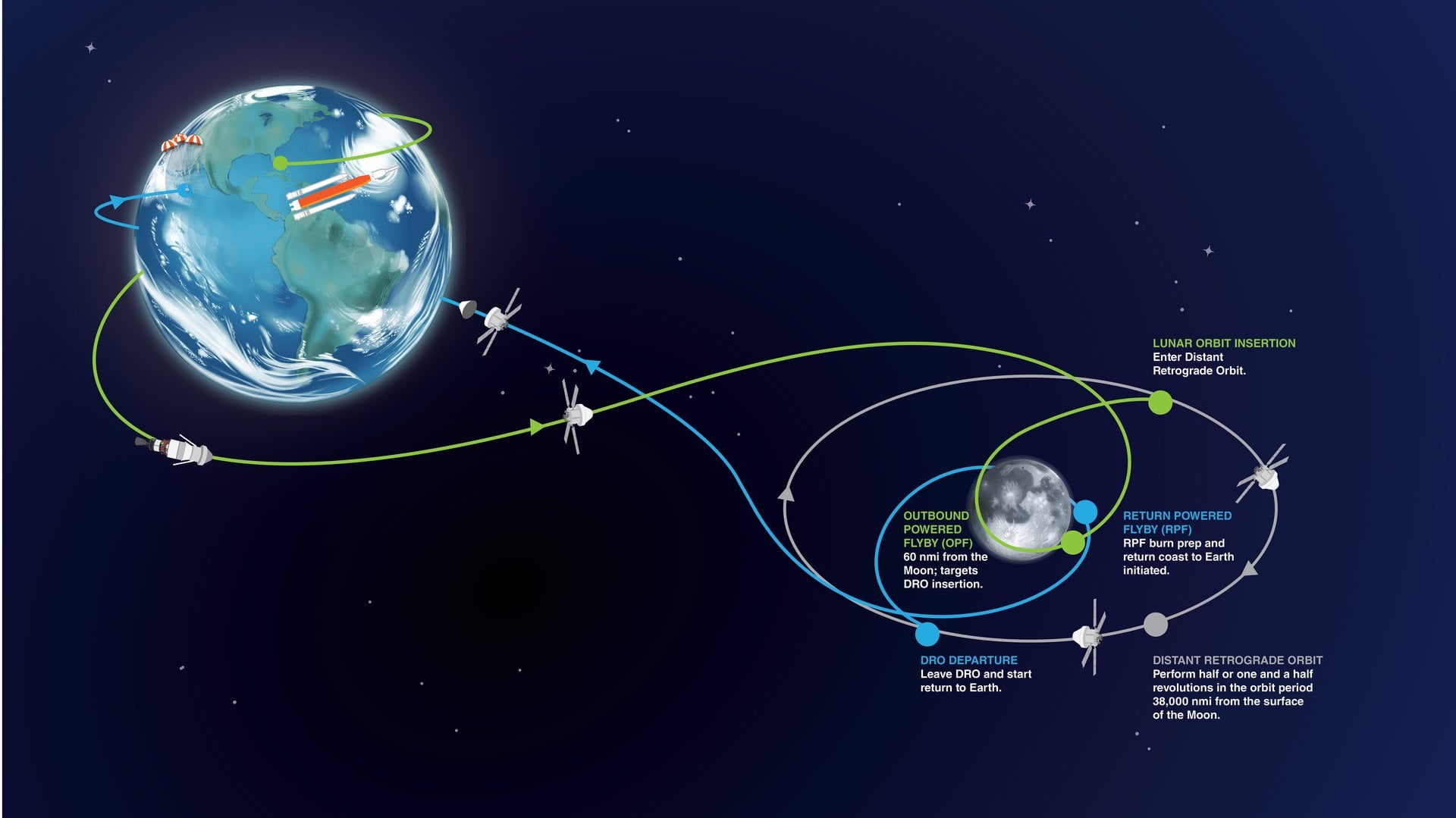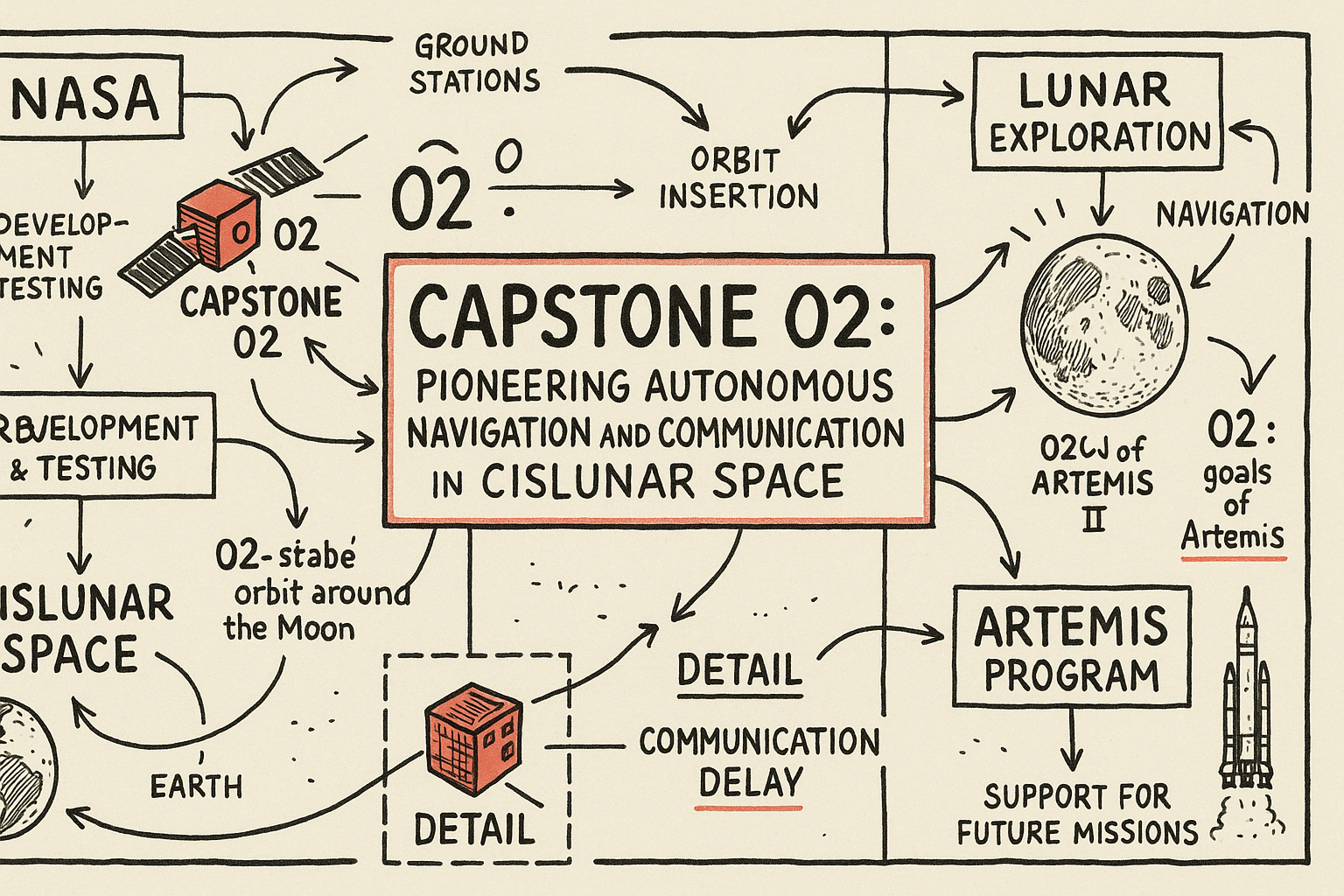
NASA's CAPSTONE 02 mission represents a significant leap forward in the quest to establish a sustainable human presence on the Moon. Scheduled for launch in 2027, this mission will employ two identical spacecraft, each weighing approximately 400 kilograms, to test pioneering navigation and communication technologies in cislunar space. The mission's primary objective is to evaluate three advanced NASA navigation software suites and further develop the Cislunar Autonomous Positioning System (CAPS).
Developed by Terran Orbital Systems, the CAPSTONE 02 spacecraft will demonstrate autonomous navigation, rendezvous and proximity operations, and cislunar communications. These capabilities are essential for the success of future Artemis missions and the broader lunar infrastructure that NASA envisions.
The mission's focus on autonomous navigation is particularly crucial. As space exploration extends beyond Earth's orbit, the ability to navigate independently becomes vital. This capability reduces reliance on Earth-based systems, which can be limited by the vast distances involved in cislunar space. By advancing the CAPS navigation system, CAPSTONE 02 will play a pivotal role in ensuring that future lunar missions can operate with greater autonomy and efficiency.
Advancing Cislunar Communication
Another critical aspect of CAPSTONE 02 is its contribution to developing a robust communication infrastructure in cislunar space. NASA and the European Space Agency (ESA) are investing heavily in creating a commercial ecosystem beyond Earth orbit, with communication being a cornerstone of this effort. The mission will test new communication technologies that aim to replicate terrestrial services like broadband communications and position, navigation, and timing (PNT) across the vast distances of cislunar space.
This communication backbone is essential for the Artemis program's success, as it will enable seamless data transmission between lunar missions and Earth. The ability to maintain reliable communication links is vital for mission safety and operational efficiency, particularly as NASA and its partners aim to establish a permanent lunar base.
Radiation Assessment and Future Implications
In addition to navigation and communication tests, CAPSTONE 02 will continue to assess radiation conditions around the Moon. Understanding the lunar radiation environment is crucial for the safety of astronauts and the longevity of equipment. The data collected by CAPSTONE 02 will inform the design of future lunar habitats and protective measures for astronauts.
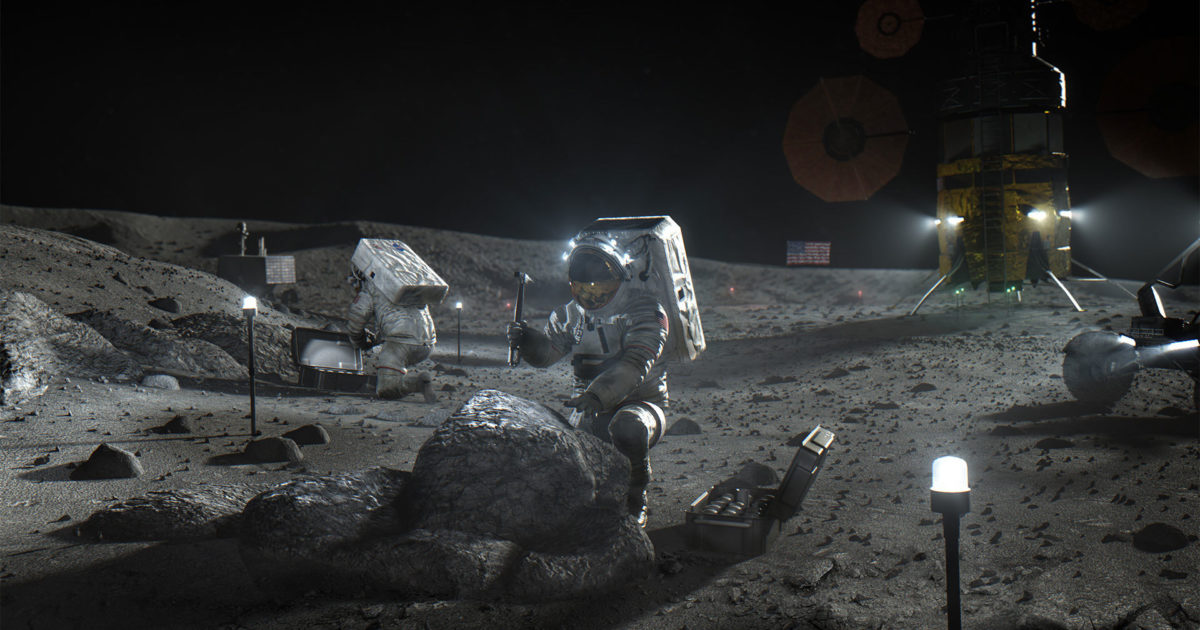
Overall, CAPSTONE 02 is a critical step toward achieving NASA's ambitious goals for lunar exploration. By testing and validating new technologies in cislunar space, the mission will lay the groundwork for more complex operations on and around the Moon. As NASA and its international partners continue to push the boundaries of space exploration, missions like CAPSTONE 02 will ensure that the necessary infrastructure is in place to support a new era of lunar exploration.