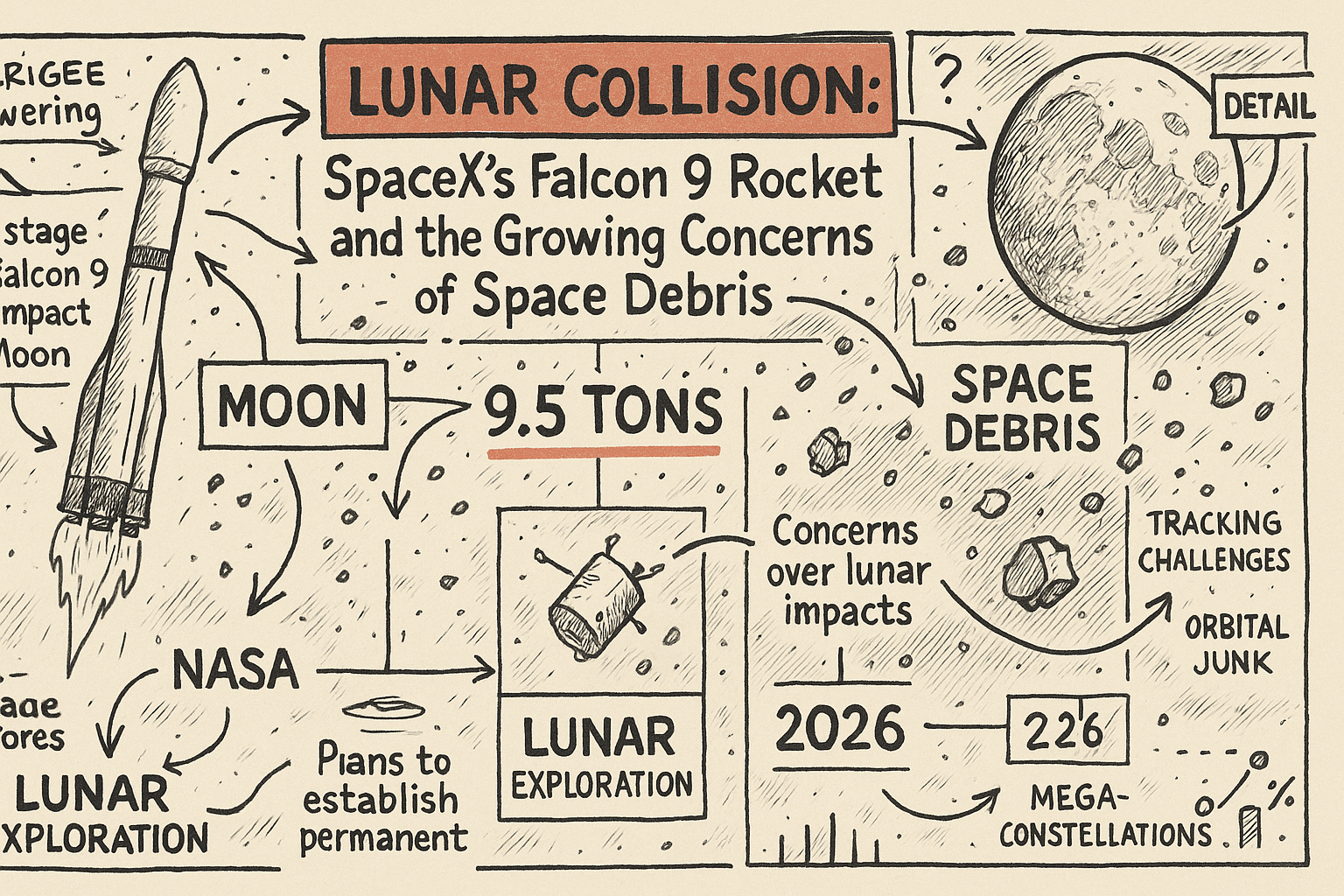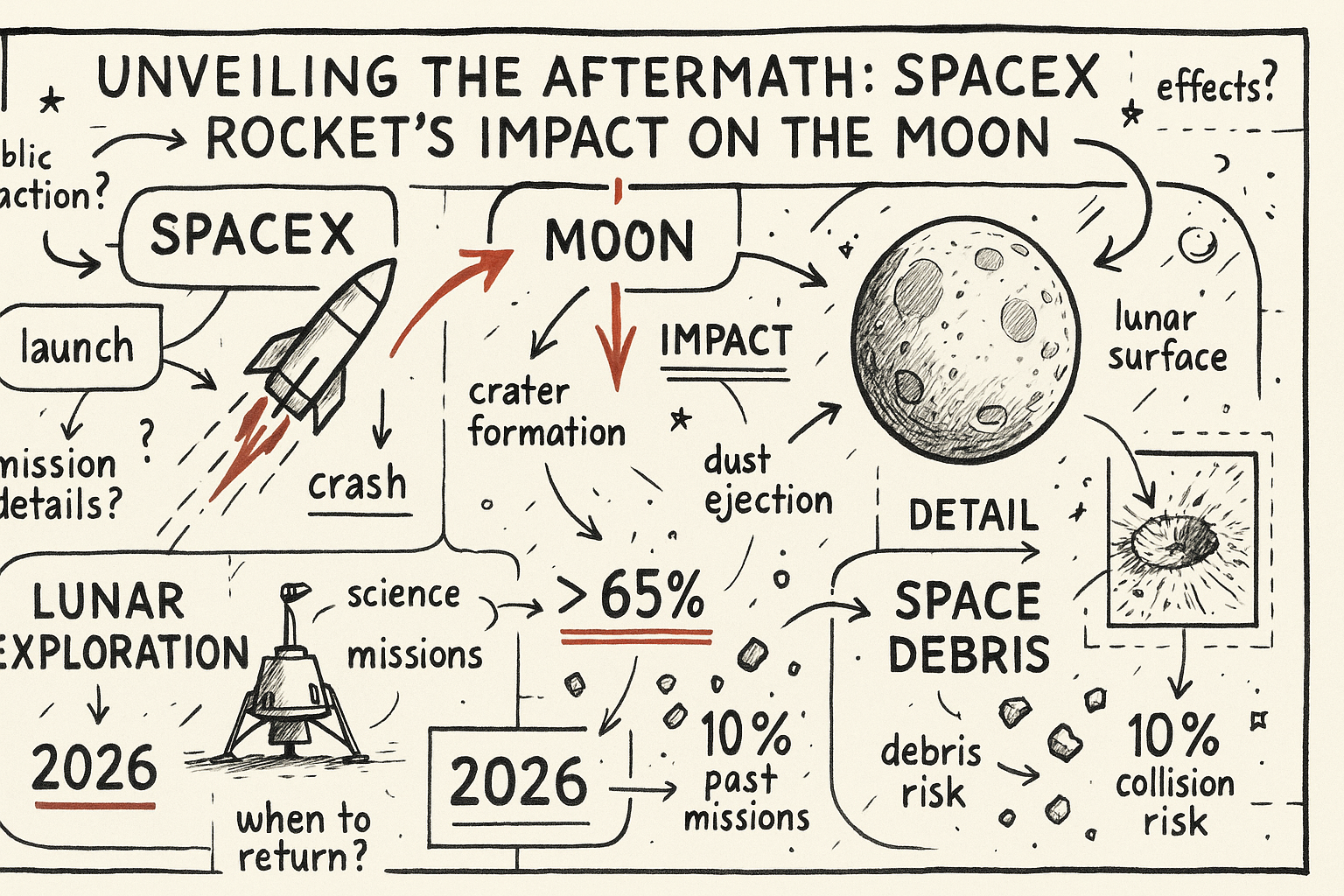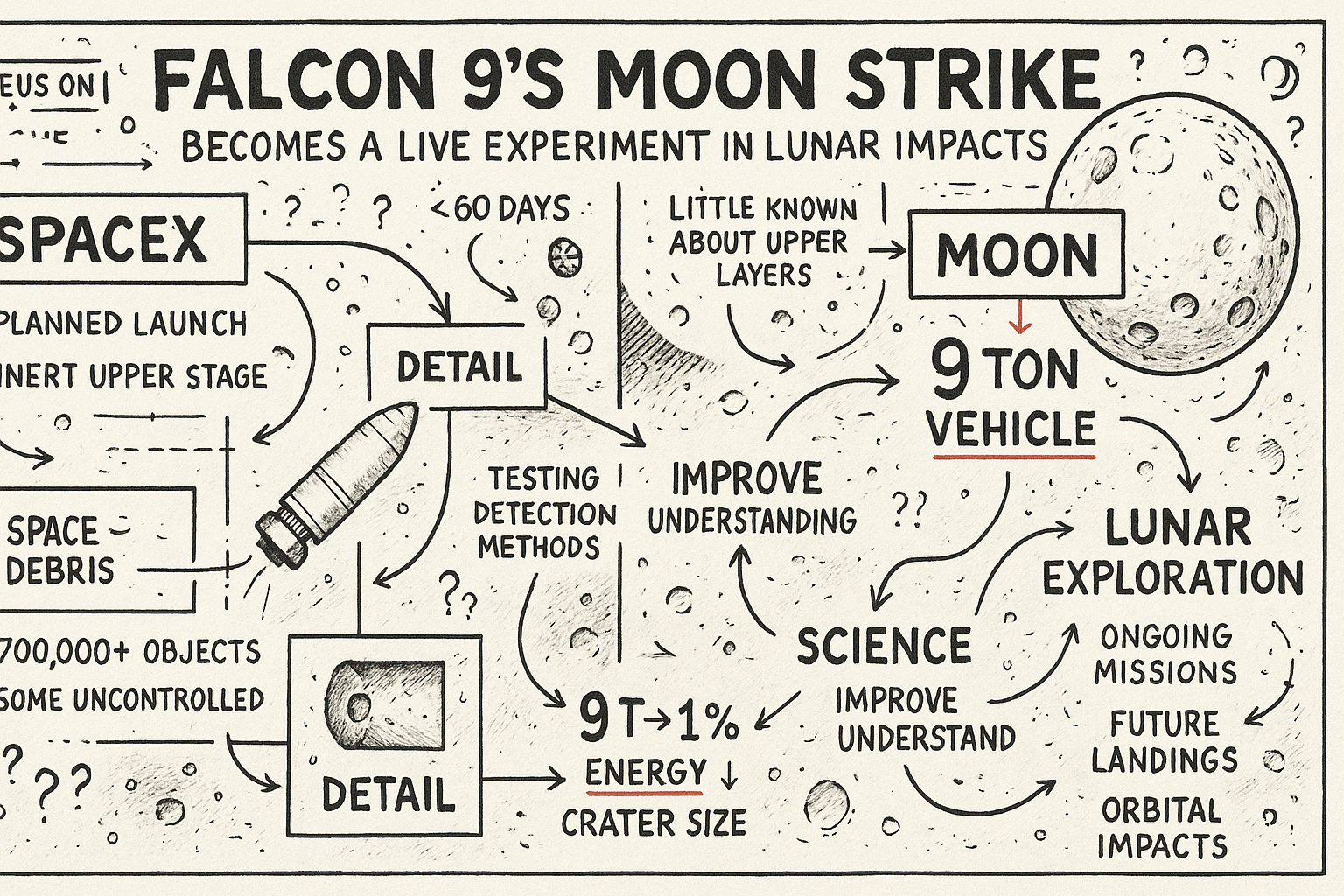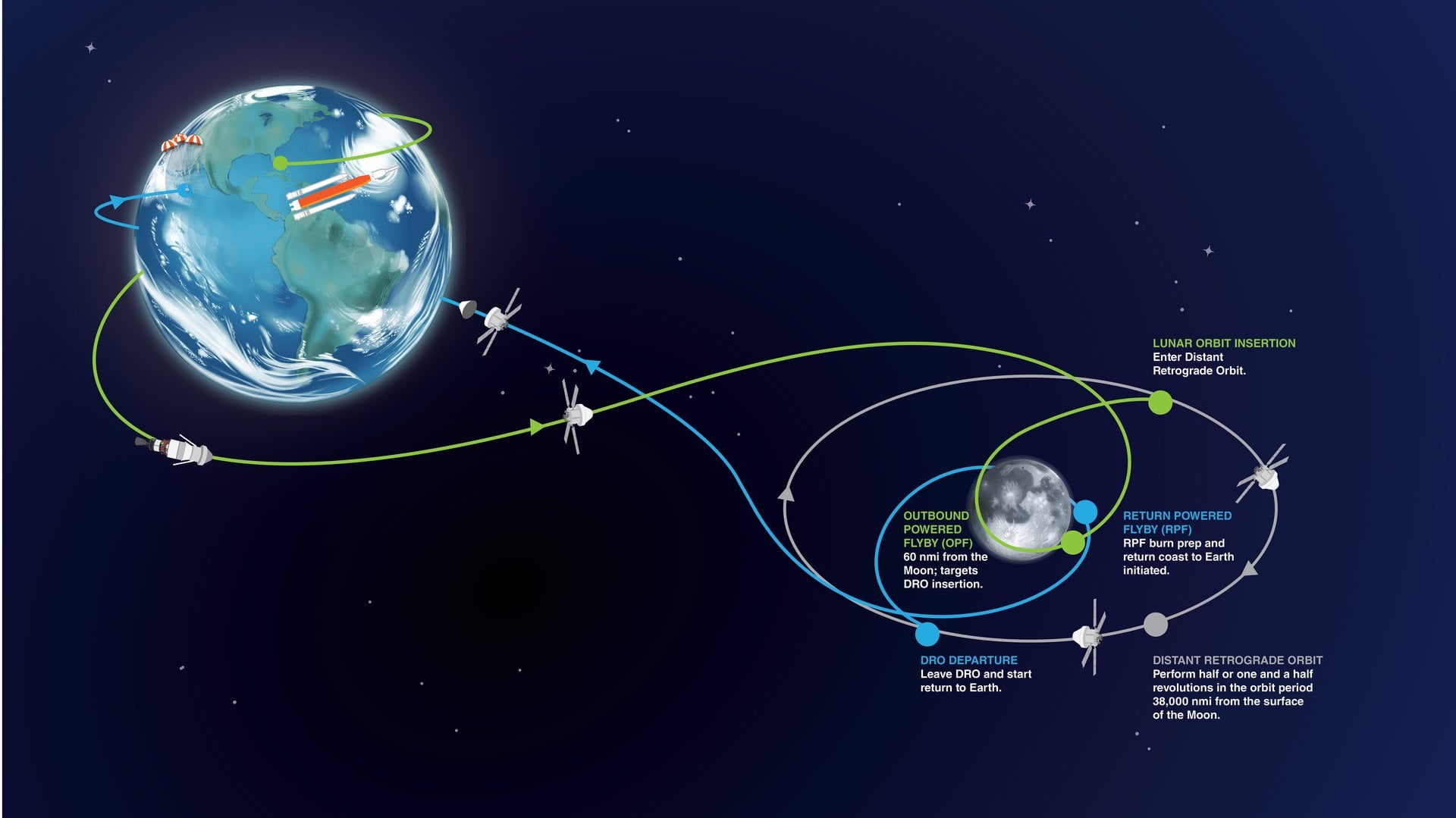
Cislunar space, the region between the Earth and the Moon, is becoming an area of intense interest and strategic planning as international missions to the Moon surge. The growing number of missions reflects an increased presence of national and commercial entities in space, pursuing ambitious goals that include establishing permanent lunar bases. However, as these missions proliferate, so too does the risk posed by space debris, necessitating a careful examination of potential collision hazards.
In a recent study by researchers from the Chinese Academy of Sciences (CAS), the dispersion of debris clouds from objects in Distant Retrograde Orbits (DROs) was analyzed. These findings, available on the arXiv preprint server, provide critical insights into debris evolution within the Earth-Moon system. The research underscores the importance of developing safety guidelines and mitigation strategies to ensure the safe passage of future lunar missions.
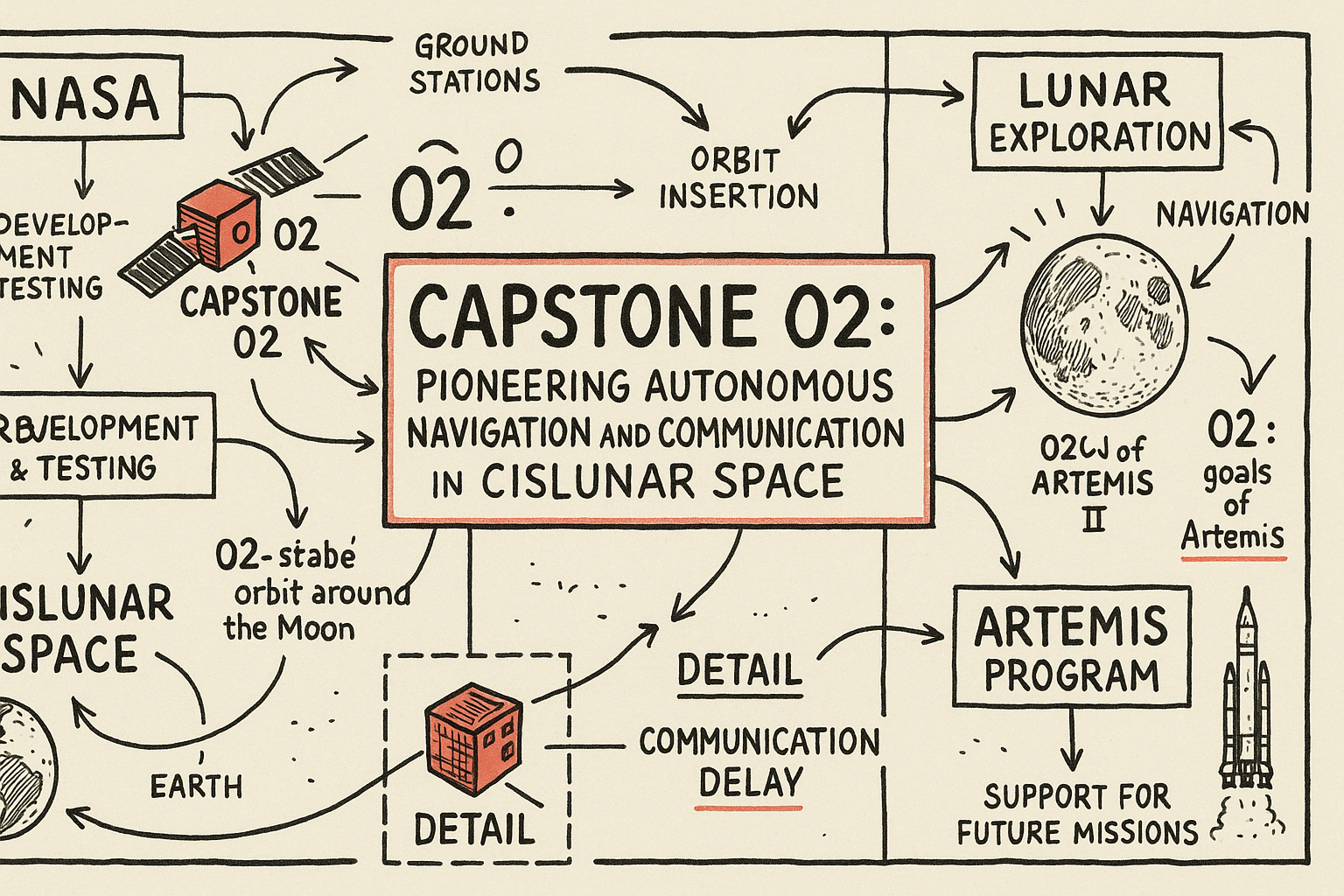
The international community's interest in the Moon is evident with various ongoing and planned missions. NASA's Artemis program, aimed at returning humans to the lunar surface, is a cornerstone of these efforts. The program's successful Artemis I test flight and the crewed Artemis II circumlunar flight highlight the progress towards establishing a sustainable human presence on the Moon. NASA's CAPSTONE mission, which became the first spacecraft to enter a near-rectilinear halo orbit around the Moon, exemplifies the type of advanced orbital mechanics that future missions may employ.
Other notable missions include China's Chang'e program, the Indian Space Research Organisation's Chandrayaan-2 and -3 orbiters, South Korea's Danuri orbiter, Israel's Beresheet lander, and Japan's Hakuto-R Mission 1. By 2030, both NASA and China plan to send astronauts and taikonauts to the lunar surface, with subsequent missions expected to follow. China's plans include the International Lunar Research Station (ILRS), which will feature both surface components and potentially an orbital element.
While the scientific and exploratory benefits of these missions are vast, they also present challenges. The increasing amount of traffic to the Moon, involving landers and lunar ascent vehicles (LAVs) for transporting payloads and crew, significantly raises the potential for collisions with debris. The study by CAS researchers indicates that collisions between debris objects can lead to breakup events, creating a cascade effect that increases the likelihood of further collisions.
To address these challenges, strategic planning and international cooperation are crucial. Developing detailed maps of existing debris and implementing tracking systems can help mitigate risks. Furthermore, space agencies must collaborate on establishing comprehensive debris management policies, akin to air traffic control systems on Earth.
In addition to immediate safety concerns, understanding debris distribution and evolution in cislunar space will play a vital role in safeguarding long-term lunar exploration efforts. As NASA and other agencies continue to develop cislunar infrastructure, such as the Lunar Gateway and permanent Moon bases, the integration of these safety considerations will be essential.
The current trajectory of lunar exploration represents a new era in space exploration, where Earth's closest celestial neighbor becomes a focal point for scientific discovery and potential economic development. However, this ambition needs to be balanced with prudent risk management strategies to ensure that the path to the Moon remains clear and safe for all who embark on this journey.