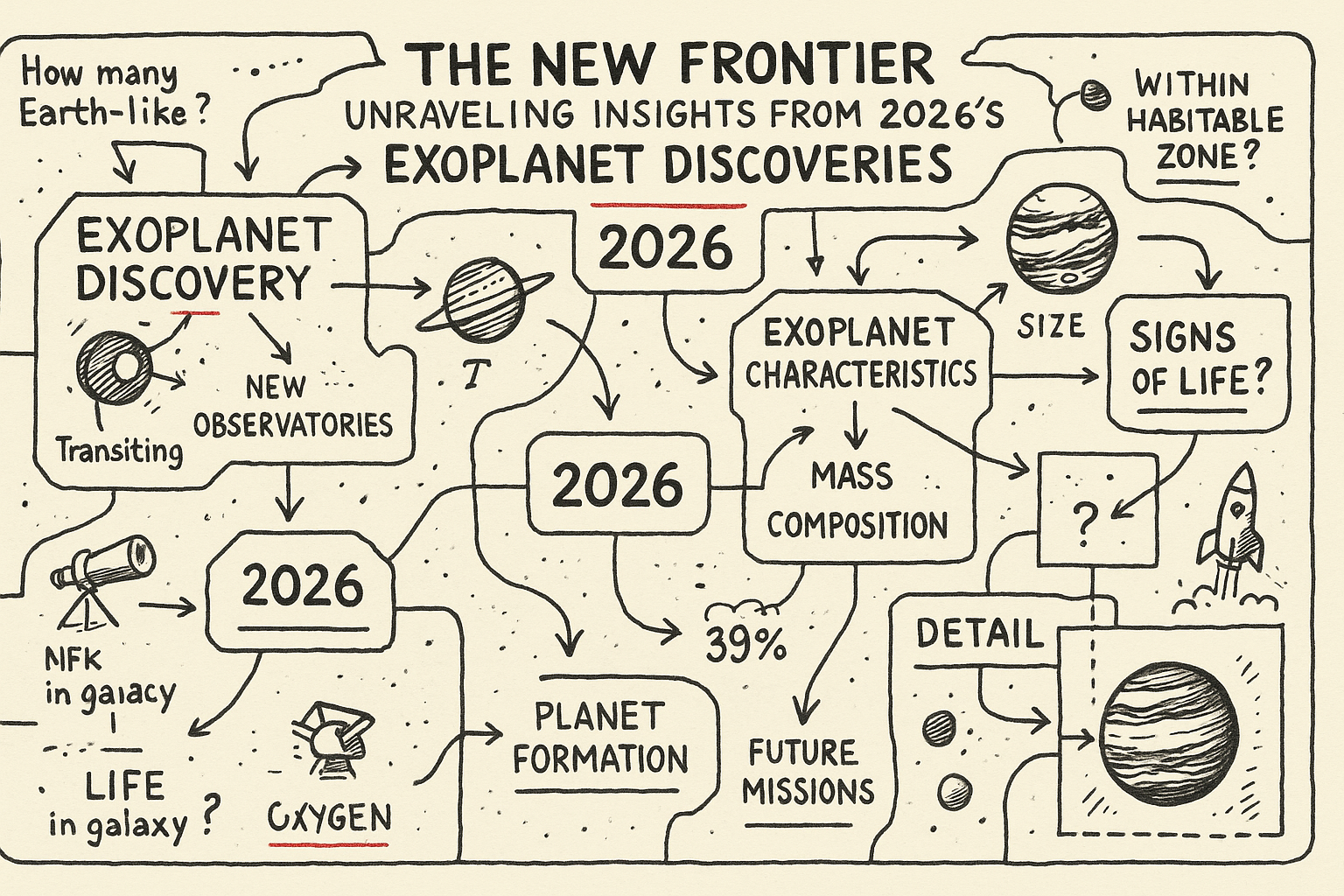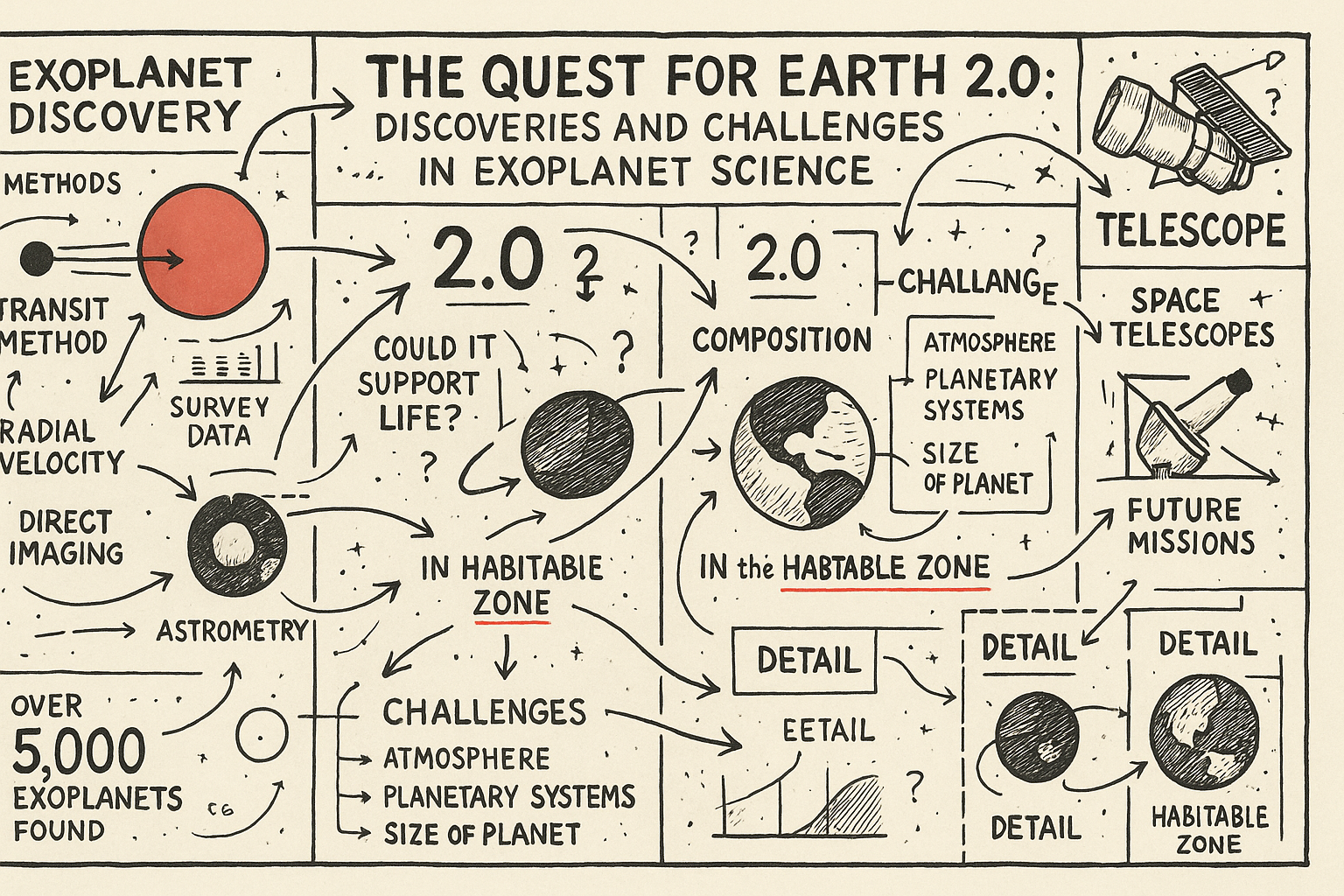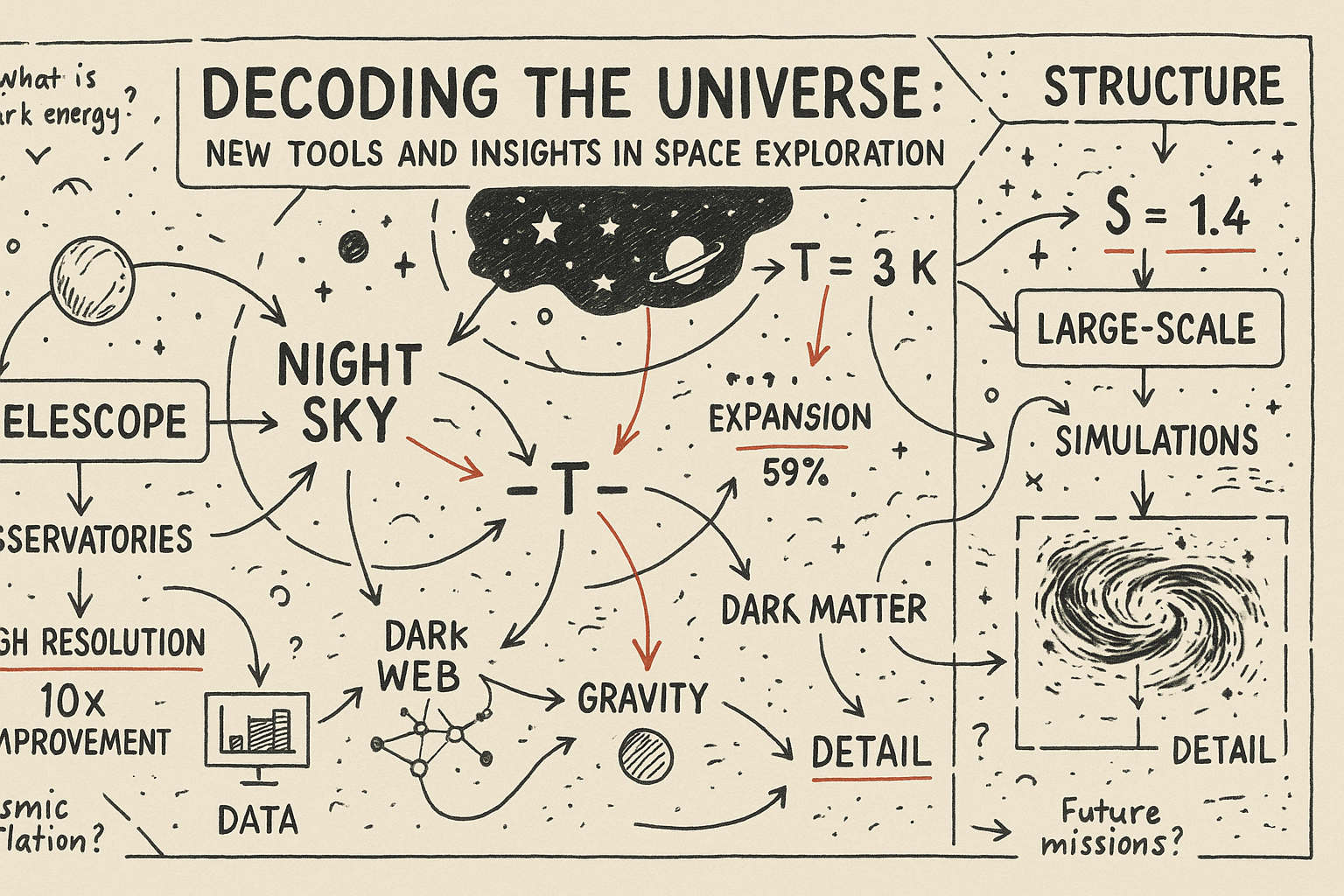
The quest to understand our universe is reaching unprecedented heights, driven by a confluence of cutting-edge technologies and innovative ideas. Central to this pursuit is the development of new tools that promise to expand our cosmic horizons, enabling us to explore distant worlds and potentially detect signs of life beyond Earth.
The Role of Next-Gen Telescopes
At the forefront of this exploration is the Extremely Large Telescope (ELT), currently under construction in Chile. With its 39-meter aperture, the ELT is poised to revolutionize our understanding of the cosmos. Its spectrograph, as detailed in recent studies, could potentially sniff out biosignatures on other worlds, providing critical data in the search for extraterrestrial life (Source 1).
However, the ELT's construction is a formidable challenge. The precision required in assembling this colossal structure is daunting, with tolerances on the order of micrometers (Source 6). These challenges underscore the delicate balance between ambition and engineering precision in modern astronomy.
Quantum Physics: A New Frontier in Exoplanet Discovery
Quantum physics is emerging as a pivotal player in the hunt for Earth-like exoplanets. The inherent dimness of these planets, often millions of times fainter than their host stars, makes direct imaging a formidable task. Yet, the principles of quantum mechanics offer new methodologies to overcome these challenges. As researchers explore these quantum techniques, they inch closer to capturing images of distant, potentially habitable worlds (Source 2, Source 4).
One such ambitious project, led by physicist Paul Stankus, aims to photograph an alien continent using spacecraft in tight formation. If successful, this concept could provide unprecedented insights into the surface features of distant exoplanets, going beyond mere detection to detailed exploration (Source 3).
Rethinking the Search for Extraterrestrial Intelligence
The search for extraterrestrial intelligence (SETI) has traditionally focused on detecting signals similar to our own technological capabilities. However, this approach might be limiting. Some researchers propose that we might have overlooked simpler, more energy-efficient methods used by advanced civilizations, such as 'alien lighthouses'—signals that are not based on high-energy technology (Source 7, Source 8).
This paradigm shift suggests that by broadening our search parameters, we might increase our chances of detecting intelligent life. Such insights challenge our anthropocentric view of technology and highlight the need for innovative approaches in SETI.
Implications and Future Prospects
As these technological and theoretical advancements converge, the implications for space exploration are profound. The potential to identify biosignatures, map the surfaces of distant exoplanets, and detect intelligent signals reshapes our understanding of the universe and our place within it.
Amid these developments, an intriguing possibility emerges: the notion that highly advanced civilizations might prioritize resource conservation over technological grandeur. This insight not only challenges our assumptions about alien life but also offers a new lens through which to view our own technological progress.
In conclusion, the synthesis of quantum physics, next-generation telescopes, and innovative SETI strategies heralds a new era of discovery. As we stand on the cusp of these breakthroughs, the universe beckons us to explore its mysteries with renewed vigor and open-mindedness.