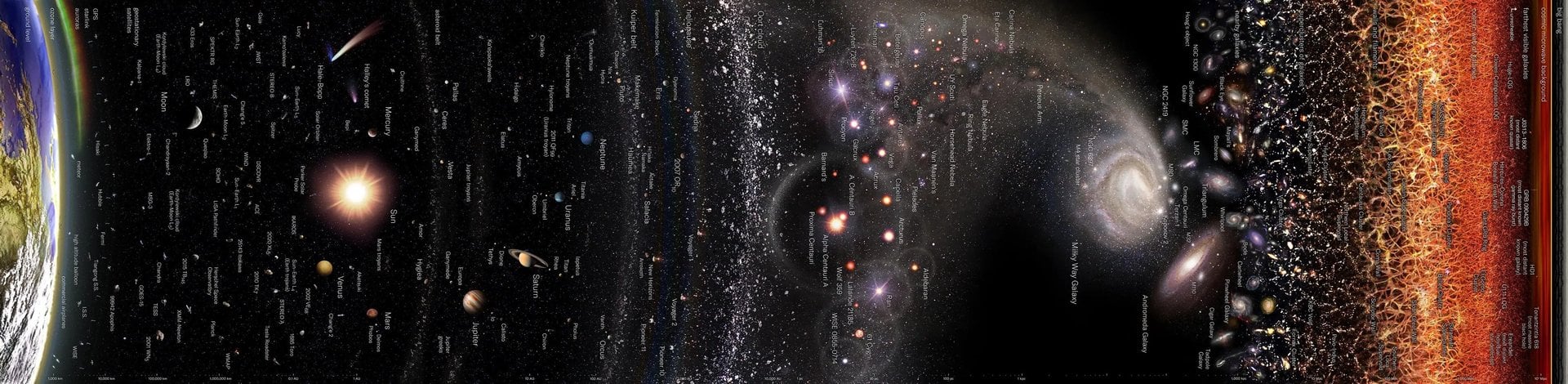
The dream of interstellar travel has captivated human imagination for decades. With over 2 trillion galaxies in the observable universe and our own Milky Way spanning approximately 100,000 light-years, the allure of reaching distant stars is undeniable. However, the journey to even the nearest stellar neighbors is fraught with immense challenges, primarily due to the constraints posed by Einstein's Theory of Relativity. Achieving a fraction of the speed of light requires extraordinary amounts of energy and potentially new physics, making the quest for interstellar travel a monumental endeavor.
Since the dawn of the Space Age, several concepts have been proposed to make interstellar travel a reality. Initially, these proposals were ambitious, involving large-scale projects from space agencies. However, as technology advanced, the focus shifted to miniaturized and automated spacecraft. While these new propulsion methods are more exotic, they have also become more practical and feasible for reaching distant worlds.
The transition from agency-driven projects to those spearheaded by non-profit organizations and private research institutes marks a significant evolution in the pursuit of interstellar travel. This shift reflects a broader trend where innovative space exploration concepts increasingly emerge from diverse sectors, including private industry and academia.
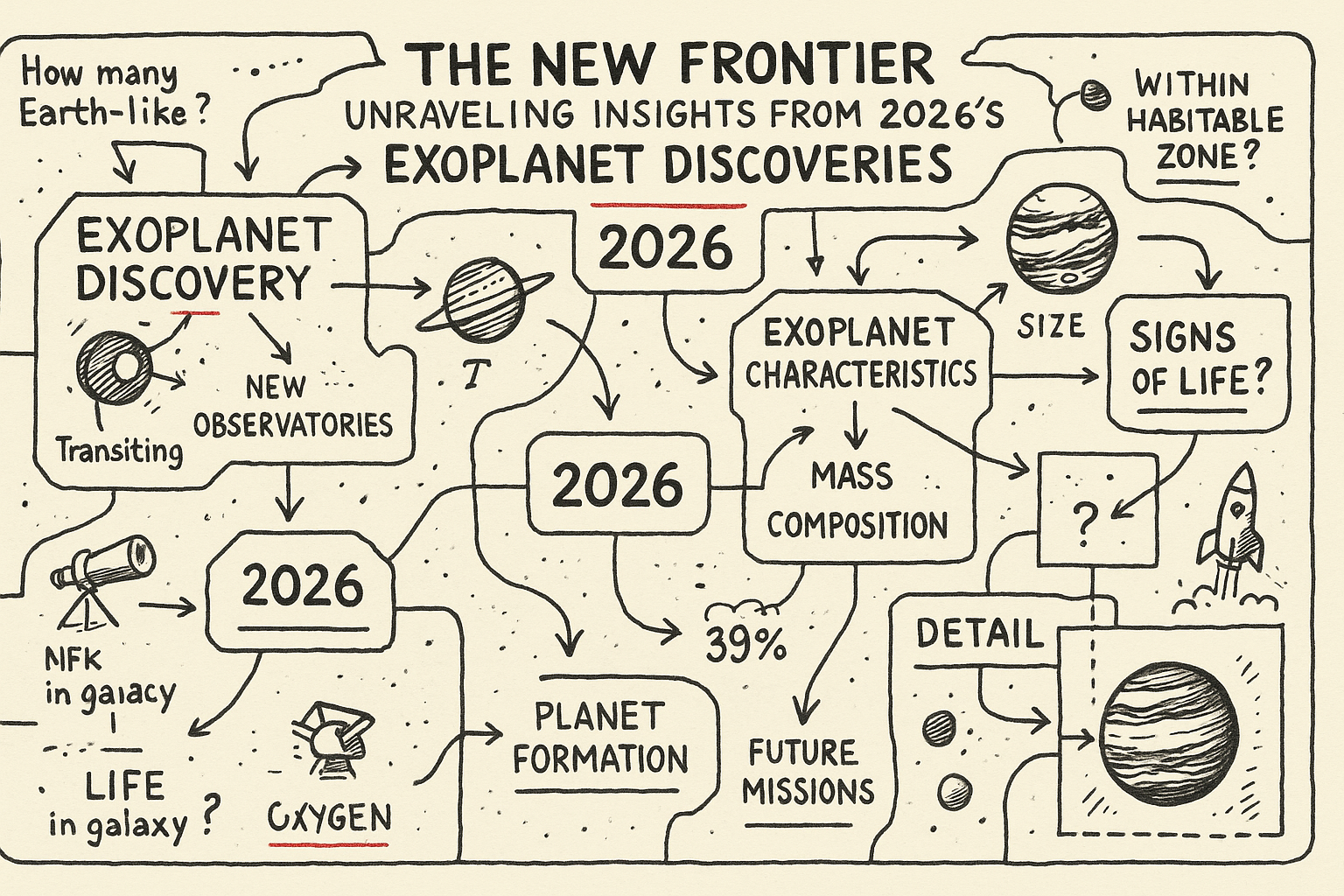
One of the primary considerations for any interstellar mission is the choice of destination. The field of exoplanet studies has seen tremendous growth over the past two decades, with the confirmation of 6,333 exoplanets in 4,747 star systems. Among these, only 222 are Earth-like terrestrial planets, and 31 of these are within 50 light-years of Earth. Most of these planets orbit M-type red dwarf stars. The closest known Earth-like planet, Proxima b, orbits within its star's habitable zone and is approximately the same size and mass as Earth, although its average surface temperature is estimated at -39°C.
Proxima b and similar exoplanets present intriguing possibilities for future exploration missions. However, their proximity to M-type stars, where tidal locking is common, poses unique challenges for habitability and scientific study. Tidal locking means one side of the planet constantly faces its star, leading to extreme temperature variations and potentially harsh environmental conditions.
Despite these challenges, the potential for interstellar travel continues to inspire scientists and engineers. The key questions that remain are how much humanity is willing to invest in such ventures and how long we are prepared to wait for tangible results. The advancements in propulsion technologies, such as nuclear rockets, coupled with a better understanding of exoplanets, are crucial steps toward making interstellar travel a reality.
Nuclear propulsion offers a promising avenue for achieving the high speeds necessary for interstellar missions. It provides a higher thrust-to-weight ratio compared to conventional chemical rockets, potentially reducing travel time to distant stars. However, the development and deployment of nuclear rockets involve significant technical and regulatory challenges that must be addressed.
As we look to the future, the dream of reaching another star requires not only technological breakthroughs but also a global commitment to overcoming the scientific, financial, and logistical hurdles. Interstellar travel remains one of humanity's most ambitious goals, representing the next frontier in space exploration. With continued innovation and collaboration, the stars may one day be within our reach.