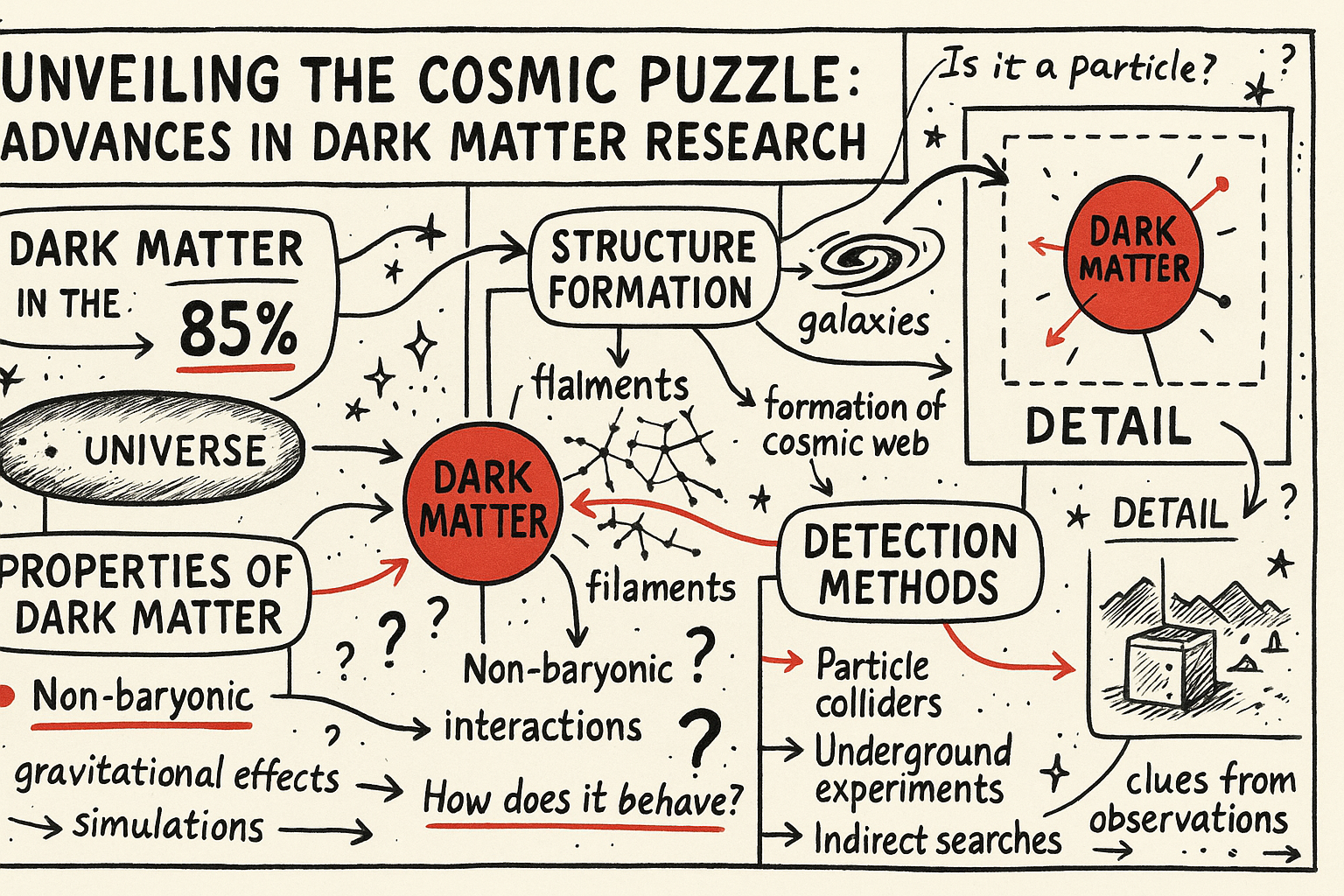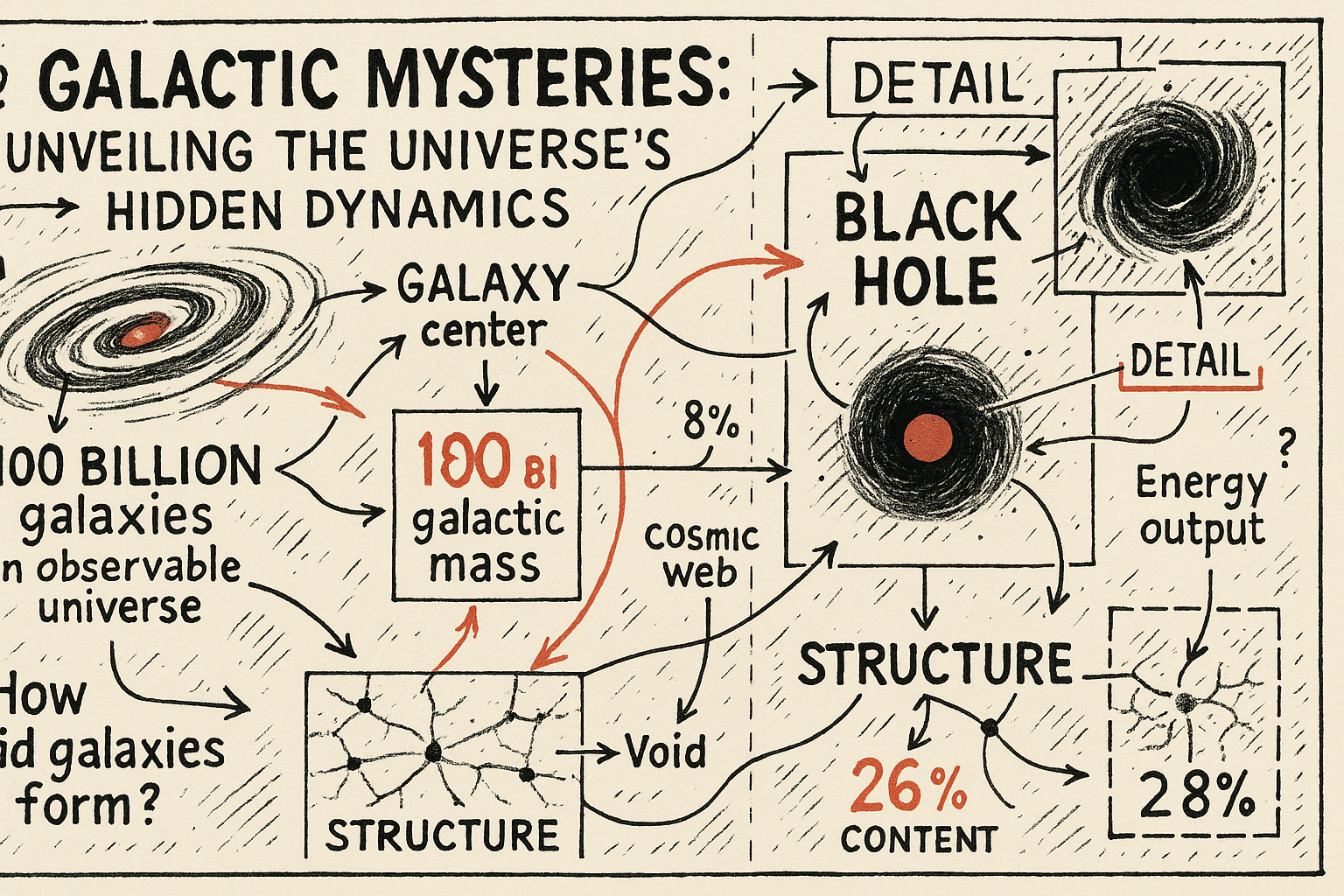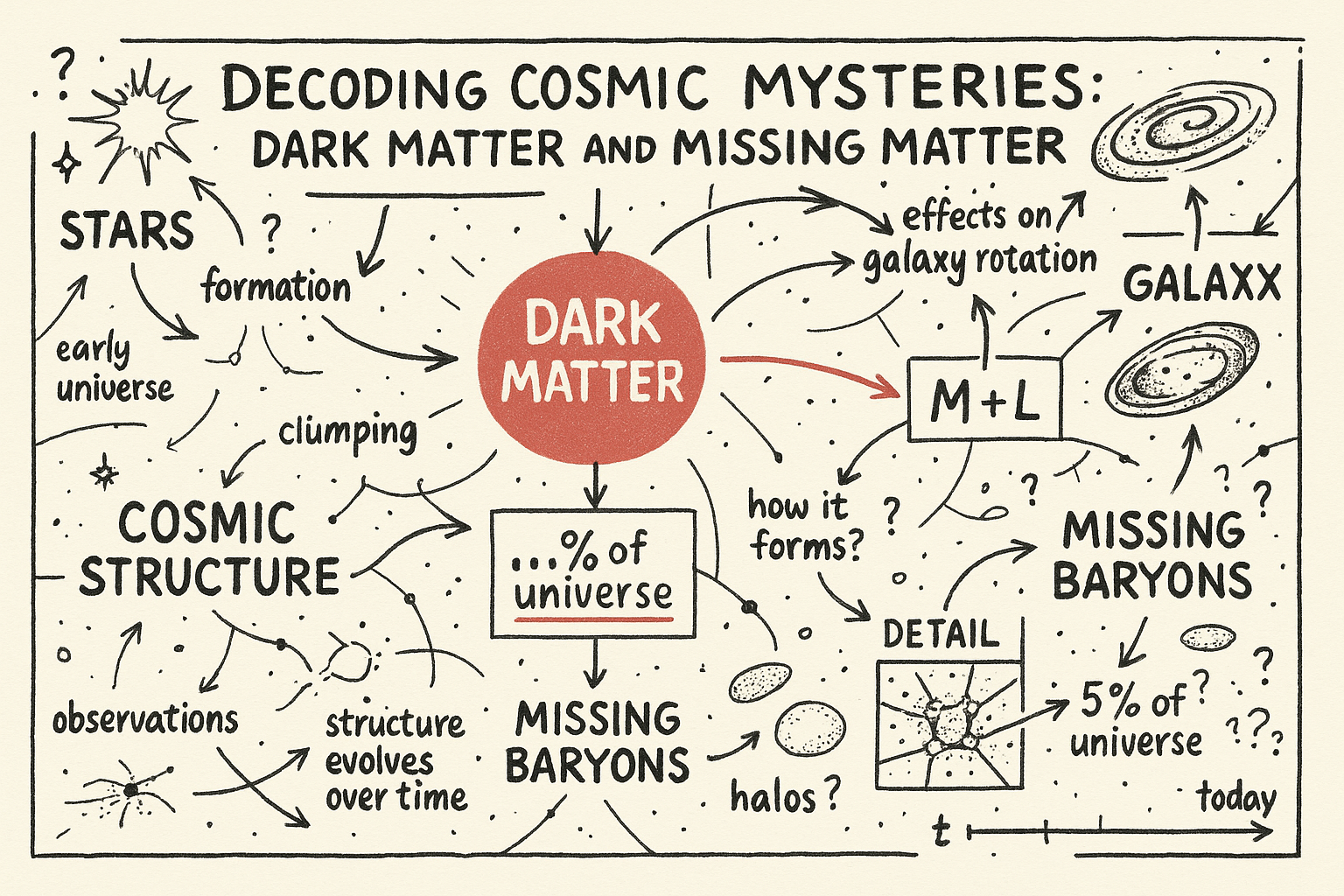
The cosmos has long fascinated humanity, with dark matter and missing cosmic gas remaining among its most enduring mysteries. Recent astronomical discoveries are offering fresh insights into these elusive elements, potentially revolutionizing our understanding of the universe.
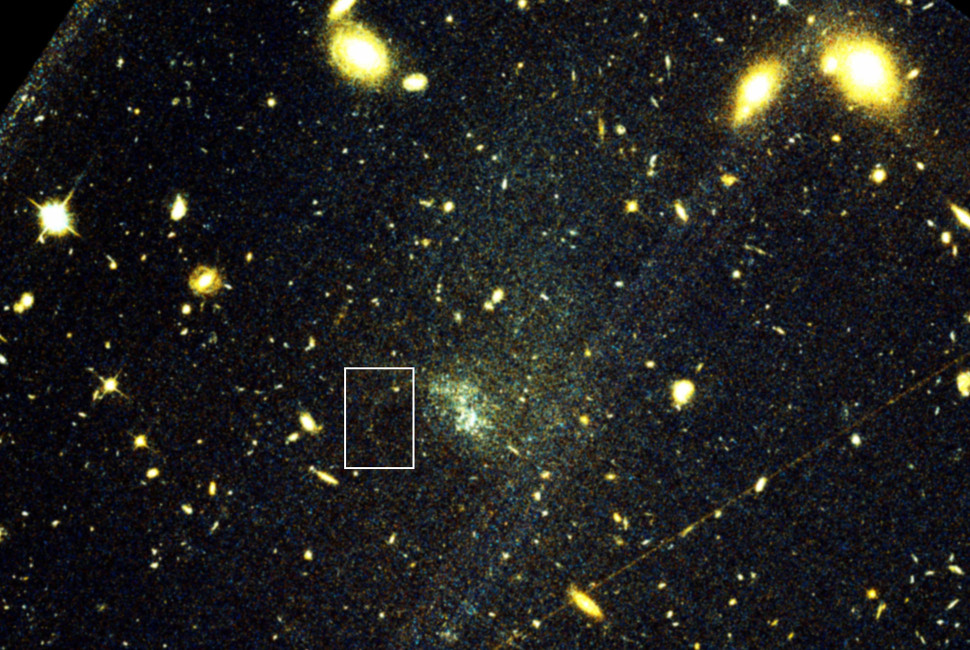
One of the most intriguing developments involves the use of globular cluster stellar streams beyond the Milky Way as a novel tool to map dark matter. These faint trails of stars, acting as cosmic fossils, retain a record of their dynamical history, providing unique insights into the evolution of galaxies. The significance of these streams lies in their ability to trace the gravitational effects of dark matter, offering a new pathway to map its enigmatic distribution in the universe.
Simultaneously, the James Webb Space Telescope, humanity's eye on the cosmos, has unveiled a remarkable connection in the galaxy NGC 4696. This discovery reveals the journey of matter through vast filaments of gas into the accretion disk surrounding a supermassive black hole. Such observations deepen our understanding of the complex feeding and feedback cycles between black holes and their surrounding environments. They also highlight the intricate dance of matter as it navigates the cosmic landscape, shedding light on the mechanisms that govern galactic evolution.
Adding another layer to this cosmic puzzle is the hypothesis that dark matter may be transforming into unknown particles that permeate the universe with gravity. This groundbreaking theory suggests that dark matter, traditionally thought to be composed of weakly interacting particles, could be undergoing a transformation into new entities that interact with gravity in unexpected ways. If proven, this could fundamentally alter our conception of the universe's composition and the forces at play.
In parallel, astronomers are leveraging brief but powerful flashes of radio waves to map the universe's missing baryonic matter—often referred to as the 'missing matter.' These cosmic radio bursts offer a new approach to tracing the distribution of cosmic gas, which, despite constituting a significant portion of the universe's mass, remains largely undetected. By analyzing the dispersion and interaction of these radio waves, scientists are piecing together the location and behavior of this elusive matter.
Connecting the Dots: A Unified Cosmic Vision
While each discovery is significant in its own right, their true power lies in their potential synergy. The mapping of dark matter through stellar streams, the insights from the James Webb Telescope, the transformation hypothesis of dark matter, and the use of radio waves to locate cosmic gas collectively contribute to a more comprehensive understanding of the universe. This integrated approach may lead to a unified model that explains both the visible and invisible components of the cosmos.
Surprising Insights: One of the most counterintuitive revelations is the notion that dark matter, long considered a static and inert component of the universe, might be actively transforming into new forms that influence gravity. This challenges the conventional view of dark matter as a passive participant in cosmic evolution.
The Road Ahead: Implications for Future Research
The implications of these discoveries are profound, not just for theoretical physics but also for practical applications in cosmology and astrophysics. Future research will likely focus on verifying the transformation hypothesis of dark matter, refining the mapping techniques using stellar streams, and further exploring the role of cosmic gas in galaxy formation. As our tools and technologies advance, so too will our capacity to explore and understand the universe's deepest secrets.
In conclusion, the cosmos is revealing its hidden layers through a combination of innovative observational techniques and theoretical breakthroughs. As scientists continue to connect these cosmic dots, we edge closer to unraveling the mysteries that have long eluded our grasp, reshaping our place in the grand tapestry of the universe.