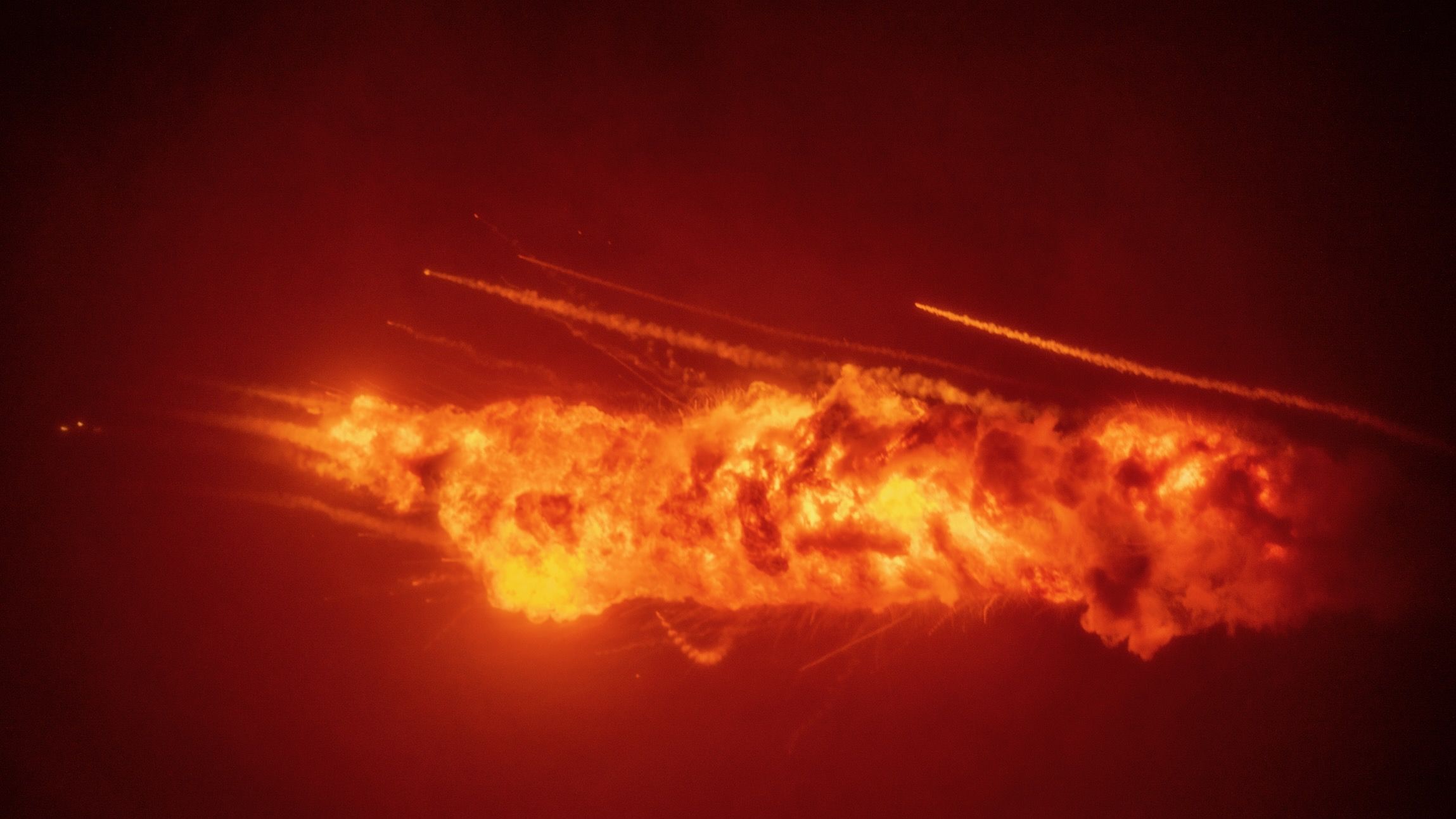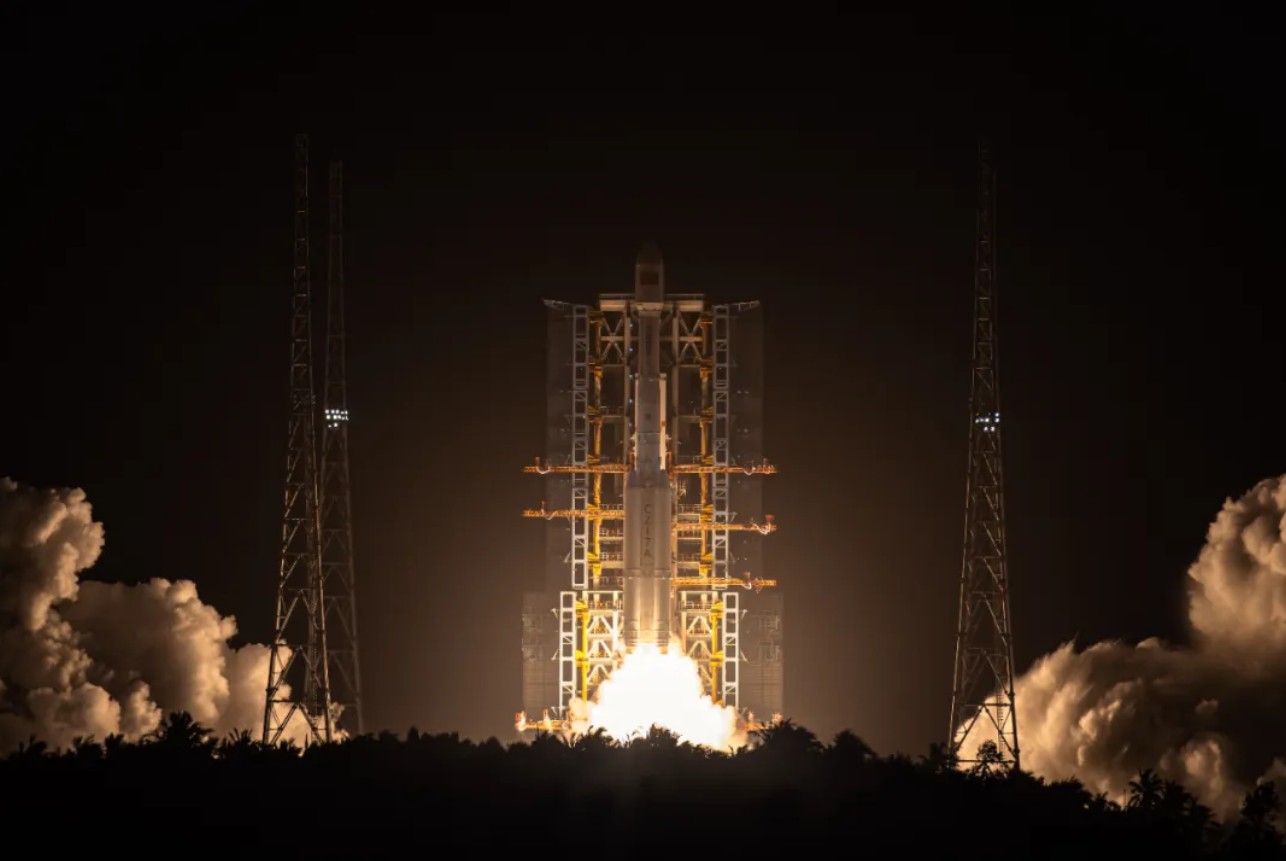
Recent reports have provided new insights into the failure of China's Long March 7A rocket, which exploded 85 seconds after liftoff from the Wenchang Space Launch Site. Despite this being the fourth orbital launch failure for China in 2026, the Long March 7A had maintained a perfect track record since its introduction in 2020, following an initial unsuccessful maiden launch.
The Long March 7A was carrying the ChinaSat-4B satellite, intended for military communications. The explosion shortly after launch not only resulted in the loss of the satellite but also reportedly involved an unknown payload, adding to the complexity of the setback.
Footage from amateur sources has confirmed the explosion, which occurred less than 90 seconds into the flight. The incident underscores the challenges faced by China's space program, especially when juxtaposed against the previously reliable performance of the Long March 7A series.
As the Chinese space agency investigates the cause of the failure, this incident highlights the inherent risks and unpredictability involved in space exploration. The loss of the ChinaSat-4B satellite is a notable blow to China's strategic communication capabilities and raises questions about the future reliability of the Long March 7A.