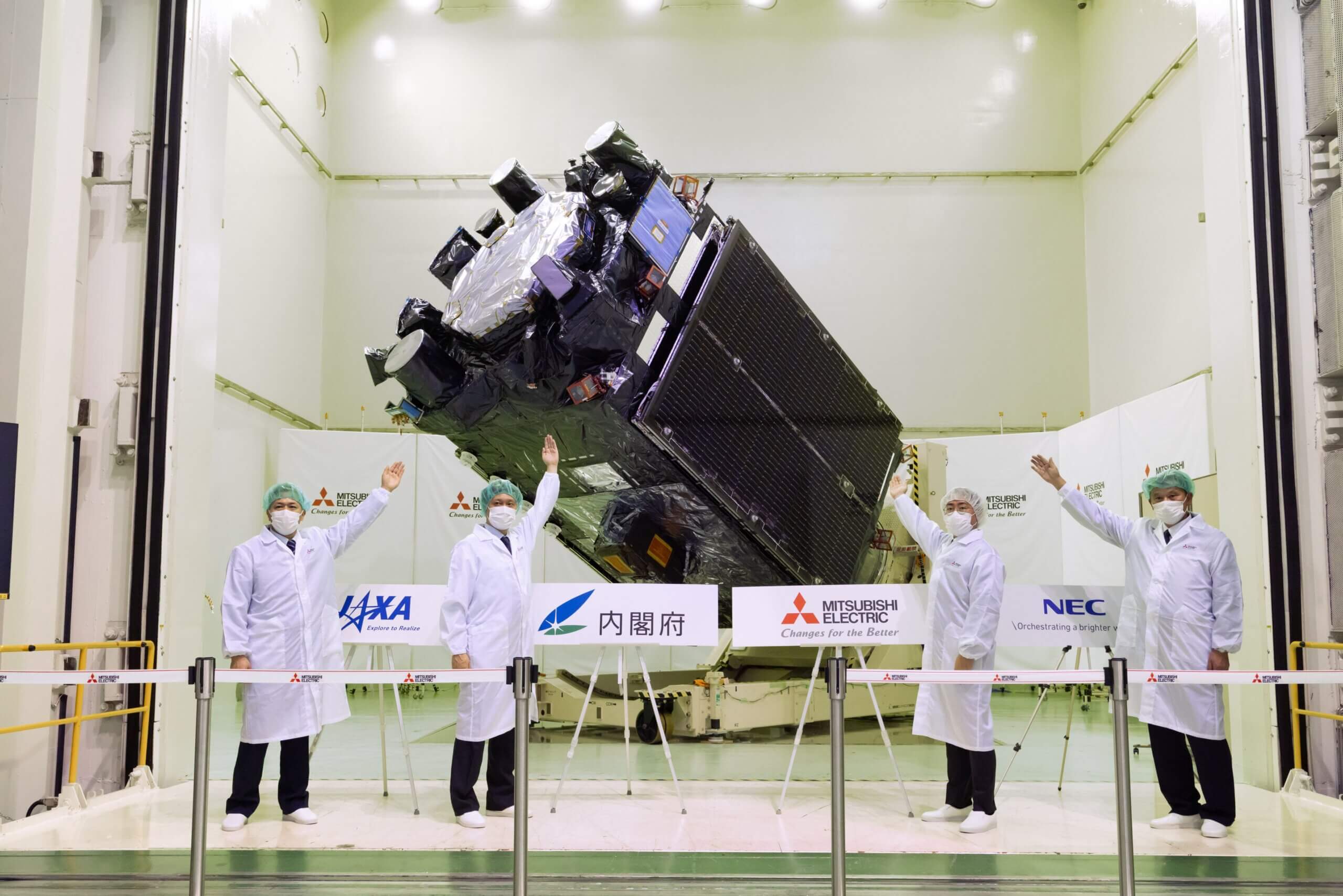
The United States and Japan have taken another significant step in fortifying their space security alliance with the successful launch of a Space Domain Awareness (SDA) payload aboard Japan's Quasi-Zenith Satellite 7 (QZS-7). This mission, executed on August 10, 2026, represents a crucial advancement in the collaborative efforts of the two nations to enhance their capabilities in monitoring and safeguarding the space environment.
The SDA payload was carried into orbit by Japan's H3 launch vehicle, marking a notable milestone for the launch system itself. This successful mission follows a previous setback in December 2025, where the H3 vehicle experienced a launch failure. The current success underscores the resilience and technological progress of the Japanese aerospace sector, which has been instrumental in supporting global efforts to maintain space security.
Hosted on the Quasi-Zenith Satellite 7, the SDA payload is a testament to the deepening strategic partnership between the United States and Japan. The satellite was launched from the Tanegashima Space Center, a site renowned for its role in Japan's space exploration initiatives. This collaborative effort involves key organizations, including the Massachusetts Institute of Technology Lincoln Laboratory (MIT Lincoln Laboratory) and Mitsubishi Electric Corporation (MELCO), alongside the U.S. Space Command and the U.S. Space Force, which have been pivotal in this mission's development and execution.
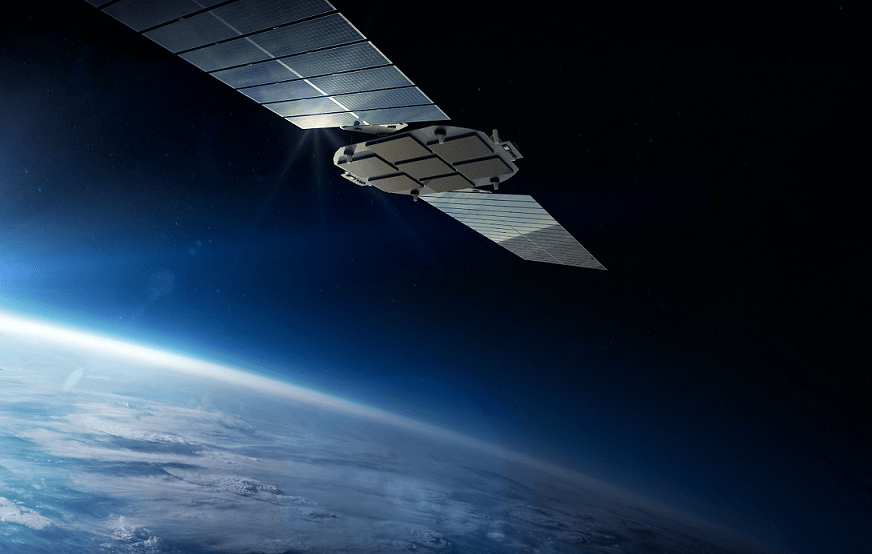
The integration of the SDA payload into the QZS-7 satellite enhances the capabilities of both nations in space domain awareness, which is critical for identifying and tracking potential threats in orbit. This capability is increasingly important as the number of satellites and space debris in Earth's orbit continues to grow, posing challenges to the safety and sustainability of space operations.
Brigadier General Brian Denaro of the U.S. Space Force emphasized the significance of this joint initiative, highlighting the shared commitment of the United States and Japan to protect their interests in space. The collaboration not only strengthens bilateral ties but also contributes to broader international efforts to ensure a safe and secure space environment.
The National Space Policy Secretariat (NSPS) of Japan has been actively involved in coordinating efforts to leverage space technologies for national security. As the geopolitical landscape becomes more complex, partnerships like this serve as a model for international cooperation in the space domain.
With the successful deployment of the SDA payload, the U.S. and Japan are better equipped to monitor and respond to activities in space that could affect regional and global security. This capability is essential in an era where space is increasingly viewed as a domain of strategic competition.
Looking ahead, the partnership between the U.S. and Japan is expected to further evolve, with potential expansions into areas such as joint satellite development and advanced research initiatives. These efforts will likely involve both public and private sector stakeholders, creating opportunities for innovation and collaboration across the aerospace industry.
In conclusion, the launch of the SDA payload aboard QZS-7 marks a pivotal moment in the U.S.-Japan space security alliance. It reflects the ongoing commitment of both nations to leverage their technological expertise and strategic partnerships to address the challenges and opportunities presented by the rapidly evolving space environment. As space continues to play a crucial role in global security and economic development, such collaborations will be vital in shaping the future of space exploration and security.