Why navigation beyond Earth is becoming a priority
Cislunar space — the region between Earth and the Moon — is becoming busier. Current spacecraft navigation relies heavily on the Deep Space Network (DSN), a venerable set of radio antenna complexes that originated in the 1950s. The DSN has been upgraded repeatedly and continues to support a growing roster of missions, but its Earth‑bound geometry imposes a hard limit: stations on Earth, however widely separated, sit only a small fraction of the distance to the Moon (about 384,000 km). That limitation contributes to delays and a growing backlog for precise orbital determinations, sometimes requiring hours to obtain accurate positioning for missions beyond low Earth orbit.
To address that problem, researchers at MIT Lincoln Laboratory have proposed a different approach: a small fleet of high‑orbit laser satellites called LIght High‑Orbit Utility Signal Emitter — LightHOUSE. The concept, described in Universe Today on 31 August 2026, places three satellites roughly 1.6 million kilometres above Earth's surface — a distance greater than the Earth–Moon separation — to form a deep‑space navigation system optimized for cislunar and interplanetary tracking.
How LightHOUSE would work
LightHOUSE leverages long baselines and laser links. By placing multiple nodes at roughly 1.6 million km, the system creates a very large baseline: the distances between the satellites are a significant fraction of interplanetary scales, at least for targets as near as Mars and Venus. Small changes in a spacecraft's position will generate larger relative changes across that large baseline, enabling more rapid and precise orbital fixes than the DSN can typically provide from Earth.
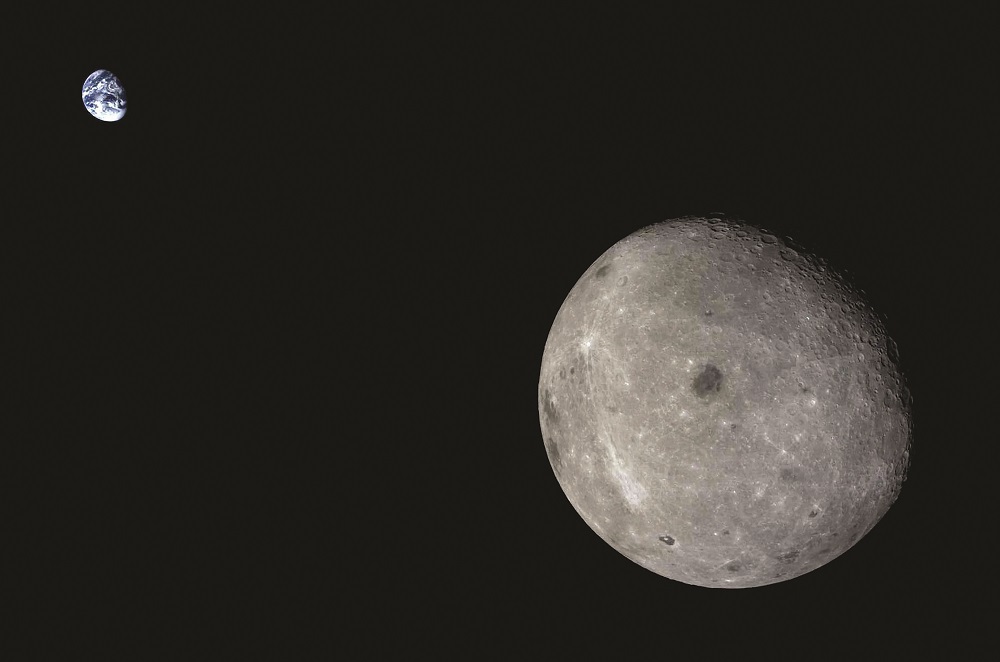
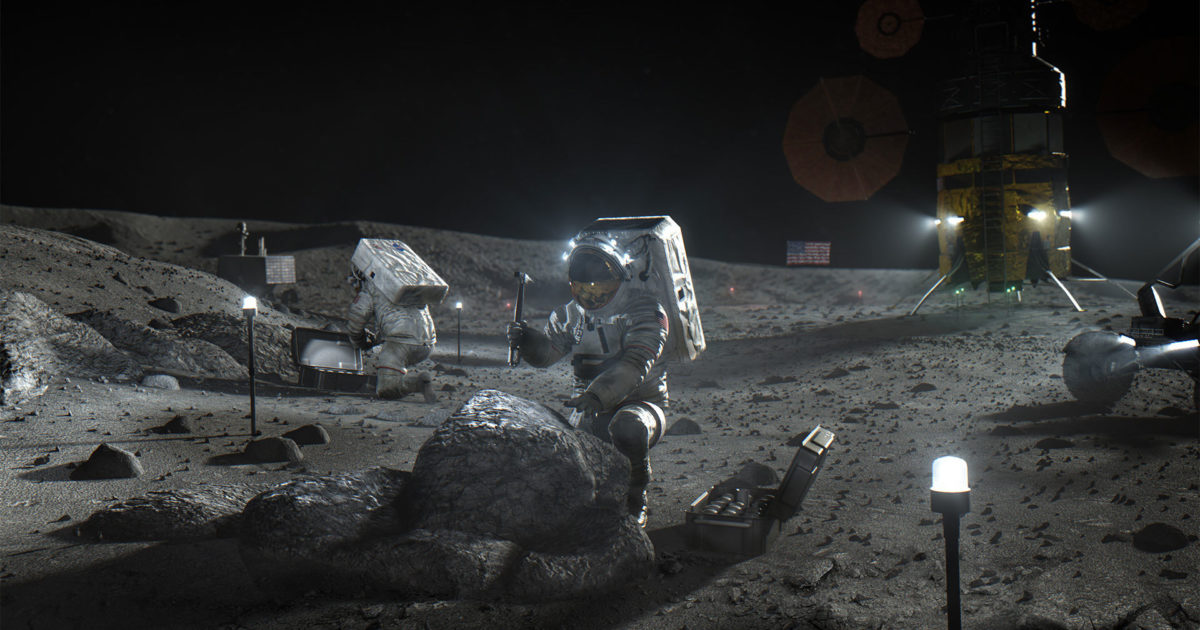
Another advantage of the higher orbit is geometric coverage. Some LightHOUSE satellites would be positioned to see spacecraft on the far side of the Moon, alleviating the up to 40 minutes of radio silence that missions can experience when they pass behind the Moon with respect to Earth. That capability could be valuable for crewed Artemis missions, robotic landers, and communications relays that operate where direct Earth line‑of‑sight is blocked.
Laser communications and trade‑offs
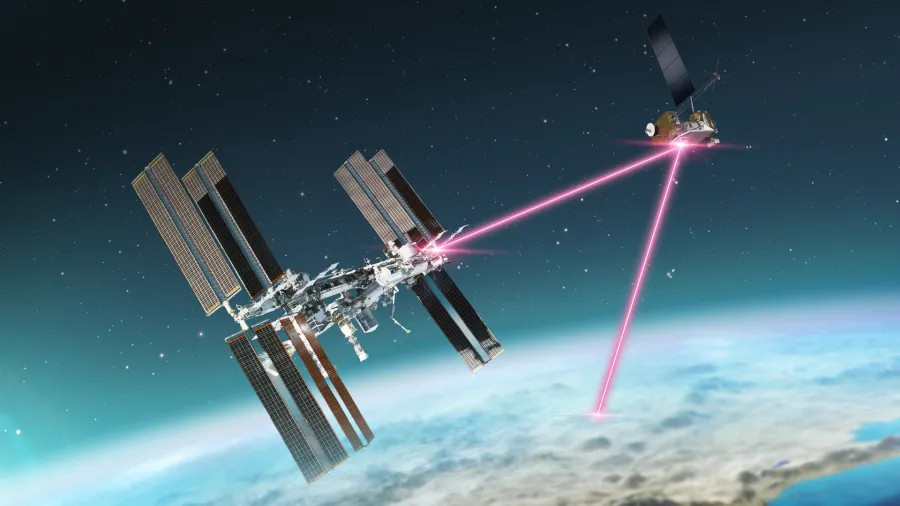
The LightHOUSE concept emphasizes optical (laser) links. Laser terminals can provide high‑precision ranging and timing while reducing some forms of radio congestion. The Universe Today piece illustrates this with the ILLUMA‑T payload from NASA as an example of laser communication hardware, noting that laser systems are already being developed for space communications.
However, the proposal also raises trade‑offs that must be weighed. Placing transmitters beyond the Moon means they could contribute to the growing radio‑frequency and optical activity around the lunar environment, including the relatively protected lunar far side. The article cautions that LightHOUSE nodes operating to serve far‑side users would also add to the electromagnetic environment that is already subject to concern as lunar activity increases.
Context within broader lunar infrastructure
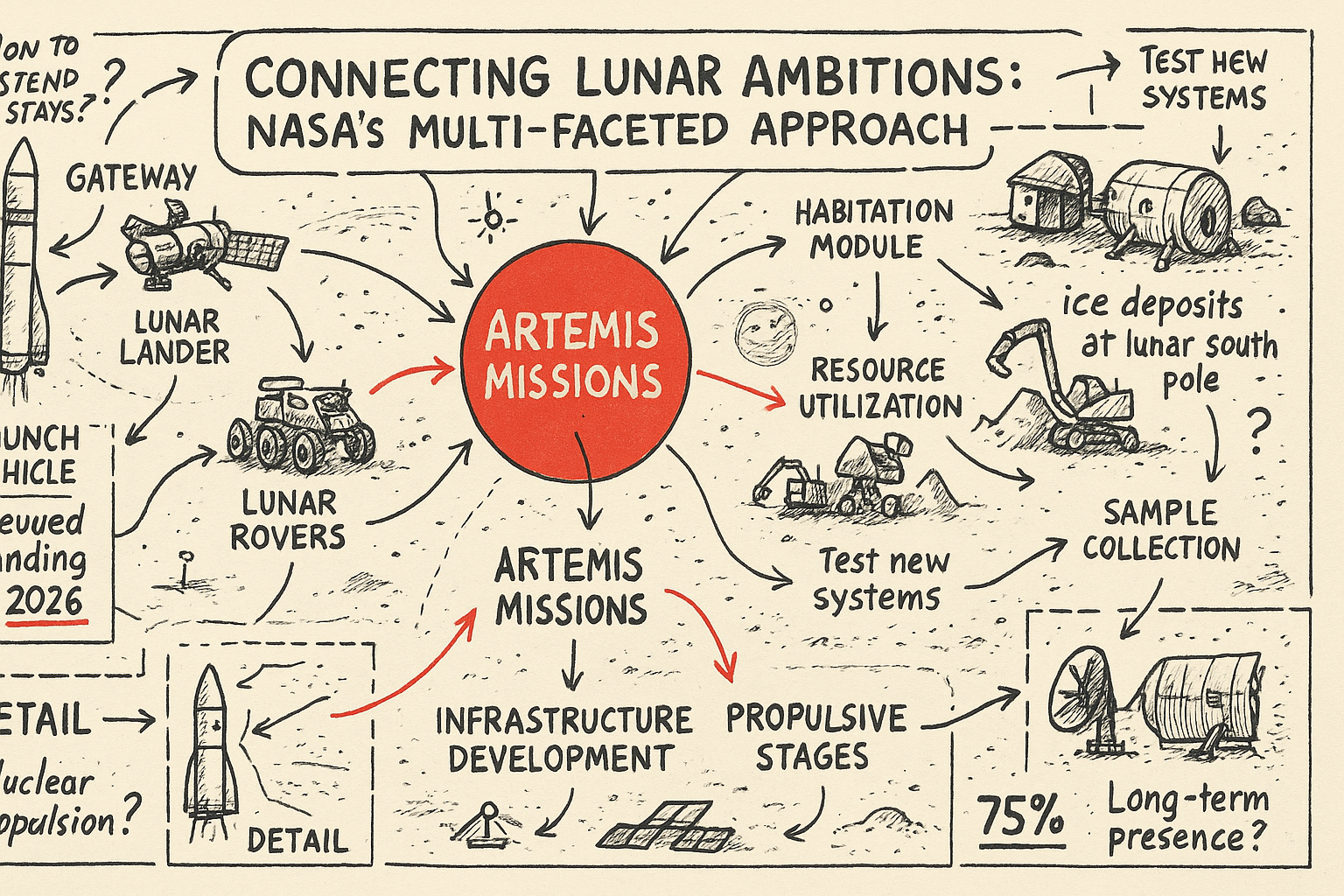
The LightHOUSE idea arrives at a moment when multiple organisations are developing lunar communications and navigation capabilities. For example, NASA has delivered a NavCube3‑mini payload for integration into Intuitive Machines’ Altus‑1 commercial lunar relay, intended to provide communications and navigation services for astronauts and rovers at future lunar surface sites. Separately, reporting on lunar infrastructure notes plans for a Gateway spaceport and expanding commercial interest in lunar resources.
These developments point to an emerging architecture in which multiple systems — ground networks such as the DSN, Earth‑orbit and cislunar relay satellites, and new high‑orbit navigation nodes — will need to interoperate. LightHOUSE targets a specific gap in that architecture: faster, more precise positioning for spacecraft when Earth‑based geometry and DSN scheduling are limiting factors.
Historical perspective and future implications
The DSN has served exploration for decades, but it was never designed with a populous cislunar economy in mind. As lunar activity scales up, navigation services that once were the province of a few deep‑space missions will become routine requirements for landers, human vehicles, rovers, and commercial relays. A high‑orbit navigational layer such as LightHOUSE could shorten the time to determine orbits and help maintain continuous positioning even when direct Earth contact is impossible.
Moving from concept to operations will require resolving technical and policy issues: precise mission design for satellites at ~1.6 million km, integration of laser terminals for robust ranging and communications, coordination to limit electromagnetic interference at the lunar far side, and international coordination as multiple nations and companies deploy lunar assets. The LightHOUSE proposal demonstrates one pathway to a navigation backbone tuned for a busier, more complex cislunar environment, but its deployment would be one element in a multi‑layered system of navigation and communications for the next phase of lunar exploration.
Sources: Universe Today (31 August 2026) "High‑Orbit Laser Satellites Could Guide Future Lunar Travelers"; NASA NavCube3‑mini delivery report; reporting on lunar Gateway and commercial lunar relays.