NASA adds Relativity Space’s Terran R to Launch Services Contract
NASA announced on 9 September 2026 that it has added Relativity Space’s Terran R to its Launch Services Contract (LSC), formally allowing the agency to procure launches on Terran R for NASA missions. The agency’s news release describes the addition as enabling NASA to use Terran R for a range of mission destinations and trajectories covered by the LSC framework.
The LSC is the mechanism NASA uses to buy launch services from commercial providers for a mix of science, technology, and exploration payloads. By adding Terran R—Relativity Space’s large, reusable, liquid-fueled rocket—NASA expands its pool of heavy-lift commercial options alongside other providers already under contract. The NASA release states the move provides NASA program managers additional commercial launch capability to meet agency needs.
NASA’s announcement did not disclose a contract value or an immediate manifest of NASA payloads assigned to Terran R. The news release frames the action as a procurement step: once a vehicle is on the contract, NASA programs can competitively or directly solicit launches from that provider under the LSC’s terms and task orders. The LSC covers a broad set of orbital destinations and trajectories, allowing NASA to buy one or more launches on Terran R when mission requirements and schedules align.
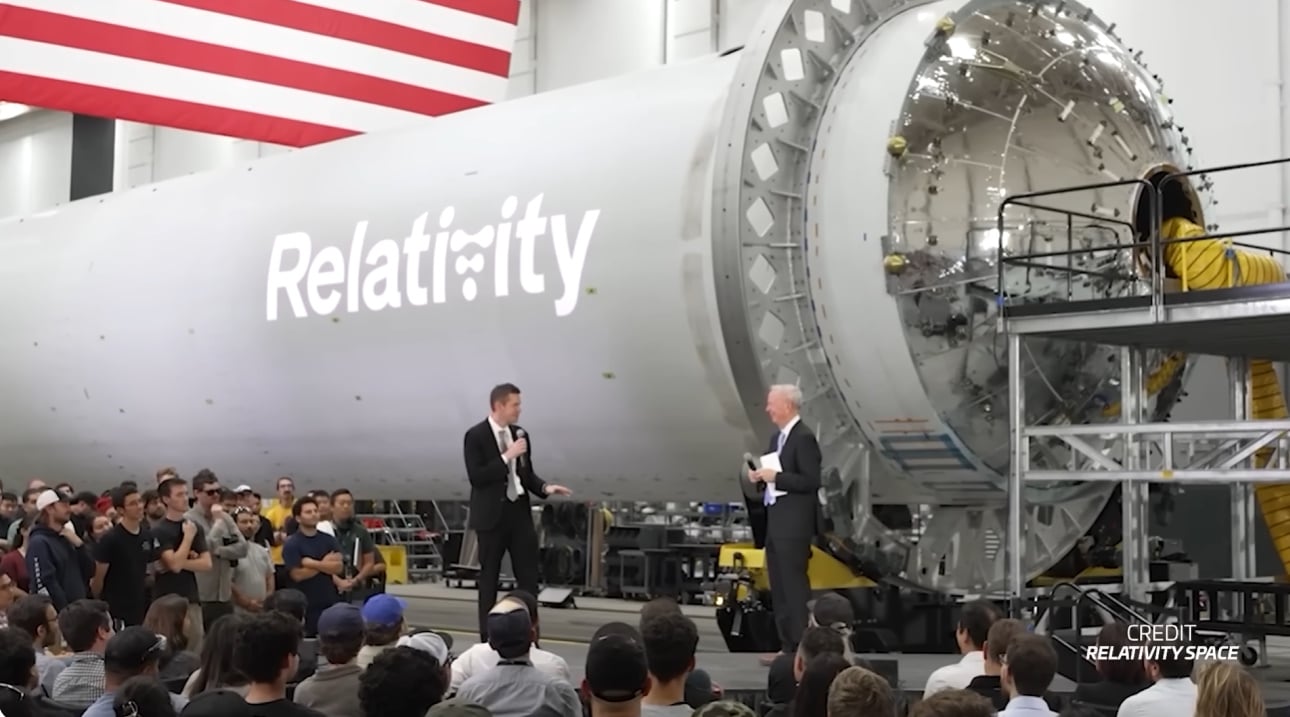
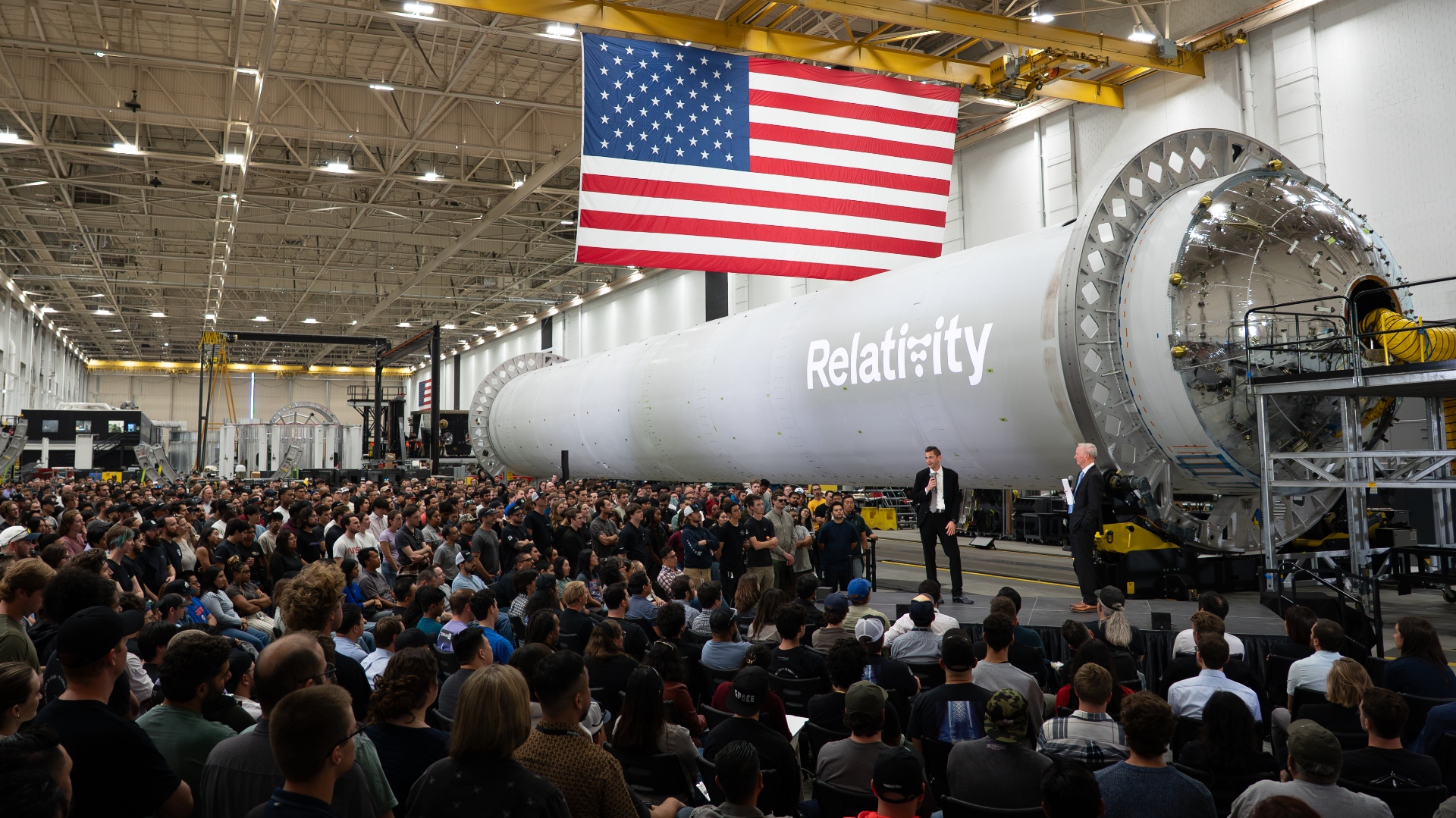
The Terran R vehicle is Relativity Space’s heavy-lift architecture designed for partial or full reusability. NASA’s release highlights that adding Terran R offers another avenue for heavy-class lifts to support science missions, technology demonstrations, and other agency needs without naming specific missions or dates for flight assignments.
Relativity Space is one of several commercial launch vendors NASA assesses when sourcing missions. The agency’s LSC provides the procurement structure that enables NASA to select commercial launches through task orders. The addition of Terran R follows NASA’s continuing use of mixed commercial launch services to provide flexibility and to support a range of mission types.
Context for the wider market: in recent years NASA has relied on competitive commercial launches for many science and exploration missions, procuring services from multiple providers to maintain schedule resilience and to access different vehicle capabilities. Adding a large reusable vehicle like Terran R to the LSC potentially offers NASA more options in the heavy-lift class, which can be important for missions that need large fairings, high mass-to-orbit capability, or particular ascent profiles.
Operational timelines and flight rates for Terran R were not specified in NASA’s announcement. The company’s development cadence, pad infrastructure, and certification schedule factor into when Terran R might be assigned NASA payloads through the LSC. NASA’s release is an initial contracting milestone: the presence of a vehicle on the LSC does not by itself announce a booked launch or confirmed mission assignment.
Placing this news in NovΔ mAInd's launch database context: Relativity Space — 0 launches tracked, 20000 kg to LEO. Our record shows one scheduled Relativity Space launch, Terran R | Intelsat-1, scheduled 2026-12-31; it has NOT flown yet and orbit is Unknown. This addition to the LSC therefore represents a procurement step for a vehicle with scheduled commercial activity but no tracked launches in our database.
What this could mean for NASA’s planning: having more heavy-lift commercial options can reduce single-provider risk and provide alternative delivery profiles for large or complex payloads. The practical effect depends on how quickly Terran R completes flight demonstrations, achieves operational cadence, and satisfies NASA’s flight assurance requirements for specific classes of missions.
Uncertainties remain and should be emphasized: NASA’s announcement is procedural and does not guarantee any particular mission will fly on Terran R. Vehicle certification, demonstrated reliability, manifest availability, and contractual terms will determine future task orders. These are matters of program-level decisions and scheduling.
Looking ahead, adding Terran R to the LSC fits a longer-term trend in which NASA maintains multiple commercial launch providers under contract to support diverse mission needs. If Terran R achieves operational flights and demonstrates the reliability NASA requires, it could join other heavy-lift options available to the agency for large science, technology, and exploration payloads.