Rocket Lab’s recent flight activity and vehicle development work are revealing a company balancing high-frequency Electron operations with accelerated progress on its next-generation Neutron rocket.
Confidential 500 km mission adds to busy Electron tempo
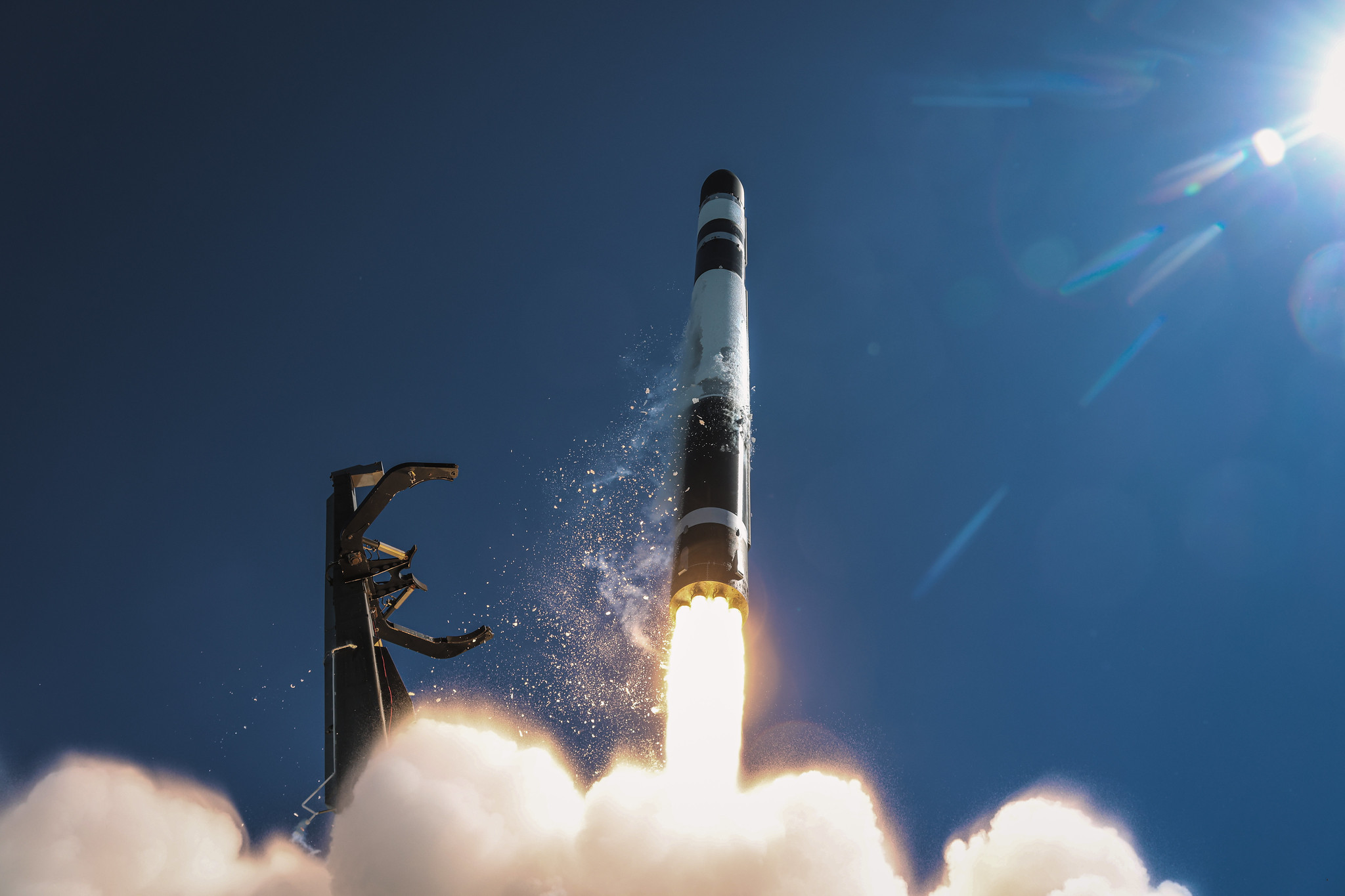
On 11 September Rocket Lab completed what Stock Titan described as its 16th Electron launch of 2026, a dedicated “Happily Ever Faster” mission from Launch Complex 1 in New Zealand. That mission deployed a single satellite to a 500 km circular low Earth orbit for a confidential customer. Stock Titan also noted this flight raised Rocket Lab’s tally to its 95th Electron mission overall and that another commercial Electron launch was scheduled before the end of the month.
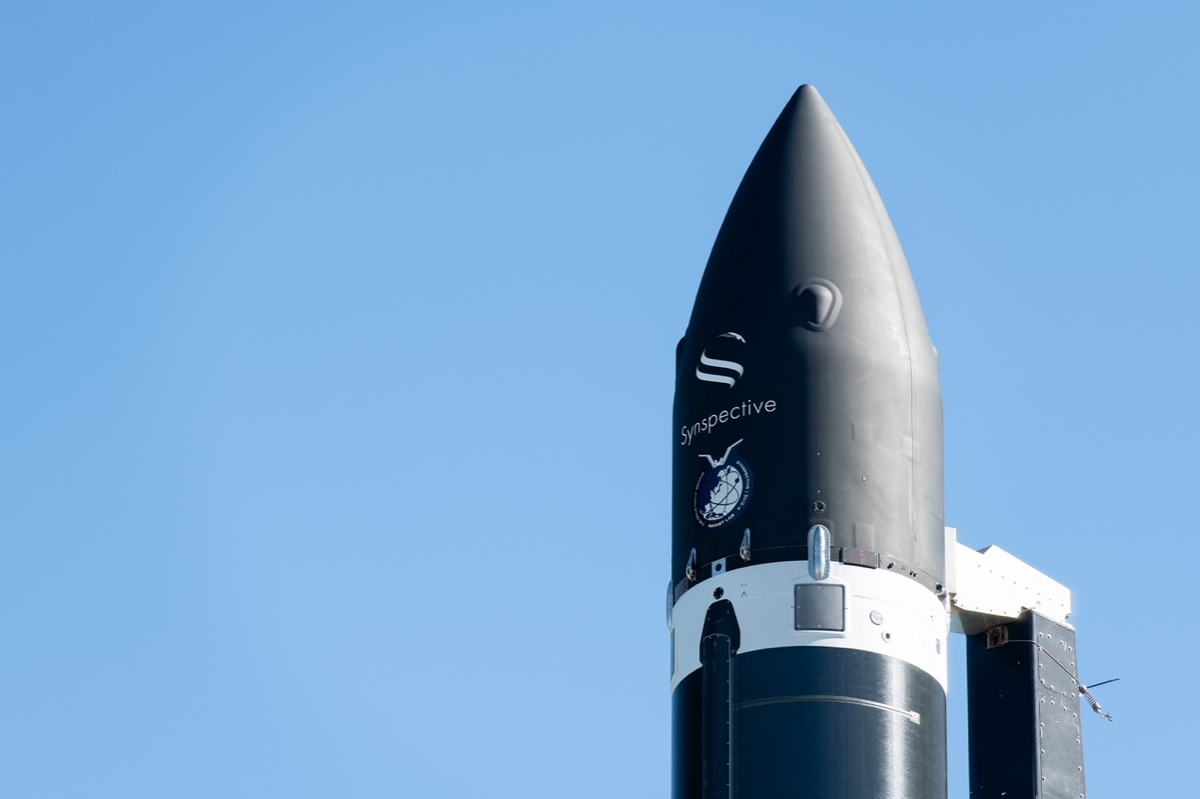
Space.com’s coverage of the flight characterized the payload as a mystery satellite launched for a secret customer. Public reporting therefore confirms both the payload’s classified or confidential status and the altitude targeted by the mission, but does not identify the customer or the satellite.
Neutron development milestones move forward
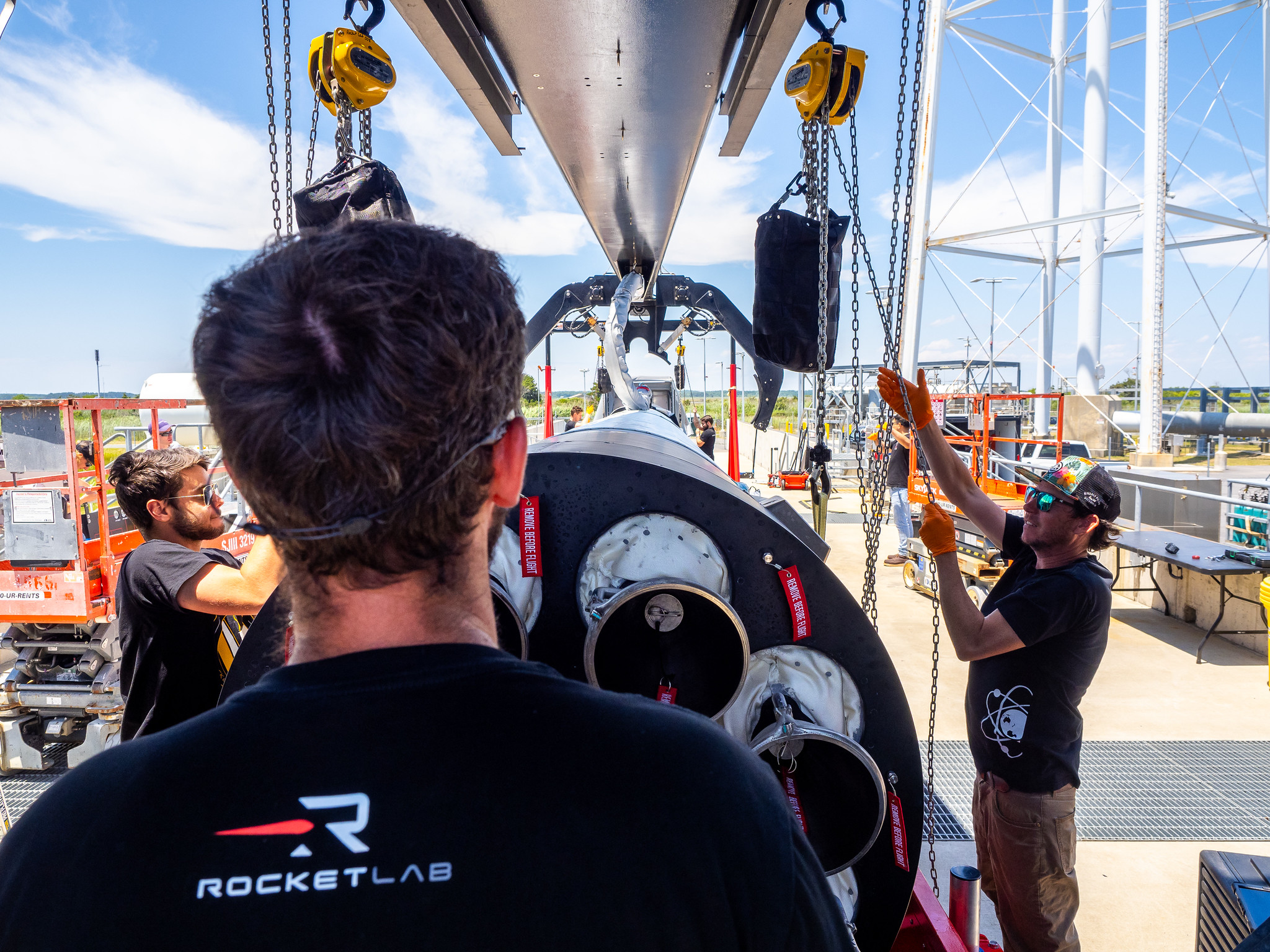
While Electron continues to fly frequently, Rocket Lab is also making visible progress on its medium‑class Neutron vehicle. NASASpaceFlight reported multiple development achievements: the Neutron program’s fairing design — described as the "Hungry Hippo" fairing halves — has completed testing and integration of key subsystems, and Rocket Lab has conducted hundreds of hot fires of its Archimedes engine in preparation for Neutron’s debut.
NASASpaceFlight also noted that Rocket Lab has signed multiple contracts for Neutron, including an agreement with the U.S. Space Force’s Space Systems Command, and that the company is targeting to launch Neutron by the end of this year.
What this means operationally
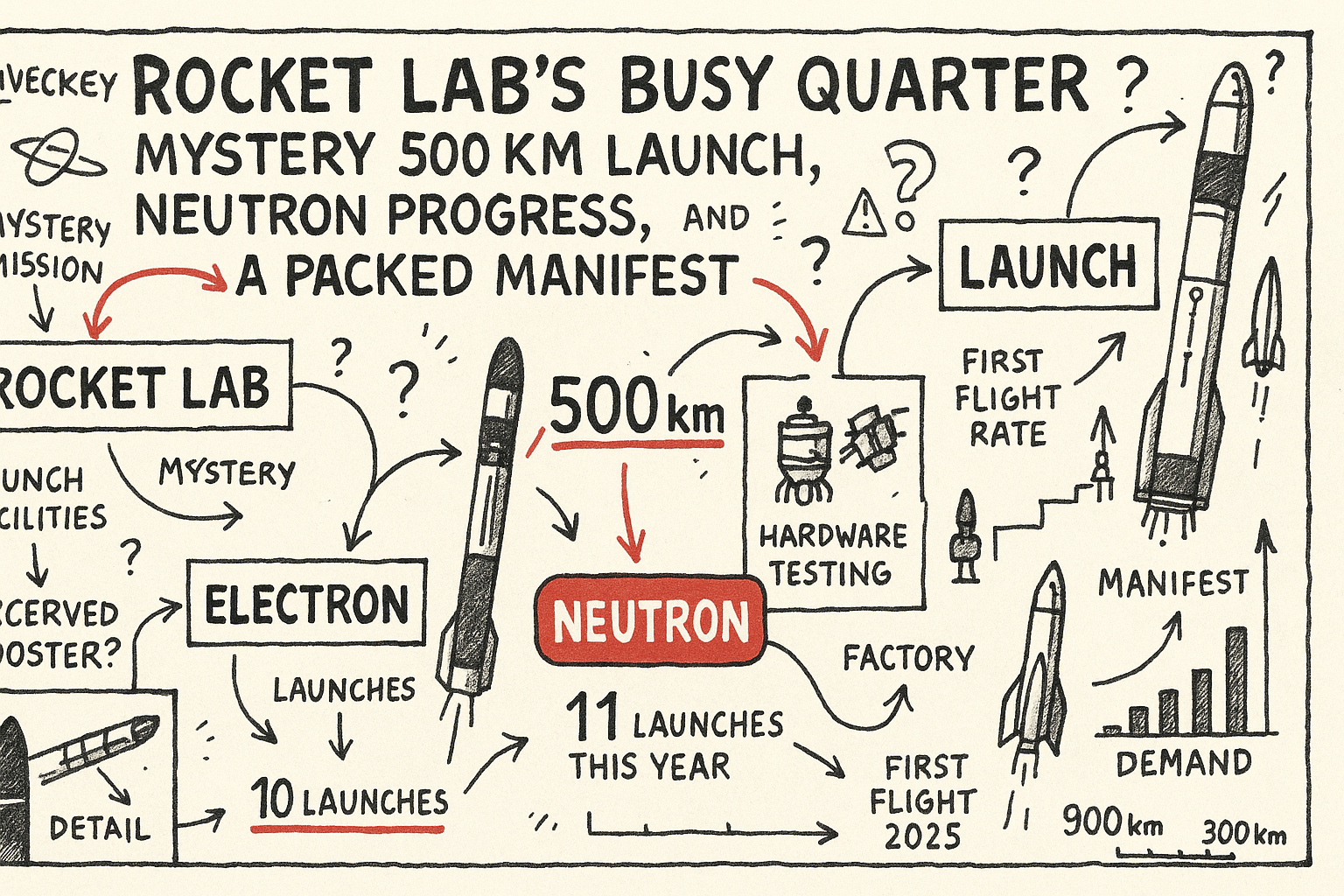
Together, these facts sketch a company operating on two fronts: maintaining a high cadence of small-satellite launches on Electron while pushing a larger, partially reusable vehicle toward an aggressive initial flight. Stock Titan’s account of operational tempo — 16 Electron launches so far in 2026 and another before month-end — underscores Rocket Lab’s current emphasis on frequent commercial launches. At the same time, NASASpaceFlight’s details on hardware testing and engine hot-fires show substantial ground work aimed at meeting the Neutron schedule and attracting institutional customers.
Publicly available reporting does not provide additional technical specifics on the confidential 500 km payload, or new dates or further contract details beyond the items cited. But the combination of recurring Electron missions and visible Neutron milestones indicates Rocket Lab is seeking to sustain revenue-driving small-satellite launches while layering in capability for larger institutional missions.
Observers will be watching the planned Electron launch later in the month and any further disclosures about Neutron testing or launch scheduling to see whether Rocket Lab can convert its development momentum into a timely Neutron debut while keeping Electron’s high cadence.