Space Cargo Unlimited secures Starfall ride for 2028 microgravity production mission
Space Cargo Unlimited has signed a contract to use Starfall, SpaceX’s reentry capsule, for a dedicated microgravity production mission planned in 2028, the company announced via AstroSpace on 15 September 2026. The flight will launch on Starship and carry a shared orbital platform with a capacity of about 1 tonne, a major step up from the company’s previous platforms in the order of 100 kg.
Under the agreement, Space Cargo Unlimited will integrate customer payloads, prepare hardware for launch, operate the platform in orbit and manage the return to Earth. The Starfall platform will be shared among multiple customers, allowing companies to place experiments or production processes on board without developing complete independent space systems. The company said it has been in discussions with more than 100 potential clients, with roughly 40% coming from life sciences and biotechnology.
The announced sectors of interest include pharmaceuticals, biotechnology and advanced materials. Space Cargo Unlimited is positioning the mission to exploit differences in physical and biological processes in microgravity — for example altered fluid behavior, protein crystallization and cell culture dynamics — which can be studied or harnessed for new manufacturing processes that are difficult or impossible on Earth.
Moving from platforms at the ~100 kg scale to a single-mission capacity near 1 tonne represents a change in both technical and commercial scale. Technically, a larger shared platform requires more onboard support infrastructure — power, thermal control, payload racks and data/commanding systems — and integration processes that let diverse experiments coexist on one spacecraft. Commercially, offering a ton-class shared flight makes space production available to a wider set of customers who previously could not justify a dedicated flight or who lacked in-house space-integration expertise.
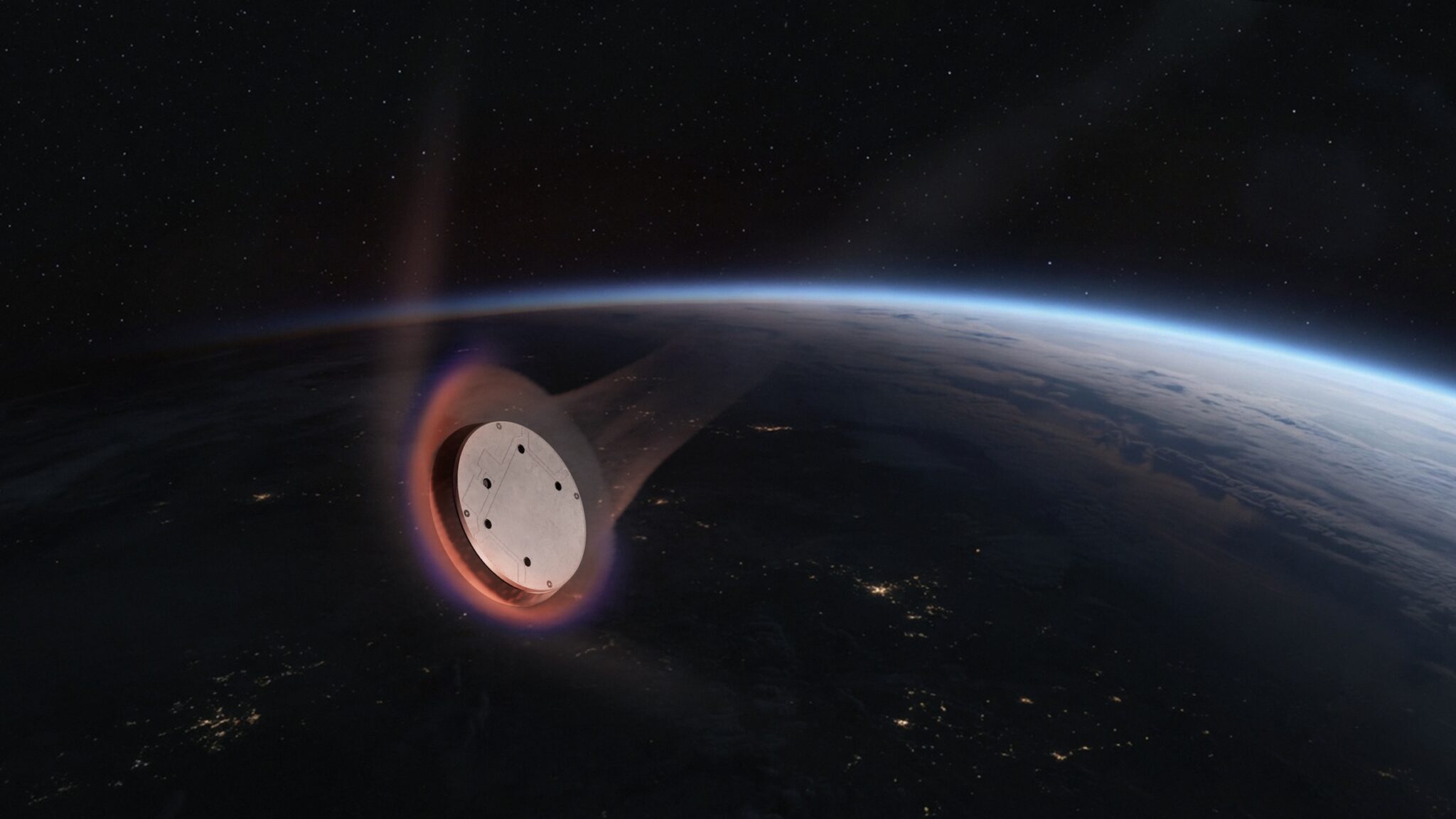
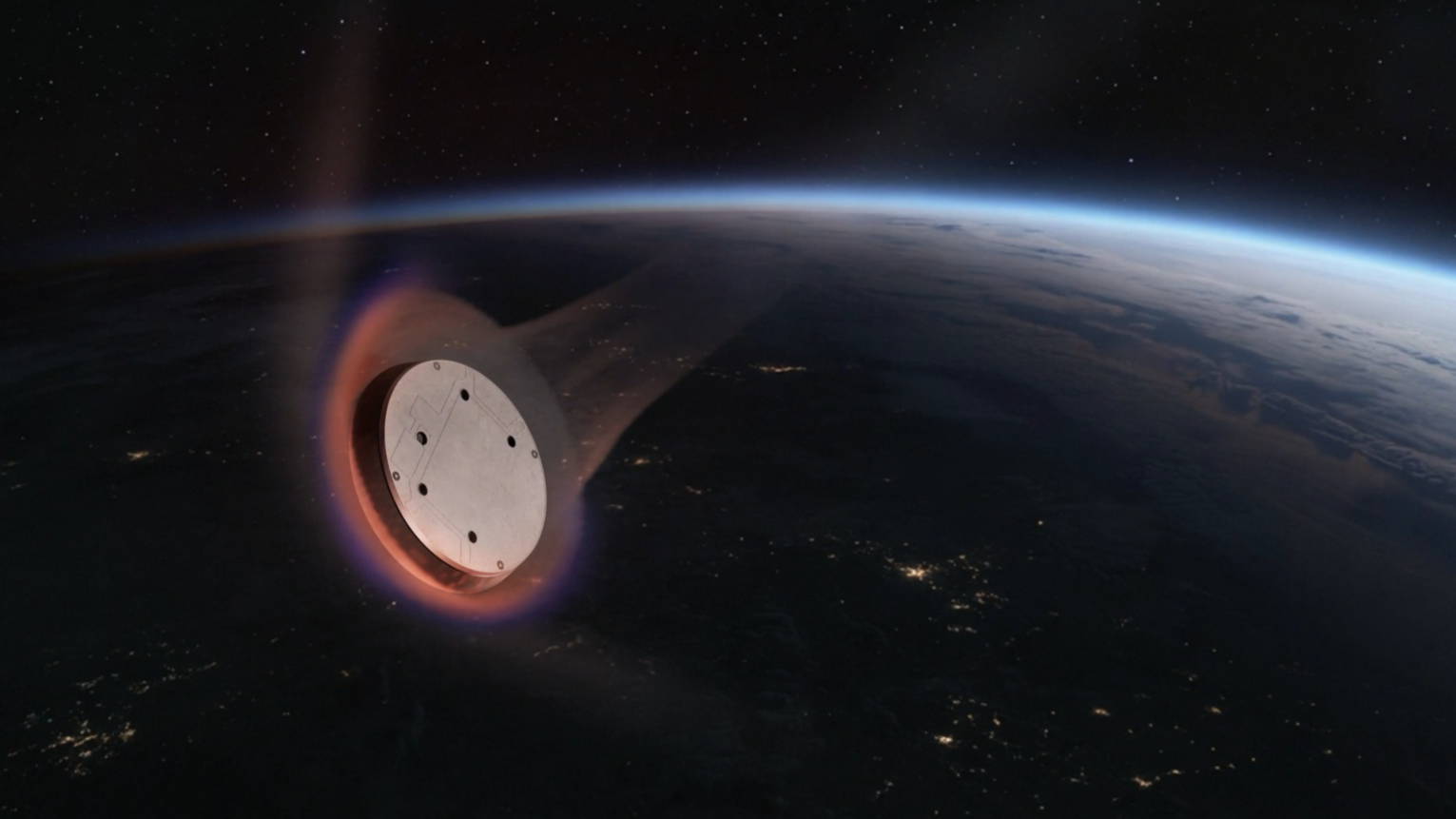
This mission will use SpaceX’s Starship as the launch vehicle and Starfall as the return capsule. AstroSpace’s report includes a SpaceX artist render of the Starfall capsule and describes the mission as a dedicated Starship launch in 2028. The exact launch date and further mission details were not published in the article.
Space Cargo Unlimited’s approach follows a broader market trend toward modular, shared orbital infrastructure that reduces the cost and complexity for industrial and scientific users. Several national and commercial programs are also building cargo return capabilities: for example, the European Space Agency recently signed service contracts and development agreements related to independent European cargo return solutions, illustrating how multiple providers are preparing to offer payload return and microgravity access in coming years.
Placing this contract in the context of SpaceX’s launch record, NovΔ mAInd's launch database shows SpaceX with 142 launches tracked, a 99.3% success rate, first flight 2025-01-04, most recent 2026-09-13, and a payload capacity listed as 22800 kg to LEO. That record frames SpaceX as an established launch provider for companies like Space Cargo Unlimited seeking high-capacity access to low Earth orbit and reentry capability for returned materials.
Historical perspective helps explain why a 1-tonne reusable return platform is commercially meaningful. Traditional low-Earth-orbit cargo missions to date have been dominated by deliveries to and from the International Space Station using vehicles sized for crew and station resupply. Dedicated microgravity production missions have usually been limited in mass and volume because of launch cost and the complexity of providing return capability. Reusable heavy-lift vehicles and reusable return capsules aim to change that balance by lowering marginal cost per kilogram and enabling more frequent return opportunities for manufactured goods and research samples.
There are, however, practical challenges and uncertainties that Space Cargo Unlimited and its customers will face. Scaling up to ~1 tonne of manifested payload distributed among multiple experiments requires robust integration standards, contamination control for biological materials, and certified procedures for handling returned products, particularly in regulated sectors such as pharmaceuticals. The AstroSpace article reports that Space Cargo Unlimited will manage integration and ground-to-orbit operations, but details about qualification standards, timelines for customer deliveries, pricing or the specific payloads booked were not provided.
Looking ahead, the planned 2028 flight could be an early indicator of growing commercial demand for in-orbit manufacturing and returned-sample services. If successful, a ton-class shared return mission would demonstrate the feasibility of serving multiple industrial customers on a single flight and could reduce per-customer barriers to using microgravity for product development. It would also test the operational model of third-party integrators combining customer payloads on platforms launched and returned by major launch providers.
For now, the announcement places Space Cargo Unlimited among a widening set of companies moving from small experimental flights toward larger, service-oriented missions. The coming years will show whether this model can attract sufficient commercial volume to sustain routine ton-class missions and establish repeatable supply chains between Earth and low Earth orbit.