The Evolving Landscape of Cosmic Understanding
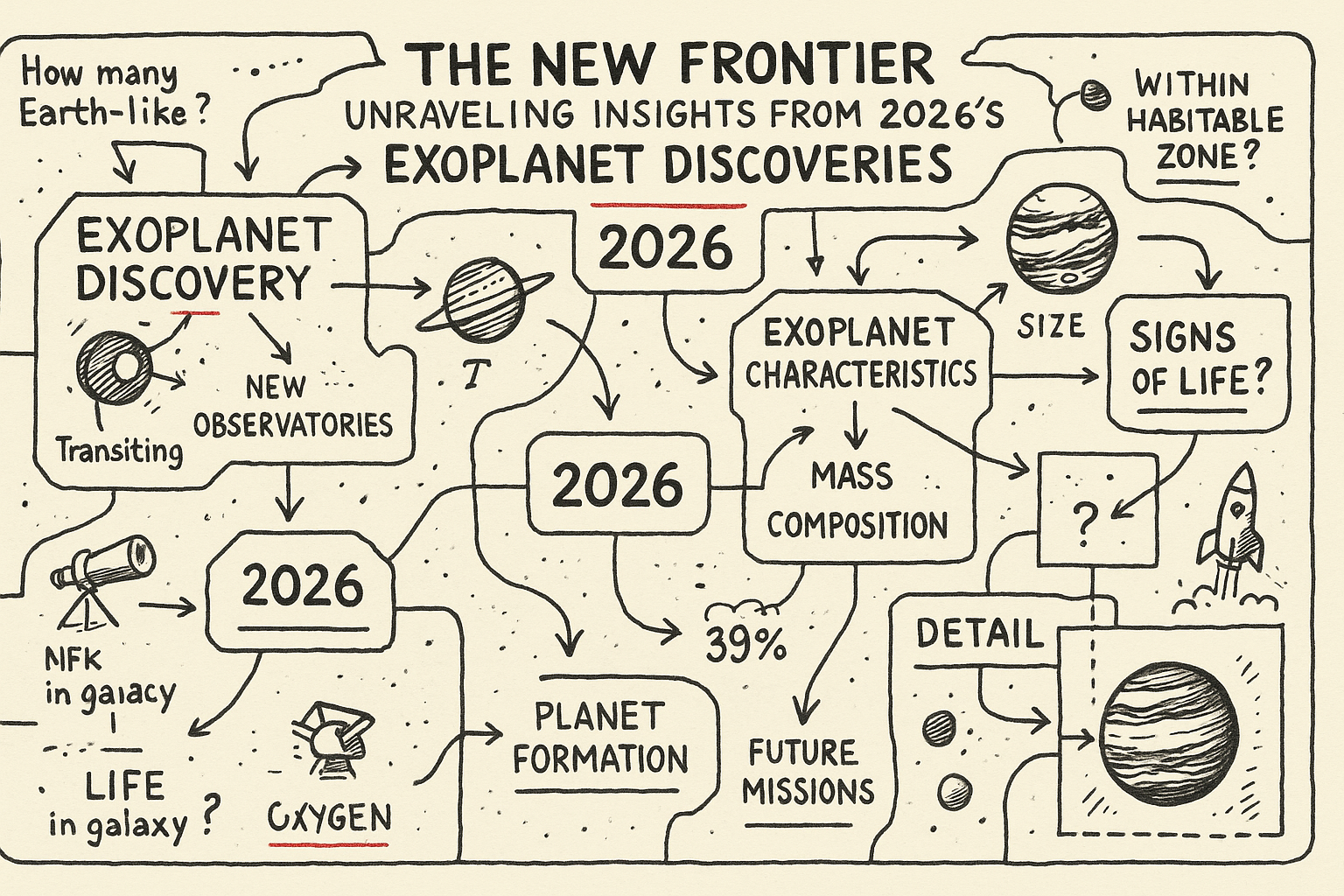
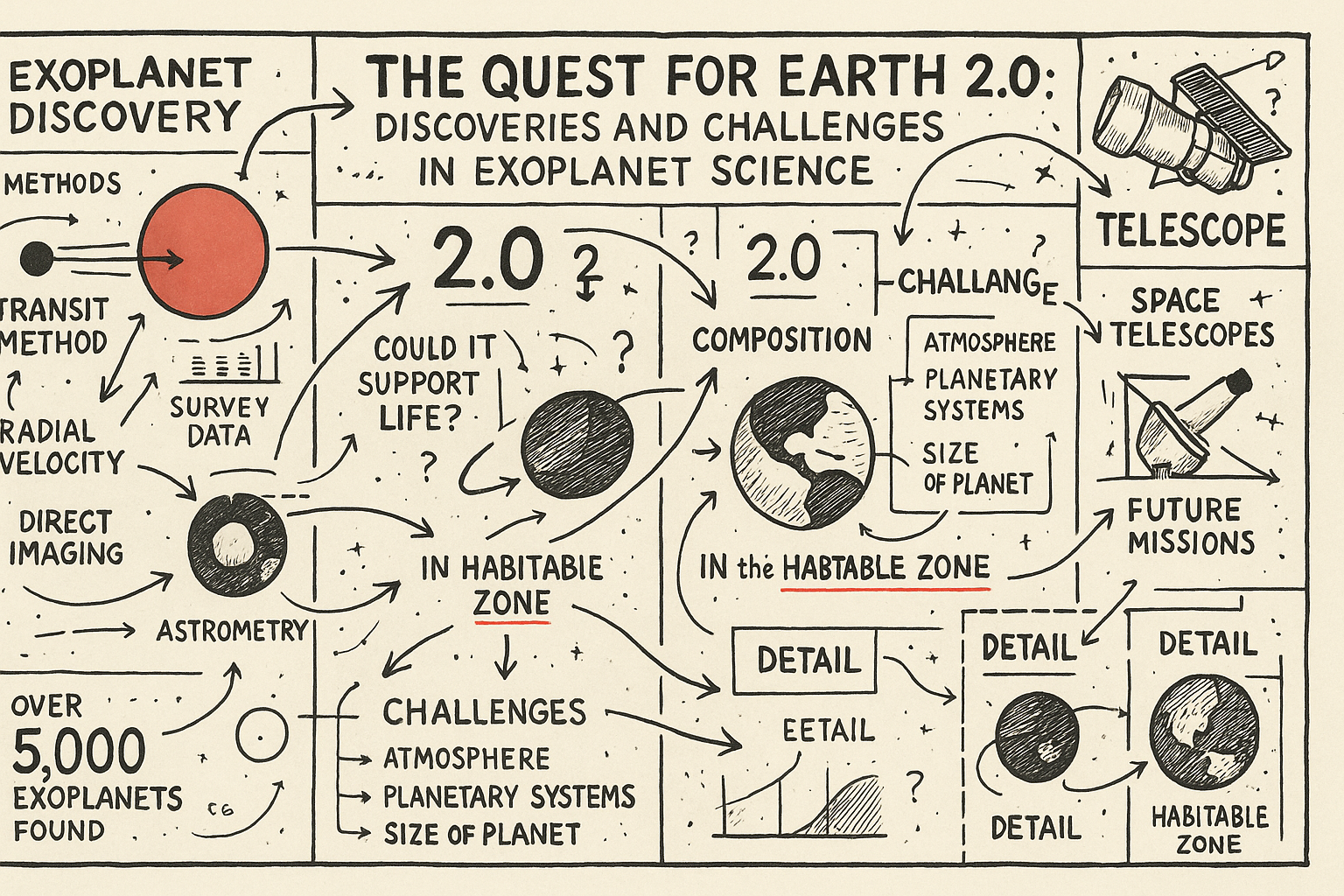
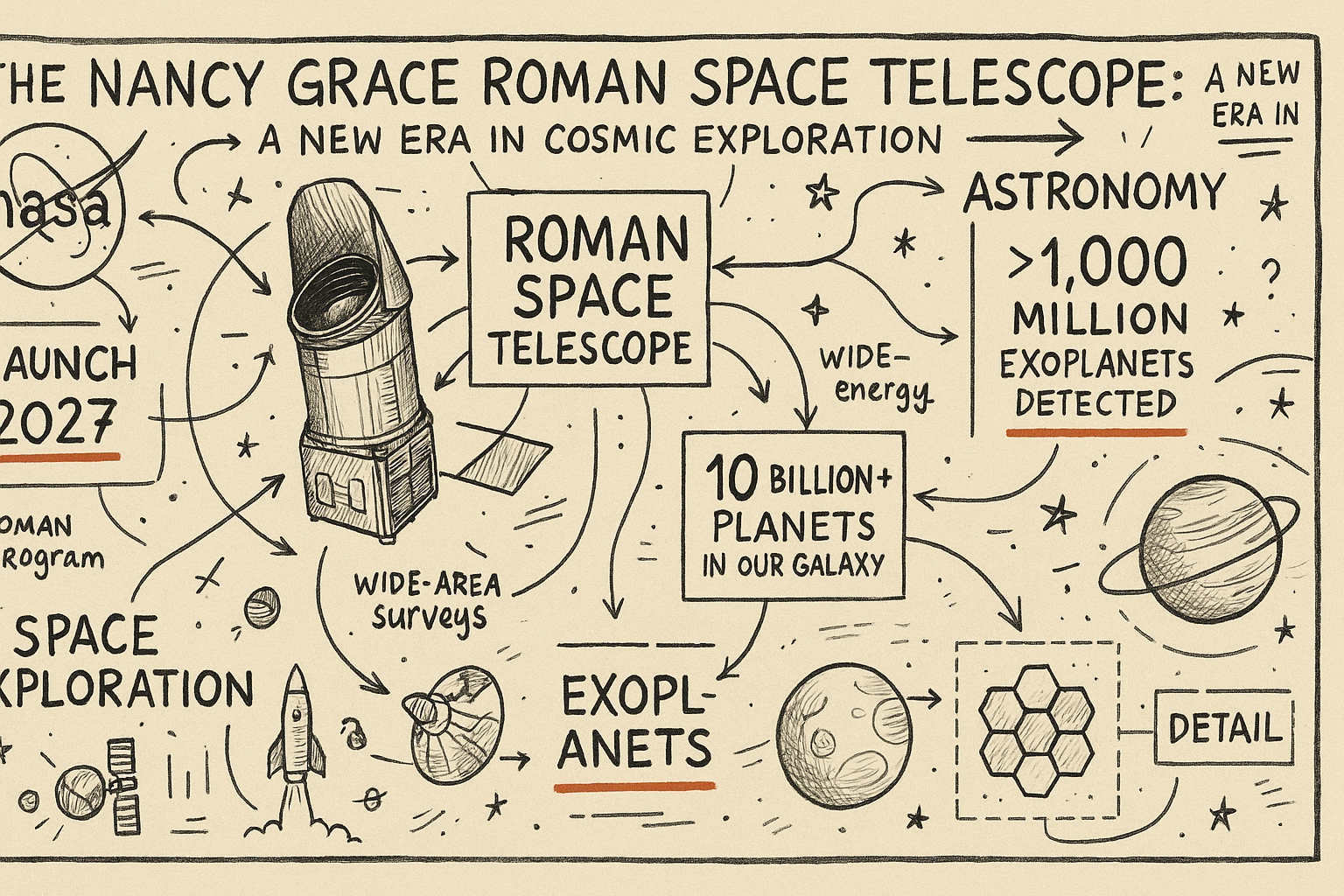
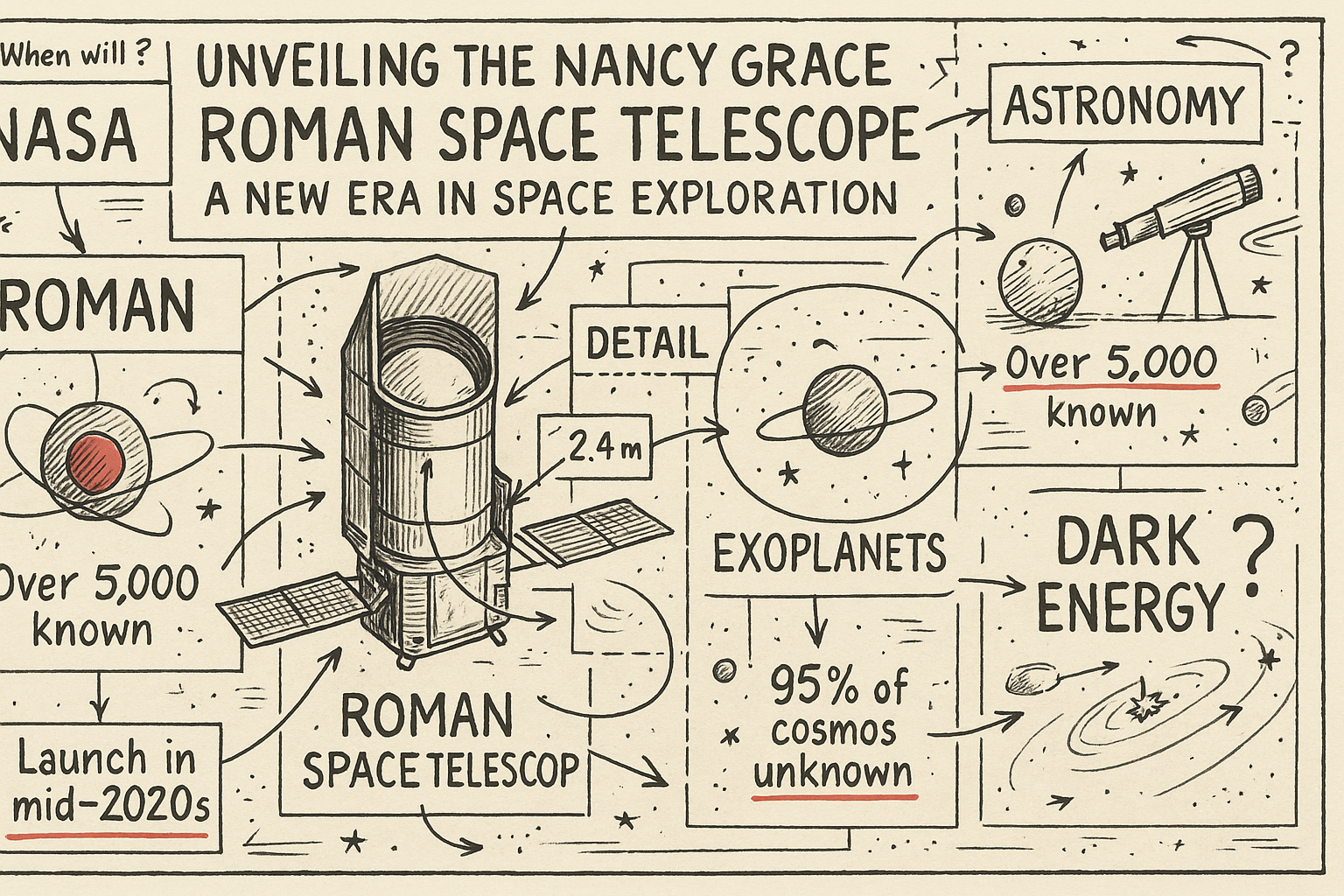
The universe, vast and enigmatic, often presents us with phenomena that challenge our current understanding. Recent astronomical studies, leveraging state-of-the-art technologies like the James Webb Space Telescope (JWST) and the Gaia mission, have uncovered surprising revelations that compel us to reevaluate prevailing models of planetary and galactic evolution.
One of the most striking findings involves lava-world exoplanets. Traditionally, the 'cosmic shoreline' model posited that exoplanets orbiting too closely to their stars would struggle to retain their atmospheres due to intense stellar radiation. However, observations from Stanford researchers and the JWST have documented lava-world exoplanets maintaining dense atmospheres of volatile gases. This discovery suggests that these planets have developed mechanisms to replenish or retain their atmospheres despite the harsh conditions, challenging our understanding of atmospheric dynamics (Sources 1, 6).
Stability in Motion: The Case of Chariklo's Rings
Another revelation comes from the small centaur Chariklo, which possesses rings that are showing unexpected stability variations. Observations of stellar occultations reveal that Chariklo's rings may be less stable than previously thought, contrary to the belief that such systems around smaller bodies are relatively constant over time. This insight forces a reconsideration of the dynamics of ring systems in our solar system (Source 2).
Galactic Fossils and the Dawn of the Milky Way
In a separate yet equally fascinating domain, the Gaia mission has revealed two ancient stellar structures within the Milky Way, named Shakti and Shiva. These structures are remnants of the galaxy's formative years and provide clues about the initial conditions of our galactic home. The discovery of these 'galactic fossils' offers a window into the early processes of galactic formation and challenges previous models that did not account for such ancient structures (Source 4).
The Enigma of Dark Galaxies
Dark galaxies, predominantly composed of gas with scant starlight, have been identified through the VLT Survey Telescope. These elusive cosmic structures, observed under the UMBREON project, could hold the keys to understanding galaxy formation and evolution in ways that luminous galaxies cannot. Their existence suggests alternative pathways for galaxy formation that deviate from the star-rich systems we commonly observe (Source 5).
Implications for Future Research
These findings collectively suggest that our understanding of cosmic evolution is still in its infancy. The retention of atmospheres on lava-world exoplanets, the dynamic nature of rings around small celestial bodies, the discovery of ancient galactic structures, and the identification of dark galaxies all point to a universe more complex and varied than our current models can fully explain.
These insights not only encourage the refinement of existing theories but also highlight the necessity for continuous observation and exploration. The use of advanced telescopes and space missions will undoubtedly lead to further discoveries, reshaping our understanding of the cosmos.
Surprising Fact: Atmospheres Defying the Odds
Perhaps the most counterintuitive insight is the ability of lava-world exoplanets to maintain thick atmospheres in the face of intense stellar radiation, defying the predictions of the 'cosmic shoreline' model. This suggests that these planets possess undiscovered mechanisms for atmospheric retention or replenishment, challenging our understanding of planetary atmospherics and opening new avenues for research.