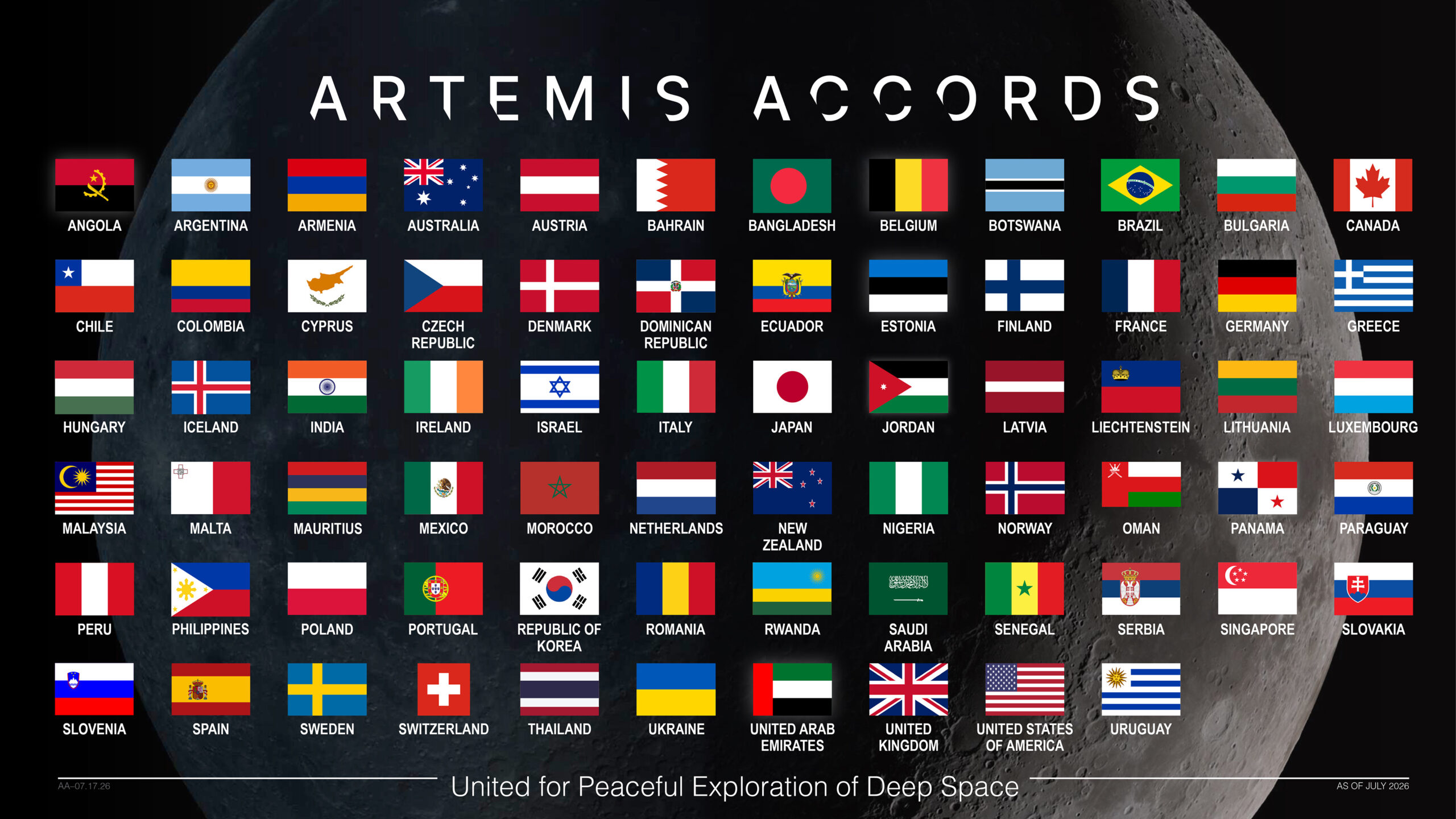
The recent wave of countries joining the Artemis Accords has underscored an evolving landscape in space diplomacy and cooperation. With Côte d'Ivoire, Albania, Croatia, and Djibouti signing on as the latest members, the Accords now reflect a broader international coalition committed to transparent and peaceful space exploration. This surge in participation highlights the growing importance of collaborative efforts in the next phase of lunar and Martian exploration.
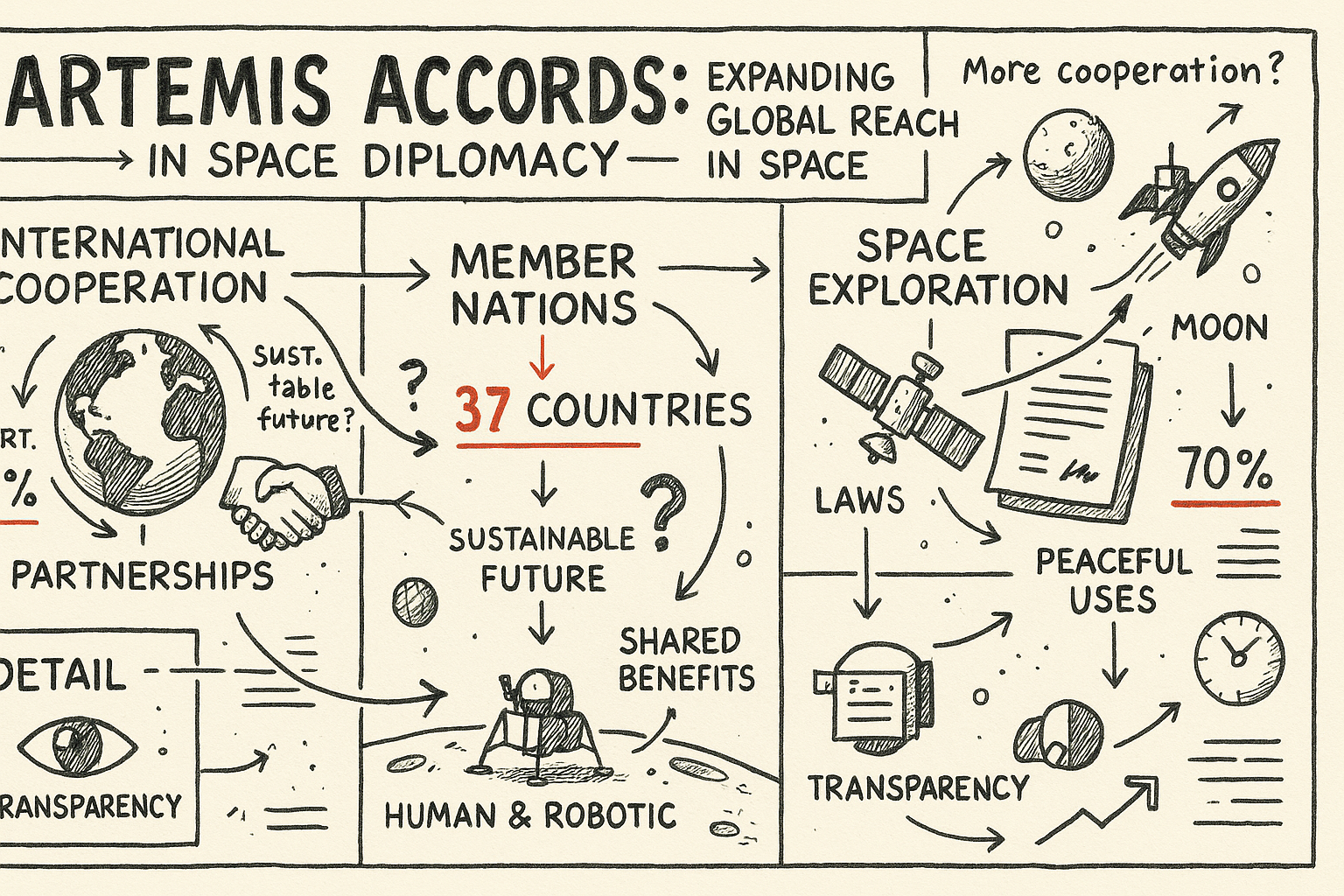
The Artemis Accords, introduced by NASA in 2020, represent a foundational framework for countries that wish to participate in the Artemis program, which aims to return humans to the Moon and eventually send astronauts to Mars. By signing the Accords, countries commit to principles such as transparency, interoperability, emergency assistance, and the public release of scientific data. The recent signatories push the total to 75, demonstrating a widespread commitment to these guidelines.
A Diverse Coalition
Historically, space exploration has been dominated by a few major players, primarily the United States, Russia, and China. However, the Artemis Accords are creating a new paradigm where smaller and emerging nations also have a seat at the table. This diversification is crucial, as it allows for a multitude of perspectives and innovations to be included in shaping the future of space exploration.
Countries like Côte d'Ivoire and Djibouti joining the Accords are particularly noteworthy. It marks a significant step for African nations in asserting their place in the global space community. The participation of these nations also aligns with a broader trend of increased interest and investment in space technologies across the African continent, which has traditionally been underrepresented in space initiatives.
The Political Dimension
The Artemis Accords also serve a geopolitical purpose. In a world where space has become an arena for both cooperation and competition, the Accords act as a diplomatic tool for the United States and its allies to build a coalition that supports a set of shared values and norms. This is especially relevant in the context of increasing space activities by China and Russia, which have not signed the Accords.
By expanding the number of signatories, NASA and the U.S. Department of State are effectively countering alternative space coalitions, promoting a vision of space exploration that is open, inclusive, and peaceful. The Accords are not legally binding, but their widespread acceptance gives them a powerful normative force in shaping the future of international space policy.
Implications for Future Exploration
The expansion of the Artemis Accords has significant implications for future exploration missions. More countries participating means a greater pool of resources, talent, and technologies that can be marshaled for complex missions. This could facilitate innovations in areas such as lunar infrastructure, Mars habitats, and deep-space communication networks.
However, the challenge remains in ensuring that all participating countries can equally contribute and benefit from these endeavors. Ensuring equitable access to opportunities and technologies will be critical to maintaining the cohesion and effectiveness of this expanding coalition.
Moreover, as more countries join, the Accords will need to evolve to address new challenges, such as the sustainable use of space resources and the management of space debris. These issues will require not just technical solutions, but also collaborative policy frameworks that can adapt to the rapidly changing dynamics of space exploration.