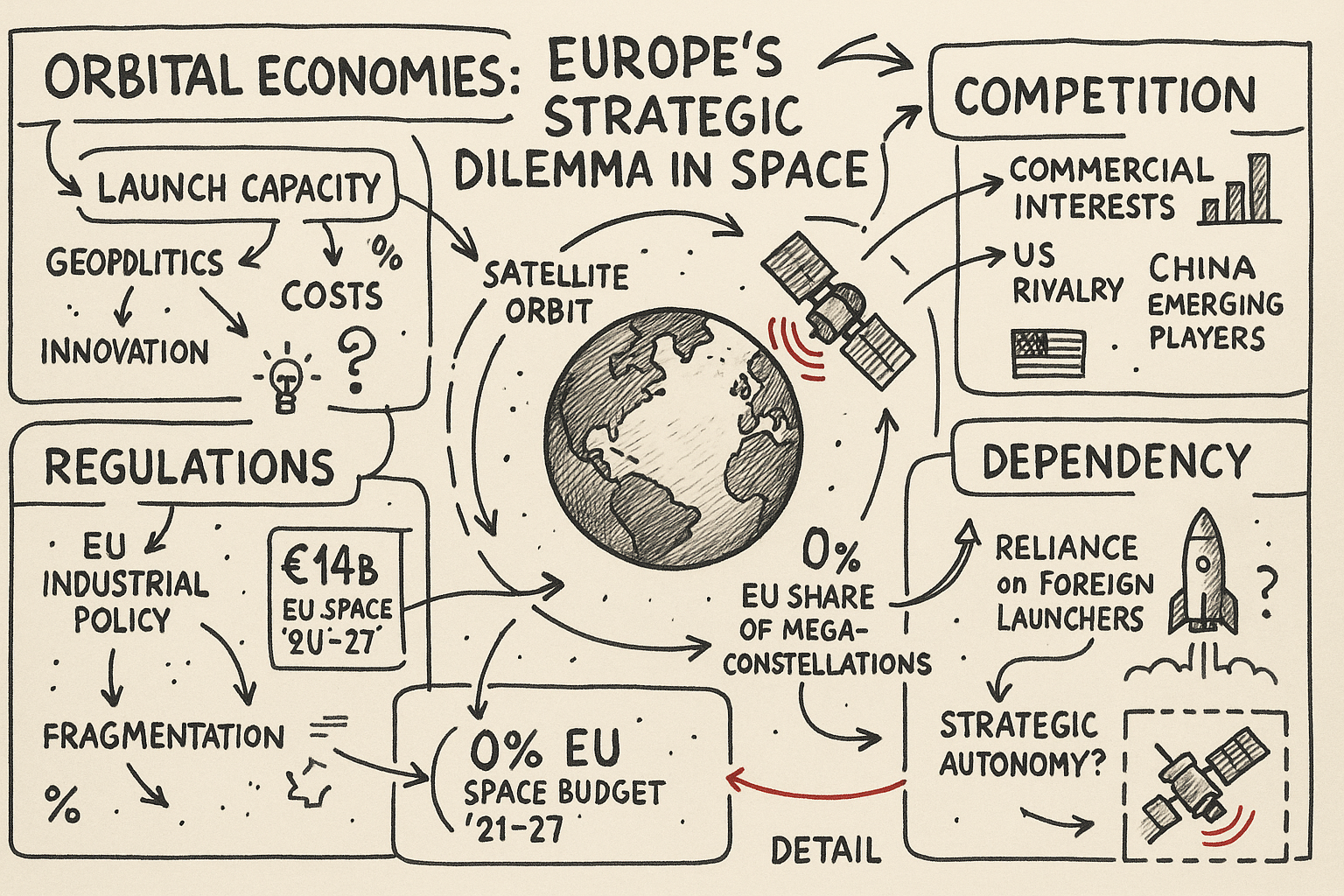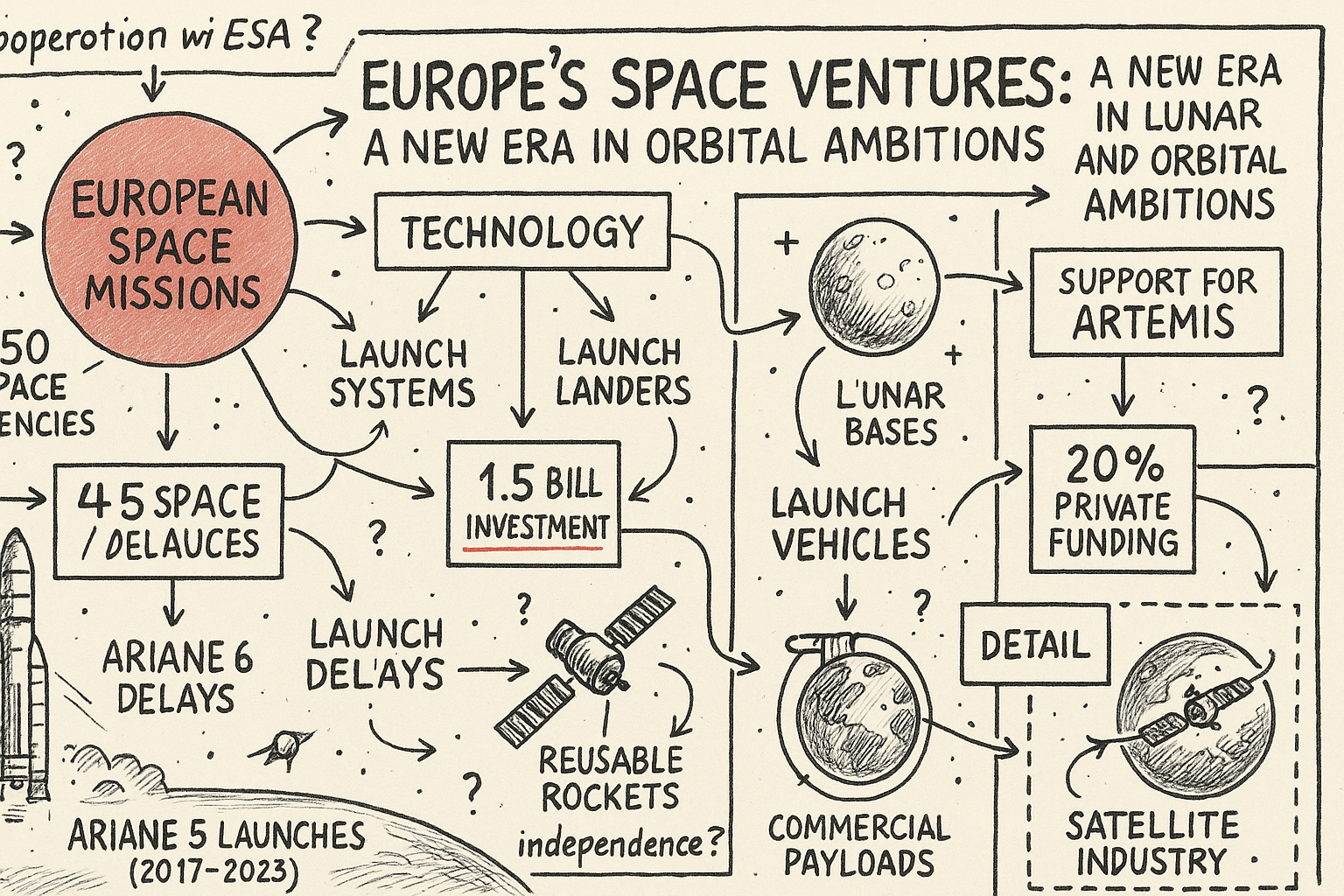
The European space sector is entering a transformative phase marked by ambitious lunar plans, significant funding influxes, and a strategic pivot towards commercial ventures. Recent developments illustrate a continent not merely participating in the global space race but setting its own distinct trajectory.
A New Dawn for European Lunar Exploration
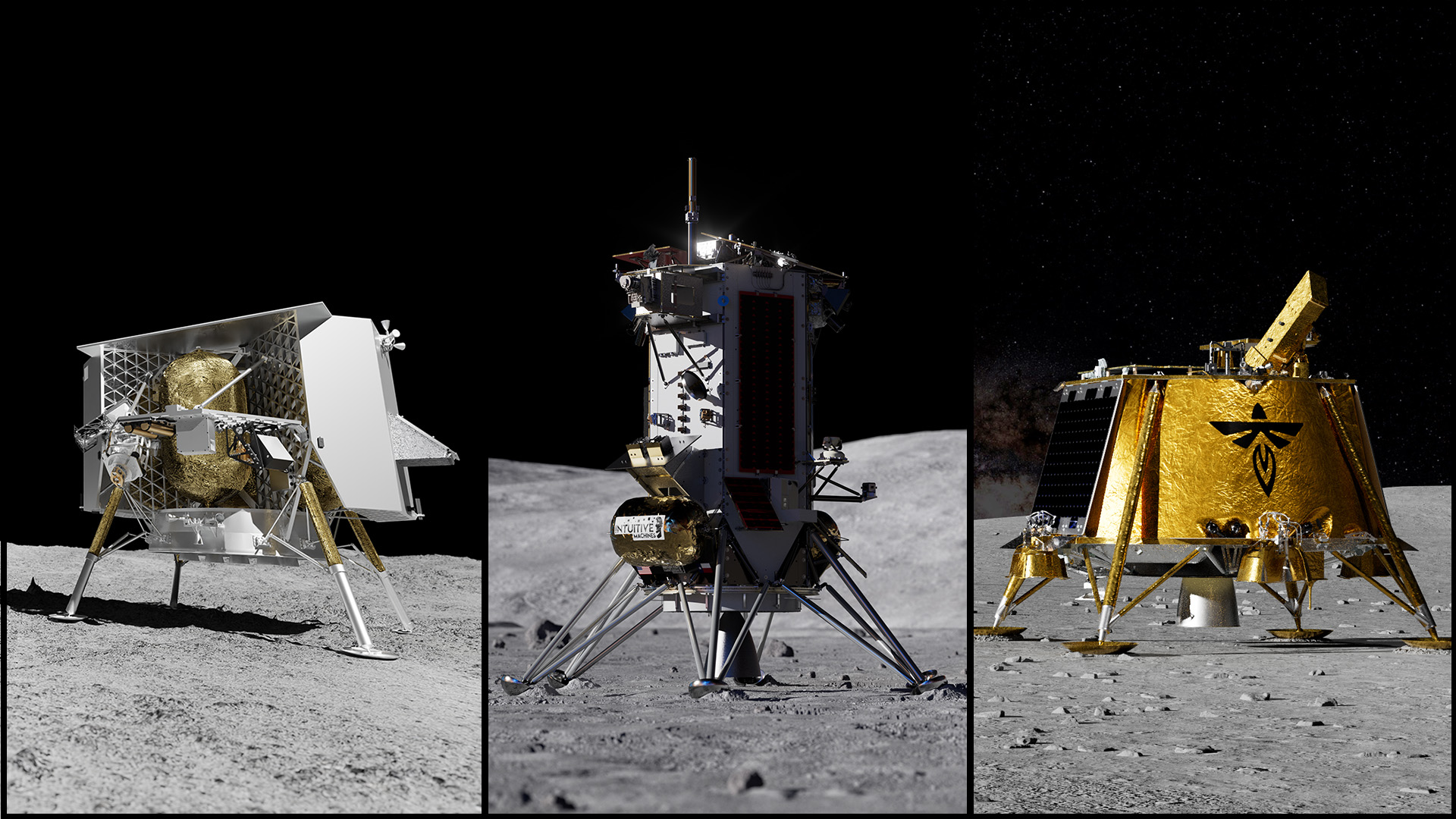
The announcement of Belgium’s Space Applications Services securing a spot for its LUVMI-M rover aboard a Blue Origin Blue Moon Mark 1 lunar lander is a significant leap for European space ambitions. This mission, slated to be Europe's first fully commercial lunar rover endeavor, underscores a shift from reliance on public funding to more private sector-driven initiatives. This partnership highlights a growing trend where European companies are collaborating globally to achieve extraterrestrial objectives.
Simultaneously, the European Space Agency (ESA) formalized its contract with ispace-Europe for the development of the MAGPIE lunar rover. This project, part of a broader ESA strategy, reflects Europe's commitment to maintaining a robust presence in lunar exploration. The move signals not only technological advancement but also a geopolitical strategy to ensure Europe remains a key player in space exploration.
Robust Funding Fuels Ambitions
Fueling these ventures is a remarkable surge in funding for European NewSpace companies. The recent $205 million raised by Bulgarian satellite manufacturer EnduroSat, pushing European NewSpace funding above €1 billion for September alone, is indicative of a vibrant investment climate. This influx of capital is pivotal in propelling European companies onto the global stage, enabling them to compete with established giants in the space industry.
The Exploration Company’s success in raising $450 million in a Series C funding round further exemplifies this trend. With backing from prominent US and European venture capital firms, the company aims to develop its Nyx capsule and Storm rocket engine. Such substantial financial support underscores the confidence investors have in Europe’s potential to innovate and lead in space logistics and technology.
Suborbital Ventures and Broader Implications
Beyond lunar missions, Europe is also honing its capabilities in suborbital research. The German aerospace agency DLR’s MAPHEUS-17 mission, set to launch from Sweden’s Esrange Space Center, represents Europe’s continued investment in scientific research and technology development. These suborbital missions are crucial for testing new technologies and conducting experiments that could benefit both space exploration and terrestrial applications.
While Europe’s space endeavors are largely driven by technological ambitions, they also carry significant geopolitical implications. By achieving greater autonomy in space, Europe can assert its influence in global space governance and mitigate dependency on other spacefaring nations. This strategic autonomy is particularly vital as geopolitical tensions continue to influence international collaborations in space.
Looking Forward: A Paradigm Shift
The current trajectory indicates that Europe is not content with being a mere participant in space exploration but aims to be a leader. The blend of public-private partnerships, substantial funding, and ambitious projects suggests a paradigm shift. This new era is characterized by a robust ecosystem that not only nurtures technological innovation but also strategically positions Europe in the competitive landscape of global space activities.
As Europe continues to innovate and expand its space capabilities, it will likely encounter challenges such as regulatory hurdles and the need for sustainable technology development. However, with the current momentum, Europe is well-positioned to overcome these challenges and usher in a new era of space exploration and commercialization.